Table of Contents >> Show >> Hide
- Why Healthier Fast Food Choices Matter
- Start with the Menu Before You Start the Car
- Build a Better Fast-Food Meal
- Smart Swaps That Actually Work
- Healthier Choices by Restaurant Type
- How to Order When You Are Really Hungry
- What to Limit Without Feeling Deprived
- Special Tips for Families and Busy Students
- The Healthiest Fast-Food Habit: Plan the Next Meal
- Quick Fast-Food Checklist
- Common Fast-Food Mistakes to Avoid
- Experience-Based Tips: What Works in Real Life
- Conclusion
Fast food has a special talent: it appears exactly when life is moving too fast, your stomach is composing dramatic opera, and your fridge contains one suspicious lemon and a jar of pickles. The good news? Eating fast food does not automatically mean your nutrition goals have packed a suitcase and moved to another state. With a few smart swaps, a little menu detective work, and the courage to say “sauce on the side,” you can make healthier fast food choices without turning lunch into a punishment.
Fast food is part of modern American eating. Many people rely on it because it is quick, affordable, familiar, and available almost everywhere. The challenge is that many fast-food meals are high in sodium, saturated fat, added sugar, refined carbohydrates, and oversized portions. That does not mean every order is a nutritional disaster wearing a paper wrapper. It means the best strategy is not perfection; it is pattern. One meal does not define your health, but your usual choices can move the needle.
This guide breaks down how to eat fast food in a healthier way, including what to order, what to limit, how to customize meals, and how to leave the drive-thru feeling satisfied instead of sleepy, salty, and slightly betrayed by the fries.
Why Healthier Fast Food Choices Matter
Fast food can fit into a balanced diet, but it helps to know what you are working with. Common fast-food meals often include large portions, fried foods, sugary beverages, creamy sauces, and refined grains. These can add up quickly, especially when a sandwich, fries, soda, and dessert all join forces like a tiny edible marching band.
Healthier choices matter because your body needs more than calories. It needs protein, fiber, vitamins, minerals, healthy fats, and enough fluid. A meal that provides protein and fiber can help you feel full longer. A meal loaded mostly with refined carbohydrates, sodium, and added sugar may taste great in the moment but leave you hungry again soon after.
The Main Nutrients to Watch
When choosing fast food, focus on a few key areas: sodium, saturated fat, added sugar, fiber, and portion size. Sodium is often the sneakiest. Even meals that look light, such as sandwiches or soups, can be salty. Saturated fat often comes from fried foods, cheese-heavy meals, processed meats, creamy sauces, and large portions of red meat. Added sugar is obvious in soda and desserts but can also show up in sauces, flavored coffee drinks, sweet tea, and breakfast items.
Fiber is the good guy who rarely gets enough screen time. Meals with vegetables, beans, fruit, whole grains, or salads tend to provide more fiber, which supports digestion and helps meals feel more satisfying. Think of fiber as the friend who makes sure the party does not get completely out of hand.
Start with the Menu Before You Start the Car
One of the easiest ways to make healthier fast food choices is to check the menu online before ordering. Most major chains publish nutrition information, and many restaurants list calories on menus and menu boards. That information is not there to make you feel judged by a cheeseburger. It is there to help you compare options.
Look for grilled, baked, roasted, or broiled items instead of fried or crispy ones. Compare sodium and saturated fat when possible. If two meals look equally tasty, choose the one with more vegetables, more protein, or more fiber. You do not need to study the menu like it is the final exam in Sandwich Science. Just give yourself thirty seconds to choose with your brain before your hunger starts negotiating like a lawyer.
Use Calories as a Clue, Not a Personality Test
Calories can help you understand portion size, but they do not tell the whole story. A 500-calorie meal with lean protein, beans, vegetables, and whole grains may be more satisfying than a 500-calorie meal made mostly from soda and fries. Healthier fast food is about balance, not chasing the lowest number on the board.
A practical approach is to look for meals that include protein, produce, and a reasonable portion of carbohydrates or healthy fats. For example, a grilled chicken sandwich with lettuce and tomato plus fruit or a side salad is usually a stronger everyday choice than a double burger, large fries, and a sugary drink.
Build a Better Fast-Food Meal
The best fast-food meal is not always the one with the word “healthy” in the name. Sometimes it is the regular menu item you customize. A few small changes can significantly improve the nutrition profile without ruining the flavor.
Choose Leaner Protein
Protein helps make meals satisfying. Good fast-food protein choices may include grilled chicken, turkey, eggs, beans, lentils, tofu where available, fish that is not fried, or a smaller portion of lean beef. Try to limit processed meats such as bacon, sausage, pepperoni, and extra deli meats because they can be high in sodium and saturated fat.
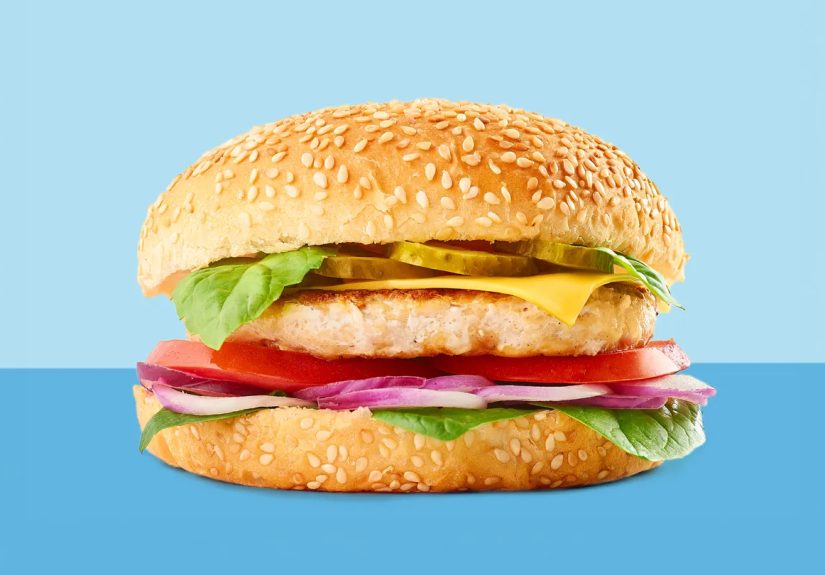
Instead of a crispy chicken sandwich, choose grilled chicken when available. Instead of a large double burger, choose a single patty and add lettuce, tomato, onion, or pickles. If ordering Mexican-style fast food, beans can be a smart choice because they offer protein and fiber. If your burrito bowl has beans, vegetables, salsa, and grilled protein, congratulations: you have built something that resembles an actual meal, not just a cheese festival with a tortilla roof.
Add Vegetables Whenever Possible
Vegetables are not just decorative confetti. They add fiber, volume, flavor, and nutrients. Ask for extra lettuce, tomato, onions, peppers, spinach, cucumbers, or salsa. Choose a side salad, vegetable soup, apple slices, or a bowl with fajita vegetables when available.
Be careful with salads that sound healthy but arrive wearing a deep-fried chicken hat, a blanket of cheese, a handful of croutons, and enough creamy dressing to lubricate a bicycle chain. Salads can be excellent choices, but grilled protein, lighter dressing, and crunchy vegetables usually make them better everyday options.
Pick Better Carbohydrates
Carbohydrates are not the villain. Your body uses them for energy. The goal is to choose better sources more often. Whole-grain buns, brown rice, oatmeal, beans, corn tortillas, baked potatoes, and fruit can be more nutritious than refined buns, pastries, large fries, or sugary breakfast items.
If whole-grain options are not available, portion size becomes your best tool. Choose a smaller sandwich, skip the extra bun layer, or share fries instead of ordering the largest size. You can also balance refined carbs by pairing them with protein and vegetables.
Smart Swaps That Actually Work
Healthy fast food does not require ordering something sad and flavorless. The goal is to make swaps that are easy enough to repeat. Here are practical changes that can make a real difference.
Swap Sugary Drinks for Better Beverages
Soda, sweet tea, lemonade, milkshakes, and blended coffee drinks can add a lot of sugar without making you feel full. Choose water, unsweetened iced tea, sparkling water, black coffee, or coffee with a small amount of milk. If you want soda, consider a smaller size. Your drink should hydrate you, not sneak in like dessert wearing a straw.
Choose Small or Medium Instead of Large
Portion size is one of the simplest levers you can pull. A small order of fries can satisfy the craving without turning the meal into a sodium-and-fat marathon. A single burger can be enough. A kids’ meal can be a reasonable option for adults who want smaller portions, especially when paired with water and fruit.
Ask for Sauces and Dressings on the Side
Sauces can be delicious, but they often add sodium, sugar, and saturated fat. Ask for dressing, mayo, creamy sauce, barbecue sauce, or special sauce on the side. Dip lightly instead of drowning the meal. This one move gives you control without requiring a farewell speech to flavor.
Go Easy on Cheese, Bacon, and Creamy Extras
Cheese and bacon can turn a moderate meal into a heavier one quickly. You do not always have to remove them, but consider choosing one rich extra instead of three. For example, if you want cheese, skip bacon and mayo. If you want avocado or guacamole, go lighter on cheese or sour cream.
Healthier Choices by Restaurant Type
Different fast-food restaurants have different traps and opportunities. Here is how to navigate common menus.
Burger Restaurants
Choose a single burger instead of a double or triple. Add lettuce, tomato, onions, and pickles. Skip or reduce mayo and special sauces. Choose grilled chicken if available. Pair your sandwich with fruit, salad, or a small fries instead of a large combo. Water or unsweetened tea is a better everyday drink than soda.
Chicken Restaurants
Grilled chicken is usually the lighter choice compared with fried chicken. If fried chicken is what you really want, choose a smaller portion and balance it with a vegetable side. Watch biscuits, creamy sides, and large sweet drinks, which can make the meal much heavier.
Mexican-Style Fast Food
Burrito bowls can be a great option when built well. Start with beans, grilled protein, vegetables, salsa, and lettuce. Choose brown rice if available, or use a smaller portion of rice. Go easy on queso, sour cream, and large flour tortillas. Salsa is your friend: flavorful, colorful, and not trying to cover the entire meal in cream.
Pizza Places
Choose thin crust when available, add vegetable toppings, and consider chicken instead of processed meats like pepperoni or sausage. Pair pizza with a salad, and stop when comfortably full. Pizza can fit into a balanced diet, especially when you treat it like part of a meal instead of the entire food pyramid.
Sandwich Shops
Choose whole-grain bread if available, lean proteins such as turkey or grilled chicken, and plenty of vegetables. Mustard, vinegar, salsa, or a small amount of oil can be lighter than mayo-heavy sauces. Be cautious with footlong portions, extra cheese, bacon, and salty deli meats.
Coffee Shops and Breakfast Stops
Breakfast can be tricky because pastries, sweet drinks, and oversized muffins often pretend to be meals. Better options include oatmeal with nuts or fruit, egg sandwiches with whole-grain bread, yogurt with lower added sugar, or a breakfast wrap with eggs and vegetables. For drinks, choose smaller sizes and reduce syrups or whipped cream.
How to Order When You Are Really Hungry
Hunger can make every menu item look like it deserves a standing ovation. When you are very hungry, slow down before ordering. Choose the main item first, then decide whether you truly need sides. A balanced meal with protein and fiber will usually satisfy you better than a giant portion of refined carbs and sugar.
Try this simple formula: pick one protein, add one fruit or vegetable, choose one carbohydrate, and select a drink without added sugar. For example: grilled chicken sandwich, side salad, small fries, and water. Or a bean burrito bowl with vegetables, salsa, rice, and unsweetened tea. This formula is flexible, realistic, and far less annoying than carrying a calculator into the drive-thru.
What to Limit Without Feeling Deprived
Healthy eating works best when it is sustainable. You do not need to ban your favorite foods. In fact, strict food rules often backfire. A better strategy is to enjoy richer fast-food items occasionally and make lighter choices more often.
Limit large fried meals, oversized combos, sugary beverages, creamy sauces, processed meats, and desserts as everyday habits. If you really want fries, order a small. If you want a burger, skip the soda. If you want dessert, share it or choose a smaller portion. The goal is not to remove joy from food. The goal is to stop one meal from accidentally becoming a full-day sodium parade.
Special Tips for Families and Busy Students
Fast food is common for families, students, shift workers, travelers, and anyone whose schedule laughs at meal planning. If you are ordering for kids or teens, focus on balance, not dieting. Growing bodies need enough food, protein, calcium, iron, fruits, vegetables, and whole grains. Encourage water, fruit, milk, yogurt, grilled proteins, beans, and smaller portions of fried sides.
For students, a healthier fast-food routine might look like this: choose a grilled chicken wrap instead of fried nuggets most days, add fruit when available, keep a water bottle nearby, and save sweet drinks for occasional treats. For families, ordering a mix of items can help: sandwiches, salads, fruit, and one shared fries instead of multiple large combos.
The Healthiest Fast-Food Habit: Plan the Next Meal
If lunch was salty, make dinner simple and fresh. If breakfast was sweet, choose a lunch with protein and vegetables. Healthier eating is not a courtroom where every meal is placed on trial. It is more like steering a car: small corrections keep you on the road.
After a fast-food meal, drink water, include fruits or vegetables later, and avoid turning one choice into an all-day spiral. Your body does not need guilt. It needs consistency, hydration, and maybe a vegetable that has seen daylight recently.
Quick Fast-Food Checklist
- Choose grilled, baked, roasted, or broiled items more often than fried ones.
- Pick smaller portions, single patties, or kids’ meals when appropriate.
- Add vegetables, salsa, beans, fruit, or salad whenever possible.
- Choose water, unsweetened tea, or other low-sugar drinks.
- Ask for sauces and dressings on the side.
- Limit bacon, extra cheese, creamy sauces, and processed meats.
- Use menu nutrition information to compare sodium, saturated fat, sugar, and calories.
Common Fast-Food Mistakes to Avoid
Assuming “Salad” Always Means Healthy
A salad with fried chicken, cheese, bacon, croutons, and creamy dressing can be heavier than a burger. Choose grilled protein, lots of vegetables, and dressing on the side.
Ignoring Sodium
Sodium can be high in sandwiches, soups, pizza, sauces, and even lower-calorie meals. If you eat fast food often, sodium is one of the most important numbers to check.
Drinking Dessert by Accident
Large sweet drinks can add a lot of sugar. A flavored coffee drink or milkshake may be more like dessert than a beverage. Enjoy them occasionally, but do not let them become your default drink.
Ordering the Combo Automatically
The combo meal is convenient, but it often adds fries and soda by default. Order only what you actually want. You are allowed to break up with the combo. It will recover.
Experience-Based Tips: What Works in Real Life
After years of watching people try to eat better while living busy, normal lives, one lesson becomes obvious: the best healthy fast-food strategy is the one you can actually use when you are tired, hungry, late, and not in the mood to debate quinoa. Real life does not always allow perfect meal prep. Sometimes lunch happens in a parking lot. Sometimes dinner comes through a window. The goal is to build habits that survive those moments.
One helpful experience is creating a “default order” at your favorite restaurants. This removes decision fatigue. For example, at a burger place, your default might be a single burger with extra lettuce and tomato, small fries, and water. At a Mexican-style chain, it might be a bowl with beans, grilled chicken, vegetables, salsa, lettuce, and a small portion of rice. At a sandwich shop, it might be turkey or chicken on whole-grain bread with vegetables, mustard, and fruit on the side. When you already know your order, hunger has less room to make dramatic suggestions.
Another practical lesson: do not arrive starving if you can avoid it. When you are extremely hungry, the biggest, saltiest, crispiest option starts glowing like treasure in a pirate movie. A small snack earlier, such as fruit, yogurt, nuts, or whole-grain crackers, can help you order with a calmer brain. This is not about eating less. It is about not letting emergency hunger run the meeting.
It also helps to decide which part of the meal matters most to you. If fries are your favorite, enjoy a small fries and choose water instead of soda. If the burger is the star, skip extra bacon and creamy sauce. If you want a sweet drink, choose a lighter main meal. This “pick your favorite” method works better than trying to make every part of the meal indulgent. You still get pleasure, but the meal stays more balanced.
People also tend to underestimate sauces. A packet here and a drizzle there can quietly change the meal. Asking for sauce on the side feels small, but it gives you control. Dip for flavor instead of coating everything. The food still tastes good, and you avoid turning a sandwich into a sauce storage facility.
For road trips, sports days, school events, or long work shifts, the smartest move is pairing fast food with something simple from home. A banana, apple, nuts, water bottle, or yogurt can improve the whole meal. You might still buy the sandwich, but now you have fruit instead of a second fried side. This hybrid approach is realistic and often cheaper.
Finally, remember that guilt is not a nutrient. Eating fast food sometimes does not mean you failed. A healthier relationship with food includes flexibility. Make the best choice available, enjoy your meal, and move on. The next meal is another chance to add color, fiber, protein, and balance. Your body is not asking for perfection. It is asking for repeated, reasonable care.
Conclusion
Eating fast food can be part of a balanced lifestyle when you order with intention. The healthiest choices usually include lean protein, vegetables or fruit, smaller portions, less added sugar, and sauces on the side. Fried foods, large combos, sugary drinks, and salty extras do not have to disappear forever, but they are better as occasional choices than daily defaults.
The big secret is simple: customize. Choose grilled instead of fried when you can. Add vegetables. Drink water. Go smaller. Check nutrition information. Build meals that satisfy you without leaving you feeling overloaded. Fast food may be fast, but your choices do not have to be careless. With a few smart habits, you can eat on the go and still treat your body like it is on your team.