Table of Contents >> Show >> Hide
- Why Eggs Work So Well in the Morning
- Egg Safety & “Don’t Make It Weird” Basics
- Breakfast Egg Recipes You’ll Actually Make Again
- 1) Soft, Creamy Scrambled Eggs (Low-and-Slow Café Style)
- 2) Fluffy Scrambled Eggs (Big Curds, Fast, Weekday Mode)
- 3) Classic French Omelet (Custardy Inside, Smooth Outside)
- 4) The “Everything” American Omelet (Stuffed & Satisfying)
- 5) Sheet-Pan Eggs (Meal-Prep MVP for Sandwiches)
- 6) Breakfast Egg Muffins (Grab-and-Go Protein Cups)
- 7) Shakshuka-Inspired Eggs (Tomato-Pepper Skillet, One Pan)
- 8) Foolproof Poached Eggs (Restaurant Vibes, Home Effort)
- 9) Breakfast Burrito (The Portable Power Move)
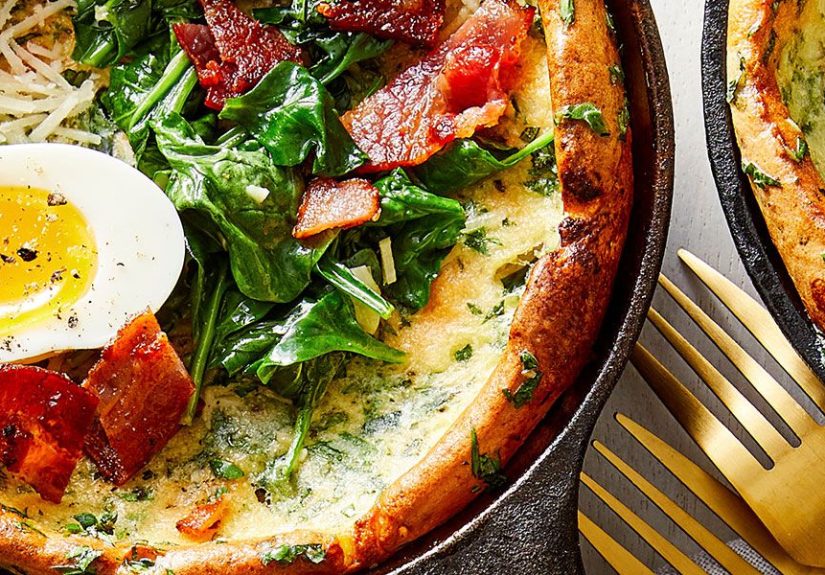
- 10) Skillet Frittata (No-Flip, Crowd-Friendly)
- A Simple Flavor Matrix (So You Don’t Get Bored)
- Common Egg Problems (And How to Fix Them)
- Conclusion: Your “Egg Breakfast” Era Starts Now
- Real-World Breakfast Experiences ( of Useful Reality)
Eggs are basically breakfast’s overachiever: they show up on time, play well with others (cheese! veggies! hot sauce!), and can go from “I overslept” to “I host brunch now” in under 15 minutes. Whether you’re chasing a high-protein start, feeding picky eaters, or just trying to make your morning feel less like a dramatic reboot of your life, these egg recipes for breakfast will get you therewithout turning your kitchen into a crime scene.
This guide is built for real mornings: quick weekday wins, meal-prep strategies, and a few “wow” options for when you want your plate to look like it has a publicist. You’ll also find practical cooking science (the kind that prevents rubbery eggs), flavor combos, and troubleshooting tipsbecause every pan has a personality.
Why Eggs Work So Well in the Morning
Eggs are fast, flexible, and satisfying. Nutritionally, they bring high-quality protein and key nutrients like choline. Practically, they’re a blank canvas: you can go spicy, herby, cheesy, veggie-loaded, or keep it classic with salt, pepper, and butter. And unlike a complicated breakfast bake that needs an emotional support whisk, eggs can adapt to your schedule.
Egg Safety & “Don’t Make It Weird” Basics
1) Store smart
Keep eggs refrigerated, and treat cracked shells like a broken phone screen: you can pretend it’s fine, but it’s not. If you’re shopping, grab eggs that feel cold and are stored properly. At home, park them in the main part of the fridge (not the door) so the temperature stays steady.
2) Cook them thoroughly (especially dishes)
For safety, cook eggs until whites and yolks are firm if you’re doing fried eggs or poached eggs. For casseroles, frittatas, and other mixed egg dishes, aim for 160°F in the center if you’re using a food thermometer. If you’re making anything traditionally “runny” (like hollandaise or certain dressings), consider using pasteurized eggs.
3) The texture rule: low heat is your friend (most of the time)
If your eggs keep turning out dry, the issue usually isn’t your skill levelit’s heat and timing. Eggs keep cooking after you turn off the burner (carryover cooking), so pull them a little early and let residual heat finish the job. Think of it as letting your eggs “land the plane,” not crash into the terminal.
Breakfast Egg Recipes You’ll Actually Make Again
Below are reliable, flavorful breakfast egg recipes with variations so you can repeat the method without repeating the meal. Each one is built for common pantry ingredients and normal human attention spans.
1) Soft, Creamy Scrambled Eggs (Low-and-Slow Café Style)
Best for: Toast, bagels, breakfast bowls, “I deserve nice things” mornings.
What you need (2 servings): 4 eggs, 1–2 tbsp butter, salt, pepper. Optional: a splash of milk/cream, chives, goat cheese.
How to make it:
- Whisk eggs until fully blended. Salt lightly (you can salt before cooking or right as they hit the pan).
- Warm a nonstick skillet over low heat. Melt butter gentlyno sizzling drama.
- Add eggs and stir slowly with a silicone spatula, sweeping the bottom and edges.
- When curds form and the eggs look slightly underdone (glossy, custardy), remove from heat. Keep stirring 20–30 seconds to finish.
Make it yours: Fold in goat cheese off-heat, or top with herbs and a few chili flakes. This is a great “healthy breakfast eggs” base if you pair it with fruit or a veggie side.
2) Fluffy Scrambled Eggs (Big Curds, Fast, Weekday Mode)
Best for: Breakfast sandwiches, burritos, feeding a crowd quickly.
What you need: 4 eggs, butter or oil, salt, pepper. Optional: shredded cheddar.
How to make it:
- Whisk eggs with a pinch of salt.
- Heat skillet to medium-high. Add butter until foamy.
- Add eggs and gently push them around the pan to create large curds.
- Pull from heat when just set (not dry). Add cheese right at the end if using.
Pro tip: If you’re doing a breakfast burrito, slightly undercook the eggsthey’ll finish when wrapped and warmed.
3) Classic French Omelet (Custardy Inside, Smooth Outside)
Best for: Brunch flexing without a 3-hour commitment.
What you need: 2–3 eggs, 1–2 tbsp butter, salt. Optional: herbs, Boursin or a soft cheese.
How to make it:
- Whisk eggs thoroughly (no streaky whites).
- Heat a nonstick pan over medium-low. Melt butter gently.
- Add eggs and stir/shake continuously to keep curds tiny and soft.
- When the top is barely set but still glossy, fold/roll into a neat omelet.
Flavor idea: Chives + soft cheese = instant “French café energy.”
4) The “Everything” American Omelet (Stuffed & Satisfying)
Best for: Using leftovers, clearing the produce drawer, hearty mornings.
What you need: 2–3 eggs, salt, pepper, butter/oil. Fillings: sautéed veggies, ham, cooked bacon, cheddar, salsa.
How to make it:
- Pre-cook watery fillings (mushrooms, spinach, tomatoes) so they don’t flood your omelet.
- Pour whisked eggs into a buttered pan over medium heat.
- As the edges set, lift them so uncooked egg flows underneath.
- Add fillings on one half. Fold and cook 30–60 seconds more.
Shortcut: If folding feels stressful, call it a “scrambled omelet bowl” and move on confidently.
5) Sheet-Pan Eggs (Meal-Prep MVP for Sandwiches)
Best for: Make-ahead easy egg breakfast all week.
What you need: 10–12 eggs, salt, pepper, optional milk, chopped veggies, cooked protein, cheese.
How to make it:
- Heat oven to 350°F. Line a rimmed sheet pan with parchment and lightly oil it.
- Whisk eggs with salt/pepper (and a splash of milk if you like).
- Stir in chopped add-ins (pre-cooked veggies/protein work best).
- Bake until set in the center. Cool, slice into squares, refrigerate.
Use it: English muffins, bagels, toast, or tucked into a wrap with greens. It’s basically a breakfast assembly linein the best way.
6) Breakfast Egg Muffins (Grab-and-Go Protein Cups)
Best for: Meal prep, commuting, snacky breakfasts, picky eaters.
What you need (12 cups): 8–10 eggs, salt, pepper, 1 cup mix-ins (cheese, peppers, spinach, cooked bacon/sausage).
How to make it:
- Heat oven to 350°F. Grease a muffin tin well.
- Whisk eggs, season, stir in mix-ins.
- Fill cups about 3/4 full.
- Bake until set. Cool before storing.
Meal-prep tip: Store refrigerated for several days and reheat briefly. Avoid over-microwaving unless you like “egg sponge cake.”
7) Shakshuka-Inspired Eggs (Tomato-Pepper Skillet, One Pan)
Best for: Weekend breakfast, cozy vibes, impressive-without-effort meals.
What you need: Onion, bell pepper, garlic, canned tomatoes, paprika/cumin/chili flakes, eggs, salt. Optional: feta, herbs.
How to make it:
- Sauté onion and peppers until soft. Add garlic and spices.
- Add tomatoes and simmer until thickened (you want a saucy base, not tomato soup).
- Make small wells, crack eggs in, cover, and cook until whites set.
- Finish with feta and herbs. Serve with toast or pita.
Variation: Add spinach near the end, or stir in a spoon of harissa for heat.
8) Foolproof Poached Eggs (Restaurant Vibes, Home Effort)
Best for: Avocado toast, grain bowls, “I eat brunch for breakfast” energy.
What you need: Fresh eggs, water, pinch of salt. Optional: a small splash of vinegar.
How to make it:
- Bring water to a gentle simmer (small bubbles, not a rolling boil).
- Crack an egg into a small bowl first (easier, cleaner).
- Slide egg into the water. Keep the simmer gentle so it doesn’t shred the whites.
- Cook until whites are set; remove with a slotted spoon and blot briefly.
Clean look trick: Straining an egg briefly can remove wispy whites for a tighter poach.
9) Breakfast Burrito (The Portable Power Move)
Best for: Big appetites, meal prep, post-gym mornings.
What you need: Tortillas, scrambled eggs, cheese, beans or potatoes, salsa, optional avocado/hot sauce.
How to make it:
- Cook eggs gently so they stay tender.
- Warm tortillas so they don’t crack.
- Layer eggs + fillings, roll tightly (tuck sides in first).
- Optional: toast seam-side down in a pan for a crisp finish.
Freezer tip: Skip juicy salsa inside if freezingserve salsa on the side to prevent soggy burrito sadness.
10) Skillet Frittata (No-Flip, Crowd-Friendly)
Best for: Using leftovers, feeding family, brunch without stress.
What you need: 6–10 eggs, dairy (optional), cheese, veggies/protein, salt/pepper.
How to make it:
- Use an oven-safe skillet. Pre-cook fillings (especially watery veggies).
- Whisk eggs with seasonings and a small amount of dairy if desired.
- Pour into skillet, cook on stovetop until edges set.
- Finish in the oven until the center is set (aim for 160°F if checking).
Ratio reminder: Many cooks like a modest splash of dairy for tenderness, but too much can make it loose. Keep it restrained, like a good group chat.
A Simple Flavor Matrix (So You Don’t Get Bored)
If you want more variety without more effort, rotate one item from each category:
- Veg: spinach, bell pepper, mushroom, onion, zucchini
- Protein: ham, cooked bacon, smoked salmon, black beans
- Cheese: cheddar, feta, goat cheese, Swiss
- Herbs/spices: chives, dill, smoked paprika, chili flakes
- Sauce: salsa, pesto, hot sauce, a squeeze of lemon
That’s how you keep “eggs for breakfast” exciting all week without becoming a full-time recipe influencer.
Common Egg Problems (And How to Fix Them)
Watery scrambled eggs
Often caused by too much liquid or cooking too hot too fast. Use lower heat, stir gently, and avoid drowning the eggs in milk. Pre-cook watery veggies before adding.
Rubbery texture
Heat is the culprit. Pull eggs early, let carryover finish, and use butter for a more forgiving cook.
Egg muffins sticking
Grease the tin generously or use silicone liners. Let muffins cool a few minutes before removing.
Conclusion: Your “Egg Breakfast” Era Starts Now
With a few core techniquesscramble, omelet, bake, poachyou can make dozens of egg recipes for breakfast without memorizing a single fussy formula. Keep your heat reasonable, season confidently, and let eggs be what they’re best at: quick, comforting, endlessly customizable breakfast fuel.
Real-World Breakfast Experiences ( of Useful Reality)
Here’s what people discover once they start making eggs for breakfast regularlynot in a perfect studio kitchen, but in real life where someone is always looking for clean socks and the coffee machine is judging you.
First: eggs reveal your pan’s mood instantly. A good nonstick skillet makes you feel like a breakfast wizard. A tired pan makes you question your entire lineage. If scrambled eggs suddenly start sticking, it’s not always yousometimes it’s the pan saying, “I have served my time.” A tiny dab of butter and a slightly lower heat can buy you peace while you decide whether to replace it.
Second: the biggest upgrade is learning when to stop cooking. Almost everyone overcooks eggs at first because “fully done” feels safer and more certain. But eggs keep cooking after you turn off the heat. The moment you pull them earlywhen they still look a little softyou get that tender, creamy texture that feels restaurant-y. This is especially obvious with scrambled eggs and omelets. The eggs don’t need more heat; they need less panic.
Third: meal-prep eggs are a lifestyle cheat code, but they like a little strategy. Egg muffins and sheet-pan eggs are genuinely convenient, but they reheat best in short bursts. Microwave too long and you’ll get a bouncy, squeaky texture (the kind that makes you chew thoughtfully and stare into the middle distance). If you warm them gently10–20 seconds at a timethey stay much closer to freshly cooked. Also, strong-flavored add-ins (like onions) get louder overnight, so if you’re sensitive to that, lean into herbs, roasted peppers, or cheese instead.
Fourth: the “best” egg breakfast changes based on the day. On a rushed morning, fluffy scrambled eggs in a tortilla with salsa is efficient and satisfying. On a slower morning, shakshuka feels like a mini vacation in a skillet, especially when you scoop it up with toast. When you need something neat and portable, a breakfast sandwich egg (a tidy round) makes you feel like you’ve got your life organizedeven if your browser has 47 tabs open and one of them is “how to fold fitted sheet.”
Finally: eggs are the easiest way to turn “random leftovers” into a real meal. A few roasted vegetables, the last bits of cooked bacon, a handful of spinachsuddenly you’ve got an omelet or frittata that looks intentional. Once that clicks, breakfast stops being a repetitive routine and starts being a flexible system. And that’s the true breakfast glow-up: not perfection, just delicious consistency you can actually keep.