Table of Contents >> Show >> Hide
- Meet the Renovation: A First Home, a Small Footprint, and a Big Kitchen Goal
- The Budget Edition Mindset: The Rules That Keep Renovations From Eating Your Life
- The Kitchen: A Cook’s Layout, a Smart Splurge, and Plywood Done Right
- The Living Room: The Accidental “Feature Wall” That Proved a Point
- Floors, Doors, and the Beauty of “Use What You Have Left”
- Color Strategy: Calm Base, Personality in Tiles, and a Soft “London-Neutral” Palette
- The Bathroom: Tile Love, Smart Choices, and Keeping the “Wet Zone” Under Control
- Small-Space Function: Why This Home Feels Bigger Than It Is
- A Practical Budget Blueprint (With a Sample Breakdown)
- What Makes This Renovation Feel Personal (Not “Show Home”)
- Common Budget-Reno Mistakes This Project Avoided
- Conclusion: The Real Takeaway From Mina Holland’s Budget Edition Renovation
- Extra: 10 Real “Budget Edition” Renovation Experiences (About )
Most first-home renovations begin the same way: a brave Pinterest board, an even braver bank balance, and a sudden interest in words like
“subfloor,” “skim coat,” and “why is that wall damp?” Mina Hollandfood writer, editor, and professional appreciator of kitchenstook the
classic first-reno chaos and turned it into something surprisingly calm: a small South London maisonette renovated on a budget, with a cook’s
priorities and a writer’s eye for the story hiding under old wallpaper.
The result isn’t a “before-and-after” miracle that required selling a kidney (or a vintage record collection). It’s a realistic, clever,
small-space renovation built around three ideas that translate anywhereeven if you’re renovating a rowhouse in Philly, a bungalow in Austin,
or a condo in Chicago: keep the layout smart, choose a few meaningful splurges, and let personality show up in the details.
Meet the Renovation: A First Home, a Small Footprint, and a Big Kitchen Goal
Mina Holland and her partner, musician Freddie Denham-Webb, landed on a compact South London home after a very London problem: multiple
offers falling through. When they finally bought, they did what smart first-time renovators do: they didn’t spend every last penny on the
purchase price. They held money back for the work, because “we’ll renovate later” is usually code for “we’ll eat cereal next to a bucket
forever.”
The home was around 750 square feetsmall, but workableso the renovation plan wasn’t about going bigger. It was about making the space feel
better: more functional, brighter, and friendlier to the way they actually live (and cook). They worked with a local contractor and focused
their budget where it mattered most: the kitchen and bathroom. The rest of the home got a “budget edition” glow-up through paint, finishes,
and thoughtful reuse.
The Budget Edition Mindset: The Rules That Keep Renovations From Eating Your Life
If you want the Mina Holland version of a first-house renovation, it’s less “tear it down” and more “edit the space.” In practice, that
means a few non-negotiable rulesmany of which match what experienced U.S. remodeling pros recommend for cost control:
- Don’t move plumbing unless you must. Keeping fixtures roughly where they are is one of the fastest ways to avoid spiraling costs.
- Spend on function, save on finishes. A reliable boiler or solid countertop may matter more than fancy drawer pulls (at first).
- Plan for surprises. Real budgets include a contingency buffer, because walls love secrets.
- Reuse and scavenge like it’s a sport. Leftover materials, secondhand furniture, and “free from a friend” is basically a renovation superpower.
Their renovation is a reminder that “budget” doesn’t mean “boring.” It means you choose what matters and cut everything else without mercy.
(Or with mercy. But mercy is expensive.)
The Kitchen: A Cook’s Layout, a Smart Splurge, and Plywood Done Right
For a food writer, the kitchen isn’t just a roomit’s the headquarters. Mina reportedly designed the kitchen configuration with Freddie and
their contractor, based on how she cooks and how they’d use the space day to day. That’s your first big lesson: the best layout is the one
that matches your habits, not the one that wins the internet.
Where They Spent: The “Use It Every Day” Upgrades
The kitchen cost was reported around £20,000, and importantly, that figure included major functional upgrades (like a new boiler) plus custom
cabinetry and a concrete worktop. Translation: this wasn’t a “we bought cute jars” budget. This was a “we made the room work for the next
decade” budget.
The concrete worktop was framed as the biggest splurge, which makes sense. Countertops get daily wear, heat, spills, and the occasional
chopping-session that begins as “I’ll just cut one onion” and ends as “I guess we’re making soup for 12.”
Where They Saved: DIY-Friendly Choices With High Visual Impact
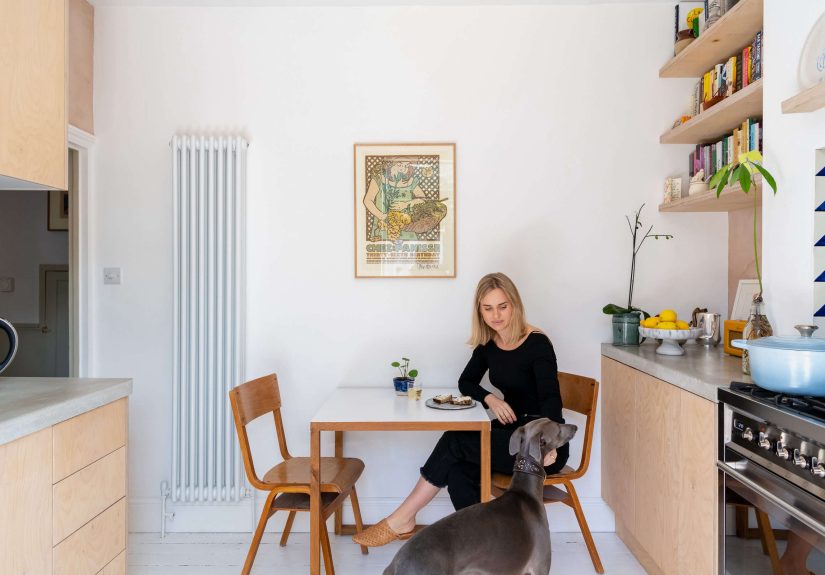
The kitchen also shows how to save without looking like you saved. Open shelving (instead of upper cabinets everywhere) can reduce cost,
lighten the visual weight of a small kitchen, and make everyday items easy to reach. Plywood shelving and cabinetrywhen finished properly
can look intentional, modern, and warm instead of “temporary dorm shelf energy.”
Mina and Freddie’s plywood shelves were treated for durability, and the cooking range was cleverly set into the chimney opening to save space.
That kind of move is peak budget renovation: use the architecture you already have, and let it do work.
A Budget Kitchen Checklist Inspired by This Reno
- Keep the layout stable: If the sink, stove, and main runs stay put, your budget breathes.
- Mix custom + simple: Custom cabinets where needed; open shelving where it makes sense.
- Choose one “hero” surface: A worktop or backsplash you truly love, and keep the rest quiet.
- Hunt for secondhand seating: Vintage chairs, display models, and hand-me-down tables can add character fast.
The Living Room: The Accidental “Feature Wall” That Proved a Point
In many renovations, there’s a moment where the plan meets reality and reality says, “That’s cute.” In this home, stripping wallpaper
revealed old plaster with unexpected color and textureso good that the couple kept it. It became their “feature wall,” described with a bit
of irony (because the only thing more dangerous than a feature wall is pretending you didn’t want one).
This is an underrated budget lesson: sometimes the most beautiful finish is the one you uncover, not the one you buy. Exposed plaster,
original trim, old doorsthese can be your design “assets” if you treat them like a starting point and build around them.
Floors, Doors, and the Beauty of “Use What You Have Left”
Their approach to finishes is quietly genius. Floors were painted rather than replaced, and a water-based limewash reportedly came from a
leftover stashyes, the “renovation supply chain” included a family cellar. That’s not just charming; it’s realistic. Plenty of first-home
renovations succeed because someone somewhere has leftover paint, spare tile, or a light fixture they’re dying to get rid of.
Another detail worth stealing: the oak doors were original, and the update came via new knobs. That’s a small cost for a daily touchpoint.
You feel hardware changes every time you open a door. If you want a “budget edition” upgrade that doesn’t involve sawdust in your hair, this
is it.
Color Strategy: Calm Base, Personality in Tiles, and a Soft “London-Neutral” Palette
The home reportedly uses a light, neutral foundationwhite walls, gentle grays, muted greensthen adds personality with tile and selected
painted moments (like a colorful door). That’s a classic designer move because it’s flexible: you can change textiles and art later without
repainting the universe.
In small spaces, a calm palette also helps rooms connect visually. If every room screams, the hallway becomes a referee. Instead, this home
uses a steady background and lets a few elements sing: encaustic-style tiles, a painted door, a standout wall, and warm wood tones from
plywood and original features.
The Bathroom: Tile Love, Smart Choices, and Keeping the “Wet Zone” Under Control
Bathrooms can obliterate a budget because the “wet zone” (tub/shower area, plumbing, waterproofing) is expensive and unforgiving. The Mina
Holland renovation leaned into a practical strategy: use simple, classic wall tile, then introduce personality through the floor tile and
carefully chosen fixtures.
The bathroom reportedly used white square wall tiles and a pink-toned floor tileproof that you don’t need 14 tile types to make a bathroom
feel designed. You need one simple anchor and one moment of fun.
Budget Bathroom Moves You Can Copy Anywhere
- Choose straightforward wall tile: Simple shapes are often cheaper and timeless.
- Make the floor the “statement”: One bold floor tile can carry the whole room.
- Don’t over-customize wet areas: The shower/tub area is where costs climb fastestkeep it clean and build style elsewhere.
- Upgrade one thing you touch daily: A faucet, mirror cabinet, or lighting upgrade can change the experience immediately.
Small-Space Function: Why This Home Feels Bigger Than It Is
A 750-square-foot home can feel tight or generous depending on flow, storage, and visual calm. This renovation worked because it treated the
home like a system. The kitchen layout was drawn for actual cooking. Storage was integrated (like fitted cabinetry in alcoves). Finishes were
kept light. And furnishings were chosen with purpose, not just vibes.
If you’re renovating a small home on a budget, steal this mindset: every item has to earn its keep. If something isn’t beautiful, functional,
or deeply sentimental, it’s probably just taking up rent-free space.
A Practical Budget Blueprint (With a Sample Breakdown)
Budgets vary wildly by location, labor, and scope, but the structure stays the same. Here’s a simple framework inspired by common U.S.
budgeting guidance and what this renovation prioritized: plan your total, hold a contingency, then allocate by “impact zones.”
| Category | Why It Matters | Budget Edition Strategy |
|---|---|---|
| Contingency | Old homes hide surprises | Set aside a real buffer before you buy anything “cute” |
| Kitchen Function | Daily use, high ROI in life-quality | Spend on layout + core systems; save with shelving and smart materials |
| Bathroom Wet Zone | Expensive to redo twice | Keep it simple and well-built; add style with tile choices |
| Paint + Finishes | High impact for relatively low cost | Use a calm base; add personality in a few controlled moments |
| Furnishings | Sets the mood and function | Secondhand, display models, and hand-me-downs with soul |
What Makes This Renovation Feel Personal (Not “Show Home”)
The most charming detail isn’t the worktop or the tilesit’s the way the home reflects real life. A grandmother’s chair. A practical kitchen
for freelancing and feeding friends. A garden herb patch because food people can’t help themselves. That’s the difference between “renovated”
and “lived in.”
If you’re planning your own budget renovation, give yourself permission to keep meaningful, slightly imperfect pieces. A home that looks
expensive but feels anonymous is just a furniture catalog with utilities.
Common Budget-Reno Mistakes This Project Avoided
- Over-demolition: Keeping original features reduces replacement costs and adds character.
- Too many finishes: A tight palette makes small homes feel calmer and cheaper to execute.
- Trend-chasing: The choices here are modern, but not locked into one fast-fading style moment.
- Ignoring how you live: The kitchen was designed around cooking habits, not photos.
Conclusion: The Real Takeaway From Mina Holland’s Budget Edition Renovation
Mina Holland’s first house renovation works because it’s not trying to win “Most Dramatic Transformation.” It’s trying to win something more
useful: “Most likely to still feel great after the novelty wears off.” The smart budget play wasn’t skipping styleit was giving style a job.
Plywood shelves save space and money. Tiles deliver personality without chaos. Painted floors and preserved features keep history intact while
making the home feel fresh. And the kitchenbecause of course the kitchenwas treated as a daily tool, built for real cooking, not just
pretty counters.
If you’re renovating your first home on a budget, take this as permission to go slower, choose better, and let a few thoughtful decisions do
the heavy lifting. You don’t need unlimited funds. You need a plan, a buffer, and the confidence to say, “No, we do not need a waterfall
marble island in a 750-square-foot home. We need a place to chop onions and feel happy.”
Extra: 10 Real “Budget Edition” Renovation Experiences (About )
Here’s the part nobody tells you before your first renovation: the budget isn’t just moneyit’s energy. A good “budget edition” plan protects
both. One of the most relatable takeaways from Mina Holland’s renovation is how normal the wins are. They’re not magical. They’re practical.
And they add up.
1) The day you uncover something beautiful by accident will change your personality. You strip wallpaper expecting disaster,
and suddenly you’re staring at gorgeous old plaster. You keep it. Not because it’s trendy, but because it’s honestand because “keeping it”
is cheaper than pretending you didn’t see it.
2) Your renovation timeline will include at least one “we can live with this” phase. Painted floorboards or temporary
shelving might not be forever. That’s okay. Budget renovations often succeed because they allow the house to evolve instead of demanding
perfection on Day One.
3) You’ll develop a strange affection for hardware. Door knobs, cabinet pulls, hookstiny upgrades feel shockingly
satisfying. They’re affordable, tactile, and instantly make the home feel “finished,” even when the rest of your to-do list says otherwise.
4) The “splurge” is only a splurge if it earns its keep. A countertop you use daily, a reliable boiler, or durable cabinetry
makes sense. The trick is being honest: are you buying it because it improves life, or because you saw it online at 1 a.m. and panicked?
5) Secondhand becomes a strategy, not a compromise. Display-model tables, vintage chairs, gifted light fixturesthese aren’t
“less than.” They’re character. They also free up budget for the boring-but-important stuff like plumbing, ventilation, and waterproofing.
6) A calm paint palette saves you repeatedly. When walls, trim, and ceilings aren’t fighting each other, you can swap art,
textiles, and decor as your taste evolveswithout repainting the entire house every time you enter a new aesthetic era.
7) Small kitchens teach you discipline. If you can’t store it, you can’t buy it. If you can’t reach it, you won’t use it.
Designing around how you cookwhere you prep, where you wash, how you movematters more than having the fanciest cabinet interiors.
8) The bathroom will humble you. Tile choices are fun until you realize the wet area is expensive and mistakes are permanent.
The budget edition lesson is to keep the structure solid and add personality with one or two controllable design moves.
9) Your home will start to feel like “yours” before it’s done. The moment you hang art, bring in a meaningful chair, or
cook your first real meal in the new kitchen, the chaos becomes worth it. Progress isn’t only visible in constructionit’s visible in
comfort.
10) The best budget renovation is the one you can maintain. Materials that handle real life, layouts that make daily tasks
easier, and choices that don’t require constant babying will always beat fragile luxury. Your first home shouldn’t feel like a museum. It
should feel like you can exhale.
SEO Tags (JSON):