Table of Contents >> Show >> Hide
- Why These Two Favorites Work So Well Together
- Friday Favorite #1: The Sliding Door Bookcase
- What a Sliding Door Bookcase Actually Solves
- Why Sliding Doors Beat Swing Doors in Tight Spaces
- Design Options That Don’t Scream “Farmhouse Costume Party”
- DIY vs. Buy: A Quick Reality Check (No Judgment)
- Installation Basics That Keep the Door Sliding (Not Sighing)
- Safety: Anchor the Bookcase Like You Mean It
- Styling and Organizing: The “Two-Zone Shelf Strategy”
- Friday Favorite #2: The Doggie Bed (Because Dogs Nap Like It’s a Career)
- How to Combine These Favorites Into One Seriously Smart Setup
- Quick FAQs
- Wrap-Up: A Home Upgrade for You and Your Dog
- Real-Life Friday Favorites: 5 Mini “Yep, That Happened” Moments (Extra Stories & Experiences)
- SEO Tags
Some Fridays deserve more than a to-do list and a half-melted iced coffee. They deserve a little “favorite things” moment the kind that makes your home feel calmer, smarter, and (bonus) cuter. This week’s favorites are a surprisingly perfect duo: a sliding door bookcase that hides the messy stuff while showing off the good stuff, and a doggie bed setup that makes your pup look like they pay rent.
One is about visual peace (goodbye, clutter-staring contest). The other is about actual peace (your dog is napping instead of auditioning for “Fast & Furriest” across the hallway). Put them together and you get a home that’s organized, pet-friendly, and just a little bit smugin the nicest way.
Why These Two Favorites Work So Well Together
If you’ve ever tried to “tidy up” five minutes before company arrives, you already understand the spiritual purpose of sliding doors. They don’t just store thingsthey edit reality. A sliding door bookcase lets you display books, plants, photos, and curated décor on one side, while hiding office supplies, board games, and the mysterious cords you can’t throw away because they might be “important someday.”
Meanwhile, a dog bed (especially a thoughtfully chosen one) can reduce the daily ritual of “Where is the dog going to flop now?” It gives your pup a consistent, comfy place to restand it gives you one less obstacle course in the living room.
Friday Favorite #1: The Sliding Door Bookcase
What a Sliding Door Bookcase Actually Solves
A standard bookcase is basically a stage. Everything is visible. That’s great when you’re showcasing your favorite reads. It’s less great when the bottom shelf looks like a recycling bin exploded.
A barn-door-style sliding panel changes the game: you can hide half the shelves (or a section of them) while leaving the rest open. It’s organization without the pressure of being organized all the time. Think of it as “open-concept storage” with a privacy setting.
Why Sliding Doors Beat Swing Doors in Tight Spaces
Swing doors need clearance. Sliding doors need a track and a little swagger. If your office is narrow, your living room is compact, or your hallway is doing its best impression of a airplane aisle, a sliding door setup is a space-saver. It’s also less likely to bonk into nearby furniture, a desk chair, or your shin (which, frankly, has been through enough).
Design Options That Don’t Scream “Farmhouse Costume Party”
Yes, sliding “barn” doors are popular. But your bookcase doesn’t have to look like it’s about to host a square dance. You can go:
- Classic plank for a warm, casual look.
- Slatted or shaker-style if you want cleaner lines.
- Metal-and-glass vibe for something modern and lighter visually.
- Painted panel that blends in so the shelves become the star.
Hardware finish matters more than people think. Black reads bold and graphic. Brushed nickel feels crisp. Matte brass can lean modern or art-deco-ish depending on the rest of the room. In other words: pick the jewelry before you commit to the outfit.
DIY vs. Buy: A Quick Reality Check (No Judgment)
You can absolutely DIY a sliding door bookcasemany people do. The trick is treating it like a real door installation, not a craft project with vibes. The “door” is weight. The track needs support. And the bookcase needs to stay upright, even if a kid or a dog decides it’s climbable.
If you’re buying a ready-made cabinet with a sliding door, look for: smooth rollers, adjustable shelves, and a door that doesn’t scrape or wobble. Many compact sliding-door cabinets are designed specifically for small spacesuseful when you want extra storage without adding bulk.
Installation Basics That Keep the Door Sliding (Not Sighing)
Whether you’re installing a track on a bookcase face or building a freestanding unit, the principles stay consistent:
- Support the track properly (often with a solid wood backer board or blocking, secured into studs).
- Level is not optional. A slightly tilted track becomes a self-opening door that creeps like it’s haunted.
- Use stoppers and anti-jump blocks so the door can’t roll off the track.
- Add a floor guide (or side guide) to prevent swinging and wobble.
Translation: you want the door to glide quietly, stop where it should, and nevereverattempt a dramatic escape.
Safety: Anchor the Bookcase Like You Mean It
A tall bookcase, especially one that holds heavy items, should be anchored. Period. It’s not about being paranoid; it’s about being practical. Tip-overs can happen fast, and the fix is relatively simple: secure the furniture to a wall stud with an anchoring kit. If you’re using a DIY or built-up system, anchoring becomes even more important because weight distribution can change as you load shelves (or as your dog decides the bottom shelf is their new nap annex).
Bonus tip: store heavier items on lower shelves, and keep “kid-magnets” (toys, remotes, shiny things) out of the climb zone.
Styling and Organizing: The “Two-Zone Shelf Strategy”
Here’s a simple way to make a sliding door bookcase look intentional:
- Display zone (open side): books you actually like, plants, framed photos, and a few sculptural objects.
- Utility zone (hidden side): baskets, printer paper, pet supplies, chargers, and anything labeled “misc.” (no shame).
Sliding doors are especially great for offices: you can keep the background pretty for video calls, then slide the door shut over the chaos you created while “just quickly” looking for a stapler.
Friday Favorite #2: The Doggie Bed (Because Dogs Nap Like It’s a Career)
Why a Dedicated Dog Bed Matters
Dogs sleep a lot. Like, a lot. It’s normal for many dogs to snooze for a large chunk of the day, with naps spread throughout. A good bed supports that downtimeespecially for puppies (who sleep even more), seniors, and dogs with joint sensitivity.
A quality dog bed isn’t just “a pillow on the floor.” It’s a comfort zone. It can reduce pressure on joints, insulate from cold floors, and give your dog a consistent resting spot that isn’t your favorite blanket (RIP to your throw, gone but not forgotten).
Built-In Dog Bed vs. Movable Bed
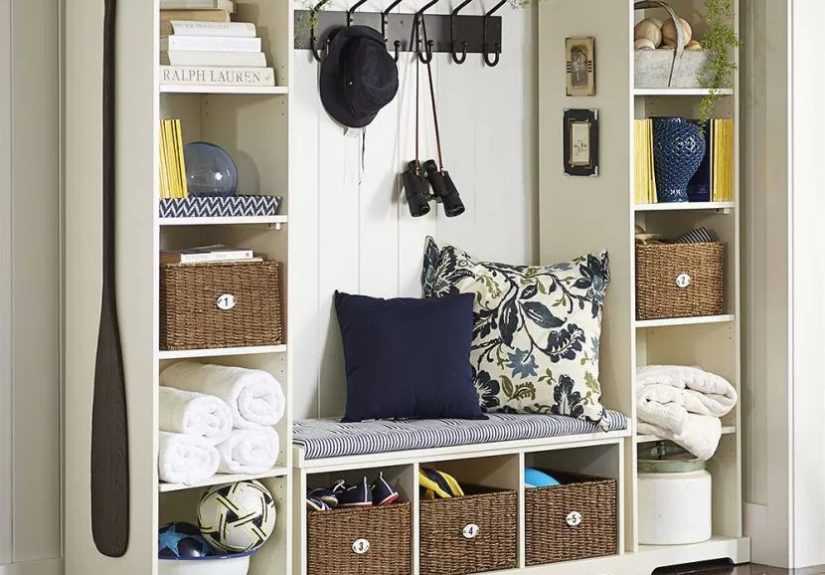
If you love a clean, custom look, a built-in dog bed nook is ridiculously charming. Think mudroom cubbies with a lower “pet garage,” under-stairs nooks, or bench seating with a cozy opening below. Built-ins can:
- Keep the bed out of high-traffic paths (fewer trips, fewer “Sorry, buddy!” moments).
- Blend with cabinetry so your home looks styled, not like a pet store aisle.
- Create a den-like space that many dogs naturally prefer.
Movable beds are still excellentespecially if your dog likes to rotate nap locations like they’re touring your home. Many people keep one “main” bed plus a smaller mat or crate pad for flexibility.
How to Choose the Right Dog Bed (Without Overthinking It… Too Much)
The best dog bed is the one your dog will actually use. Start with three practical checks:
1) Size and Sleep Style
Measure your dog from nose to tail base and add a little room. Then watch how they sleep:
- Sprawlers do well with flat mattresses or oversized loungers.
- Curlers often love bolsters or donut-style beds for that tucked-in feel.
- Head-resters appreciate sofa beds or bolstered sides.
2) Support (Especially for Seniors and Big Dogs)
Orthopedic bedsoften made with memory foam or supportive foam layerscan distribute weight more evenly and reduce pressure points. They’re popular for older dogs and dogs with arthritis or hip concerns, but they can be comfortable for just about any dog who enjoys a supportive “sink-in-but-not-stuck” surface.
3) Cleaning and Durability
Real talk: washable covers are the MVP feature. Look for a removable cover, sturdy stitching, and ideally a waterproof liner if your dog is prone to accidents or post-bath zoomies directly into bed.
For chewers, focus on tougher covers and designs that hide zippers and seams. “Chew-resistant” is a more realistic goal than “chew-proof,” because determined dogs treat product claims like a personal challenge.
Cooling, Non-Slip Bases, and Other “Nice-to-Haves”
If your dog runs hot, cooling beds come in a few common styles: elevated cots for airflow, gel-infused toppers, or breathable fabrics. If your dog is older or less steady on their feet, a non-slip base can prevent the bed from sliding when they step in and out.
Where to Put the Bed (So Everyone Wins)
Placement matters. Most dogs prefer being near their people without being in the middle of foot traffic. Try:
- Near the family room seating area (social napping is a thing).
- In a quiet corner of an office (great if you work from home).
- In a mudroom nook (ideal for pups who love watching the world go by).
How to Combine These Favorites Into One Seriously Smart Setup
If you want a weekend project that makes a noticeable difference, here’s a simple plan:
- Create a “hide-and-display” storage wall: Install or place a bookcase/cabinet with a sliding door so you can hide the busy stuff. Use the open portion for books and décor.
- Assign one shelf to pet life: leashes, wipes, treats, grooming toolseverything in a bin. Slide the door shut when you want the room to look calm.
- Add the dog bed nearby: either a built-in nook under a bench or a supportive bed beside the bookcase. The dog gets comfort; you get a cleaner layout.
- Anchor tall furniture: especially anything bookcase-shaped. Safety is the best kind of invisible upgrade.
Quick FAQs
Do I really need a floor guide for a sliding door on a bookcase?
If you want the door to slide smoothly without wobbling, a guide helps a lot. Some setups use a floor guide; others use a side guide or an integrated channel. The goal is stability.
Will a sliding door scratch my shelves or décor?
It can if the door isn’t aligned or if hardware is loose. Proper spacing, stoppers, and smooth rollers prevent most issues. Keep décor slightly back from the door path if clearance is tight.
How often should I wash my dog bed cover?
Depends on your dog’s lifestyle (and their relationship with mud). Many pet owners wash covers every couple of weeks, more often during shedding season or rainy weather. A removable cover makes this dramatically easier.
Wrap-Up: A Home Upgrade for You and Your Dog
A sliding door bookcase is one of those upgrades that feels instantly “grown-up”because it makes your space look organized even when life isn’t. Pair it with a doggie bed you’ve actually thought through (support, washability, placement), and you’ll notice the difference daily: less clutter stress, more cozy calm, and a dog who’s happily snoozing like they’ve conquered the world.
That’s a Friday favorite worth repeating.
Real-Life Friday Favorites: 5 Mini “Yep, That Happened” Moments (Extra Stories & Experiences)
Below are a few common, very real scenarios homeowners and pet parents share when they make these exact upgradesbecause inspiration is great, but the “how it actually plays out” part is where the magic (and comedy) lives.
1) The Video Call Save. Someone sets up a sliding door bookcase behind their desk, styling the open side with books and a plant that looks healthy enough to be believable. The hidden side? Printer paper, backup notebooks, and a snack stash that could survive a minor apocalypse. During a last-minute Zoom, they slide the door just slightly to cover the “miscellaneous zone” and suddenly look like a person who alphabetizes receipts for fun. Nobody knows the truth. Everyone benefits.
2) The “Where Did All This Stuff Come From?” Shelf. A sliding door bookcase tends to reveal a household phenomenon: once you have a place to hide clutter, you discover how much clutter you actually own. The win isn’t pretending you’re minimal it’s corralling the chaos. People often start by storing games, cables, and mail under the sliding panel… then graduate to labeled bins: “DOG,” “TOOLS,” “BATTERIES,” and the classic “IMPORTANT??” (two question marks are recommended for accuracy).
3) The Dog Bed That Finally Sticks. Many pet parents report buying a bed their dog ignores… until they match the bed to the dog’s sleep style. Curlers suddenly adore bolsters. Sprawlers stop hanging half off the edge once the bed is sized up. Older dogs often look genuinely relieved when they get a supportive foam surface that’s easier on joints. The funniest part? Once the dog accepts the bed, they sometimes drag their favorite toy onto it like they’re “decorating.” Interior design, but make it squeaky.
4) The Built-In Nook That Becomes the House VIP Lounge. A built-in dog bed under a bench or cabinet looks adorableuntil it becomes the most in-demand seat in the home. Dogs love den-like spaces. Guests love pointing at it and saying, “Awwww.” Kids love climbing in there “just to see what it’s like,” which is when most people learn the value of keeping the nook dimensions “dog-sized” and not “small-human Airbnb.” The best setups often add a washable cushion and a low-lint throw so the nook stays cozy without becoming a fur magnet.
5) The Chewer Negotiation. For dogs who chew, the “perfect bed” is usually a compromise: tough cover, hidden zipper, fewer tempting seams, and sometimes a crate pad that fits so tightly it can’t be pulled up. People who win this battle often do two things: they choose a more durable bed and they provide a legal chewing alternative (toy, bone, enrichment). The dog still tests the rules because that is their jobbut the bed survives long enough for everyone to call it progress.
The big takeaway from these stories is simple: the upgrades work best when they match real life. Sliding doors help you live with stuff without staring at it. A smart dog bed helps your pup rest betterand helps your home feel calmer and more intentional. That’s not just a Pinterest win. That’s an everyday win.