Table of Contents >> Show >> Hide
- What Is the Cincinnati A Cabinet?
- Why This Cabinet Works: Materials That Do the Heavy Lifting
- How to Style the Cincinnati A Cabinet (Without Making It Look Like a Prop)
- Cabinet Shopping Smarts: What “Quality” Really Means
- Measuring and Placement: Make It Look Intentional, Not “I Guess It Fits”
- Care and Maintenance: Keep the Walnut Warm, the Lacquer Crisp, and the Brass Happy
- Safety and Indoor Air: Two Things Most People Forget
- Why “Cincinnati A Cabinet” Feels Like a Style Statement
- Experiences Related to Cincinnati A Cabinet (Real-Life, Not Showroom Life)
- Conclusion
Some furniture names sound like they were pulled from a map during a road trip: “We missed the exit… and somehow bought a cabinet.”
Cincinnati A Cabinet is one of those namesequal parts place, personality, and practical storage. And honestly? That’s the charm.
Whether you’re here because you spotted the product listing and fell for its modern vibe, or you’re simply hunting for a cabinet that doesn’t look like it came free with a cereal box,
this guide covers what the Cincinnati A Cabinet is, why its materials matter, how to style it, what “quality cabinetry” really means, and how to keep it looking sharp for the long haul.
(Spoiler: you don’t need a special “cabinet whisperer,” but you do need to stop putting sweaty glasses directly on lacquer. We’ll get there.)
What Is the Cincinnati A Cabinet?
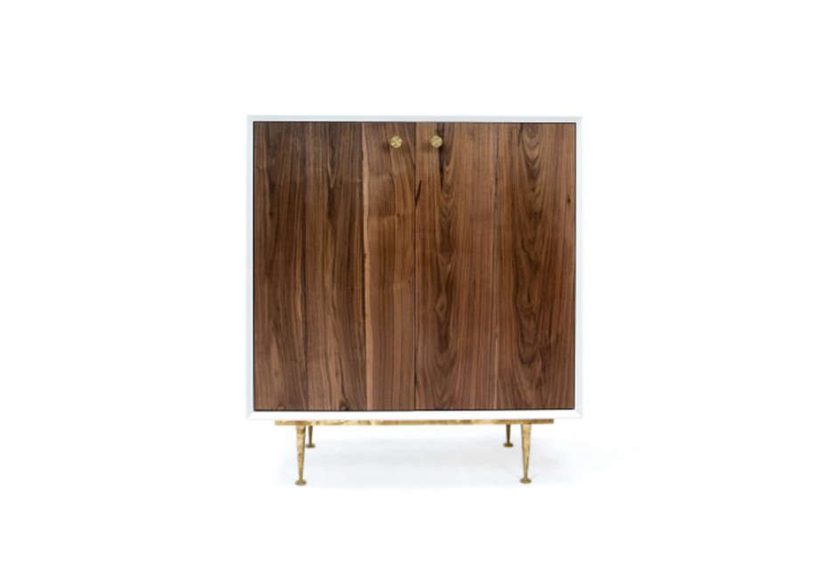
The Cincinnati A Cabinet is a modern storage cabinet designed like a compact sideboard: clean silhouette, two doors, and a “fancy but not trying too hard” materials combo.
Key details typically associated with this piece include a lacquered frame, cast brass handles and feet, and an American walnut front.
It’s sized to work in multiple rooms rather than being locked into one job title like “kitchen base cabinet #14.”
In plain English: it’s a storage piece that can act as an entryway drop zone, dining room sideboard, bar cabinet, media console (depending on your setup), or a “hide the clutter before guests arrive” miracle worker.
Quick Specs Snapshot (Why Size Actually Matters)
- Doors: Two
- Primary materials: Lacquered frame, American walnut front, cast brass handles/feet
- Overall vibe: Modern, warm wood + crisp finish + metallic accent
- Best use cases: Entry, dining, living room, office, bedroom
Why This Cabinet Works: Materials That Do the Heavy Lifting
Good design isn’t just “pretty.” It’s also physics, chemistry, and a little bit of human nature (you will slam a door at least once when you’re late).
Cincinnati A Cabinet leans on three materials that bring different strengths to the party: lacquer for crispness, walnut for warmth, and brass for that subtle glow that makes everything feel more “designed.”
American Walnut Front: Warm, Durable, and Not Loud About It
Walnut is one of the most loved furniture woods for a reason: it reads as rich and “expensive” without screaming for attention.
Visually, walnut tends to range from warm medium brown to deeper chocolate tones, and it plays well with both light walls and moody paint colors.
It’s also reasonably resistant to everyday bumps and dingsstrong enough for real life, not just showroom life.
Design tip: walnut’s warmth balances modern spaces that might otherwise feel a little sterile. If your room has lots of black, white, chrome, or glass, walnut is the friend who brings snacks and a sweater.
Lacquered Frame: Clean Lines, Big Payoff
Lacquer is often chosen because it creates a smooth, even film that can look sleek and modern. It’s the finish equivalent of a sharp haircut:
everything looks more intentional. A lacquered frame can also offer a bit of moisture resistance compared to bare woodhelpful in spaces where hands, humidity, or “oops, I spilled” moments happen.
But lacquer is also the kind of finish that appreciates gentle treatment. Think: microfiber cloth, mild soap, no aggressive chemicals, and a strong preference for coasters.
If you want the cabinet to stay glossy and unbothered, keep it away from direct sunlight and heat sources where finishes can age faster.
Cast Brass Handles + Feet: The Glow-Up Detail
Brass is the difference between “nice cabinet” and “wait, where did you get that?” It adds warmth, depth, and a soft shine that pairs beautifully with walnut.
Over time, brass can develop patina (a natural darkening/aging). Some people adore that lived-in look. Others want it bright forever.
Either choice is valid. The key is knowing what kind of brass finish you have and cleaning accordingly.
How to Style the Cincinnati A Cabinet (Without Making It Look Like a Prop)
Styling a cabinet isn’t about buying a thousand tiny objects and arranging them like a museum exhibit.
It’s about giving the cabinet a job, then letting it look good while doing it.
1) Entryway: The “Drop Zone That Doesn’t Look Like a Drop Zone”
Place the cabinet near the front door and use the inside to hide the usual suspects: spare keys, mail, dog leashes, reusable bags, and that one mysterious charger nobody claims.
Top it with a tray for daily items, plus a mirror above to bounce light and make the space feel bigger.
2) Dining Room: Sideboard Energy in a Smaller Footprint
In a dining space, Cincinnati A Cabinet can hold linens, candles, serving platters, and backup glassware.
Keep the top mostly clear so it can double as a serving station. Add one statement piece (a lamp or vase) and one practical piece (a tray or bowl).
Two items. That’s it. You’re not auditioning for a home décor reality show.
3) Living Room: A Calm Alternative to Open Shelving Chaos
Closed storage is the unsung hero of a peaceful living room. Use the cabinet for board games, controllers, cords, and anything else that tends to multiply when you’re not watching.
The walnut front keeps it warm; the lacquer and brass keep it modern.
4) Home Office: Hide the “Paper Pile of Doom”
If your desk is where productivity goes to get distracted, a cabinet can save you. Store printer paper, notebooks, files, camera gear, or a labeled set of bins.
The cabinet becomes the boundary: desk stays for today, cabinet holds everything else.
Cabinet Shopping Smarts: What “Quality” Really Means
Even if you’re specifically interested in Cincinnati A Cabinet, it helps to know the basics of cabinet qualitybecause the same principles apply whether you’re buying a sideboard or building a whole kitchen.
Materials, construction, hardware, and finishes determine how a cabinet looks after year one… and after year ten.
Materials: Solid Wood vs. Plywood vs. MDF vs. Particleboard
- Solid wood: Great for frames and doors, but large panels can move with humidity. Quality builds manage this with smart joinery and stable construction.
- Plywood: Often used for cabinet boxes in higher-end builds because it’s strong and more resistant to warping.
- MDF: Very smooth, great for painted finishes, and stable when properly sealedcommon in modern cabinetry.
- Particleboard: Budget-friendly and can perform fine in low-moisture situations, but generally less durableespecially if it gets wet.
Bonus reality check: composite wood products (like MDF and particleboard) can be regulated for formaldehyde emissions in the U.S.
If you’re buying cabinetry for a renovation, look for compliant labeling standards from reputable manufacturersespecially if indoor air quality is a top concern.
Stock vs. Semi-Custom vs. Custom: The Choose-Your-Adventure Version
Cabinet buying usually comes in three tiers:
- Stock: Standard sizes, fastest availability, most budget-friendly, but limited options.
- Semi-custom: More sizes and finishes, better fit for “almost normal” spaces (which is most real homes).
- Custom: Built to your exact specs, maximum flexibility, usually the biggest investment.
Cincinnati A Cabinet sits more in the “furniture piece” world than the “kitchen system” world, but the logic holds:
you’re paying for fit, finish, and the little details (like hardware and craftsmanship) that affect daily use.
Refacing vs. Replacing: The Remodel Shortcut Many People Miss
If you’re inspired by Cincinnati A Cabinet and suddenly your whole kitchen feels outdatedwelcome to the club.
Before you rip everything out, know this: cabinet refacing can be a faster, less disruptive update when your cabinet boxes are still solid.
Refacing typically focuses on new doors/drawer fronts and updated exterior surfaces, while replacement changes the full layout and structure.
Measuring and Placement: Make It Look Intentional, Not “I Guess It Fits”
A cabinet can be beautiful and still be annoying if doors smack into walls, feet block vents, or the piece floats awkwardly with no breathing room.
Use these practical placement checks:
- Door swing clearance: Make sure the doors can open fully without hitting a wall or furniture.
- Walkway space: Leave comfortable passing roomespecially in entryways and dining areas.
- Wall alignment: Center it under artwork, mirrors, or a window when possible for visual balance.
- Rug sizing: If it sits on a rug, the cabinet’s front feet should typically rest on the rug for stability (or keep the rug entirely under it).
If you’re comparing cabinet sizes generally, standard kitchen base cabinets are often discussed around a 34.5-inch height (before countertop) and about 24 inches deepuseful reference points when imagining scale in a room.
Furniture cabinets like Cincinnati A Cabinet can feel more “lightweight” than full kitchen cabinetry because they don’t usually include countertops or bulky fillers.
Care and Maintenance: Keep the Walnut Warm, the Lacquer Crisp, and the Brass Happy
Here’s the good news: you don’t need a complicated routine. You need consistency and a few “don’t do this” rules.
Lacquer Care (The Gentle-But-Regular Plan)
- Dust often: Use a soft microfiber cloth to prevent tiny grit from acting like sandpaper.
- Wipe with mild soap: A damp cloth with a drop of dish soap is usually enough.
- Avoid harsh cleaners: Skip ammonia, alcohol-heavy sprays, and abrasive pads.
- Protect from heat and sun: Use coasters; avoid placing it in direct sunlight for long periods.
Walnut Care (A Little Respect Goes a Long Way)
- Control humidity: Try to keep indoor humidity reasonably steady so wood doesn’t expand/contract dramatically.
- Use felt pads: Under décor, lamps, or anything that could scratch when nudged.
- Clean spills fast: Walnut is forgiving, but finishes aren’t invincible.
Brass Care (Shiny or PatinaPick a Team)
First, figure out if the brass is lacquered/coated or meant to age naturally. If it’s lacquered, aggressive polishing can damage the coating.
If it’s unlacquered, it may darken over timeand that’s not “dirty,” that’s chemistry.
For routine cleaning, mild soap and a microfiber cloth are usually safe.
Safety and Indoor Air: Two Things Most People Forget
1) Tip-Over Prevention (Especially in Homes with Kids)
Any freestanding storage piece can become a climbing temptation, and tip-overs are a real household hazard.
If the cabinet is tall-ish, top-heavy, or placed where kids might pull on it, anchoring it to the wall is a smart move.
Use an appropriate anti-tip device and mount into studs when possible.
2) Composite Wood Emissions (For Renovations and Big Cabinet Projects)
If you’re shopping for built-in cabinetry (kitchen, bath, closets), it’s worth knowing that U.S. regulations exist for formaldehyde emissions from certain composite wood products.
Buying from reputable manufacturers and confirming compliance labeling can help you feel better about what’s in your indoor airespecially in freshly remodeled spaces.
Why “Cincinnati A Cabinet” Feels Like a Style Statement
The name may sound playful, but the look is serious in the best way: modern lines, warm walnut, and brass accents that glow without going full disco.
It’s the kind of piece that can slide into multiple design styles:
midcentury modern, Japandi, modern traditional, minimalist, or even eclecticas long as you keep the surrounding clutter under control.
(Yes, your cabinet can look gorgeous. No, it cannot hide seventeen random cords if you never open the doors.)
If you want one takeaway: Cincinnati A Cabinet works because it’s balanced. Crisp and warm. Clean and textured. Practical and polished.
That’s the sweet spot of furniture that lasts longer than a trend cycle.
Experiences Related to Cincinnati A Cabinet (Real-Life, Not Showroom Life)
Living with a cabinet like the Cincinnati A Cabinet tends to teach you one surprising lesson: storage furniture isn’t only about where things goit’s also about how you live.
The first “experience” most people have is the instant relief of closed doors. Open shelving looks amazing online, but in real homes it becomes a documentary series called
“Why Do We Own This Many Mugs?” A two-door cabinet gives you a clean visual reset. You can keep the room calm even when your life isn’t.
The second experience is discovering how the cabinet changes your daily routine. In an entryway, you stop dumping mail on the nearest surface because the cabinet top becomes a deliberate landing pad.
Add a tray, and suddenly keys, sunglasses, and earbuds have a “home.” Inside, you can stash the stuff you need but don’t want to see: extra tote bags, spare batteries, returns you keep forgetting to make.
That last one might still haunt you, but at least it’s hidden.
In a dining room, the cabinet becomes a “host mode” switch. People often describe this moment: guests are coming, and instead of panic-cleaning the whole house,
you slide candles, napkins, and serving tools into the cabinet, then set the top with one vase or a bowl.
The room looks finished in minutes. The cabinet isn’t just storageit’s speed and sanity.
Then there’s the hands-on experience of the materials. Walnut has this warm, grounded feel that makes a room more comfortable, especially in modern spaces with lots of hard surfaces.
People notice they’re drawn to it visually (and yes, sometimes physicallylike a “wow, that’s smooth” hand swipe when they walk by).
Brass details add a subtle richness too. Over time, many owners realize brass is a personality test: do you love the evolving patina, or do you prefer a consistent shine?
Either way, the experience teaches you to clean gently. Harsh cleaners don’t just “clean”; they can erase character or damage protective coatings.
Lacquer brings its own set of experiencesmostly positive, with a few “note to self” moments. The cabinet looks crisp and polished, but it also reveals fingerprints more than a matte finish would.
The good news is that a quick wipe fixes it. The real lesson is that lacquer likes calm conditions: use coasters, avoid placing it where blazing afternoon sun hits it every day,
and don’t let wet items sit. People who follow those habits usually find the cabinet stays looking sharp longer, while those who treat it like a gym locker
eventually learn the hard way that finishes have feelings too.
Finally, there’s the experience you don’t think about until you’re doing it: moving and positioning. A cabinet with brass feet and a lacquered frame deserves a little care during setup.
The “best practice” experience is sliding felt pads under contact points, measuring door swing clearance before you commit, and anchoring it if the household includes kids or the cabinet feels top-heavy.
That last step isn’t glamorous, but it’s the kind of responsible detail that lets you enjoy the cabinet without worry. In the end, the most common real-life review is simple:
“It made the room feel put together.” And for a piece of furniture, that’s basically a standing ovation.
Conclusion
Cincinnati A Cabinet is more than a catchy nameit’s a smart, modern storage piece built around a timeless formula: warm walnut, crisp lacquer, and brass accents that elevate the whole look.
Style it with restraint, measure it with intention, and treat the finish with gentle care, and you’ll get what everyone actually wants from furniture:
something that works hard, looks good, and doesn’t demand your full-time attention.