Table of Contents >> Show >> Hide
- What Is Galangal Root?
- Galangal Root Nutrition and Active Compounds
- Potential Benefits of Galangal Root
- How to Use Galangal Root in Cooking
- Galangal vs. Ginger: What Is the Difference?
- Side Effects and Safety Considerations
- How Much Galangal Should You Use?
- Buying and Storing Galangal Root
- Simple Ways to Add Galangal to Meals
- Who Should Be Careful With Galangal?
- Is Galangal Root Worth Trying?
- Real-Life Experiences With Galangal Root
- Conclusion
Galangal root looks like ginger’s rugged cousin who spent a semester abroad in Thailand, learned to surf, and came back smelling like citrus, pepper, pine, and confidence. This knobby rhizome is a star ingredient in Thai, Indonesian, Malaysian, Vietnamese, Cambodian, and other Southeast Asian cuisines. It brings brightness to soups, depth to curries, and a sharp herbal punch that says, “Yes, this dish has personality.”
But galangal is more than a flavor bomb. For centuries, different forms of galangal have been used in traditional wellness systems for digestion, colds, inflammation, and general vitality. Today, researchers are studying compounds in galangal root for antioxidant, anti-inflammatory, antimicrobial, and other possible health-supporting properties. The key word is possible. Galangal is exciting, but it is not a magical cure, a substitute for medical care, or a tiny beige wizard hiding in your soup bowl.
This guide breaks down what galangal root is, its potential benefits, how to use it in food, what side effects to watch for, and how to enjoy it safely.
What Is Galangal Root?
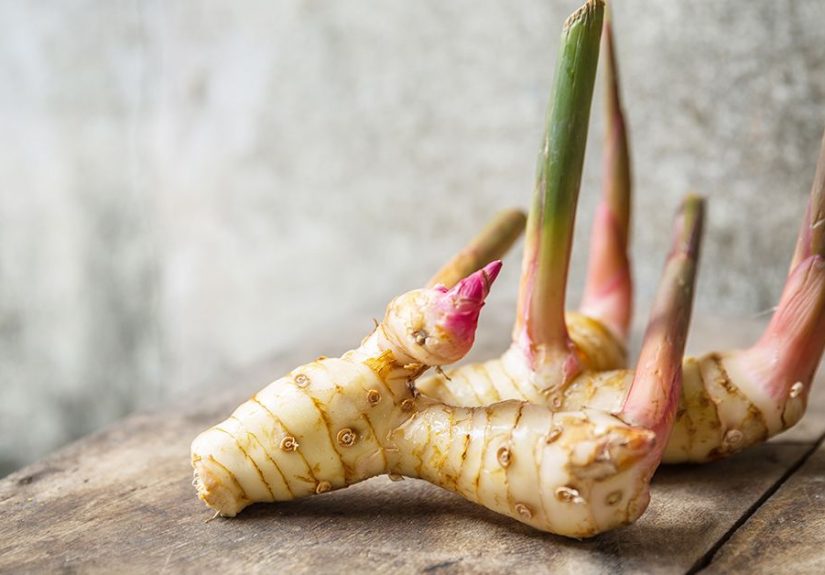
Galangal root is the edible rhizome of plants in the ginger family, commonly linked with species such as Alpinia galanga, often called greater galangal, and Alpinia officinarum, often called lesser galangal. Although people sometimes call it “Thai ginger,” galangal is not simply ginger wearing a different hat. It has its own flavor, texture, and culinary role.
Fresh galangal is firmer and more fibrous than ginger. Its flavor is sharper, more peppery, and more citrusy, with earthy and pine-like notes. Ginger tends to taste warmer and sweeter, while galangal tastes brighter, drier, and more aromatic. In cooking, that difference matters. Swap ginger for galangal in tom kha gai, and the soup may still be tasty, but it will lose some of its classic sparkle.
Common Types of Galangal
Greater galangal is the type most often used in Southeast Asian cooking. It appears in Thai soups, curry pastes, Indonesian spice blends, and marinades.
Lesser galangal is smaller and often associated with traditional herbal use. It has a more intense taste and is common in certain Chinese and herbal preparations.
Sand ginger, or Kaempferia galanga, is another related plant used in some Asian cuisines and traditional practices, though it is not identical to greater galangal.
Galangal Root Nutrition and Active Compounds
Galangal is usually eaten in small amounts, so it is not a major source of calories, protein, or carbohydrates in a typical meal. Its real value comes from flavor and plant compounds. Galangal contains natural antioxidants and phytochemicals, including flavonoids and phenolic compounds. One of the best-known compounds connected with galangal is galangin, a flavonoid researchers have studied for antioxidant, anti-inflammatory, and cell-protective activity.
Galangal also contains aromatic oils that help create its bold fragrance. These oils contribute to its culinary appeal and may play a role in some of the biological activities researchers are exploring. Still, the amount you get from a bowl of soup is not the same as the concentrated extracts used in laboratory studies. Translation: enjoy the soup, but do not expect your lunch to behave like a clinical trial.
Potential Benefits of Galangal Root
Galangal root has a long history of use, and modern research is beginning to investigate why it earned such a respected place in traditional kitchens and herbal cabinets. Many studies so far are test-tube, animal, or early-stage human research. That means the findings are interesting, but they should be viewed with realistic expectations.
1. Rich in Antioxidant Compounds
Antioxidants help protect the body from oxidative stress, a process linked with aging and many chronic health concerns. Galangal contains antioxidant compounds such as flavonoids and phenolic acids. These plant chemicals may help neutralize free radicals and support overall cellular health.
That does not mean galangal alone can prevent disease. A healthier way to think about it is this: galangal can be one flavorful part of an antioxidant-rich diet that also includes fruits, vegetables, herbs, spices, whole grains, nuts, and legumes. It is not the whole orchestra, but it plays a pretty memorable instrument.
2. May Help Support a Healthy Inflammatory Response
Inflammation is part of the body’s natural defense system, but ongoing inflammation can contribute to discomfort and health problems over time. Some compounds in galangal have shown anti-inflammatory activity in preliminary research. Scientists have looked at galangal extracts and related compounds for their effects on inflammatory pathways.
For everyday readers, the practical takeaway is simple: using galangal in cooking may be a smart addition to a diet focused on colorful, plant-based, minimally processed foods. However, galangal supplements should not be used as a replacement for prescribed treatments for arthritis, autoimmune conditions, chronic pain, or inflammatory disease.
3. May Support Digestive Comfort
Traditional medicine systems have often used galangal for digestive complaints such as gas, stomach discomfort, nausea, and sluggish digestion. In food, galangal’s aromatic qualities can make rich dishes feel brighter and more balanced. That is one reason it works so beautifully in coconut-based soups and curries.
From a modern nutrition perspective, bitter, pungent, and aromatic ingredients may help stimulate appetite and make meals more satisfying. Some people find galangal tea or broth soothing, especially when the flavor is kept gentle. Others may find it too strong, particularly if their stomach is sensitive. Your digestive system gets a vote, and sometimes it votes loudly.
4. May Have Antimicrobial Properties
Several laboratory studies have examined galangal extracts for activity against certain bacteria and fungi. This does not mean galangal can disinfect food, treat infections, or replace antibiotics. It does suggest that some natural compounds in the root may have antimicrobial potential worth studying further.
In the kitchen, galangal is often paired with other aromatic ingredients such as lemongrass, garlic, chiles, kaffir lime leaves, turmeric, and shallots. These combinations do more than taste good; they also reflect a long culinary tradition of using fragrant plants to create balanced, vibrant meals.
5. May Support Brain and Cognitive Health
Some early research has explored whether galangal compounds may influence alertness, memory, or brain health. Antioxidant-rich foods and spices are often studied because oxidative stress is one factor involved in brain aging. Galangal’s flavonoids and related compounds make it an interesting candidate for future research.
For now, the best brain-supporting habits remain the classics: sleep, movement, balanced meals, hydration, learning new things, social connection, and managing stress. Galangal can join the dinner party, but it should not be asked to carry the entire guest list.
6. May Play a Role in Heart-Healthy Eating
Galangal itself is not a heart medication. However, it can make healthy cooking more exciting. That matters because many people know they should eat more vegetables, lean proteins, soups, and home-cooked meals, but they get bored. Galangal adds complexity without relying heavily on sugar, excess salt, or heavy sauces.
Try adding sliced galangal to vegetable broth, seafood soup, chicken soup, or tofu curry. It gives dishes a restaurant-level aroma and may help you enjoy lighter meals more often. Flavor is not a small detail in healthy eating; it is the steering wheel.
7. May Support Male Fertility Markers in Early Research
Some studies have looked at galangal and related extracts for effects on male fertility markers, such as sperm count and motility. The research is still limited, and results should not be stretched into big promises. Anyone dealing with fertility concerns should speak with a qualified healthcare professional rather than relying on herbs or supplements alone.
As a food ingredient, galangal is safe for many people in normal culinary amounts. As a concentrated supplement, it deserves more caution, especially when health conditions or medications are involved.
How to Use Galangal Root in Cooking
Fresh galangal is the gold standard for flavor. It is usually sliced, crushed, grated, or pounded into curry paste. Because it is fibrous, large slices are often used to flavor soups and then removed before eating. Think of it like a bay leaf with biceps.
Fresh Galangal
Fresh galangal has the strongest and most complex flavor. Look for firm, smooth pieces without mold, soft spots, or excessive drying. Young galangal is paler and slightly more tender, while older galangal is tougher and more intense.
Use fresh galangal in tom kha gai, tom yum soup, coconut curries, beef rendang, stir-fry pastes, seafood marinades, and homemade broth. Slice it thinly across the grain, or pound it with lemongrass, garlic, shallots, chiles, and lime zest for a fragrant paste.
Dried Galangal
Dried galangal is convenient and shelf-stable. It works well in soups, teas, broths, and slow-cooked dishes. The flavor is less lively than fresh galangal, but it still adds warmth and aroma. Soak dried slices in warm water before cooking if you want them to release flavor more quickly.
Galangal Powder
Galangal powder is easy to use but should be handled gently. A little goes a long way. Add it to spice rubs, curry blends, noodle soups, sauces, and marinades. Because powder can taste dusty or bitter if overused, start small and adjust gradually.
Galangal Tea
Galangal tea can be made by simmering a few thin slices of fresh or dried galangal in water for 5 to 10 minutes. Some people add honey, lemon, or lemongrass. Keep the flavor mild at first, especially if you are new to galangal or have a sensitive stomach.
Galangal vs. Ginger: What Is the Difference?
Galangal and ginger are related, but they are not twins. Ginger is juicy, spicy, slightly sweet, and warming. Galangal is firmer, more peppery, more citrusy, and more resinous. Ginger blends easily into baked goods, teas, stir-fries, and sauces. Galangal shines in Southeast Asian soups, curry pastes, and coconut-based dishes.
If a recipe specifically calls for galangal, ginger can work in an emergency, but the flavor will change. If your tom kha soup tastes flat, missing galangal may be the reason. The soup knows. The soup always knows.
Side Effects and Safety Considerations
Galangal root is generally considered safe for most people when used in normal food amounts. Side effects are more likely when galangal is taken in large amounts, used as a concentrated extract, or combined with medications.
Possible Digestive Upset
Some people may experience stomach discomfort, heartburn, nausea, or diarrhea after consuming strong herbs or spices. If you are sensitive to ginger, turmeric, or other pungent foods, start with small amounts of galangal.
Allergic Reactions
Allergic reactions to galangal appear uncommon, but they are possible. Stop using it and seek medical advice if you notice swelling, itching, rash, breathing trouble, or other concerning symptoms after exposure.
Medication Interactions
Because herbal supplements can interact with medications, people who take blood thinners, diabetes medication, blood pressure medication, or drugs with narrow safety margins should ask a healthcare professional before using galangal supplements. Culinary use in small amounts is different from concentrated capsules, tinctures, or extracts.
Pregnancy, Breastfeeding, and Children
Galangal used as a normal food ingredient is likely very different from medicinal doses. Pregnant or breastfeeding people and children should avoid high-dose galangal supplements unless a qualified clinician says otherwise. Many herbal supplements have not been well tested in these groups.
Before Surgery
If you use herbal supplements, tell your healthcare provider before surgery. Some herbs and supplements may affect bleeding, blood sugar, blood pressure, or anesthesia. This is not the time for your spice cabinet to keep secrets.
How Much Galangal Should You Use?
There is no standard medical dose for galangal root. For cooking, use the amount called for in a recipe. A few slices in soup or a small amount in curry paste is common. For tea, start with one or two thin slices in a cup or small pot of water, then adjust based on taste and tolerance.
For supplements, follow label directions and speak with a healthcare professional, especially if you have a medical condition or take medication. More is not automatically better. With strong herbs, “just enough” is usually the sweet spot.
Buying and Storing Galangal Root
You can often find fresh galangal at Asian grocery stores, specialty markets, international supermarkets, and sometimes in the produce section of well-stocked grocery stores. It may also be sold frozen, dried, powdered, or as part of curry paste.
Fresh galangal should feel firm and heavy for its size. Avoid pieces that are mushy, moldy, or shriveled. Store fresh galangal in the refrigerator wrapped in a paper towel and placed in a bag or container. For longer storage, slice it and freeze it. Frozen galangal works very well in soups and curries, and it saves you from discovering a forgotten rhizome fossil in the back of the fridge.
Simple Ways to Add Galangal to Meals
Make a Quick Soup Base
Simmer sliced galangal with lemongrass, lime leaves, garlic, and broth. Add mushrooms, chicken, tofu, shrimp, or vegetables. Finish with lime juice and herbs for a bright, comforting bowl.
Upgrade a Marinade
Combine grated galangal with garlic, lime juice, a little oil, soy sauce or fish sauce, and a touch of brown sugar. Use it for chicken, fish, tofu, or vegetables before grilling or roasting.
Add It to Curry Paste
Pound galangal with chiles, shallots, lemongrass, garlic, coriander root, and spices. The result is fresher and more fragrant than many store-bought pastes.
Steep It in Tea
For a simple herbal drink, simmer galangal with lemongrass and lemon. Add honey if desired. Keep it mild unless you enjoy beverages that taste like they are giving your sinuses a motivational speech.
Who Should Be Careful With Galangal?
Most healthy adults can enjoy galangal in food. Extra caution makes sense for people who are pregnant or breastfeeding, have bleeding disorders, take prescription medications, have chronic digestive conditions, are preparing for surgery, or are considering high-dose supplements.
Also be careful with essential oils. Galangal essential oil is much more concentrated than the root used in cooking. Essential oils should not be swallowed unless directed by a qualified professional, and they should be diluted properly before topical use.
Is Galangal Root Worth Trying?
Absolutely, especially if you enjoy bold, aromatic cooking. Galangal can turn a basic broth into something layered and memorable. It adds a signature Southeast Asian flavor that is hard to duplicate with any other ingredient. From a wellness perspective, galangal contains interesting plant compounds, but the strongest reason to use it is simple: it makes healthy food taste better.
That is not a small benefit. People are more likely to stick with nourishing eating habits when meals are exciting. Galangal brings brightness, depth, and a little culinary dramathe good kind, not the “who left the blender lid loose?” kind.
Real-Life Experiences With Galangal Root
My first experience with galangal was not graceful. I bought it because a Thai soup recipe said it was essential, and I thought, “How different can it be from ginger?” That confidence lasted about seven seconds. The knife hit the root, the root fought back, and I realized I had brought home the hardwood flooring of the spice world. Fresh galangal is firm, fibrous, and not interested in your schedule. But once it hit the pot with lemongrass, coconut milk, mushrooms, and lime, the whole kitchen changed. The smell was bright, peppery, and clean, like the soup had opened a window.
That is the first lesson: galangal is not always pleasant raw, but it becomes beautiful when used correctly. Bite into a thick chunk by mistake, and you may wonder if you are chewing a scented pencil. Simmer it gently in broth, and it releases an aroma that makes the dish feel complete. For soups, I now slice it into coins, bruise the pieces with the side of a knife, and let them infuse the liquid. Before serving, I remove the big pieces or warn everyone at the table. This is called hospitality.
The second lesson is that galangal works best with friends. Lemongrass gives it freshness. Lime gives it sparkle. Garlic and shallots bring savory depth. Coconut milk softens its sharp edges. Chiles give it heat. On its own, galangal can seem stern. In a balanced dish, it becomes the cool, mysterious character everyone wants to know more about.
I have also tried galangal tea during colder months. A mild version with two thin slices, lemongrass, and lemon felt warming without being heavy. A stronger version, made with too much powder, tasted like my mug was trying to win an argument. Powdered galangal is useful, but it needs restraint. Fresh or frozen slices are easier to control and usually taste cleaner.
For everyday cooking, frozen galangal has become the most practical option. I slice fresh pieces, freeze them in a small bag, and toss a few into soup whenever needed. There is no peeling drama, no last-minute grocery hunt, and no sad discovery that the fresh root dried out before I used it. Frozen galangal keeps enough flavor for home cooking and makes weeknight meals feel more special.
From a wellness perspective, my experience is realistic: galangal makes meals more satisfying, aromatic, and interesting. That alone can support better eating because healthy food should not taste like a punishment. I do not treat galangal as medicine. I treat it as a powerful kitchen ingredient with a long traditional history and promising research behind it. Used that way, it is easy to appreciate. It is bold, useful, slightly stubborn, and absolutely worth making space for in the freezer.
Conclusion
Galangal root is a flavorful rhizome with deep roots in Southeast Asian cooking and traditional wellness practices. Its potential benefits come from antioxidant and anti-inflammatory compounds, along with aromatic oils that give it a bold, unforgettable flavor. Research suggests galangal may support digestive comfort, healthy inflammation balance, antimicrobial activity, and overall wellness, but many claims still need stronger human studies.
The best way to enjoy galangal is through food: soups, curries, marinades, teas, broths, and spice pastes. Use supplements carefully, especially if you take medication, are pregnant or breastfeeding, have a medical condition, or are preparing for surgery. In normal culinary amounts, galangal is a delicious way to make meals brighter, healthier, and far less boring.
Editorial note: This article is based on a synthesis of reputable nutrition, food safety, medical, and peer-reviewed research sources. It is for general educational publishing and should not replace personalized medical advice from a qualified healthcare professional.