Table of Contents >> Show >> Hide
- Why Swedish Botanicals Feel So Right Right Now
- The Signature Look of Swedish Botanical Decor
- How to Use Swedish Botanicals in Different Rooms
- How to Style the Look Without Turning Your Home Into a Greenhouse Gift Shop
- The Swedish Difference: More Than Just Pretty Flowers
- Common Mistakes to Avoid
- Conclusion: Why This Look Endures
- A Longer Look: Personal Experiences With Swedish Botanicals as Decor
- SEO Tags
Some decorating trends arrive with a drumroll. Swedish botanicals slip in quietly, wearing sensible shoes, carrying a linen tote, and somehow making your whole house look smarter. That is part of their charm. They are not loud in the way neon acrylic art is loud. They do not beg for attention like a velvet sofa in chartreuse. Instead, they do something far more sophisticated: they make a room feel collected, grounded, and just a little bit scholarly, as if the homeowner knows both how to arrange flowers and how to pronounce “herbarium” correctly.
At their best, Swedish botanical prints and botanical-inspired decor combine two things people love right now: the calm practicality of Scandinavian design and the renewed appetite for nature indoors. The result is a style that feels fresh without being trendy, refined without being stuffy, and decorative without collapsing into floral chaos. Think delicate studies of lingonberries, gooseberries, nettles, wildflowers, and leaves. Think pale woods, chalky walls, black frames, soft linen, and a room that seems to exhale the second you walk into it.
This is the real genius of Swedish botanicals as decor: they bring visual life into a space while still behaving themselves. They are art, but they are also order. They are color, but disciplined color. They are nature, but pressed, labeled, and elegantly framed instead of dropping soil on your windowsill. For anyone who has ever killed a fern and still wanted a plant-forward aesthetic, this may be the least judgmental path forward.
Why Swedish Botanicals Feel So Right Right Now
Swedish botanicals work because they sit at the intersection of beauty and usefulness, which is practically the Scandinavian design love language. Traditional botanical illustrations were created to document plants accurately, not merely flatter them. That scientific precision gives them a visual honesty that still feels modern. A stem is not a vague green squiggle. A petal is not decorative fluff. Each detail matters. In interiors, that precision reads as calm, crisp, and intentional.
There is also the larger appeal of Scandinavian decorating itself. American homeowners continue to respond to the Nordic formula of natural light, warm wood, muted color palettes, simple silhouettes, and functional objects that do not feel cold. Swedish botanicals fit that formula perfectly. They add pattern and personality without interrupting the airy, practical rhythm of the room.
They Bring in Nature Without Creating Clutter
One of the most useful things about botanical art is that it delivers the emotional benefits of nature-inspired decorating without asking you to become a full-time plant parent. A vintage botanical chart can soften a modern kitchen. A grid of wildflower studies can warm up a white hallway. A single oversized leaf print can anchor a bedroom with the quiet confidence of someone who never sends a frantic text.
In other words, botanical decor says “I love nature,” but in a calm indoor voice.
They Add History to Newer Spaces
Swedish botanical imagery also brings age and context into homes that might otherwise feel too new, too smooth, or too generic. In a builder-grade room with plain walls and standard trim, botanical prints add narrative. Suddenly the space feels layered. It feels like somebody has interests. It feels like there may be books nearby, possibly stacked rather than shelved, which is always promising.
The Signature Look of Swedish Botanical Decor
Not every flower print qualifies as Swedish botanical decor. The look has some distinct characteristics, and getting them right is what separates “curated Nordic charm” from “guest room at a bed-and-breakfast where the wallpaper is plotting against you.”
1. Natural Subjects With Scientific Detail
Classic Swedish botanical art often features native or familiar plant life rendered with careful realism. Berries, herbs, meadow flowers, seed heads, grasses, branches, mushrooms, and medicinal plants all feel at home here. The appeal lies in the specificity. These are not generic blossoms floating through decorative space. They are observed plants, often shown stem by stem, leaf by leaf.
2. Muted Yet Rich Color
Swedish botanicals tend to use color with restraint. Expect mossy greens, faded reds, soft ochers, inky browns, muted blues, and cream backgrounds. That palette makes them easy to mix with Scandinavian interiors, which often rely on pale oak, white walls, gray textiles, and earthy neutrals. The prints add life without hijacking the room.
3. Vintage School Chart Energy
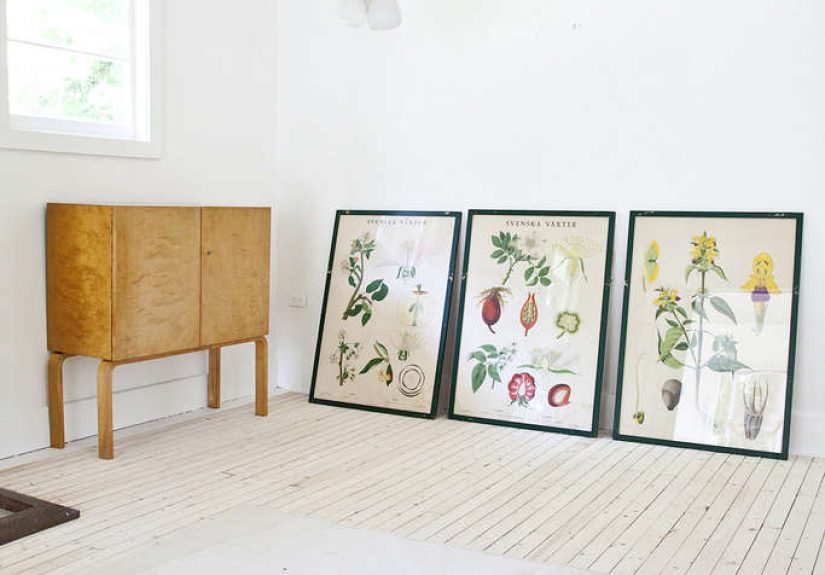
Some of the most compelling Swedish botanical decor comes from old educational charts and botanical plates. These pieces have scale, age, and just enough oddball academic charm to feel collected rather than mass-produced. A large school chart in a breakfast nook or home office can do more heavy lifting than a dozen tiny filler frames.
4. Simple Framing and Clean Presentation
Swedish botanicals look best when the presentation stays disciplined. Black, oak, or painted wood frames work beautifully. So do clip hangers, floating frames, and minimal mats. The point is not to smother the print in decorative fuss. Let the illustration do its job. It has been waiting decades for this moment.
How to Use Swedish Botanicals in Different Rooms
The beauty of this style is its flexibility. Swedish botanical decor can feel rustic, modern, cottage-like, or quietly luxurious depending on what surrounds it.
In the Entryway
An entry is a perfect place for one oversized botanical print or a pair of matched studies. It immediately sets the tone: natural, thoughtful, welcoming, and a little more interesting than the usual mirror-and-console routine. Add a bench in light wood, a ceramic bowl for keys, and a woven runner, and the whole scene feels composed without trying too hard.
In the Living Room
Botanical art shines in living spaces because it softens clean-lined furniture. If your room has a Scandinavian sofa, a jute rug, and a coffee table that could politely be described as “restrained,” botanical prints can keep everything from drifting into showroom seriousness. Try a salon-style arrangement above a sofa, or lean a large chart on a picture ledge with smaller frames layered in front. The mix of organic imagery and simple furniture creates warmth fast.
In the Kitchen and Dining Area
This is arguably where Swedish botanicals become irresistible. Herb studies, berry prints, root vegetables, or wildflower illustrations feel especially appropriate near food and gathering spaces. In a kitchen, they add personality without the gimmick of rooster signs or fake croissants. In a dining room, they can make the space feel cultivated in every sense of the word.
Imagine a row of framed botanical herb studies over a breakfast banquette, paired with linen cushions and a worn wood table. That look says, “Yes, I own olive oil worth talking about,” even if dinner is grilled cheese.
In the Bedroom
Bedrooms benefit from the softness and order of botanical imagery. Choose looser compositions, pale backgrounds, and subjects with gentle linework. A trio of Swedish floral studies over the bed can replace the default abstract art move and make the room feel more personal. Pair them with washed linen bedding, a simple ceramic lamp, and one or two actual plants if you enjoy that sort of challenge.
In the Bathroom
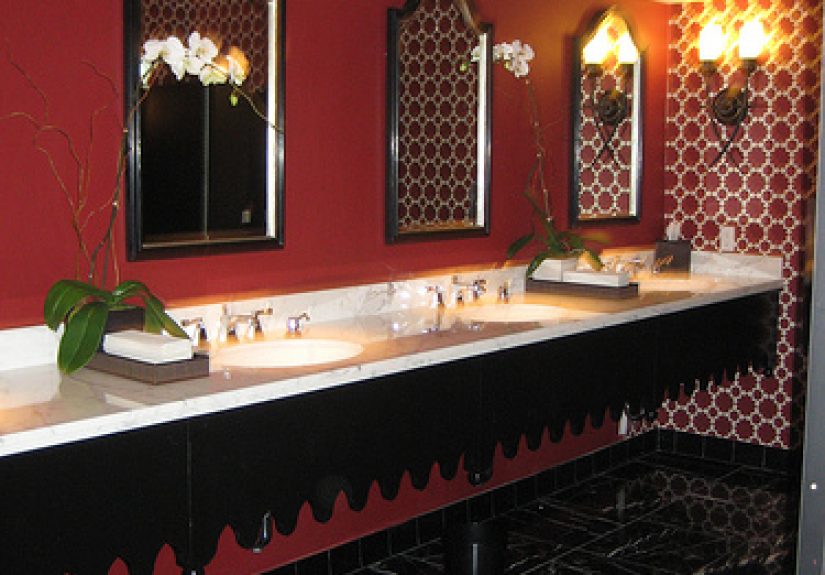
Bathrooms are wonderful places to take a slightly bolder approach. Botanical wallpaper, a gallery wall of plant studies, or one dramatic print can transform a small powder room from forgettable to deliciously atmospheric. In tiny spaces, the focused nature of botanical imagery can feel immersive rather than busy, especially when paired with natural stone, woven shades, or warm metal finishes.
How to Style the Look Without Turning Your Home Into a Greenhouse Gift Shop
The difference between elegant botanical decor and accidental theme decorating is balance. Swedish botanicals should feel integrated into the room, not like a costume.
Pair Prints With Honest Materials
Natural materials are your best friends here: oak, ash, pine, linen, wool, leather, ceramic, plaster, and stone. These surfaces echo the organic quality of the artwork and keep the room feeling tactile. A botanical print over a plastic laminate desk is having a tougher day than it deserves.
Keep the Color Palette Edited
Pull two or three colors from the artwork and let them guide the room. Maybe it is sage, rust, and cream. Maybe it is forest green, bark brown, and dusty blue. This makes the decor feel connected rather than random. You do not need to match everything exactly. This is decorating, not witness protection.
Mix Botanical Art With Modern Shapes
One reason Swedish botanicals feel current is that they look fantastic against contemporary furniture. A streamlined lamp, a sculptural chair, or a blocky side table can sharpen the sweetness of a vintage floral print. That contrast is where the magic happens: old and new, soft and crisp, natural and graphic.
Use Real Plants Sparingly
Yes, real greenery makes sense here, but you do not need a jungle. One branch in a vase, a potted geranium, or a restrained grouping of houseplants is enough. Let the art carry the theme. Otherwise, the room starts feeling like it may ask you to repot something the minute you sit down.
The Swedish Difference: More Than Just Pretty Flowers
What separates Swedish botanicals from generic floral decor is the cultural lens. Swedish design has a long relationship with nature, seasonality, and practical beauty. That sensibility shows up in everything from light-filled interiors to patterned textiles to the botanical references that appear in wallpaper, furniture, and art. Even the more exuberant side of Swedish design, seen in the foliage-rich patterns associated with Josef Frank and other Scandinavian tastemakers, still feels grounded in observation and joy rather than decorative excess.
There is also a historical thread worth appreciating. Botanical studies were never only decoration. They were tools for learning, collecting, classifying, and understanding the natural world. That gives them intellectual weight. Hanging them at home can feel both aesthetically pleasing and subtly educational. Your wall art is not just pretty; it has a thesis.
That may be why the look has such staying power. It satisfies modern cravings for calm, meaning, craftsmanship, and a connection to nature, but it does so through objects that already carry story and structure. It is not trend-chasing. It is taste with roots.
Common Mistakes to Avoid
Going too cute. Swedish botanicals are charming, but they should not become precious. Skip overly sugary frames, fussy bows, or decor that feels themed around “garden party forever.”
Ignoring scale. Tiny prints can disappear on large walls. Oversized charts and grouped series usually have more impact. Do not be afraid to let one substantial piece carry a room.
Mixing too many motifs. If you already have bold floral upholstery, patterned curtains, and leafy wallpaper, adding a gallery wall of botanical studies may be one fern too far. Edit. Breathe. Step away from the tulip.
Making everything match. Swedish botanical decor is most effective when it feels collected over time. A little variation in frame finish, age, or subject matter adds authenticity.
Conclusion: Why This Look Endures
Swedish botanicals as decor are not just another pretty-wall moment. They endure because they solve a real decorating problem: how to make a home feel natural, layered, intelligent, and warm without stuffing it full of visual noise. They offer the discipline of Scandinavian design and the romance of the natural world in one elegant package.
Whether you frame a single vintage wildflower study, hang an oversized school chart in the kitchen, or build an entire room around muted botanical wallpaper and pale wood, the effect is the same. Your home feels calmer. More lived-in. More observant. A little more human. And frankly, any decor style that can make you look tasteful and outdoorsy without requiring hiking boots deserves a standing ovation.
A Longer Look: Personal Experiences With Swedish Botanicals as Decor
The first time I saw Swedish botanical art used well in a home, it completely changed how I thought about floral decor. I had always associated flower prints with either traditional wallpapered dining rooms or generic framed pieces that showed up in furniture catalogs next to suspiciously perfect hydrangeas. But this was different. The room had pale plank floors, a simple wood table, matte black sconces, and a slightly rumpled linen sofa that looked comfortable in a morally superior way. On the wall was a huge botanical chart of berries and leaves. It was not flashy. It was not trying to be cute. Yet it made the whole room feel more finished, more intelligent, and oddly more relaxed.
That is what Swedish botanicals do in real life: they create atmosphere without drama. I have seen them work in tiny apartments, especially in narrow hallways where a vertical plant study makes the wall feel taller and more intentional. I have seen them rescue bland guest rooms by replacing generic abstract art with a set of vintage-looking flower plates in simple oak frames. I have seen them used in kitchens where they instantly made open shelving and everyday ceramics look less accidental and more curated.
One of the most useful lessons from living with botanical decor is that it changes with the light. In the morning, a softly colored print can seem crisp and clean. By evening, the same piece becomes moody and almost painterly. That quiet shift suits Scandinavian-inspired spaces beautifully because those interiors tend to be designed around natural light in the first place. Botanical art is one of those rare decorating choices that actually seems to participate in the room rather than just sit on the wall looking expensive.
I also think people respond to Swedish botanicals emotionally, even when they do not realize it. There is something comforting about imagery drawn from real plants. Leaves, berries, herbs, and wildflowers feel familiar. They suggest gardens, seasons, walking paths, summer kitchens, and old books. They remind us that decor does not have to be loud to be memorable. A carefully rendered stem can be just as compelling as a giant statement canvas if it is given the right setting.
From a practical point of view, this style is forgiving. It works with antiques, modern furniture, flea-market finds, and budget basics. It can lean rustic in a country house, tailored in a city apartment, or quietly luxurious in a renovated bathroom. That flexibility is probably why I keep coming back to it. Swedish botanicals do not force a room into one identity. They simply give it depth. And in a decorating world that often swings between extreme minimalism and full-blown pattern fever, that kind of balance feels refreshingly grown-up.
Most of all, the experience of decorating with Swedish botanicals has convinced me that the best interiors usually have at least one element that feels both beautiful and useful, poetic and precise. Botanical art embodies that balance. It is decorative, yes, but it is also observational. It celebrates nature without turning the home into a costume set. It invites color and detail into a room while keeping the overall mood composed. That is not easy to do. Which is exactly why this look continues to feel so smart.