Table of Contents >> Show >> Hide
- Why “Clean” Doesn’t Need to Smell Like a Science Experiment
- Cleaning vs. Sanitizing vs. Disinfecting: The Most Confusing Trio in Your House
- The Remodelaholic Angle: What “Sha-weetness” Is Really About
- Meet the MVP: Basic H2 and the All-Purpose Concentrate Strategy
- Nature Bright, Oxygen Cleaning, and the Laundry “How Did That Get There?” Problem
- Microfiber: The Secret Weapon That Isn’t a Bottle
- “Non-Toxic” and “Green” Claims: Helpful, But Read Them Like a Grown-Up
- A Simple “Sha-weetness” Cleaning System You Can Copy
- Specific Examples: How This Looks in a Real Home
- What to Love (and What to Question) About the Shaklee “Get Clean” Pitch
- Experiences That Match the “Sha-weetness” Energy (Extra )
If you’ve ever opened the cabinet under your kitchen sink and felt like you were staring into a tiny chemical
nightclub (mystery bottles, loud labels, and at least one “DO NOT MIX” warning), you’re not alone. A lot of us
grew up believing clean had to smell like “mountain breeze” (which, oddly, is not a scent found on actual
mountains). Then adulthood hits, your head starts pounding from strong fumes, and suddenly “fresh scent” stops
feeling so fresh.
That’s the vibe behind “Getting the Dirt on Clean! Shaklee Sha-weetness” on Remodelaholic: a real-life,
mom-in-the-thick-of-it review of Shaklee’s Get Clean products, sparked by a reader who wanted to help other
families rethink what they bring into the home. It’s part product try-out, part “why is my oven like this,” and
part permission slip to pursue a cleaner house without turning your lungs into a complaint department.
Why “Clean” Doesn’t Need to Smell Like a Science Experiment
There’s a practical reason “fumey” cleaners are a turnoff: indoor air can trap and concentrate what you spray,
wipe, and diffuse. Organizations that focus on indoor air quality point out that many household products release
volatile organic compounds (VOCs) or irritants that can bother eyes, throats, and breathingespecially in small
spaces, during winter, or when you’re cleaning like you mean it.
Here’s the not-so-fun twist: even “nice” smells can be complicated. Fragrances (including some naturally derived
ones) can react in indoor air and contribute to secondary pollutants. Translation: your lemony “clean” moment can
turn into a “why am I coughing” moment if ventilation and product choice aren’t on your side.
Quick win: make ventilation part of the routine
Crack a window, run the exhaust fan, and treat airflow like a cleaning tool. It’s not glamorous, but neither is
cleaningso we’re calling it “honest glamour.”
Cleaning vs. Sanitizing vs. Disinfecting: The Most Confusing Trio in Your House
Most households don’t need to disinfect everything all the time. Public health guidance has repeatedly emphasized
the difference between:
- Cleaning: removing dirt and a lot of germs with soap/detergent and water.
- Sanitizing: reducing germs to safer levels.
- Disinfecting: using chemicals to kill remaining germs, most useful when someone is sick or higher risk is involved.
The order matters: clean first, because grime can block disinfectants from doing their job. Think of it like
trying to paint a wall that’s dusty and greasynothing sticks the way it should.
The Remodelaholic Angle: What “Sha-weetness” Is Really About
Remodelaholic’s post isn’t a lab reportit’s a lived-in house report. The writer tries products sent by a reader
who sells Shaklee and wants to share “green” options for families. The tone is friendly, funny, and extremely
relatable: kids underfoot, a neglected oven, smudgy appliances, and that one mystery stain that has definitely
“been there… longer than I care to admit.”
In the post, a few themes pop up repeatedly:
- Less harsh smell (including a memorable “bubble gum” note about one scrub product).
- Concentrates that stretch farther than ready-to-spray bottles.
- One product, many jobs (especially the all-purpose concentrate).
- Microfiber cloths that turn “one wipe” into a magic trick.
That’s the heart of it: simplifying cleaning while dialing down the “I can’t breathe in my own kitchen” energy.
Meet the MVP: Basic H2 and the All-Purpose Concentrate Strategy
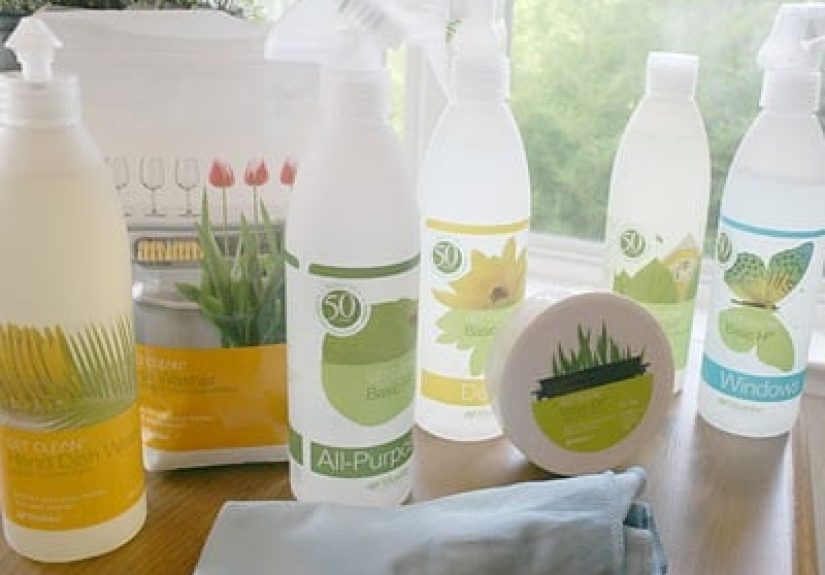
Shaklee’s Basic H2 is positioned as the anchor of the Get Clean lineup: a concentrated all-purpose cleaner you
dilute for different tasks. Remodelaholic highlights exactly what makes concentrates appealingespecially if
you’re tired of buying five different bottles to clean one room.
Why concentrates can be smarter (when used correctly)
- Less packaging: fewer bottles, fewer triggers for “why is recycling overflowing again?”
- Less storage: a concentrate + a spray bottle beats a whole cleaning product parade.
- More control: you can mix a light solution for glass and a stronger one for greasy jobs.
On Shaklee’s current product page, Basic H2 includes suggested dilutions for general cleaning, floors, windows,
and degreasingdown to the “drops” level for glass (because streaks love an over-poured concentrate).
Real-world examples (no superpowers required)
- Everyday counters + cabinet fronts: a light all-purpose dilution in a spray bottle; wipe with a damp microfiber cloth.
- Mirrors and glass: use the “few drops” approach and a dedicated glass cloth to avoid smears.
- Stove-top splatter: step up to a degreasing dilution; let it sit briefly before wiping.
Important reality check: an all-purpose cleaner is great for routine cleaning, but it’s not automatically a
disinfectant. When you need disinfection (illness in the house, high-risk situations), follow label directions
for an appropriate disinfecting product and the correct contact time.
Nature Bright, Oxygen Cleaning, and the Laundry “How Did That Get There?” Problem
Laundry stains have a special talent: they appear between “I put it on clean” and “I took it off dirty.” Shaklee’s
Nature Bright is marketed as a chlorine-free booster using enzymes and “active oxygen,” with directions that
emphasize dissolving it in warm water and testing for colorfastnessespecially important for fabrics that don’t
forgive experiments.
Where oxygen-based boosters shine
- Whites that look tired: boosting brightness without the heavy chlorine smell.
- Organic stains: grass, food, and general kid-chaos.
- Multi-surface spot treatment: upholstery or washable surfaces (after testing first).
The big takeaway isn’t “buy this exact product.” It’s the method: keep one oxygen-style booster on hand, learn how
to dissolve and use it safely, and you’ll be prepared for stains without panic-buying five different specialty
removers at 9:47 p.m.
Microfiber: The Secret Weapon That Isn’t a Bottle
Remodelaholic raves about Shaklee’s microfiber cloths (especially for glass), and this is one area where the
broader cleaning world agrees: microfiber can improve physical removal of soil and microbes when used correctly.
The key phrase is when used correctly.
Microfiber rules that save time (and reduce the “ew” factor)
- Use separate cloths by zone: kitchen, bathroom, glass, and “general.”
- Fold into quarters: you get multiple clean sides before grabbing a fresh cloth.
- Don’t cross-contaminate: one cloth that touches raw-chicken juice should not be promoted to “wipe the baby highchair” duty.
- Launder properly: skip fabric softener (it can coat fibers) and wash them regularly.
If you’ve ever felt like cleaning is mostly “moving mess around,” microfiber is one of the simplest upgrades for
actual removalespecially paired with a mild cleaner and a little patience.
“Non-Toxic” and “Green” Claims: Helpful, But Read Them Like a Grown-Up
Labels matter, but so does precision. Consumer protection guidance around environmental marketing claims makes a
simple point: broad claims like “non-toxic” shouldn’t be treated as vibes; they should be backed by solid evidence
and clearly qualified when needed.
That doesn’t mean green products are “bad.” It means you should keep your standards:
- Look for ingredient transparency (full ingredient lists are a green flagpun absolutely intended).
- Follow dilution directions (too strong wastes product; too weak disappoints you).
- Match product to purpose (cleaning isn’t always disinfecting).
- Respect surfaces (natural stone, sealed wood, and delicate finishes deserve a test spot).
A Simple “Sha-weetness” Cleaning System You Can Copy
Whether you love Shaklee, hate MLM-style shopping, or just want a calmer cleaning setup, here’s the strategy that
sits underneath the Remodelaholic post:
1) One all-purpose concentrate
Use it for daily wipe-downs, mirrors, appliances, and quick spot cleaning. Learn two or three dilutions and keep
them consistent.
2) One gentle scrub for stuck-on mess
For rust rings, baked-on grime, and “I can’t believe that’s on the counter” moments, a scrub product earns its
keep. Bonus points if it doesn’t knock you out with fumes.
3) One oxygen/enzyme booster
For laundry, upholstery, and stubborn stains, oxygen-style boosters are the quiet heroes of the cleaning closet.
4) Microfiber cloths in a small “fleet”
Keep a glass cloth, a kitchen cloth, and a bathroom cloth. Color-coding helpsbecause nobody wants to play
“guess where this cloth has been.”
5) A targeted disinfectant plan
Reserve disinfection for when it’s actually needed (illness, higher-risk households, high-touch periods). Follow
label directions carefully, including how long the surface must stay wet.
Specific Examples: How This Looks in a Real Home
Kitchen: greasy appliances and fingerprints
Start with a degreasing dilution (or a stronger cleaner designed for grease), let it sit briefly, then wipe with a
microfiber cloth. Finish with a clean, slightly damp cloth if streaking shows up. Fingerprints love shiny black
appliances the way toddlers love silence: they will defeat you unless you plan ahead.
Bathroom: soap scum and “why is the grout like that?”
Use an all-purpose cleaner for routine wipe-downs, and bring in a scrub or oxygen booster for scum and dingy
grout. Always test first and rinse well on surfaces that can haze or dull.
Living room: mystery spots on upholstery
Blot first (don’t rub like you’re trying to erase history), test a small hidden area, then treat with an
appropriate diluted cleaner or oxygen solution as directed. Patience beats panic here.
Kid life: mirrors, toys, and sticky everything
A mild, fragrance-light cleaner plus microfiber is often enough for routine cleaning. For items babies or pets
mouth, follow safe cleaning guidance and product labels closelywhen in doubt, wash with soap and water and rinse
thoroughly.
What to Love (and What to Question) About the Shaklee “Get Clean” Pitch
What’s genuinely appealing in the Remodelaholic story is not hypeit’s practicality:
fewer products, less harsh smell, solid performance on everyday grime, and a focus on concentrated formulas.
What to question (politely, like an adult at a potluck):
- Big equivalency claims (“one bottle equals thousands of bottles”) depend on assumptions and usage patterns.
- Green buzzwords need specifics (ingredients, certifications, disclosure, and what “safe” means in context).
- Sales structure matters to some shoppers; buy in the way that fits your budget and comfort.
If you keep those guardrails, you can enjoy the best part of “Sha-weetness”: a home that feels clean without
feeling like you just hosted a chemistry conference.
Experiences That Match the “Sha-weetness” Energy (Extra )
If you’ve ever tried to “quick clean” and somehow made the mess more dramatic, welcome. The “Getting the Dirt on
Clean” mindset shows up in everyday moments, not just before-and-after photos. Here are a few real-life
scenarios many households recognizeminus the unrealistic part where someone cleans the entire house without
stopping to scroll their phone.
The Oven Amnesty: You open the oven, see a baked-on constellation of spills, and instantly consider ordering takeout
forever. A concentrated cleaner + a non-fumey scrub changes the emotional math. You can let the product do the
work while you do the important job: keeping little helpers from touching the hot door. The win isn’t “sparkling,”
it’s “no longer terrifying.”
The Appliance Fingerprint Olympics: Black or stainless appliances are basically fingerprint museums. You wipe once,
it streaks. You wipe again, it looks worse. The microfiber + correct dilution combo is where the “Sha-weetness”
magic happens: less product, better cloth, and suddenly the fridge looks like you own your life (even if you
absolutely do not).
The Couch Stain You’ve Been Ignoring Since… a While: Upholstery stains have social power. They sit there quietly
judging you. The practical experience here is learning to test first, blot gently, and treat in layers rather
than dumping half a bottle and hoping for redemption. Oxygen-style boosters can feel like cheatingin a good
waywhen the stain is organic and the fabric can handle it.
The Bathroom Mirror Mystery Film: Between toothpaste mist, tiny fingerprints, and the general humidity of human life,
mirrors develop a film that laughs at paper towels. When you switch to “few drops” dilution and a dedicated glass
cloth, it’s a noticeable shift: fewer streaks, less effort, and no overwhelming smell hovering in the bathroom
like a fog machine at a middle-school dance.
The “Clean” Smell That Isn’t Actually Clean: A lot of people have had the experience of spraying something strong,
stepping back, and thinking, “Whewnow it’s clean.” Then they learn the smell can be the problem. Choosing
fragrance-free (or lower-fragrance) options and ventilating well can make cleaning feel lighter. The house still
gets clean, but your head doesn’t feel like it’s doing push-ups.
The Minimalist Cleaning Closet That Actually Works: The most satisfying “Sha-weetness” experience is reducing your
cleaning lineup without losing capability. One all-purpose concentrate, one scrub, one oxygen booster, microfiber
cloths, and a targeted disinfectant plan covers most household needs. You stop buying niche products that solve
problems you don’t actually have. And when a mess does show up, you know exactly what to grabso cleaning becomes
a short event instead of a long, confusing negotiation with twelve half-used bottles.
In short: the experience isn’t about perfection. It’s about a calmer systemless stink, less clutter, fewer
“what even is this?” moments, and more confidence that you can handle the dirt without turning your home into a
hazard zone.