Table of Contents >> Show >> Hide
- Why Healthy Teeth Matter More Than You Think
- The Daily Oral Hygiene Routine That Actually Works
- Clean Between Your Teeth Every Day
- Protect Your Enamel Like It Is a Tiny Suit of Armor
- Eat for Strong Teeth and Healthy Gums
- Visit the Dentist Regularly
- Watch for Signs of Trouble
- Healthy Teeth Tips for Kids and Teens
- Do Mouthwash, Whitening Products, and Electric Toothbrushes Help?
- Lifestyle Habits That Support Tooth Health
- A Simple Morning and Night Oral Hygiene Plan
- Common Oral Hygiene Mistakes to Avoid
- 500-Word Experience Section: Real-Life Lessons for Healthy Teeth
- Conclusion: Healthy Teeth Are Built One Habit at a Time
Healthy teeth do more than make your smile look ready for a toothpaste commercial. They help you chew comfortably, speak clearly, enjoy food without wincing, and avoid the kind of dental bill that makes your wallet quietly leave the room. Good tooth health and oral hygiene are not about chasing a perfect celebrity grin; they are about building simple daily habits that protect your enamel, gums, breath, and confidence.
The good news? You do not need a complicated 14-step routine involving moonlight, imported mineral water, and a toothbrush blessed by a dentist in a lab coat. Most people can improve oral health with a few proven basics: brush well, clean between teeth, use fluoride wisely, limit sugar, drink water, visit the dentist, and stop pretending your gums bleeding is “just their personality.”
This guide breaks down practical, science-backed tips for healthy teeth in a way that is easy to follow, realistic for busy lives, and just fun enough that your molars will want to keep reading.
Why Healthy Teeth Matter More Than You Think
Your mouth is not separate from the rest of your body. It is more like the front lobby. When oral hygiene slips, plaque builds up, bacteria multiply, gums become irritated, and tooth enamel can weaken. Over time, that can lead to cavities, gingivitis, gum disease, tooth sensitivity, bad breath, and tooth loss. None of those are exactly party tricks.
Healthy teeth and gums also support everyday comfort. If you have ever bitten into ice cream and felt a lightning bolt shoot through your jaw, you already know that oral health affects quality of life. Strong teeth make eating easier. Healthy gums help keep teeth stable. Fresh breath makes conversations less stressful. And regular dental care can catch small problems before they become dramatic little villains.
The Daily Oral Hygiene Routine That Actually Works
A strong oral care routine does not need to be fancy. It needs to be consistent. Think of it like charging your phone: skipping once is probably fine, skipping for three days is how chaos begins.
Brush Twice a Day for Two Minutes
Brushing twice daily with fluoride toothpaste is one of the most important habits for tooth health. Two minutes gives you enough time to clean the outer surfaces, inner surfaces, chewing surfaces, and gumline. A quick 18-second toothbrush sprint does not count, even if you looked very determined while doing it.
Use a soft-bristled toothbrush that fits comfortably in your mouth. Medium or hard bristles may sound more powerful, but they can be rough on enamel and gums. A soft brush used correctly is like a polite but effective cleaning crew. A hard brush used aggressively is more like a tiny floor scrubber with anger issues.
Hold the toothbrush at about a 45-degree angle toward the gumline. Use gentle, small circular motions or short strokes. Clean every tooth surface, including the backs of teeth, where plaque likes to hide like it has unpaid rent.
Use Fluoride Toothpaste
Fluoride helps strengthen enamel, the hard outer layer of your teeth. Enamel loses and regains minerals throughout the day, especially when you eat or drink. Fluoride supports the remineralization process and helps teeth resist acid attacks from bacteria.
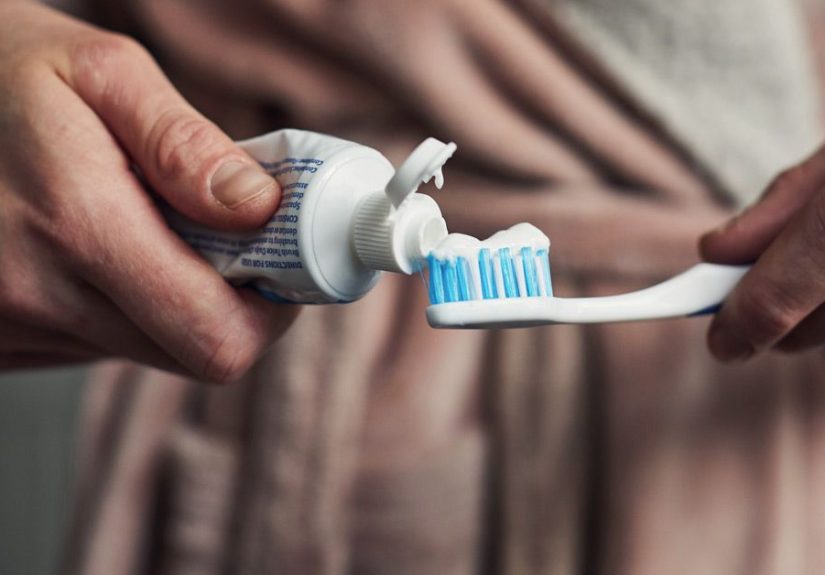
For most adults and older children, fluoride toothpaste is a smart daily choice. Use an appropriate amount: a pea-sized amount is enough for most people. More toothpaste does not mean more cleaning power. It mostly means more foam, more mess, and a sink that looks like a rabid marshmallow visited.
Do Not Forget Your Tongue
Your tongue can collect bacteria and food debris, contributing to bad breath. Brush your tongue gently or use a tongue scraper if you prefer. The key word is gently. Your tongue is not a cast-iron skillet; there is no need to scrape it like you are removing burnt lasagna.
Clean Between Your Teeth Every Day
Brushing is essential, but toothbrush bristles cannot fully clean the tight spaces between teeth. That is where floss, interdental brushes, floss picks, or water flossers come in. Cleaning between teeth once a day helps remove plaque and food particles before they can cause cavities or gum irritation.
Traditional floss works well when used correctly. Slide it gently between teeth, curve it into a C-shape against one tooth, and move it up and down along the side of the tooth. Avoid snapping floss into the gums. Your gums are not a jump rope target.
If floss feels awkward, use another tool. Interdental brushes can be helpful for larger spaces, braces, bridges, or dental work. Water flossers may be useful for people who struggle with string floss. The best tool is the one you will actually use every day, not the one sitting heroically unopened in the bathroom drawer.
Protect Your Enamel Like It Is a Tiny Suit of Armor
Tooth enamel is strong, but it is not invincible. Once enamel is lost, your body cannot grow it back like hair or fingernails. That makes prevention especially important.
Limit Sugary Foods and Drinks
Sugar feeds bacteria in your mouth. Those bacteria produce acids that attack enamel and increase cavity risk. Candy, cookies, sweetened coffee drinks, soda, sports drinks, fruit snacks, and frequent sugary snacks can all create a mouth environment that cavities absolutely love. Cavities are rude guests; do not cater their buffet.
You do not have to ban every sweet forever. A realistic approach is to reduce how often you snack on sugary foods and avoid sipping sweet drinks throughout the day. Frequency matters. A soda with lunch is one acid attack. Sipping soda for six hours is a full-time enamel harassment campaign.
Be Smart With Acidic Foods and Drinks
Citrus fruits, vinegar-based foods, soda, energy drinks, and some juices can be acidic. Acid can soften enamel temporarily. If you consume acidic foods or drinks, rinse with water afterward and wait before brushing. Brushing immediately after acid exposure may rub softened enamel. Your toothbrush is helpful, but timing still matters.
Drink Water, Especially Fluoridated Tap Water
Water helps rinse away food particles, dilute acids, and support saliva production. Saliva is one of your mouth’s natural defenses. It helps neutralize acids and brings minerals back to teeth. Dry mouth increases cavity risk, so staying hydrated is more than just a wellness cliché printed on a giant water bottle.
In many U.S. communities, tap water contains fluoride, which can help prevent tooth decay. If you are unsure about your local water supply or whether you need extra fluoride, ask your dentist rather than asking a random comment section where everyone suddenly becomes a chemist.
Eat for Strong Teeth and Healthy Gums
Your oral hygiene routine does the cleaning, but your diet helps build the foundation. Teeth and gums benefit from balanced meals that include protein, vegetables, fruits, whole grains, dairy or fortified alternatives, nuts, and plenty of water.
Calcium and vitamin D support bone and tooth health. Crunchy fruits and vegetables, such as apples, carrots, and celery, can help stimulate saliva, though they do not replace brushing. Cheese, yogurt, leafy greens, beans, and fortified foods can also support a tooth-friendly diet.
Sticky snacks deserve special attention. Dried fruit, gummy candy, caramel, and chewy granola bars can cling to teeth. That does not mean you can never eat them, but it does mean your teeth would appreciate a rinse with water afterward and a solid brushing routine later.
Visit the Dentist Regularly
Even excellent brushing and flossing cannot remove hardened tartar. Professional dental cleanings help remove buildup that home tools cannot handle. Dental exams also allow your dentist to check for cavities, gum disease, oral cancer signs, bite problems, worn enamel, and other issues.
Many people benefit from dental checkups once or twice a year, but the right schedule depends on your risk level. If you have gum disease, frequent cavities, diabetes, dry mouth, braces, implants, or other oral health concerns, your dentist may recommend more frequent visits.
Do not wait for pain before booking an appointment. Teeth are famously quiet until they are not. By the time a tooth starts yelling, the problem may already be more complicated.
Watch for Signs of Trouble
Healthy teeth should not hurt during normal eating and drinking. Healthy gums should not bleed regularly. If something changes, pay attention. Your mouth is giving you a memo, and unlike most office memos, this one matters.
Common Warning Signs
- Bleeding gums during brushing or flossing
- Persistent bad breath
- Tooth sensitivity to hot, cold, or sweet foods
- Pain when chewing
- Swollen, red, or tender gums
- Loose teeth
- Receding gums or teeth that look longer
- White, brown, or black spots on teeth
- Sores in the mouth that do not heal
These symptoms do not always mean something serious, but they are worth discussing with a dental professional. Early treatment is usually easier, less expensive, and far less dramatic than waiting.
Healthy Teeth Tips for Kids and Teens
Children and teenagers need oral hygiene habits that fit their age, skill level, and snack habits. Kids often need help brushing until they have the coordination to do a thorough job. Teenagers, meanwhile, may need reminders that energy drinks, late-night snacks, and “I forgot” are not a dental care strategy.
Children should use age-appropriate amounts of fluoride toothpaste. Parents should supervise young children so they do not swallow too much toothpaste. Once teeth touch, cleaning between them becomes important. A pediatric dentist can guide parents on timing, toothpaste amount, fluoride needs, sealants, and cavity prevention.
For teens with braces or aligners, oral hygiene becomes even more important. Brackets and wires can trap food. Clear aligners need proper cleaning and should be removed before eating or drinking anything besides water. Otherwise, bacteria get a cozy little greenhouse, and nobody wants that.
Do Mouthwash, Whitening Products, and Electric Toothbrushes Help?
Mouthwash can be useful, but it is not a substitute for brushing and cleaning between teeth. Some rinses help reduce plaque, freshen breath, or provide fluoride. Choose a product that fits your needs, and ask your dentist if you are dealing with sensitivity, dry mouth, gum disease, or frequent cavities.
Whitening products can improve surface stains, but they should be used carefully. Overusing whitening products may increase sensitivity or irritate gums. If your teeth are deeply stained, sensitive, or restored with crowns or veneers, talk with a dentist before whitening. Whitening toothpaste will not turn your teeth into bathroom tiles, and honestly, that is probably for the best.
Electric toothbrushes can help some people brush more effectively, especially those with braces, limited dexterity, or a tendency to rush. Many include timers, which is helpful if your internal clock thinks two minutes is actually 27 seconds.
Lifestyle Habits That Support Tooth Health
Oral hygiene is not only what happens at the sink. Your daily choices matter, too. Avoid tobacco and nicotine products, which increase risks for gum disease, tooth staining, bad breath, oral cancer, and slower healing after dental procedures.
If you play contact sports, wear a mouthguard. A custom mouthguard from a dentist often fits better than a boil-and-bite option, but any well-fitting protection is better than explaining to your front tooth why it is now on the basketball court.
Manage dry mouth if you experience it. Dry mouth can be caused by medications, dehydration, mouth breathing, some medical conditions, or certain treatments. Sip water, chew sugar-free gum if appropriate, and ask your dentist or healthcare provider about saliva substitutes or other strategies.
A Simple Morning and Night Oral Hygiene Plan
If you want healthy teeth without overthinking it, try this realistic routine:
Morning Routine
- Brush for two minutes with fluoride toothpaste.
- Brush your tongue gently.
- Rinse your toothbrush and let it air-dry upright.
- Drink water with breakfast or afterward.
- Limit sugary sipping between meals.
Night Routine
- Clean between your teeth with floss, an interdental brush, or a water flosser.
- Brush for two minutes with fluoride toothpaste.
- Spit out excess toothpaste.
- Avoid late-night sugary snacks after brushing.
- Go to bed knowing your teeth are not hosting a bacteria festival.
Common Oral Hygiene Mistakes to Avoid
Even people who brush every day can make small mistakes that weaken results. One common mistake is brushing too hard. Plaque is soft, so you do not need heavy pressure. Another mistake is skipping the gumline, where plaque often collects.
Using an old toothbrush is another problem. Replace your toothbrush or electric brush head every three to four months, or sooner if the bristles are frayed. A worn toothbrush cleans about as well as a broom made of spaghetti.
Skipping floss because your gums bleed can also backfire. Bleeding may be a sign of inflammation from plaque buildup. Gentle daily cleaning often helps gums improve, but persistent bleeding should be checked by a dentist.
Finally, do not rely on breath mints as oral hygiene. Mints may hide odor briefly, but many contain sugar and do not remove plaque. That is not dental care; that is putting a tiny peppermint hat on the problem.
500-Word Experience Section: Real-Life Lessons for Healthy Teeth
One of the biggest lessons about healthy teeth is that oral hygiene works best when it becomes boring. That may not sound inspiring, but it is true. The routines that save teeth are usually not dramatic. They are the quiet, repeated habits done when you are tired, busy, late, or tempted to say, “I’ll brush better tomorrow.” Teeth love consistency. They are not impressed by one heroic flossing session before a dental appointment.
A practical experience many people share is the “gum wake-up call.” You skip flossing for weeks, then decide to floss, and suddenly the sink looks more dramatic than expected. The first reaction may be panic. But often, gums bleed because plaque has been sitting near the gumline and causing irritation. Gentle daily flossing, better brushing technique, and a dental cleaning can make a noticeable difference. The lesson: bleeding gums are not a reason to quit; they are a reason to improve the routine and get professional advice if it continues.
Another real-life lesson is that snacks matter more than people think. Someone may brush twice daily and still get cavities because they sip sweet coffee all morning, drink soda in the afternoon, and snack on crackers at night. The issue is not just the amount of sugar; it is how often teeth are exposed to sugar and acid. Switching to water between meals, keeping sweet drinks with meals, and choosing tooth-friendlier snacks can reduce the number of acid attacks during the day. Your enamel enjoys breaks. It is not built for an all-day buffet.
Tooth sensitivity teaches its own lesson. Many people brush harder when their teeth feel less clean, thinking pressure equals performance. Then sensitivity gets worse. A soft brush, gentle technique, fluoride toothpaste, and a dentist’s evaluation can help identify whether the cause is gum recession, enamel wear, cavities, grinding, or whitening products. The experience here is simple: if something hurts, do not just scrub harder and hope for the best. Teeth are not dirty pans.
Parents often learn that children copy what adults do more than what adults say. A child who sees brushing as a family routine is more likely to accept it. Timers, songs, sticker charts, or brushing together can help. The goal is not perfection every single night; the goal is creating a habit that feels normal. A two-minute brushing song may be slightly annoying, but so is a cavity filling. Choose your soundtrack.
Adults learn a similar lesson with convenience. If floss is hidden in a drawer, it may become a museum artifact. Keeping floss picks, interdental brushes, or a water flosser where they are easy to reach can make daily cleaning more likely. The best oral hygiene system is one that fits your actual life, not your imaginary life where you wake up at 5 a.m., meditate, make green juice, and alphabetize your socks.
The final experience is about dental visits. Many people delay appointments because they are embarrassed. But dentists have seen everything. A good dental professional is not there to judge; they are there to help. Going back after a long break may feel uncomfortable, but it is often the turning point. Small repairs, cleanings, advice, and prevention can put oral health back on track. Healthy teeth are not about being perfect. They are about being consistent, curious, and willing to fix small problems before they bring luggage.
Conclusion: Healthy Teeth Are Built One Habit at a Time
Healthy teeth come from simple habits repeated daily: brush twice with fluoride toothpaste, clean between teeth, protect enamel, limit sugar, drink water, eat balanced meals, avoid tobacco, and see your dentist regularly. You do not need a perfect routine. You need a routine that is realistic enough to survive real life.
Think of oral hygiene as maintenance, not punishment. Every time you brush, floss, rinse with water after a sweet drink, or book a dental checkup, you are investing in comfort, confidence, and fewer surprise dental problems. Your future smile will thank you. It may not send a card, because it is a smile, but you will know.
Note: This article is for educational purposes only and should not replace personalized advice, diagnosis, or treatment from a licensed dentist or healthcare professional.