Table of Contents >> Show >> Hide
- What This Movie Actually Is (And Why It Feels Different)
- Rankings: Where It Sits in the Highlander Franchise
- Rankings: The Best Parts of Search for Vengeance
- Opinions That Keep Coming Up (Praise vs. Critiques)
- Director’s Cut vs. Other Cuts: Which Version Do People Prefer?
- Rankings: Characters and Performances (Fan-Favorite Order)
- How to Watch It (Without Starting a Franchise War in Your Living Room)
- Is It “Good”? A Balanced Verdict for Different Viewers
- Reader Experiences: What Watching Search for Vengeance Feels Like (500+ Words)
- Conclusion
If you’ve ever looked at the Highlander franchise and thought, “This universe has immortal sword fights, tragic love,
centuries of grudges, and somehow still room for more chaos,” then Highlander: The Search for Vengeance is your kind of strange.
It’s the 2007 animated (anime-influenced) entry that tosses immortals into a gritty, post-apocalyptic future, then lets director
Yoshiaki Kawajiri do what he does best: stylish action, dramatic shadows, and fights that feel like they were storyboarded with a ruler
and a grudge.
This article breaks down rankings and real-world opinions around the filmhow it stacks up within the broader Highlander lineup,
what fans tend to praise (and roast), and why it’s often treated as a “surprisingly solid sequel… that isn’t really a sequel.”
We’ll keep it spoiler-light where possible, but yesthere can be only some surprises before we talk about what works.
What This Movie Actually Is (And Why It Feels Different)
Highlander: The Search for Vengeance is an adult animated dystopian fantasy-action film that stands slightly sideways from the
main live-action continuity. Instead of following Connor MacLeod (the iconic immortal from the 1986 film), it centers on
Colin MacLeod, another immortal whose story stretches from ancient history to a ruined future version of New York City.
The result: a revenge narrative that’s part sword-and-sandals flashback, part sci-fi rebellion story.
Production-wise, it’s a cross-cultural collaborationdeveloped with the idea of filtering a Western franchise through an anime lens,
with animation handled by major players and distribution tied to recognizable home-video pipelines. That “hybrid” DNA shows up everywhere:
the pacing, the stylized character designs, the brutal atmosphere, and the way the film treats action like choreography instead of noise.
Quick Setup (No Novel-Length Lore Required)
The movie’s central engine is simple: an immortal protagonist hunts the immortal villain who destroyed his life. The catch is time.
When you can’t die, revenge doesn’t expireit ferments. So the story bounces through eras and lands in a bleak future where power is
hoarded, violence is currency, and ordinary people are caught between a tyrant’s “utopia” and a resistance that’s running on hope,
duct tape, and bad odds.
One important note for viewers: this film includes mature content (violence and adult themes). It’s not a cozy,
family-friendly animated adventureit’s more “grim future sword opera.”
Rankings: Where It Sits in the Highlander Franchise
Ranking Highlander entries is basically a fan sport. People argue about canon, nostalgia, and which sequel committed the
greatest crimes against logic. So rather than pretend there’s one universal list, here’s a practical ranking based on a mix of
critical reputation, fan sentiment, and rewatch value.
Overall Franchise Ranking (Common Consensus Tier List)
-
Highlander (1986) The lightning-in-a-bottle original. Iconic tone, iconic characters, and a premise so good it
keeps surviving every reboot rumor. -
Highlander: The Series For many fans, this is where the world-building really flourished, with long-form storytelling
that the films rarely matched. -
Highlander: The Search for Vengeance (2007) Often cited as the standout “non-original” film entry: stylish, contained,
and not tangled in the messiest continuity knots. -
Highlander III: The Sorcerer / The Final Dimension Some fans see it as a more “traditional” sequel attempt, even if
it still lives in the shadow of the first. - Highlander: Endgame Not without fans, but frequently debated for its choices and tonal balance.
- Highlander II: The Quickening The sequel that became a cautionary tale (and an internet rite of passage).
- Highlander: The Source Often ranked near the bottom by long-time fans who wanted something sharper and more coherent.
The big takeaway: Search for Vengeance tends to rank higher than most live-action sequels because it commits to a clear aesthetic,
tells a mostly self-contained story, and doesn’t rely on duct-taping itself to complicated franchise baggage.
Rankings: The Best Parts of Search for Vengeance
#1: The Visual Style and Action Choreography
This is the headline feature. Even people who aren’t deep in Highlander lore often admit the action is a selling point.
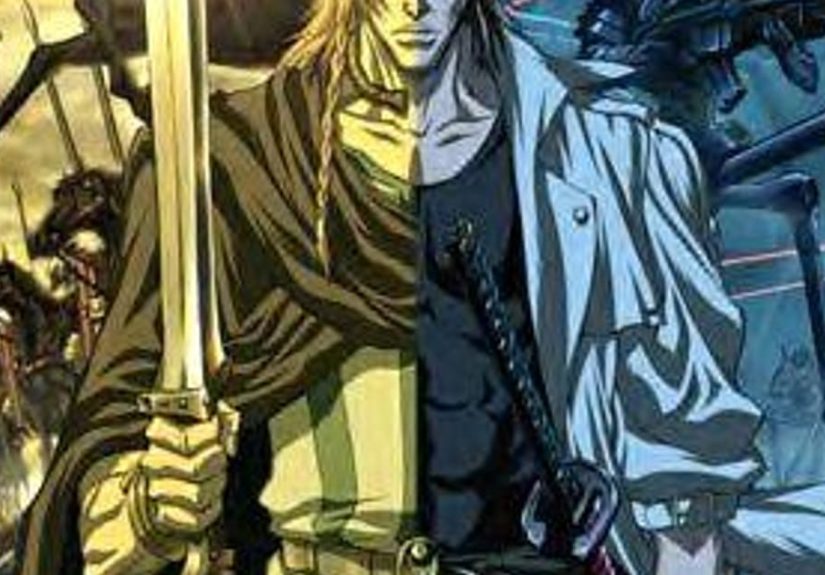
Kawajiri’s style leans into dynamic motion, dramatic framing, and sequences that feel deliberate rather than random. The sword fights
aren’t just “two immortals clanging metal”they’re emotional punctuation marks.
#2: A Villain with a Clear (If Twisted) Philosophy
Marcus Octavius isn’t just “evil because plot.” He’s built around an idea: control creates order; order creates civilization; civilization
justifies brutality. That makes the conflict more than personal revengeit becomes a debate over whether “utopia” is worth the bodies
it’s built on. (Spoiler: the movie is not pro-tyrant.)
#3: The Time-Spanning Grudge (Revenge With Interest)
Immortality makes emotions weird. A normal revenge story runs on days, months, years. This one runs on centuries. That scale gives the
narrative a tragic weight: the protagonist isn’t only chasing a villainhe’s chasing a version of himself from before loss rewired him.
#4: A Standalone On-Ramp for New Viewers
You don’t need a flowchart. The film introduces the core idea (immortals, “the game,” sword duels) in a way that’s accessible. Long-time
fans can spot familiar franchise DNA, but first-timers can follow the story without homework. That’s rarer than it should be in
long-running franchises.
#5: The Mood (Yes, Mood Counts)
The post-apocalyptic New York setting gives the film a gritty viberuins, rebellion energy, and a sense that the world is tired.
That atmosphere matches the story’s emotional engine: a hero who’s worn down by time, driven forward by an old wound that never healed.
Opinions That Keep Coming Up (Praise vs. Critiques)
What People Love
- “It feels like Highlander with fresh blood.” Fans often praise it for reviving the vibe without copying the original beat-for-beat.
- “Finally, a sequel that’s… competent?” The bar is sometimes low in franchise discussions, but this film clears it with style.
- “The fights are worth the ticket.” Even mixed reviews tend to carve out respect for the combat design and animation polish.
- “The villain is memorable.” Octavius gets credit for being more than a mustache-twirlerhe’s a worldview in armor.
What People Don’t Love
-
Plot gaps and convenience. Some viewers feel the narrative leaps between eras and ideas a little too quickly,
asking you to accept big developments with minimal breathing room. -
Character depth (outside the main rivalry). The supporting cast can feel like archetypesrebels, survivors,
bystandersrather than fully textured people. -
“Is this really Highlander?” A slice of the fandom wants the specific tone and continuity of the original film
or TV series. This movie’s anime-forward identity can feel like a side quest rather than the main campaign.
The fairest summary: a lot of people see this as a stylish, entertaining entry that shines hardest when it stops trying to be
“franchise connective tissue” and simply becomes a dark, kinetic revenge anime with immortals.
Director’s Cut vs. Other Cuts: Which Version Do People Prefer?
One of the most debated practical questions isn’t philosophicalit’s editorial. There are different cuts with different runtimes.
Fans who chase the “purest” vision often gravitate toward the longer version because it offers more breathing room for story beats.
General Viewing Advice
-
If you prioritize story clarity: many fans recommend the longer cut because additional scenes can make motivations
and transitions feel less abrupt. - If you want faster pacing: the shorter cut can feel punchier, especially if you’re primarily here for action and atmosphere.
Either way, the core appeal remains: the style, the rivalry, and the bleak future setting where a sword duel can decide the fate
of more than one person’s unresolved trauma.
Rankings: Characters and Performances (Fan-Favorite Order)
Character rankings are subjective, but patterns show up in fan conversationsespecially around who feels iconic versus who feels functional.
Here’s a typical “fan-favorite” ordering for this film’s key players.
1) Marcus Octavius
He’s the engine. A villain with vision is always more interesting than a villain with a checklist. Octavius’s obsession with control,
“order,” and legacy gives him a presence that lingers even when he’s not on screen.
2) Colin MacLeod
Colin is compelling in a bruised, stubborn way: he’s been alive too long, angry too long, and he’s not always “likable” in the traditional
hero sense. But that’s the pointrevenge doesn’t produce sunshine.
3) Amergan
The mentor/conscience role can be cliché, but here it functions as a moral counterweight. Amergan is the voice that keeps the story from
becoming only a revenge treadmill.
4) Dahlia (and the Rebel Sphere)
The resistance characters help ground the future setting. They also give Colin something that revenge can’t: a reason to care about the living,
not just the dead.
How to Watch It (Without Starting a Franchise War in Your Living Room)
If you’re going full completionist, you can watch Highlander entries in release order. But if you’re here specifically for
Search for Vengeance, you can treat it like a standalone with bonus references.
Three Practical Watching Paths
- Standalone sampler: Watch Search for Vengeance first if you want a contained, stylish experience with minimal homework.
- Classic-first: Watch Highlander (1986) first, then jump to Search for Vengeance for a “how else can this premise evolve?” contrast.
- World-builder route: Highlander (1986) → Highlander: The Series (as desired) → Search for Vengeance as an alternate flavor.
The key is expectations. This film is less about deep continuity and more about delivering a sharp-edged, visually driven revenge tale
inside the Highlander idea-space.
Is It “Good”? A Balanced Verdict for Different Viewers
If You’re a Highlander Diehard
You’ll probably enjoy the respect it shows the concept of immortals and the “game,” even if you miss certain familiar lore elements.
Many long-time fans treat it as “one of the better later entries” because it feels purposeful rather than confused.
If You’re an Anime Action Fan
You’re likely to appreciate the direction, pacing of fights, and the overall tone. Even if you’ve never watched a Highlander title,
this can land as a stylish sci-fi fantasy action film with a clean central conflict.
If You Want Deep Character Drama
You may find the emotional core strongest in the main rivalry, while the supporting cast feels thinner than you’d like. The film’s focus
is momentumemotional and physicalrather than quiet, expansive character studies.
Reader Experiences: What Watching Search for Vengeance Feels Like (500+ Words)
Since I can’t claim personal “I watched it on a rainy Tuesday and spilled soda on my keyboard” memories, let’s talk about the kinds of
experiences viewers commonly reportbecause this movie tends to create a very specific kind of reaction. It’s one of those films where
your enjoyment depends less on “Is it perfect?” and more on “Are you in the mood for this exact vibe?”
A lot of first-time viewers describe an immediate, slightly surprised respect for the visuals. Even people who come in skepticalespecially
those burned by uneven Highlander sequelsoften mention the animation’s polish and the intensity of the action. The experience is
less “Saturday morning cartoon” and more “stylized graphic novel energy,” where the city feels harsh, the shadows feel heavy, and the sword
fights feel like they have consequences. It’s common to see reactions like: “Okay, I didn’t expect this to look this good.”
Another frequent experience: viewers end up rating it differently depending on what they expected it to be. If someone presses play hoping
for the exact tone of the 1986 filmsame style, same character emphasis, same rhythmthey may bounce off the anime-forward direction and the
story structure. But if they approach it like a standalone “alternate take” on immortals, revenge, and fate, they’re more likely to enjoy
the ride. In other words: expectations are the secret boss fight.
Fans also tend to talk about the villain in a way that feels a bit like grudging admiration. Not “he’s right” admiration, but “he’s memorable”
admiration. Viewers often remember the villain’s ambition and presencehow he treats people like building materials for his grand plan.
That can make the viewing experience more engaging because it turns the conflict into more than just a personal vendetta. The movie becomes
a question: what happens when an immortal has the time to turn ego into ideology?
For watch parties (yes, people do themed movie nights for weirder things than immortals with swords), Search for Vengeance tends to
generate two types of conversations afterward. The first is the “action breakdown” conversation: people replaying favorite sequences in their
heads, arguing about choreography, and comparing the film’s fights to other animated action staples. The second is the “franchise debate”
conversation: where it fits, whether it “counts,” and why this kind of creative pivot sometimes works better than a direct sequel that’s
trapped by continuity.
A smaller but real viewer experience is the “director’s cut curiosity spiral.” People hear there are different versions, then go hunting
for whichever cut is said to have better pacing or more context. That hunt becomes part of the fandom experiencelike collecting alternate
editions of an album to see which track order hits harder.
Finally, there’s the emotional aftertaste. Because the film is built around revenge, many viewers come away thinking about what it costs to
carry anger for too longespecially when time is limitless. The story isn’t subtle about how revenge can hollow someone out, but it’s still
effective. The experience can feel oddly cathartic: you watch a character chase vengeance across centuries, and you’re reminded that obsession
doesn’t just target the villainit also remakes the person holding the blade.
Conclusion
Highlander: The Search for Vengeance earns its reputation as one of the more respected non-original entries in the franchise by
doing something simple and surprisingly rare: it commits. It commits to a distinct visual language, a focused rivalry, and a tone that fits
a story about immortality and obsession. It isn’t flawlesssome viewers will want richer supporting characters or smoother story transitions
but it’s memorable in a way many sequels struggle to achieve.
If you want a stylish, mature, post-apocalyptic sword-and-revenge story that plays in the Highlander sandbox without drowning in
franchise homework, this is a strong pick. And if nothing else, it’s proof that when immortals clash, the best outcomes usually happen when
the storytelling has as sharp an edge as the blade.