Table of Contents >> Show >> Hide
- What Counts as “Home Accessories,” Exactly?
- Start With a Simple Plan (So Your Accessories Don’t Multiply Like Gremlins)
- The Styling Basics Designers Lean On
- Room-by-Room Home Accessory Ideas
- How to Style Shelves, Mantels, and Surfaces Without Clutter
- Lighting as an Accessory: The Fastest Way to Upgrade a Room
- Mirrors, Wall Art, and “Vertical Accessories”
- Textiles: Pillows, Throws, Curtains, and Rugs (The Comfort Layer)
- Greenery and Natural Elements: The Most Forgiving Accessory
- Seasonal Swaps: Refresh Without Replacing Everything
- Budget-Friendly Home Accessories: Where to Spend, Where to Save
- Safety and Care: Make Your Accessories Beautiful and Smart
- A Quick Checklist: Accessorize Like You Mean It
- Conclusion
- Experiences: What Home Accessory Upgrades Feel Like in Real Life (and Why They Work)
Home accessories are the design world’s secret sauce: the throw pillow that makes your sofa look “styled” instead of “I live here,”
the mirror that bounces light like it’s on commission, the tray that politely informs your coffee table, “We’re organizing now.”
They’re also the fastest way to refresh a room without repainting, re-flooring, or explaining to your partner why the dining table is
suddenly “a creative workspace.”
This guide synthesizes widely used interior-styling principles and practical tips echoed across reputable U.S. home and design publications
(think: Better Homes & Gardens, Real Simple, Martha Stewart, HGTV, Architectural Digest, The Spruce, Elle Decor, House Beautiful,
Good Housekeeping, and This Old House), plus safety guidance from U.S. fire-safety organizations. The goal: help you pick the right
decorative accessories, place them with confidence, and avoid the two universal decorating outcomesclutter or showroom stiffness.
What Counts as “Home Accessories,” Exactly?
Accessories are the movable, swappable finishing touches that add personality and polish. They’re the “soft and shiny” layer on top of
your bigger items (sofas, beds, tables). Common categories include:
- Textiles: accent pillows, throws, curtains, bedding layers, table linens
- Surface styling: trays, bowls, vases, books, candles, coasters, decorative boxes
- Wall and vertical interest: mirrors, art, shelves, sconces, picture frames
- Greenery: plants, branches, faux stems (the “I have my life together” of accessories)
- Lighting: lamps, shades, bulbs (yeslighting is décor and also the reason your room looks good at night)
- Rugs: area rugs, runners, layered rugs for texture and zoning
Start With a Simple Plan (So Your Accessories Don’t Multiply Like Gremlins)
Before you buy anything, choose a direction. You don’t need a “theme,” but you do need a filterotherwise your home becomes a museum gift
shop where every impulse purchase gets a shelf.
1) Pick a vibe in three words
Try a trio like calm + warm + modern or colorful + collected + vintage. When shopping or rearranging, ask:
“Does this support my three-word vibe?” If not, it can still be cutebut it might belong in another room or another home.
2) Choose a “base neutral,” then layer accents
Neutrals don’t have to be beige. Your base can be cream, warm gray, greige, soft black, navy, or earthy tananything that plays well with
your fixed elements (flooring, big furniture). Then select two or three accent colors to repeat across the room through
pillows, art, ceramics, and small décor.
3) Decide what to splurge on vs. what to rotate
A smart rule: invest in items that affect comfort and scale (a great rug, quality curtains, solid lamps), and rotate smaller accessories
seasonally (pillow covers, candles, stems, tabletop objects). This keeps your space feeling fresh without a full re-do.
The Styling Basics Designers Lean On
Use the “Rule of Three” (and other odd-number magic)
If styling feels intimidating, borrow a classic designer shortcut: group items in odd numbers, often three. Three objects give your eye a
clear focal point plus supporting playersbalanced, but not stiff. Think: a small vase + a candle + a stacked book. Or a tray + a plant +
a sculptural object. (Yes, symmetry can look amazing too; the rule is a guide, not a law.)
Mix heights, textures, and finishes
Great accessory groupings usually include:
- Height variation: something tall, something medium, something low
- Texture contrast: soft (linen/knit) + hard (wood/metal) + glossy (glass/ceramic)
- Finish balance: pair matte with shiny so nothing feels flat
Translation: don’t put three tiny identical items in a row like they’re waiting for a bus.
Prioritize scale (the #1 reason accessories look “off”)
Accessories should match the furniture they live on. Tiny art over a massive sofa looks apologetic. One undersized pillow on a deep
sectional looks like it got lost. When in doubt, go a little biggerespecially with art, mirrors, and lamps.
Room-by-Room Home Accessory Ideas
Living Room Accessories: Cozy, Layered, and Functional
-
Throw pillows with a plan: Mix sizes (for example, larger squares with a lumbar) and vary textures.
Keep at least one solid or subtle pattern to calm louder prints. - Throw blankets: Drape one casually on the sofa arm or fold it in a basket. Instant softness, instant “come sit.”
-
Rug strategy: Use a rug big enough that at least the front legs of major seating sit on itthis visually “anchors” the room.
For extra depth, consider layering a smaller patterned rug over a larger neutral base. - Coffee table styling: Start with a tray to corral smaller items, add a book or two, then one living element (flowers/plant) or a candle.
- Lighting layers: Combine overhead lighting with table lamps and/or a floor lamp. Your room will look better and feel better at 8 p.m.
Bedroom Accessories: Calm, Not Complicated
- Layer bedding: A duvet, a coverlet or quilt, and pillows in two textures can make even a simple bed look intentional.
- Nightstand edit: Keep it to essentials plus one “nice” item: a small lamp, a dish/tray for jewelry, or a tiny vase.
- Bedroom rug comfort: Consider runners or a soft rug at the sides of the bed so mornings start with “ahhh,” not “why is the floor angry?”
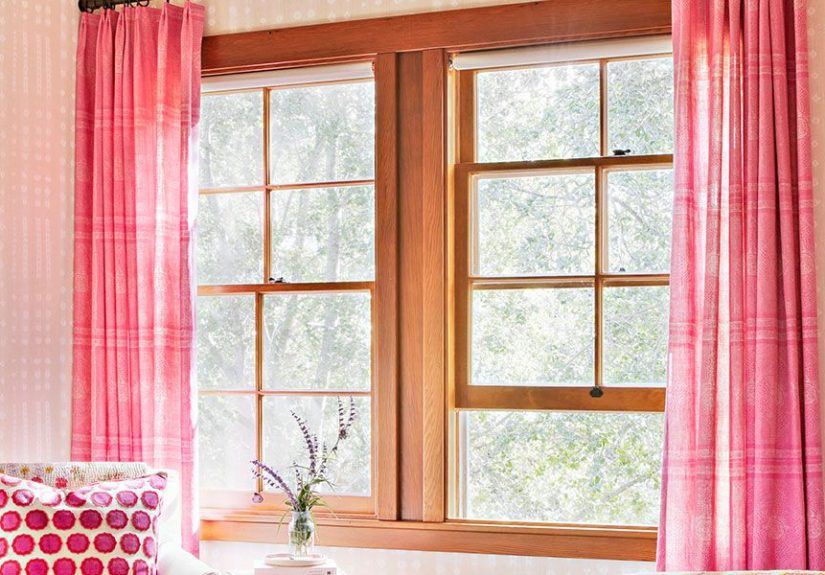
- Window treatments: Curtains add softness and height. Hang rods higher than the window frame when possible to visually lift the ceiling.
Kitchen Accessories: Pretty + Practical (The Best Kind)
- Countertop restraint: Choose a “station” approachcoffee/tea corner, cooking oils on a tray, or a fruit bowlthen keep the rest clear.
- Textile refresh: Swap dish towels seasonally for an easy color update.
- Open shelving styling: Mix functional stacks (plates, bowls) with one or two decorative pieces (a small plant, a framed print, a ceramic pitcher).
Bathroom Accessories: Make It Feel Like a Boutique Hotel
- Upgraded hardware look: Coordinated finishes on accessories (soap pump, tray, hooks) can make the whole space feel more cohesive.
- Mirror matters: A well-sized mirror can brighten the room and improve proportionsespecially in smaller bathrooms.
- Textile stack: Fresh white towels look clean; colored towels look fun. Either way, fold them neatly and pretend you’re a spa.
- Greenery: Add a plant that can handle humidity (real or faux). It’s the easiest way to make a bathroom feel less “utility.”
Entryway Accessories: The “First Impression” Zone
- Catch-all tray: Keys, sunglasses, mailgive them a home so they don’t become modern art installations.
- Mirror + sconce/lamp combo: Helps with light, last-second appearance checks, and the illusion of a bigger space.
- Bench + basket: Seating plus hidden storage for shoes or bags is entryway gold.
How to Style Shelves, Mantels, and Surfaces Without Clutter
Styling a shelf is basically storytelling. Done well, it looks collected. Done poorly, it looks like you paused mid-unpacking.
Here’s a foolproof approach:
The 6-step shelf styling method
- Clear everything off. Yes, everything. We’re starting fresh.
- Anchor with books. Stack some vertically, some horizontally to create platforms.
- Add one “hero” per shelf section. A vase, a framed photo, a sculptureone main focal point.
- Layer smaller items in front. Add a small bowl, a candle, or a mini plant for depth.
- Repeat a material or color. For example: two brass pieces, or three touches of navy, to unify the look.
- Leave breathing room. Empty space is not “wasted space.” It’s what makes the styled objects look special.
Coffee table and console table formula
Try this easy structure: tray + something living + something personal.
The tray organizes, the living element adds freshness, and the personal piece (a travel book, a framed photo, a quirky object) keeps your space from looking like a catalog.
Lighting as an Accessory: The Fastest Way to Upgrade a Room
If you do one thing after reading this, add or improve lighting. Layered lighting can make rooms feel warmer, cozier, and more expensive
(even if your lamp came from a big-box store and you carried it home like a proud parent).
- Ambient: overhead or general room light
- Task: reading lamps, under-cabinet lighting, desk lamps
- Accent: picture lights, sconces, small table lamps for mood
Aim for at least two light sources per room, ideally three. It reduces harsh shadows and makes your décor look intentional.
Mirrors, Wall Art, and “Vertical Accessories”
Walls are prime real estate. Mirrors and art add character and help balance a room visuallyespecially when furniture sits low.
- Mirrors near windows: reflecting light can make a space feel brighter and larger.
- Gallery walls: unify with consistent frame finishes or a consistent color palette; vary sizes for energy.
- One oversized piece: if you want a clean, modern feel, go big with a single statement artwork above a sofa or bed.
Textiles: Pillows, Throws, Curtains, and Rugs (The Comfort Layer)
Textiles are where “nice room” becomes “I never want to leave.” They’re also an easy way to introduce color and pattern without committing
to a bold wall paint decision you’ll question at 2 a.m.
Accent pillow tips that actually work
- Mix patterns with a common color: stripes + florals can coexist if they share at least one hue.
- Vary texture: linen, velvet, boucle, knittexture adds depth even in neutral palettes.
- Don’t over-pillow: you want comfort, not a daily pillow-removal workout. Keep it inviting and proportional.
Rug ideas beyond “put rug on floor”
- Zone a room: rugs define seating or dining areas in open layouts.
- Layer rugs: a large neutral base + a smaller patterned rug adds dimension and helps a room feel designed, not just furnished.
- Use runners: hallways, kitchens, and entryways benefit from durable runners that add warmth and reduce echo.
Greenery and Natural Elements: The Most Forgiving Accessory
Plants and natural elements bring life, soften hard lines, and add color that doesn’t feel “decor-y.” If you struggle with houseplants,
start with low-maintenance options or high-quality faux stems. Even a single branch in a tall vase can make a room feel curated.
Seasonal Swaps: Refresh Without Replacing Everything
The easiest way to keep your home feeling current is to rotate a small set of accessories:
- Spring/summer: lighter pillow covers, airy throws, fresh florals, brighter art prints
- Fall/winter: chunkier textures, warmer tones, layered lighting, cozy rugs
This is also a budget win: you’re not redoing the whole roomjust changing the “outfit.”
Budget-Friendly Home Accessories: Where to Spend, Where to Save
Spend on
- Rugs (they cover a huge area and take daily wear)
- Lighting (good lamps and warm bulbs change everything)
- Window treatments (they visually elevate a room and add softness)
Save on
- Decorative objects (thrift, flea markets, vintage shopsmore character, less cost)
- Pillow covers (swap covers instead of buying new inserts)
- Trays and baskets (great places to mix affordable finds with a few standout pieces)
Safety and Care: Make Your Accessories Beautiful and Smart
Accessories should improve your life, not create “surprise hazards.” A few practical reminders:
-
Candle safety: never leave a burning candle unattended; keep it away from anything flammable (curtains, bedding, books);
and place it on a sturdy, heat-safe surface. Trim wicks to reduce soot and help candles burn cleanly. - Rug safety: use rug pads to reduce slipping and protect floorsespecially in high-traffic areas.
- Dust strategy: keep a small microfiber cloth handy and do a quick pass weeklydust dulls shine and makes décor look tired.
A Quick Checklist: Accessorize Like You Mean It
- Edit first. Remove what’s not working before adding anything new.
- Choose a palette. Base neutral + 2–3 accent colors.
- Layer textures. Soft + hard + something with shine.
- Mind scale. Bigger art, fuller pillows, properly sized lamps.
- Repeat intentionally. Echo a color or material across the room for cohesion.
Conclusion
Great home accessories aren’t about having more stuffthey’re about having the right stuff in the right places.
When you focus on texture, scale, lighting, and a simple color plan, your decorative accessories start doing what they’re supposed to do:
make your home feel welcoming, personal, and pulled together. Start smallone shelf, one table, one cornerand build from there.
Your future self (the one who doesn’t have to move 17 random objects to find the remote) will be grateful.
Experiences: What Home Accessory Upgrades Feel Like in Real Life (and Why They Work)
A funny thing happens when you start tweaking home accessories: you notice how much of your day is influenced by small, “background” details.
Not the big-ticket itemsthe couch, the dining set, the bed framebut the little cues that tell your brain, “This is comfortable,” or
“This is chaotic,” or “Why does my living room feel like a dentist’s waiting area?”
One of the most common real-world experiences is the Before/After Lighting Moment. During the day, a room can look totally fine,
especially with natural light doing the heavy lifting. Then evening hits, the overhead light flicks on, and suddenly your cozy space becomes
a high-definition interrogation room. Add a table lamp with a warm bulb, and the whole vibe changesshadows soften, textures look richer,
colors look intentional. It’s not magic; it’s layered light. But it feels like magic because you didn’t move furniture or repaint walls.
You just gave your room a better “mood soundtrack.”
Another relatable experience: the Accessory Avalanche. You buy a cute vase, then a candle, then a little decorative bowl,
then a tray because the bowl needs a friend, then coasters because you’re suddenly an adult who “uses coasters,” and before you know it,
every surface is occupied. The fix usually isn’t “buy better accessories.” It’s editing. The moment you clear off a console
table and put back only three thingsa tray for keys, a small lamp, and one personal objectyou feel the mental exhale. The space looks calmer
because it is calmer. Accessories should support your routines, not compete with them.
Then there’s the Throw Pillow Reality Check. In photos, a sofa with seven pillows looks dreamy. In life, it can look like
you’re preparing for a pillow-based natural disaster. The lived experience is usually somewhere in the middle: enough pillows to make the
sofa inviting, not so many that guests need to solve a puzzle just to sit down. When you find the right balancesay, a couple of larger pillows
plus a lumbaryour sofa starts looking “finished,” and you also get to keep your dignity (and your lap) when watching a movie.
A surprisingly emotional upgrade for many people is the Entryway Reset. It’s easy to underestimate how much the first 30 seconds
at home affect your mood. If you walk in and immediately see shoes everywhere, mail piles, and nowhere to put keys, your brain registers stress.
Add a catch-all tray, a basket, and one hook or two, and you can literally feel the difference. It’s not just décorit’s friction reduction.
Your home starts greeting you like a friendly host instead of a disorganized roommate.
There’s also the “Why Does This Room Feel Smaller?” experience, which often comes down to the wrong scale and cluttered sight lines.
When accessories are too tiny or too numerous, your eye keeps stoppingevery object becomes a visual speed bump. Swap multiple small frames for one
larger piece of art, or replace a cluster of mini objects with a single statement vase, and the room suddenly feels more open. The space didn’t grow,
but your visual field did. A well-placed mirror near a window can create a similar effect: more light, more depth, more “breathing room.”
The most satisfying accessory experience, though, is the Collected-Not-Staged Shift. This happens when your accessories start telling
a story instead of performing a theme. A bowl you picked up while traveling. A framed photo that makes you smile. A stack of books that actually reflect
what you like (not what you think you’re supposed to like). A thrifted candlestick with a tiny imperfection that makes it feel real.
When your accessories connect to your life, your home looks more elevatednot because it’s expensive, but because it’s personal.
If you’re not sure where to start, begin with one “micro project” you can finish in under an hour: style your coffee table, refresh your nightstand,
or redo one shelf. Take a quick photo before and after. The photo trick is powerful because it shows you what your eyes gloss over in daily life.
You’ll notice scale issues, clutter, and gaps. Adjust. Edit. Add one piece of texture (a throw), one piece of height (a lamp or vase),
and one personal element (a framed photo or book). That’s usually enough to create a visible upgradeand the kind of momentum that makes you want to
keep going without turning your whole weekend into a renovation reality show.
In the end, home accessories are less about decorating “correctly” and more about making your space work for you. The best results tend to come from
small, thoughtful choices repeated consistently: a limited color palette, a mix of textures, intentional lighting, and a willingness to remove what
doesn’t belong. Do that, and your home starts to feel not just styledbut genuinely lived-in, comfortable, and unmistakably yours.