Table of Contents >> Show >> Hide
- Why Make Your Own Seasoned Salt?
- What Is Seasoned Salt, Exactly?
- The Best Homemade Seasoned Salt Recipe
- What Each Ingredient Does
- How to Make Homemade Seasoned Salt Taste Better Than Store-Bought
- Best Ways to Use Seasoned Salt
- Common Mistakes to Avoid
- How to Store Homemade Seasoned Salt
- How to Make a Lower-Sodium Version
- Easy Seasoned Salt Variations
- Frequently Asked Questions
- Real Kitchen Experiences With Homemade Seasoned Salt
- Conclusion
Every kitchen has that one magic dust that somehow makes fries taste bolder, roasted vegetables taste smarter, and chicken taste like it finally got its life together. That magic dust is seasoned salt. The store-bought kind is convenient, sure, but making your own homemade seasoned salt recipe gives you something even better: control. You get to choose the salt level, the heat, the smoky notes, the sweetness, and the overall personality of the blend. Think of it as your spice cabinet’s version of a custom playlist.
This homemade seasoned salt recipe is easy, flexible, and genuinely useful. It takes just minutes to mix, keeps well in the pantry, and works on everything from potatoes and popcorn to grilled chicken and scrambled eggs. Better yet, it helps you avoid the one-size-fits-all problem of store blends that are sometimes too salty, too sweet, or oddly aggressive in the celery department.
Below, you’ll find a balanced seasoned salt recipe, ingredient explanations, storage advice, variation ideas, and practical ways to use it without turning dinner into a salt lick. Let’s make your new favorite all-purpose seasoning.
Why Make Your Own Seasoned Salt?
There are plenty of reasons to keep a jar of homemade seasoned salt within arm’s reach.
- You control the flavor. Want more garlic? Easy. Less heat? Done. More smoky paprika? Go wild.
- You control the sodium. A homemade blend makes it easier to season food thoughtfully instead of dumping on mystery salt by habit.
- It tastes fresher. When spices are newly mixed, the flavor feels brighter and more lively.
- It is budget-friendly. If you already keep basic spices at home, this costs less than buying specialty blends one by one.
- It is incredibly versatile. This is one of those pantry staples that earns its shelf space every single week.
In other words, homemade seasoned salt is one of the easiest kitchen upgrades you can make. It asks for almost no effort and gives back a lot of flavor.
What Is Seasoned Salt, Exactly?
Seasoned salt is a blend of salt and savory spices designed to add instant flavor to food. Most classic versions include salt, paprika, garlic powder, onion powder, black pepper, and a few supporting spices such as turmeric, celery salt, mustard, or cayenne. Some versions also include a touch of sugar to round out sharp edges and create that familiar savory-sweet balance people associate with classic steakhouse or diner-style seasoning salt.
It is not the same as garlic salt, which is more narrowly focused and usually much saltier in flavor. It is also different from dry rubs, which may contain more herbs, sugar, and heat and are often designed for barbecue. Seasoned salt sits in the happy middle: bold enough to wake up bland food, but simple enough to use every day.
The Best Homemade Seasoned Salt Recipe
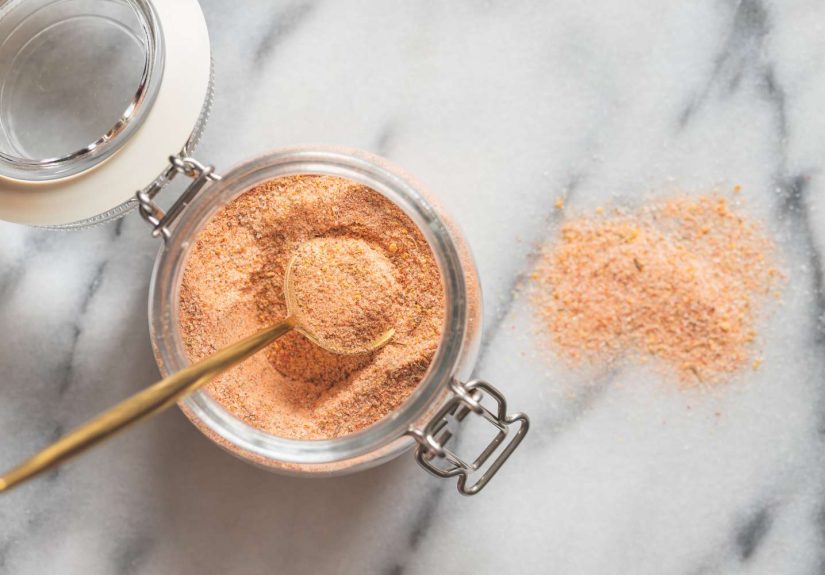
This version is balanced, savory, slightly smoky, and just warm enough to feel interesting without setting your eyebrows on fire.
Ingredients
- 1/3 cup fine sea salt
- 2 tablespoons paprika
- 1 tablespoon garlic powder
- 1 tablespoon onion powder
- 2 teaspoons ground black pepper
- 2 teaspoons celery salt
- 1 teaspoon dry mustard
- 1 teaspoon granulated sugar
- 1/2 teaspoon ground turmeric
- 1/4 teaspoon cayenne pepper, or more to taste
Directions
- Add all ingredients to a small bowl or jar.
- Whisk or shake until the mixture looks evenly blended and there are no streaks of paprika or turmeric.
- Taste a tiny pinch on something neutral, like a plain cooked potato, a cucumber slice, or even a piece of buttered toast.
- Adjust as needed. Add more cayenne for heat, more paprika for a deeper color, or a little extra sugar if you like a more classic diner-style seasoned salt.
- Transfer to an airtight spice jar and label it with the name and date.
Yield
This recipe makes a little over 1/2 cup, which is enough to season many meals without leaving you with a giant jar that will be forgotten behind the cinnamon.
What Each Ingredient Does
Salt
Salt is the base, but it is not the whole story. Fine sea salt blends smoothly and distributes evenly, which makes it ideal for an all-purpose seasoning. If you use kosher salt, keep in mind that crystal size varies, so volume measurements can change the intensity. Finer salt gives you a more uniform result.
Paprika
Paprika adds color, mild sweetness, and that classic seasoned salt look. It makes the blend look warm and inviting instead of pale and suspicious. Sweet paprika is the safest choice, but smoked paprika can be used if you want a deeper barbecue vibe.
Garlic Powder and Onion Powder
These two are the dependable background singers of the spice world. They bring savory depth and that familiar all-purpose seasoning flavor people crave on roasted potatoes, fries, and grilled meats.
Black Pepper
Black pepper adds mild heat and a little sharpness. It keeps the blend from tasting flat.
Celery Salt
This ingredient gives seasoned salt a subtle old-school flavor that many classic blends rely on. Use it carefully. A little adds character; too much makes the blend taste like it is trying to become soup.
Dry Mustard
Dry mustard brings a gentle tangy bite and helps round out the savory notes. You may not identify it right away when tasting, but you would miss it if it were gone.
Sugar
A small amount of sugar does not make the blend sweet. It simply softens harsher edges and helps create a more balanced, classic flavor.
Turmeric
Turmeric adds color and a subtle earthy bitterness that makes the blend feel more complete. It is a tiny ingredient with quiet main-character energy.
Cayenne
Cayenne adds optional heat. Keep it low for a family-friendly blend, or increase it if you want a seasoned salt with more attitude.
How to Make Homemade Seasoned Salt Taste Better Than Store-Bought
The secret is not fancy equipment or some hidden chef trick. It is balance.
- Do not let salt overpower everything. A good seasoned salt should taste savory and complex, not just aggressively salty.
- Use fresh spices. If your paprika smells like cardboard and your garlic powder has given up on life, your blend will too.
- Test it on actual food. A pinch on a spoon tells you very little. A pinch on hot fries tells you everything.
- Blend thoroughly. Spices settle. Mix well before storing, and shake the jar before each use.
If you want an extra-smooth texture, you can pulse the finished blend for a few seconds in a spice grinder. This is especially helpful if your spices tend to clump or vary in texture.
Best Ways to Use Seasoned Salt
This is where homemade seasoned salt really earns its keep. It is one of the most useful seasoning blends you can make because it works on so many foods.
On Potatoes
French fries, roasted potatoes, home fries, hash browns, baked potatoes, potato wedges, tater tots. If it is potato-shaped, seasoned salt probably wants to be involved.
On Vegetables
Sprinkle it over cauliflower, broccoli, carrots, corn, green beans, or roasted Brussels sprouts. Toss vegetables with oil first so the blend sticks better and distributes evenly.
On Chicken and Turkey
Use it as a quick seasoning for chicken breasts, thighs, wings, tenders, or ground turkey. It adds fast flavor without forcing you to open six separate spice jars while dinner burns.
On Beef and Pork
Season burgers, pork chops, steak fries, meatloaf, or skillet beef. A little goes a long way, especially if the dish already includes salty ingredients elsewhere.
On Eggs
Scrambled eggs, deviled eggs, omelets, and breakfast potatoes all benefit from a light sprinkle. It is a simple way to make breakfast feel less sleepy.
On Snacks
Try it on popcorn, roasted nuts, homemade croutons, pretzels, or even buttered crackers. This is how innocent snacking turns into “why did I eat half the bowl?”
In Everyday Cooking
Add a pinch to burger mixtures, breading, dips, sour cream, mayonnaise-based sauces, roasted chickpeas, pasta salads, or sheet-pan dinners. It is a useful shortcut seasoning when you want flavor fast.
Common Mistakes to Avoid
Using Old Spices
Homemade seasoned salt cannot perform miracles if the ingredients are stale. Spices lose aroma and intensity over time, so freshness matters.
Using Coarse Salt Without Adjusting
Coarse salt changes the texture and can create uneven seasoning. If that is what you have, consider pulsing the blend or measuring carefully and tasting often.
Making Too Much
A huge batch may sound efficient, but smaller batches usually taste fresher. Make enough for the next few months, not the next ice age.
Forgetting Other Salty Ingredients
If you are seasoning food that already includes cheese, broth, soy sauce, bacon, or packaged sauces, use a lighter hand. The goal is flavor, not regret.
How to Store Homemade Seasoned Salt
Store your seasoned salt in an airtight glass jar or spice container in a cool, dry, dark place. Keep it away from heat, steam, and direct light. That means next to the stove is convenient, but not ideal. Your spices deserve a calmer neighborhood.
For the best flavor, try to use your blend within 6 to 12 months. It may stay usable longer if it remains dry and well sealed, but its taste and aroma will slowly fade. If it smells weak, looks dull, or tastes like dust with ambition, it is time to make a fresh batch.
How to Make a Lower-Sodium Version
If you are trying to watch sodium, homemade seasoned salt is still worth making because you can change the ratio. Start by reducing the base salt and increasing herbs and savory spices.
Try this idea:
- 3 tablespoons fine sea salt
- 2 tablespoons paprika
- 1 tablespoon garlic powder
- 1 tablespoon onion powder
- 2 teaspoons black pepper
- 1 teaspoon dry mustard
- 1 teaspoon smoked paprika
- 1 teaspoon dried parsley
- 1/2 teaspoon turmeric
This version still adds plenty of flavor while letting you use less sodium per sprinkle. It is not salt-free, but it is more flexible for people who want better control.
Easy Seasoned Salt Variations
Smoky BBQ Seasoned Salt
Swap half the paprika for smoked paprika and add a pinch of chili powder. Great on grilled corn, roasted potatoes, and chicken wings.
Spicy Seasoned Salt
Double the cayenne and add a little chipotle powder. This version belongs on fries, popcorn, and anything that could use a little swagger.
Herby Seasoned Salt
Add dried thyme, oregano, or parsley for a more garden-style profile. This works especially well on roasted vegetables and chicken.
Citrus Seasoned Salt
Add finely dried lemon zest or orange zest for a bright finish. Use it on seafood, grilled vegetables, and simple rice dishes.
Frequently Asked Questions
Can I use kosher salt instead of fine sea salt?
Yes, but measure carefully and taste as you go. Kosher salt crystals vary in size, which changes the saltiness by volume.
Can I make this without sugar?
Absolutely. The sugar is there for balance, not sweetness. If you skip it, the blend will still be tasty, just a little sharper.
Is seasoned salt the same as seasoned pepper?
No. Seasoned pepper usually leans more heavily on black pepper and may not contain the same paprika-forward flavor or classic seasoned salt balance.
Can I put this in a shaker?
Yes, as long as the texture is fine enough to flow. If needed, pulse the mixture briefly so it pours more smoothly.
What foods should I avoid using it on?
Use caution with already salty foods or delicate desserts. Other than that, seasoned salt is remarkably social and gets along with almost everyone.
Real Kitchen Experiences With Homemade Seasoned Salt
The first time I made homemade seasoned salt, I expected a cute little pantry project and nothing more. I did not expect it to become the jar I reached for more than almost anything else in my kitchen. At first, I used it the obvious way: on oven fries. The difference was immediate. Instead of tasting like plain salt sprinkled over potatoes, the fries had layers. There was warmth from paprika, savory depth from garlic and onion, and just enough peppery kick to make each bite taste finished. Not fancy. Just finished, which is honestly what most weeknight food is begging for.
Then I started using it on roasted vegetables, especially carrots and cauliflower. Vegetables can go from “healthy obligation” to “actually exciting” very quickly when seasoned salt enters the chat. I learned that the best approach was to toss the vegetables with a little oil first, then add the seasoned salt before roasting. That way the spices clung better, and the flavor felt built in rather than sprinkled on as an afterthought. My biggest lesson was that seasoned salt loves high-heat cooking. Roasting gives the spices a chance to bloom, and the aroma that comes out of the oven is wildly convincing.
One of the most useful things I noticed was how homemade seasoned salt helped on tired cooking days. You know the days. The refrigerator is full of ingredients but none of them have agreed to become dinner. On those nights, seasoned salt turns plain chicken into dinner, scrambled eggs into a meal, and a tray of cut vegetables into something that looks like effort happened. It became a shortcut without tasting like a shortcut.
I also learned that every batch tells you something. One time I got heavy-handed with celery salt and the whole mix leaned strangely nostalgic in a way I did not love. Another time I skipped the sugar entirely and realized that even a tiny amount had been doing important balancing work. A smoky paprika version became my favorite for roasted potatoes, while a more classic batch worked better on eggs and popcorn. That is the beauty of making it yourself. The recipe evolves with your cooking habits.
The most surprising part was how often other people noticed it. Not in a dramatic “give me the recipe immediately” way, but in a “why do these potatoes taste so good?” way. Homemade seasoned salt rarely announces itself. It just quietly improves things. And maybe that is why it sticks around. It is not a trendy one-use ingredient or a dramatic weekend project. It is practical, flavorful, customizable, and weirdly satisfying. Once you have a jar in the cabinet, it starts showing up in your routine almost by accident. A pinch here, a shake there, and suddenly your everyday meals have a little more confidence.
If you have never made your own spice blend before, this is a great place to start. It is low effort, high reward, and forgiving enough to let you experiment without fear. Your first batch may not be perfect, but it will teach you what you like. And your second batch will probably be even better. By the third batch, you will be casually seasoning sheet-pan dinners like a person who has their life together, even if the laundry situation suggests otherwise.
Conclusion
A good homemade seasoned salt recipe is one of those small kitchen wins that pays off again and again. It is quick to make, endlessly adaptable, and useful on far more foods than most spice blends. Whether you want a classic version for fries and chicken, a smoky version for roasted vegetables, or a lower-sodium blend for more control, the homemade route gives you better flavor and better flexibility.
Make one jar, use it generously, and adjust it until it tastes like your kitchen. That is when a simple seasoning blend stops being a recipe and starts becoming part of how you cook.