Table of Contents >> Show >> Hide
- What is Rhodiola rosea?
- Rhodiola benefits: what the evidence actually suggests
- How rhodiola might work (simple version, no lab coat required)
- How to take rhodiola: dosing, timing, and what to expect
- Rhodiola side effects: what can go wrong
- Rhodiola safety: who should be careful (or skip it)
- Drug interactions: the part people love to skip (please don’t)
- How to choose a safer rhodiola supplement (quality checklist)
- Bottom line
- Real-world experiences (500-word add-on)
If you’ve ever stared at your to-do list and felt your energy leave your body like a cartoon ghost,
you’ve probably googled something like “natural energy supplement that won’t make me vibrate through walls.”
That search often leads to Rhodiola roseaa plant nicknamed golden root or arctic root,
and marketed as an “adaptogen” (translation: it’s supposed to help your body handle stress without falling apart).
But here’s the deal: rhodiola isn’t magic. The research is promising in a few areasespecially stress-related fatigue
but it’s also mixed, sometimes small, and not always designed like a gold-medal clinical trial.
So let’s talk about what rhodiola can realistically do, what it probably can’t, and how to use it safely if you try it.
What is Rhodiola rosea?
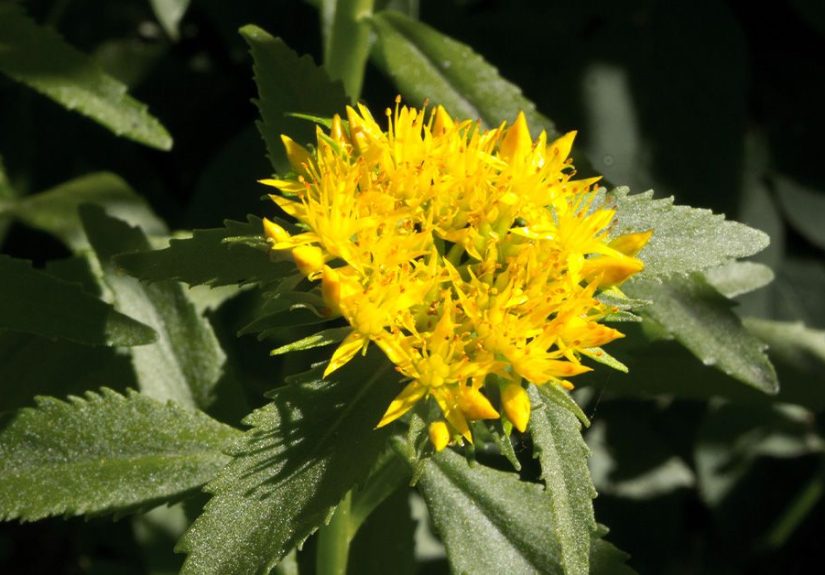
Rhodiola rosea is a flowering plant that grows in cold, mountainous regions. The root and rhizome
are used in supplements (capsules, tablets, liquids, sometimes tea).
It has a long history of traditional use in parts of Europe and Asia for stamina, endurance, and stress-related fatigue.
“Adaptogen” sounds cool, but what does it mean?
In supplement-land, adaptogen is a term used for herbs thought to support the body’s stress response.
That doesn’t mean “blocks stress” (sadly, no herb can cancel your boss’s emails). It usually implies a gentle, balancing effect:
helping you feel less wiped out by stress and recover faster.
What’s inside rhodiola that might matter?
Many products highlight compounds like rosavins and salidroside.
Some extracts are “standardized,” meaning they aim for consistent levels of these compounds.
Standardization matters because the label “rhodiola” doesn’t guarantee the same potency from bottle to bottle.
Rhodiola benefits: what the evidence actually suggests
Rhodiola gets advertised for everything from “stress support” to “peak performance” to “becoming the kind of person who wakes up at 5 a.m. happily.”
The reality is more specific. The best-studied area is stress-related fatigue, with additional (but less certain) evidence for mood and performance.
1) Stress-related fatigue and “burnout vibes”
This is rhodiola’s main claim to fame: helping people feel less mentally and physically drained when stress is high.
Some studies report improvements in fatigue, mood, and stress symptoms over a few weeks.
It’s not necessarily “more energy” like caffeine; it’s more like “less running on fumes.”
A practical way to think about it: rhodiola may be more useful for stress fatigue than for “I slept 4 hours and now I need a miracle.”
If your fatigue is caused by sleep deprivation, iron deficiency, thyroid issues, depression, or a medical condition,
a supplement won’t be the best first movegetting the root cause checked will.
2) Mood support (mild anxiety, stress, and low mood)
Rhodiola has been studied for mild stress-related mood symptoms, including anxious feelings and low mood.
Some trials show improvements in self-reported stress and mood measures.
What it does not clearly prove is that rhodiola is a replacement for evidence-based depression or anxiety treatment.
If someone is dealing with moderate-to-severe symptoms, it’s smarter (and safer) to treat rhodiola as an optional add-on to professional carenot a substitute.
3) Mental performance and brain fog
A common reason people try rhodiola is “I want my brain to stop buffering.”
Small studies suggest potential improvements in certain cognitive tasksespecially when people are stressed or fatigued
(think exam periods, heavy workloads, or shift schedules).
The fine print: not all studies agree, and some reviews point out that research quality varies.
So a fair expectation is “possible help,” not “turns you into a productivity robot.”
4) Exercise performance and endurance
Rhodiola also shows up in the gym crowd. Research has looked at endurance-related outcomes like time-to-exhaustion and VO2 max.
Some findings suggest modest improvements, especially in endurance measures.
If you try rhodiola for workouts, keep your expectations realistic. It’s unlikely to replace consistent training,
but it may offer a small edge for some peopleparticularly when training stress and life stress collide.
5) Other “maybe” benefits (early evidence)
You’ll see rhodiola marketed for blood sugar, heart health, immune support, and more.
The science here is generally preliminary (often lab/animal research or limited human data).
That doesn’t mean it’s useless; it means it’s too soon to treat those claims like facts.
How rhodiola might work (simple version, no lab coat required)
Researchers have explored several possible mechanisms. Rhodiola may influence the body’s stress systems,
including parts of the HPA axis (the stress-response network involved with cortisol),
as well as neurotransmitters involved in mood and alertness.
In plain English: rhodiola might help your body respond to stress more smoothly,
so the stress response doesn’t hit quite as hardor linger as long.
It may also have antioxidant and anti-inflammatory activity, though translating that into real-world outcomes is complicated.
How to take rhodiola: dosing, timing, and what to expect
There’s no single “perfect” dose because studies use different products and strengths.
Many trials use standardized extracts in the range of a few hundred milligrams per day,
often split into 1–2 doses.
Timing matters (because insomnia is rude)
- Take it earlier in the day (morning or morning + lunch). Some people feel more alert on it.
- Avoid taking it near bedtime, especially if you’re sensitive to anything stimulating.
- If you’re new: start low for several days and see how you feel before increasing.
How fast does it work?
Some people report feeling something within a few days (usually “less tired under stress”),
while others notice changes after 2–4 weeks. And some notice… absolutely nothing.
That’s normal. Bodies are delightfully inconsistent.
How long is it safe to use?
Safety data is best for short-term use. Many reputable health sources describe rhodiola as possibly safe for
limited durations (often weeks rather than months).
If you’re considering long-term use, it’s worth discussing with a clinicianespecially if you take medications.
Rhodiola side effects: what can go wrong
Rhodiola is often described as fairly well tolerated, but side effects can happenespecially at higher doses
or in people who are sensitive to “energizing” supplements.
Commonly reported side effects
- Insomnia or feeling wired (especially if taken late)
- Headache
- Dizziness or lightheadedness
- Dry mouth (or occasionally extra salivayour body’s sense of humor)
- Stomach upset (less common, but possible)
Most side effects are mild, but “mild” is still annoying. If you feel jittery, irritable, or can’t sleep,
the simplest fix is usually: reduce the dose, take it earlier, or stop.
Rhodiola safety: who should be careful (or skip it)
Supplements are not one-size-fits-all. Rhodiola is a “check with your healthcare provider first” situation for several groups.
Be extra cautious if you:
- Are pregnant or breastfeeding (safety data is limited, so most reputable guidance says avoid unless advised by a clinician).
- Have bipolar disorder or a history of mania/hypomania (any mood-active supplement can potentially be risky).
- Have insomnia or are very stimulant-sensitive (rhodiola can be activating for some people).
- Have blood pressure concerns (effects can vary; also, interactions with blood pressure meds have been reported).
- Are scheduled for surgery (many supplement safety resources advise pausing certain botanicals pre-op due to interaction/bleeding/anesthesia concerns).
Drug interactions: the part people love to skip (please don’t)
Rhodiola may interact with certain medications. The interaction evidence ranges from “reported and worth taking seriously”
to “theoretical, but plausible.” Either way, if you take meds, it’s smart to treat rhodiola like a real pharmacologic playernot just a plant.
Examples of interaction categories to discuss with a clinician
- Blood pressure medications (an interaction with losartan has been reported; this is a big reason to get professional guidance).
- Antidepressants (SSRIs/SNRIs/others): combining mood-active substances can increase side-effect risk.
- Stimulants (ADHD meds, high caffeine intake): rhodiola may add to jitteriness or sleep disruption for some people.
- Diabetes medications: supplements can sometimes influence blood sugar, so monitoring matters.
If you want a simple rule: if the medication label warns about interactions, your supplement should get the same respect.
How to choose a safer rhodiola supplement (quality checklist)
In the U.S., dietary supplements aren’t approved the same way medications are.
That doesn’t mean they’re “bad,” but it does mean quality variesand the label isn’t always the whole truth.
Shopping tips that reduce your odds of a bad time
- Look for third-party testing (quality verification programs can help confirm identity and potency).
- Prefer standardized extracts with clear labeling of active compounds (instead of mystery blends).
- Avoid “proprietary blends” that don’t list exact amounts (your body deserves receipts).
- Start with one new thing at a time so you know what caused what.
- Tell your clinician and pharmacist what you’re takingespecially if you take prescriptions.
If something goes wrong, report it
If you suspect a supplement caused a serious reaction, stop using it and report the issue through official U.S. safety reporting systems.
This helps regulators identify risky products and patterns.
Bottom line
Rhodiola rosea has the best evidence for helping with stress-related fatigue,
with additional (but less certain) support for mood and performance in certain contexts.
It’s usually considered short-term friendly for many adults, but side effects like insomnia, headache, and dizziness can happen.
The biggest safety wins come from smart basics: buy a quality product, start low, take it early, and don’t combine it casually with medications
especially blood pressure meds or antidepressantswithout professional guidance.
Real-world experiences (500-word add-on)
Below are common, real-life style experiences people often describe when experimenting with rhodiola.
These are illustrative scenarios (not medical advice, and not a promise you’ll feel the same),
but they’ll help you picture what “rhodiola results” can look like outside a clinical paper.
The “Afternoon Crash” office worker
A typical story: someone with a demanding job hits a daily wall around 2–3 p.m. Coffee helps, but also triggers anxiety or stomach issues.
They try rhodiola in the morning for a few weeks. What they report isn’t a joltmore like the crash becomes less dramatic.
They still feel tired, but it’s more “I can finish my tasks” tired, not “I am one email away from lying on the floor.”
The catch? If they take a second dose after lunch, their sleep gets lighter, so they stick to mornings only.
The stressed-out student during exams
Students often chase rhodiola for focus. Many describe a subtle effect: less mental fatigue after long study sessions,
and slightly better tolerance for stress. But the same people sometimes notice a “sped up” feelingespecially if they stack rhodiola with energy drinks.
The lesson they learn the hard way: rhodiola plus caffeine can be a bit like inviting two motivational speakers into your brain at once.
Helpful for some, chaotic for others.
The weekend athlete who wants “better training without more suffering”
Some recreational runners or cyclists try rhodiola hoping for better endurance.
A common report is that hard efforts feel marginally more manageable, or recovery feels a little smoother during stressful weeks.
But just as often, people say they can’t tell if it’s rhodiola or simply better sleep, better hydration, or the placebo effect doing cardio too.
(Placebo is not “fake,” by the wayit’s your brain being powerful. Still, it’s good to be honest about it.)
The person with a sensitive nervous system
Not everyone loves rhodiola. Some people feel jittery, irritable, or “wired but tired,” especially at higher doses or when taken late.
In those cases, the best move is usually boring but effective: stop, reassess, and don’t force it.
A supplement that makes you feel worse is not a “detox reaction.” It’s your body saying, “Hard pass.”
The cautious planner who treats it like a real intervention
The smoothest experiences come from people who treat rhodiola like a trial:
they pick a reputable product, start with a low dose, keep caffeine stable, and track sleep and mood for 2–4 weeks.
They also check for medication interactions instead of winging it.
These are the folks most likely to figure out whether rhodiola is helpful for themand to avoid turning a “wellness experiment”
into an “unexpected insomnia hobby.”
If you’re curious, rhodiola can be a reasonable short-term experiment for some adultsespecially for stress-related fatigue
but it works best when paired with the unsexy fundamentals: sleep, nutrition, movement, and medical follow-up when needed.
The goal isn’t to become a superhuman. It’s to feel more like yourself again.