Table of Contents >> Show >> Hide
- Why COVID-19 vaccines became a turning point
- The 3 vaccine front-runners that shaped early hope
- How these vaccines worked: mRNA versus viral vector
- Why speed did not mean “rushed”
- What “front-runner” really meant
- The role of boosters and variants
- Safety monitoring: the part people do not always see
- What these vaccines taught the world
- Practical takeaways for readers
- Experiences and reflections: what hope felt like during the vaccine era
- Conclusion
When COVID-19 swept across the world, hope did not arrive wearing a cape. It arrived in lab coats, safety goggles, data tables, and a lot of coffee. The race to develop COVID-19 vaccines became one of the most ambitious scientific efforts in modern medical history. While the virus moved fast, researchers, public-health agencies, manufacturers, regulators, doctors, nurses, and volunteers moved faster than many people thought possible.
Among the many COVID-19 vaccine candidates that emerged, three front-runners became especially important in the United States conversation: Pfizer-BioNTech, Moderna, and Johnson & Johnson’s Janssen vaccine. Each represented a different chapter in pandemic hope. Pfizer-BioNTech and Moderna pushed mRNA vaccine technology into the global spotlight. Johnson & Johnson offered a single-dose viral vector option that seemed, at first, especially useful for hard-to-reach communities and large-scale vaccination campaigns.
This article explores how these three vaccine front-runners worked, why they mattered, what their strengths and limitations were, and what their story teaches us about science under pressure. Spoiler alert: science is not magic. It is more like assembling a plane while flying through a thunderstorm, except everyone wants peer-reviewed proof before landing.
Why COVID-19 vaccines became a turning point
Before vaccines were available, COVID-19 changed daily life in ways few people had imagined. Schools closed. Hospitals stretched their resources. Families celebrated birthdays through screens. People learned the emotional difference between “working from home” and “living at work with a laptop.” The urgent goal was not simply to stop every infection overnight. The larger mission was to reduce severe illness, hospitalizations, and deaths while helping society reopen more safely.
Vaccines became central because they trained the immune system before a dangerous encounter with SARS-CoV-2, the virus that causes COVID-19. In simple terms, a vaccine gives the body a preview of the enemy’s uniform. That way, if the real virus appears later, the immune system is not standing there confused like someone who forgot why they walked into the kitchen.
The remarkable speed of COVID-19 vaccine development did not mean researchers skipped safety steps. Instead, several processes happened at the same time: clinical trials were launched quickly, manufacturing was scaled before final authorization, governments invested heavily, and regulators reviewed data on accelerated timelines. The foundation also rested on years of prior research into coronaviruses, spike proteins, mRNA platforms, viral vectors, and immune responses.
The 3 vaccine front-runners that shaped early hope
Many vaccine candidates were studied worldwide, but Pfizer-BioNTech, Moderna, and Johnson & Johnson became household names in the United States because they were among the earliest authorized options. Their differences helped public-health planners match vaccine strategies to real-world needs, from urban hospitals with ultra-cold freezers to rural clinics that needed simpler storage.
1. Pfizer-BioNTech: The first big mRNA breakthrough
The Pfizer-BioNTech COVID-19 vaccine, later known by the brand name Comirnaty, became a historic milestone. It was the first COVID-19 vaccine to receive emergency authorization in the United States and later became the first to receive full FDA approval. That alone earned it a place in vaccine history, right next to “things people suddenly became experts in at dinner.”
Pfizer-BioNTech uses messenger RNA, or mRNA. Unlike older vaccine approaches that may use weakened or inactivated viruses, mRNA vaccines deliver genetic instructions that teach cells to make a harmless piece of the coronavirus spike protein. The immune system notices that protein, reacts to it, and builds defenses. The mRNA does not change a person’s DNA, does not remain in the body permanently, and does not contain the live virus.
In clinical trials, the Pfizer-BioNTech vaccine showed strong protection against symptomatic COVID-19 in people aged 16 and older during the original study period. Its two-dose schedule, given several weeks apart, became familiar to millions of Americans. The vaccine’s early success helped validate mRNA technology on a global stage and gave public-health leaders a powerful tool during the pandemic’s darkest months.
Its biggest early challenge was logistics. The original storage requirements involved very cold temperatures, which made distribution more complicated for clinics, pharmacies, and smaller facilities. Over time, storage guidance evolved, and health systems adapted. Still, Pfizer-BioNTech showed that a vaccine could be developed, tested, authorized, shipped, and administered at extraordinary speed without abandoning scientific review.
2. Moderna: The mRNA partner in the spotlight
Moderna’s vaccine, later known as Spikevax, was the second major mRNA vaccine to receive emergency authorization in the United States. Like Pfizer-BioNTech, Moderna used mRNA instructions to help the body recognize the coronavirus spike protein. Also like Pfizer-BioNTech, Moderna required two doses in its original primary series.
Moderna’s clinical trial results showed high efficacy against symptomatic COVID-19 during the original trial period. The vaccine also became important because its storage requirements were somewhat easier to manage than the earliest Pfizer-BioNTech requirements. That mattered in the real world, where a vaccine is only useful if it can actually reach arms, not just look impressive in a press release.
Another reason Moderna stood out was its connection to years of government-supported research. The National Institute of Allergy and Infectious Diseases and other scientific partners had invested in coronavirus research before the pandemic. That earlier work helped researchers move quickly once the genetic sequence of SARS-CoV-2 became available. The vaccine race may have looked sudden from the outside, but it was built on a long runway of preparation.
Moderna’s success also changed how many people viewed mRNA technology. Before COVID-19, mRNA vaccines were often discussed in scientific and biotech circles. After COVID-19, the term “mRNA” became part of everyday conversation, right up there with sourdough starter, video meeting etiquette, and whether sweatpants counted as business casual. Moderna helped turn a promising platform into a proven public-health tool.
3. Johnson & Johnson/Janssen: The single-dose contender
Johnson & Johnson’s Janssen vaccine brought a different approach. It used a viral vector platform, specifically a modified adenovirus that could not replicate in the body. This vector delivered instructions that helped cells make the spike protein, prompting an immune response. Unlike the mRNA vaccines, the original Janssen vaccine was authorized as a single-dose option.
That single-dose design was a major reason it attracted attention. A one-shot vaccine was easier to schedule, easier to complete, and potentially valuable for mobile clinics, homeless shelters, correctional facilities, rural areas, and communities where returning for a second dose might be difficult. In public health, convenience is not a luxury. It can be the difference between a plan that looks good on paper and one that actually works.
The Janssen vaccine showed meaningful protection in clinical trials, especially against severe-critical COVID-19. However, its role changed over time. Rare safety concerns, including thrombosis with thrombocytopenia syndrome and Guillain-Barré syndrome, led U.S. health authorities to prefer mRNA vaccines when available. Eventually, the Janssen COVID-19 vaccine was no longer used in the United States after the company requested withdrawal of its authorization, citing expired government-purchased lots and lack of demand for new lots.
That history is important because it shows how vaccine recommendations can evolve. Science is not a statue; it is a process. When new safety data, effectiveness data, variant patterns, and supply realities emerge, guidance changes. That is not a failure of science. That is science doing its job, even when the update is less tidy than a movie ending.
How these vaccines worked: mRNA versus viral vector
The Pfizer-BioNTech and Moderna vaccines both used mRNA technology. Their basic idea was elegant: give the body temporary instructions to make a harmless spike protein fragment, let the immune system practice recognizing it, then allow the instructions to break down naturally. The body keeps the immune memory, not the mRNA message.
The Johnson & Johnson vaccine used a viral vector. Instead of a lipid nanoparticle carrying mRNA, it used a harmless modified virus to deliver genetic instructions. Viral vector technology was not brand-new; researchers had studied it for years in vaccines and other medical applications. The platform’s advantage was that it could be stable and practical for certain distribution settings.
In everyday language, mRNA vaccines were like sending the immune system a temporary recipe card. Viral vector vaccines were like using a harmless delivery truck to drop off the recipe. In both cases, the point was not to cause COVID-19. The point was to train the immune system to recognize the spike protein so it could respond faster later.
Why speed did not mean “rushed”
One of the most common questions about COVID-19 vaccines was, “How did they happen so fast?” It was a fair question. Most vaccines take years to develop, and suddenly the world was hearing about clinical trial results within months. The answer is that speed came from overlap, funding, urgency, and prior sciencenot from throwing safety rules out the window.
Researchers already knew a great deal about coronaviruses from earlier outbreaks such as SARS and MERS. Scientists also had experience studying spike proteins as vaccine targets. Once the genetic sequence of SARS-CoV-2 was shared, vaccine design moved quickly. Meanwhile, governments and manufacturers invested in production before knowing which vaccines would succeed. That was financially risky, but it saved time.
Clinical trials still involved tens of thousands of participants. Independent safety monitoring continued. Regulators reviewed manufacturing quality, immune response data, side effects, and efficacy results. After authorization, safety systems continued tracking rare events. In other words, the timeline compressed bureaucracy and financial risk, not the need for evidence.
What “front-runner” really meant
The term “front-runner” can sound like a sports ranking, as if vaccines were racing around a track while scientists waved tiny flags. In reality, a vaccine front-runner needed several things at once: promising trial results, acceptable safety data, manufacturing capacity, regulatory progress, and practical distribution plans.
Pfizer-BioNTech was a front-runner because it produced strong trial results and became the first U.S.-authorized COVID-19 vaccine. Moderna was a front-runner because it delivered similarly strong mRNA results and had practical storage advantages. Johnson & Johnson was a front-runner because its single-dose design offered a different public-health tool, especially when speed and access were urgent.
But being a front-runner did not mean being perfect forever. Variants changed the landscape. Protection against infection shifted over time. Boosters became important. Safety monitoring refined recommendations. The front-runner story is not about one perfect shot defeating a pandemic in one dramatic scene. It is about multiple tools helping reduce harm while science kept adjusting to a moving target.
The role of boosters and variants
COVID-19 did not politely remain the same virus first seen in early 2020. Variants emerged, including Delta and Omicron, changing the challenge for vaccines. Protection against severe disease generally remained the most important goal, but protection against infection became harder to maintain as the virus evolved.
Booster doses were introduced to strengthen and refresh immune protection, especially for people at higher risk. Updated vaccine formulas later targeted newer variants more closely. This is similar to how flu vaccines are updated regularly, though COVID-19 has its own patterns and public-health debates.
The need for boosters confused some people. They wondered whether a booster meant the original vaccines had failed. A better way to understand it is this: immunity is not a phone battery that stays at 100% forever. It changes over time. The virus changes too. Boosters help remind the immune system what to look for, especially when the virus shows up wearing a slightly different disguise.
Safety monitoring: the part people do not always see
Vaccine safety did not stop after authorization. In fact, authorization was the beginning of a much larger monitoring phase. Systems collected reports, researchers studied real-world outcomes, and health agencies reviewed patterns. This is how rare safety concerns were identified, investigated, and addressed.
The Johnson & Johnson vaccine is a clear example. Rare but serious clotting events led to pauses, reviews, warnings, and eventually a preference for mRNA vaccines in the United States. That process may have felt unsettling, but it also demonstrated that monitoring systems were working. When a signal appeared, experts did not shrug and go back to lunch. They investigated.
For Pfizer-BioNTech and Moderna, monitoring also identified rare risks, such as myocarditis and pericarditis, particularly among younger males after mRNA vaccination. Public-health guidance weighed these risks against the risks of COVID-19 itself, including hospitalization, heart complications from infection, and long COVID. Good public-health decisions rarely involve zero risk. They involve comparing risks honestly.
What these vaccines taught the world
The story of the three vaccine front-runners taught several powerful lessons. First, scientific preparation matters. Years of basic research can look boring until suddenly it saves lives. Second, public-private cooperation can accelerate progress when the goal is urgent and clear. Third, communication matters almost as much as chemistry. A vaccine sitting unused because people do not trust it cannot protect a community.
The pandemic also revealed deep inequalities. Some communities faced higher exposure, higher risk, less access to health care, and more barriers to vaccination. The best vaccine in the world still needs fair distribution, culturally respectful communication, and trusted local messengers. Hope is not just invented in laboratories. It is delivered through clinics, pharmacies, churches, schools, community centers, and conversations at kitchen tables.
Finally, the vaccine race showed that science can move with astonishing speed when society decides to support it. The same mRNA platforms that helped fight COVID-19 may continue influencing research into other infectious diseases and medical conditions. The pandemic was devastating, but it also pushed vaccine science into a new era.
Practical takeaways for readers
For readers trying to make sense of the vaccine story today, the first takeaway is that context matters. The best vaccine option in 2021 may not be the same as the best option in later seasons. Recommendations can vary by age, health status, immune system condition, pregnancy status, prior vaccination history, and circulating variants. People should rely on current guidance from qualified health professionals and public-health authorities, not a viral post from someone whose medical degree appears to be “watched three videos.”
The second takeaway is that vaccine effectiveness is not one number forever. A vaccine can be highly effective against severe disease while being less effective at preventing mild infection months later. It can perform differently against different variants. It can also provide stronger protection after booster doses. Simple slogans rarely capture that complexity.
The third takeaway is that trust grows from transparency. People deserve clear explanations about benefits, risks, uncertainties, and changes in guidance. Public health works best when it treats people as partners, not as problems to be managed.
Experiences and reflections: what hope felt like during the vaccine era
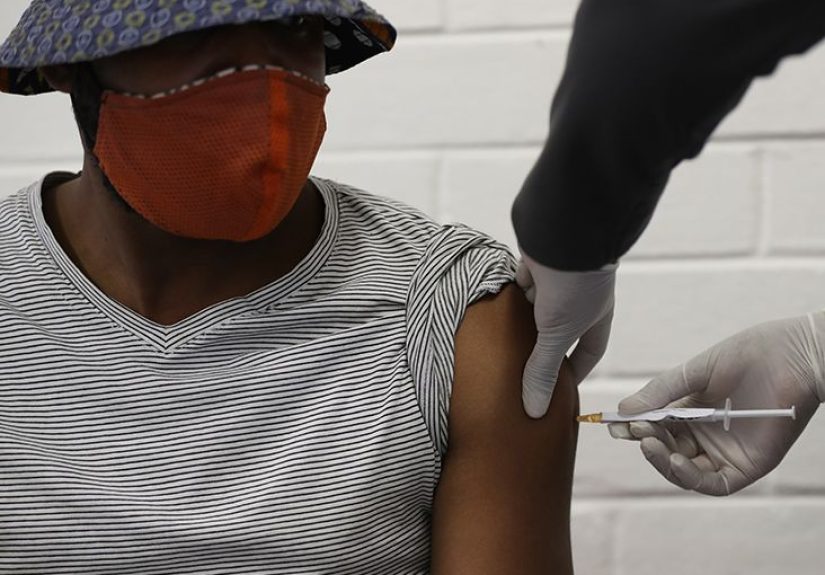
Hope during the COVID-19 vaccine rollout was not loud at first. It was cautious. It sounded like a nurse saying, “We have doses.” It looked like a grandparent rolling up a sleeve. It felt like refreshing a pharmacy appointment page at midnight and finally seeing an open slot, which may be the closest many adults came to winning concert tickets without the concert.
For many families, the arrival of vaccines changed the emotional weather. Before vaccination, every cough could feel suspicious. Every grocery trip came with invisible math: How crowded will it be? Did I remember my mask? Should I wipe down the cereal box, or have we collectively decided the cereal box is innocent? Vaccines did not erase anxiety overnight, but they gave people a sense of agency. After months of waiting, there was finally something concrete to do.
Health-care workers experienced that hope in a deeply personal way. Many had spent months caring for patients while facing exhaustion, fear, and grief. The first vaccinations among doctors, nurses, respiratory therapists, and hospital staff were more than medical appointments. They were emotional milestones. A shot in the arm became a message: you are not fighting this alone.
Families with older relatives often felt a similar shift. The first vaccinated visit with a parent or grandparent carried a strange mix of joy and caution. People still worried. They still checked guidance. But many also hugged someone they had not hugged in months. In those moments, vaccine science moved from clinical trial charts into living rooms. It became a chair pulled closer, a meal shared, a birthday candle blown out with slightly less fear.
Community vaccination sites created their own kind of pandemic memory. Parking lots became clinics. Gymnasiums became public-health hubs. Volunteers directed traffic with the seriousness of airport runway crews. Pharmacists answered the same questions hundreds of times and somehow remained polite. People waited in lines, compared side effects, and took vaccine-card selfies. The whole scene was oddly ordinary and historic at once.
There were also complicated experiences. Some people were hesitant, not because they were careless, but because they were worried, overwhelmed, or distrustful based on past experiences with medical systems. Others struggled with access: no transportation, no flexible work hours, no easy online scheduling, no nearby clinic. The vaccine story was never only about supply. It was also about trust, time, language, technology, and fairness.
That is why the three front-runners mattered beyond their scientific designs. Pfizer-BioNTech showed that mRNA could deliver powerful results. Moderna proved that another mRNA vaccine could move quickly and scale. Johnson & Johnson showed why convenience and access matter, even though its role later changed. Together, they remind us that public health needs both innovation and humility.
The lasting experience of COVID-19 vaccination may be this: hope is not always dramatic. Sometimes it is a refrigerated vial, a consent form, a tired pharmacist, a nervous patient, and fifteen minutes of observation in a folding chair. Sometimes it is science translated into a small bandage. And sometimes, after a long season of fear, that small bandage feels like a flag planted on the moon.
Conclusion
The story of COVID-19 vaccine front-runners is a story of urgency, innovation, imperfection, and resilience. Pfizer-BioNTech, Moderna, and Johnson & Johnson each played a major role in the early fight against COVID-19. The mRNA vaccines became central tools in the United States, while Johnson & Johnson’s single-dose vaccine offered an important early option before later safety and demand factors changed its place in the program.
Most importantly, these vaccines showed what is possible when scientific knowledge, public funding, private manufacturing, regulatory oversight, and community action move toward the same goal. They did not make the pandemic disappear in one cinematic flash. Real life is rude like that. But they reduced risk, gave health systems breathing room, and helped millions of people imagine a path forward.
Hope against COVID-19 was never just about one vaccine or one company. It was about the collective belief that evidence, cooperation, and persistence could push back against a global crisis. That belief remains one of the pandemic’s most valuable lessons.