Table of Contents >> Show >> Hide
- Why Pumpkin Harvest Timing Matters
- When to Harvest Pumpkins: The Biggest Signs They’re Ready
- Watch the Weather: Harvest Before a Hard Freeze
- How to Harvest Pumpkins the Right Way
- What to Do After Harvest: Cure Your Pumpkins
- How to Store Pumpkins So They Last
- Common Pumpkin Harvest Mistakes to Avoid
- Real-World Pumpkin Harvest Experiences from the Garden
- Final Thoughts
Growing pumpkins is one of gardening’s great slow-burn pleasures. You plant a tiny seed, wait through a whole season of sprawling vines and suspiciously dramatic leaves, and then one day your garden looks like fall threw a party. But here’s the catch: knowing how and when to harvest pumpkins from your garden matters just as much as growing them. Pick too early, and you get pale, soft-skinned pumpkins with weak flavor and short shelf life. Pick too late, and cold weather, rot, or cracked stems can turn your prize pumpkin into compost with ambition.
The good news is that pumpkin harvest timing is not mysterious. You do not need to consult the moon, interpret crow behavior, or listen for your pumpkin whispering “take me now.” You just need to know the signs of ripeness, watch the weather, and handle the fruit correctly once it comes off the vine.
In this guide, you’ll learn exactly when pumpkins are ready, how to harvest them without damaging the fruit, what to do if frost is coming, and how to cure and store pumpkins so they last as long as possible. Whether you’re growing pie pumpkins, carving pumpkins, or a giant backyard show-off that clearly thinks it deserves its own ZIP code, the basics are the same.
Why Pumpkin Harvest Timing Matters
Pumpkins don’t improve after harvest the way some fruits do. Once you cut them from the vine, flavor and storage potential are mostly set. A fully mature pumpkin has a harder rind, better color, stronger resistance to rot, and a much better chance of lasting through porch season or into the kitchen for pies, soups, and roasted wedges.
Harvest timing also affects appearance. If you’re growing pumpkins for decorating, a mature rind helps the fruit hold its shape and resist collapse. If you’re growing pumpkins for eating, proper maturity helps you get better texture and sweetness. In other words, pumpkin harvest is not just about “Is it orange yet?” It’s about getting the best out of everything you spent months growing.
When to Harvest Pumpkins: The Biggest Signs They’re Ready
If you’ve been wondering about the best pumpkin harvest time, start with the fruit itself. The calendar can help, but the pumpkin gives the final answer.
1. The Color Looks Fully Developed
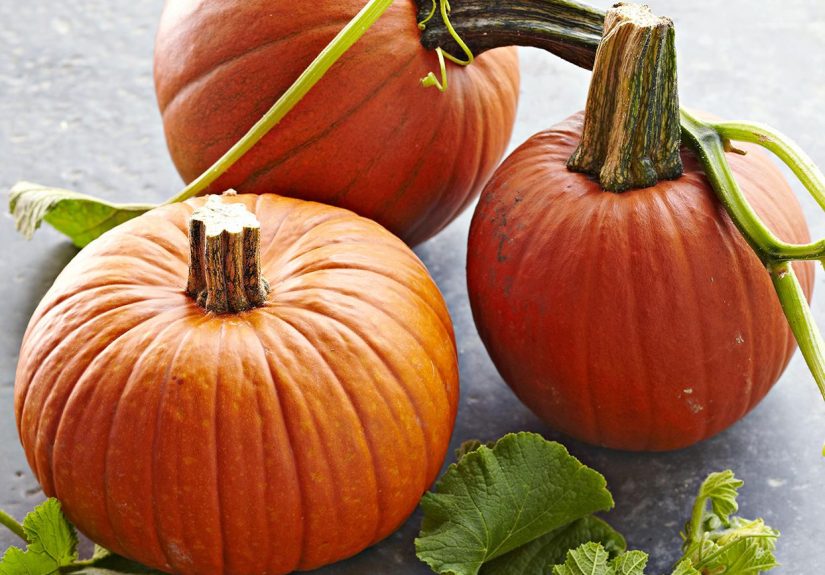
Most classic pumpkins turn a deep, even orange when ripe, but not every variety follows the same script. Some mature to tan, white, blue-green, or a muted orange. The real question is whether your pumpkin has reached its mature color for that variety. If it still looks patchy, half-green, or undecided about its life choices, leave it on the vine a little longer if weather allows.
That said, color alone is not enough. Some pumpkins color up before they are fully mature, which is why smart gardeners pair color with other ripe pumpkin signs.
2. The Rind Is Hard, Not Tender
This is one of the best tests. Press your thumbnail gently into the rind. A ripe pumpkin should resist puncture or scratching. If your nail slips right in or leaves a deep mark, the rind is still immature. Think of it this way: a harvest-ready pumpkin should feel more like a sturdy shell than a tender squash.
A hard rind matters because it protects the fruit from bacteria, fungi, bruising, and moisture loss. It is nature’s version of bubble wrap, except prettier and much less annoying.
3. The Skin Looks Dull, Not Shiny
Young pumpkins often have glossy skin. Mature pumpkins usually develop a more matte or dull finish. If your fruit still shines like it’s auditioning for a produce commercial, it may need more time. Duller skin often signals that the rind has hardened and the fruit is nearing peak harvest condition.
4. The Stem Looks Dry, Corky, or Woody
A green, fresh-looking stem often means the pumpkin is still actively feeding from the vine. As the fruit matures, the stem typically begins to dry, harden, and develop a corky or woody texture. Some gardeners call this “stem corking,” and it’s one of the clearest clues that the pumpkin is finishing up.
If the stem is still soft and lush, don’t panic. Use it as one clue, not the only clue. A mature pumpkin usually shows a combination of full color, hard rind, and a stem that looks more rugged than juicy.
5. The Vine Is Starting to Decline
Pumpkin vines often yellow and die back as the fruit matures. That can be a helpful sign, but it is not foolproof. Vines can also collapse early because of drought, insects, or disease. So if the vine looks rough, inspect the fruit itself before harvesting. A miserable vine does not automatically equal a ripe pumpkin. Sometimes it just means the plant had a hard summer and would like a nap.
6. The Days to Maturity Match the Variety
Seed packets usually list a rough number of days to maturity, often somewhere around 90 to 120 days, though some giant types take longer. Use that number as a planning tool, not a law of physics. Weather, watering, soil fertility, and variety all affect harvest timing. Your pumpkin did not sign a contract promising to ripen on day 102 at 3:17 p.m.
Watch the Weather: Harvest Before a Hard Freeze
If there’s one rule worth taping to your shed wall, it’s this: harvest pumpkins before a hard freeze. A light frost may kill the vine without hurting mature fruit much, but a hard freeze can damage the rind, shorten storage life, and invite rot.
Rainy, cold weather can also create problems. Prolonged damp conditions increase the risk of disease and decay, especially if fruit is sitting directly on wet soil. If your pumpkins are mature and a stretch of cold rain is moving in, that’s your cue to get harvesting.
If frost arrives early and your pumpkins have at least started to color, bring them in anyway. Many will continue to finish coloring in a warm, dry place. They may not become perfect long-storers, but they will usually be better off indoors than shivering outside in the garden.
How to Harvest Pumpkins the Right Way
Once you’ve confirmed your pumpkins are ready, it’s time for the fun part: the actual harvest. This is where many gardeners accidentally reduce storage life without realizing it.
Step 1: Pick a Dry Day
Harvest on a sunny or at least dry day if possible. Dry conditions help reduce the spread of disease and make curing easier. Wet pumpkins are more likely to carry surface moisture into storage, and nothing good begins with “I stored them damp.”
Step 2: Wear Gloves
Pumpkin vines and stems can be prickly. Gloves are not a sign of weakness. They are a sign that you respect your hands and have been betrayed by squash before.
Step 3: Use Sharp Pruners or a Knife
Never yank a pumpkin off the vine. Cut it cleanly with sharp pruners, loppers, or a knife. Leave several inches of stem attached, usually about 2 to 4 inches. That stem is not just decorative; it helps slow rot and protects the fruit from infection.
Step 4: Do Not Carry It by the Stem
This is where many gardeners get overconfident. The stem is not a handle. It is a bonus. If it snaps off, the pumpkin becomes more vulnerable to decay. Lift from the bottom or cradle the fruit with both hands, especially if you’re harvesting large carving pumpkins or cooking varieties with some real heft.
Step 5: Handle Gently
Bruises, cuts, and punctures open the door to rot. Set pumpkins down gently, avoid stacking them into unstable piles, and keep them from knocking into each other. If a pumpkin gets damaged during harvest, use that one first instead of saving it for long storage.
What to Do After Harvest: Cure Your Pumpkins
If you want your pumpkins to last, don’t skip curing. Curing pumpkins helps harden the rind, heal small surface injuries, and improve storage life. It can also slightly improve eating quality in some types.
The general idea is simple: keep harvested pumpkins warm, dry, and well-ventilated for about a week to two weeks. Ideal curing conditions are often described as roughly 80 to 85 degrees Fahrenheit with good air circulation. If you can control humidity, moderate-to-high humidity during curing can help, but for home gardeners the main priorities are warmth, dryness, and airflow.
A greenhouse, enclosed porch, garage, or airy shed can work. Some gardeners cure pumpkins right in the garden for several days if the weather is warm and dry. If rain or cold threatens, move them under cover.
How to Store Pumpkins So They Last
After curing, move pumpkins to a cool, dry, ventilated space. Ideal storage is usually around 50 to 55 degrees Fahrenheit with moderate humidity and good airflow. Do not store pumpkins where they freeze, and do not keep them in a warm room for long-term storage unless your goal is “decorative pumpkin, speed run.”
Best Pumpkin Storage Tips
- Store pumpkins in a single layer.
- Do not let them touch if possible.
- Keep them off damp floors.
- Check them regularly and remove any soft or decaying fruit.
- Keep them away from apples, pears, and ripening tomatoes, which release ethylene gas and can shorten storage life.
How long they last depends on variety, growing conditions, and how gently they were handled. Some will keep only a couple of months, while others may last much longer under ideal conditions. In general, pie pumpkins and some winter squash relatives outlast thin-skinned decorative types.
Common Pumpkin Harvest Mistakes to Avoid
Harvesting Too Early
If the rind is still soft, the stem is green, and the color is incomplete, wait if the weather cooperates. Immature pumpkins are more likely to shrivel or rot.
Waiting Too Long
Leaving pumpkins in the garden through repeated cold, wet spells can ruin storage life. Mature pumpkins do not get magical bonus points for hanging around indefinitely.
Using the Stem Like a Suitcase Handle
Yes, it looks convenient. No, it is not a good idea.
Skipping the Curing Stage
If you want pumpkins for storage, curing is worth the effort. It is one of the easiest ways to extend the life of your harvest.
Storing Them in the Wrong Spot
A sunny windowsill, hot mudroom, or chilly near-freezing garage can all shorten storage life. Cool, dry, and ventilated wins every time.
Real-World Pumpkin Harvest Experiences from the Garden
Ask gardeners about pumpkin harvest, and you’ll hear the same theme again and again: the best lessons usually come from one gorgeous success and one absolute pumpkin disaster. The first year many people grow pumpkins, they assume big means ripe. It’s an understandable mistake. A pumpkin can look enormous, bright, and photo-ready, yet still have a rind soft enough to dent with a thumbnail. That kind of pumpkin may look great for a weekend, then start collapsing just when guests arrive. It is a very humbling way to learn that maturity matters more than size.
Another common experience is discovering how quickly weather can change the plan. A gardener may intend to leave pumpkins on the vine “just a few more days” for richer color, only to get hit with a surprise cold snap or a week of rain. Suddenly the harvest becomes a rescue mission. Pumpkins that were nearly ready often do fine if brought into a warm, dry area, but gardeners usually remember that moment the next season and start watching forecasts much more closely.
Many home growers also learn the hard way that stems are not handles. It happens in one quick motion: you lift a handsome pumpkin by the stem, the stem snaps, and your beautiful fruit now has a wound at the top that practically invites rot to move in. After that, most gardeners become extremely loyal to the “carry from the bottom” rule. A broken stem may not ruin a pumpkin immediately, but it often moves that fruit to the front of the use-first line.
There’s also the surprisingly important lesson of curing. Gardeners who cure pumpkins properly often notice a big difference in how long the fruit lasts and how sturdy the rind feels afterward. Those who skip curing sometimes find that perfectly decent pumpkins begin to soften early in storage. It’s one of those behind-the-scenes steps that doesn’t feel glamorous in the moment, but it pays off later when your pumpkins are still sound weeks after harvest.
Then there is the issue of storage location, which seems simple until real life gets involved. A basement may be too humid. A garage may swing from warm afternoons to chilly nights. A porch may look charming but expose the fruit to rain, squirrels, and temperature swings. Gardeners often experiment for a season or two before finding the sweet spot: cool, dry, shaded, and ventilated. Once they do, they suddenly look like pumpkin geniuses when really they just found the right corner of the house.
Experienced gardeners also become more flexible with color. Early on, many assume every ripe pumpkin must be a perfect Halloween orange. After growing more varieties, they learn that mature color can be creamy, gray-blue, buff, striped, or deeply ribbed with unusual tones. That shift in mindset is helpful because it encourages gardeners to judge ripeness by the whole package: rind hardness, stem texture, plant condition, and weather. Not just color.
And perhaps the most satisfying experience of all is harvesting at exactly the right moment: the rind is firm, the stem is corky, the weather is dry, and every pumpkin comes inside clean and sound. That kind of harvest makes a gardener feel wildly competent for at least several days. Possibly even smug. Which is fair. Pumpkins take up half the garden, sprawl wherever they want, and test your patience for months. When you finally cut them from the vine at the perfect stage, you’ve earned every bit of that victory.
Final Thoughts
Learning how and when to harvest pumpkins from your garden comes down to reading the fruit, respecting the forecast, and handling every pumpkin like it has a future. Look for mature color, a hard rind, a dry or corky stem, and a plant that is naturally winding down. Harvest before a hard freeze, cut with several inches of stem, cure in warm, airy conditions, and store the fruit somewhere cool and dry.
Do all that, and your pumpkins won’t just survive harvest day. They’ll stay handsome for decorating, useful for cooking, and satisfying enough to make you start planning next year’s patch before this year’s vines are even gone. That’s the thing about pumpkins: they take over the garden, then they take over your autumn, and honestly, we let them.