Table of Contents >> Show >> Hide
- Why After-Bloom Care Matters (AKA: Don’t Ghost Your Freesia)
- The 7-Step After-Bloom Plan for Potted Freesia
- Step 1: Deadhead the Spent Flowers (Keep It Tidy, Keep It Focused)
- Step 2: Give the Plant Bright Light (Leaves = Solar Panels)
- Step 3: Keep WateringBut Like a Responsible Adult
- Step 4: Feed Lightly to Rebuild the Corm (Not a Buffet, a Snack)
- Step 5: Let the Leaves Yellow Naturally (Yes, It’s UglyIt’s Also Correct)
- Step 6: Reduce Watering and Start Dormancy (Dry Rest = Future Flowers)
- Step 7: Cure, Store, and Replant at the Right Time
- Quick Timeline: What “Normal” Looks Like After Blooming
- Common Mistakes That Prevent Rebloom (And How to Fix Them)
- FAQ: Potted Freesia After Blooming
- Real-World “Experience” Section: What This Looks Like in Actual Homes and Patios (About )
- Scenario 1: The Apartment Windowsill Freesia (Bright Light, Dry Air, Busy Owner)
- Scenario 2: The Patio Pot That Gets Summer Thunderstorms (AKA: Surprise Watering)
- Scenario 3: The Warm-Climate Balcony (Great Winters, Hot Springs)
- Scenario 4: The “Why Didn’t It Bloom Again?” Mystery (The Classic Sequel Problem)
- Conclusion: Your Freesia’s Next Bloom Starts Right After This One
Your potted freesia just finished blooming. The flowers are fading, the fragrance is no longer punching you in the face (politely), and you’re staring at the plant like: “Now what?” Great news: the “after” part is where you earn next season’s blooms. Freesia grows from corms (think: bulbs with a tougher personality), and after flowering the plant’s main job is to recharge those corms for the next round.
Below is a simple, real-world plan for potted freesia after bloomingno mystical gardening rituals required, just good timing, sensible watering, and a little patience while the leaves do their boring-but-heroic work.
Why After-Bloom Care Matters (AKA: Don’t Ghost Your Freesia)
When freesia finishes flowering, it isn’t “done.” It’s switching from showtime to savings-account mode. The leaves keep photosynthesizing and sending energy down to the corms. If you cut the foliage too early, drown the pot, or shove it into a dark corner like a forgotten gym membership, you’re basically telling the plant: “Please return next year with zero flowers and maximum disappointment.”
Proper freesia after flowering care helps your corms mature, reduces rot risk, and sets you up for a stronger rebloomespecially important if your freesia was forced indoors (forcing uses a lot of stored energy).
The 7-Step After-Bloom Plan for Potted Freesia
Step 1: Deadhead the Spent Flowers (Keep It Tidy, Keep It Focused)
Once blooms fade, snip off the spent flower stalks. This keeps the plant from wasting energy on seed production and helps it redirect resources toward rebuilding the corm. Use clean scissors and cut the flower stem down close to the foliagedon’t hack the leaves.
- Do: Remove fading flowers and brown stalks.
- Don’t: Cut green leaves “because they look messy.” (We’ll fix messy later.)
Step 2: Give the Plant Bright Light (Leaves = Solar Panels)
After blooming, your freesia still wants bright light. If it’s indoors, keep it near a sunny window. If it’s outside, give it sun with a bit of protection from harsh afternoon heat in warmer areas. Freesia can handle full sun, but strong heat can speed up dormancy before the corm is fully recharged.
Translation: let the leaves work overtime, but don’t put them in a sauna.
Step 3: Keep WateringBut Like a Responsible Adult
Right after flowering, continue watering so the soil stays lightly moist, not soggy. The plant is still growing and storing energy. Overwatering is the easiest way to invite rot, fungus, and regret.
- Water when the top inch of potting mix feels dry.
- Make sure the pot drains freely (no standing water in the saucer).
- If your potting mix stays wet for days, you likely need better drainage or a lighter mix next season.
Step 4: Feed Lightly to Rebuild the Corm (Not a Buffet, a Snack)
Freesia isn’t a heavy feeder, but a little nutrition helps it rebuild. Start feeding lightly while foliage is still actively growing. A balanced liquid fertilizer or a bulb-friendly fertilizer can work well.
A practical schedule: every 2 weeks for 4–6 weeks after flowering (or until leaves begin to yellow), using a diluted solution per label directions. If you already fertilized during active growth, keep this step gentle.
Step 5: Let the Leaves Yellow Naturally (Yes, It’s UglyIt’s Also Correct)
As weeks pass, the foliage will start to yellow and flop. This is normal. The plant is naturally heading toward dormancy, especially as temperatures rise. Don’t rush it. Wait until leaves are mostly yellow and withered before removing them.
If the “dying leaves aesthetic” offends you, you have options:
- Move the pot to a less visible spot that still gets good light.
- Cluster it behind other container plants like a shy kid at a school dance.
- Use a simple plant support ring to keep foliage from sprawling.
Step 6: Reduce Watering and Start Dormancy (Dry Rest = Future Flowers)
Once the leaves are clearly yellowing, begin tapering watering. When the foliage has died back, stop watering and let the potting mix dry out. Freesia corms need a dry rest period. Too much moisture during dormancy can rot the corms faster than you can say “But I only watered a little!”
At this stage you have two storage choices:
- Option A: Store corms in the pot. Move the pot to a sheltered, dry place (like a garage shelf or covered patio) where it won’t get rain.
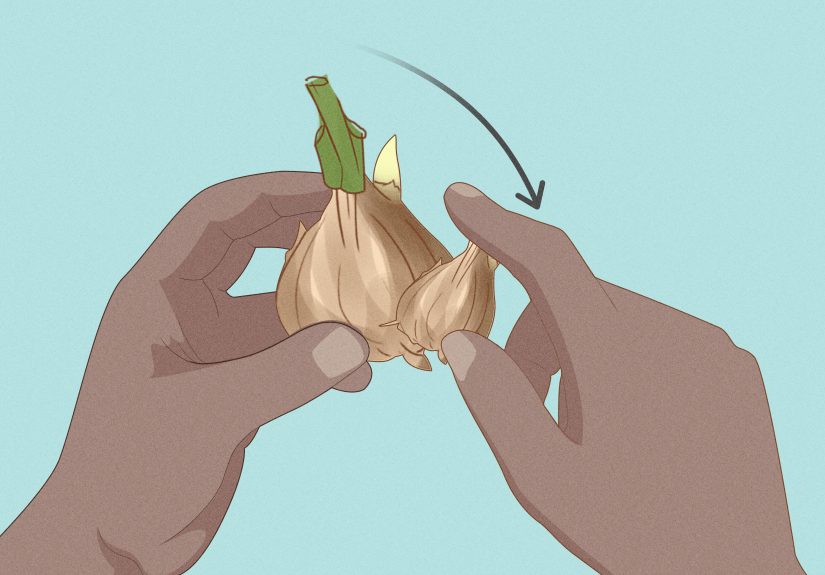
- Option B: Lift and store corms. Once the mix is dry and foliage is removed, unpot the plant, gently brush off soil, and separate the corms.
Step 7: Cure, Store, and Replant at the Right Time
Here’s the part many people skip: freesia corms often benefit from a warm “curing” period after the plant dies downespecially if you want reliable rebloom. Commercially prepared corms are often treated before sale, which is one reason they bloom so well the first time. Reusing your own corms can work, but it’s a little more “DIY.”
A simple home-friendly storage routine:
- Dry: After lifting, let corms dry in a warm, airy place out of direct sun for about 1–2 weeks.
- Inspect: Discard any that are soft, moldy, or oozing. Healthy corms feel firm.
- Cure warm: Store dry corms in a paper bag or breathable container in a warm spot for several weeks.
- Hold cool & dry: After curing, keep them dry and protected until planting time.
When to replant: Timing depends on your climate and whether you want indoor blooms.
- Warm climates (roughly USDA zones 9–10): Freesia can often be grown outdoors and planted in fall for late winter/spring bloom.
- Cooler climates: Treat freesia as tender. Replant outdoors in spring after frost, or grow in containers and bring it along for the ride indoors.
- Indoor “forcing” for winter blooms: Pot corms in late summer through fall for winter flowering, aiming for bright light and cooler temperatures.
Quick Timeline: What “Normal” Looks Like After Blooming
| Time After Bloom | What You Do | What the Plant Does |
|---|---|---|
| Week 0–1 | Deadhead, keep in bright light, water moderately | Stops flowering, shifts energy to corms |
| Weeks 1–6 | Light feeding, consistent (not soggy) moisture | Leaves photosynthesize and recharge corms |
| Weeks 6–10 | Reduce watering as leaves yellow | Gradual dieback, dormancy begins |
| After dieback | Dry rest; store in pot or lift and store corms | Corms rest and mature for next cycle |
Common Mistakes That Prevent Rebloom (And How to Fix Them)
Mistake 1: Cutting Leaves Too Early
If you remove green leaves right after flowering, the corms don’t finish refueling. Next season you may get leaves but few (or no) flowers. Fix: Leave foliage until it yellows and withers naturally.
Mistake 2: Overwatering During Dormancy
Dormant corms sitting in wet potting mix are basically a rot fundraiser. Fix: Once foliage is gone, keep the pot dry or lift corms and store them dry.
Mistake 3: Too Warm While Growing
Freesia prefers cooler conditions to bloom well. If your plant is baking in high heat, it may shut down early. Fix: Give it bright light, but avoid hot rooms, heat vents, and scorching patios.
Mistake 4: Expecting Instant Encore Blooms After Forcing
Forced bulbs and corms often need time to rebuild strength. Sometimes they skip a season or bloom less the next year. Fix: Be patient, follow the recharge steps, and consider that results may improve over multiple cycles.
FAQ: Potted Freesia After Blooming
Should I repot my freesia after flowering?
Not immediately. Let it finish leaf growth first. If the mix is old, compacted, or slow-draining, plan to repot when you plant the corms again. Use a light, well-draining potting mix and a pot with excellent drainage holes.
Can I leave the corms in the pot all summer?
Yes, if the pot stays dry and doesn’t get rained on. Many gardeners simply move the pot to a sheltered place and let the corms rest. The main risk is accidental watering or summer storms soaking the pot.
My freesia has yellow leaves but the soil is still wetwhat now?
Yellow leaves plus wet soil is a red flag for overwatering or poor drainage. Stop watering, move the pot to a protected spot, and let it dry. If you suspect rot (soft base, bad smell), lift and inspect the corms.
Real-World “Experience” Section: What This Looks Like in Actual Homes and Patios (About )
A care guide is nice, but real life is messysometimes literally. Here are a few common freesia after-bloom situations gardeners run into, and how the 7 steps play out when your plant is living in the chaos of normal human schedules.
Scenario 1: The Apartment Windowsill Freesia (Bright Light, Dry Air, Busy Owner)
Your freesia finished blooming in the sunniest window you’ve got. You deadhead the flower stalks, feel proud, and then promptly forget the plant exists for four days because work, laundry, and a suspiciously long “quick” trip to Target happened. The pot dries out, leaves start to flop, and you panic-water like you’re putting out a fire.
The recovery move here is simple: return to steady, moderate watering (Step 3), not extremes. Freesia likes lightly moist soil during the recharge phasethink “damp sponge,” not “swamp.” If the air is very dry indoors, you may need slightly more frequent watering, but drainage still rules the kingdom. Keep it in bright light (Step 2), feed lightly for a few weeks (Step 4), and let the leaves yellow on their own timetable (Step 5). In apartments, people often try to “clean up” the plant early because it looks tired. Resist. This is the part that decides whether you get flowers next time.
Scenario 2: The Patio Pot That Gets Summer Thunderstorms (AKA: Surprise Watering)
Outdoors, freesia can recharge beautifullyuntil summer weather shows up like an uninvited houseguest. You’re doing everything right: leaves are yellowing, you’ve reduced watering, and you’re ready for dormancy. Then a storm dumps rain into your pot for two days straight.
This is where Step 6 becomes a lifesaver: move the pot under cover when dormancy starts. Many gardeners lose corms not during growth, but during rest, when the plant doesn’t need water and the pot stays wet too long. If your area gets summer rain, lifting and storing corms (Option B) is often the safer “set it and forget it” strategy.
Scenario 3: The Warm-Climate Balcony (Great Winters, Hot Springs)
In milder zones, freesias can behave more like seasonal outdoor plants. You may notice they love cool nights and mild daysand then suddenly go dormant when temperatures climb. The trick is not to fight dormancy with constant water. Once leaves start yellowing, taper water and let the pot dry (Step 6). If you keep watering heavily through heat, you can trigger rot at exactly the wrong time.
Scenario 4: The “Why Didn’t It Bloom Again?” Mystery (The Classic Sequel Problem)
If your freesia was a store-bought potted plant that bloomed like a superstar, the encore can be smaller. It’s common to get lots of leaves the next cycle but fewer flowers if corms weren’t fully rechargedor if they missed the right storage conditions. In practice, gardeners who succeed treat the post-bloom period like a training montage: good light, moderate water, a little fertilizer, then a true dry rest. They also handle stored corms like produce: dry, breathable, checked occasionally, and protected from moisture. Do that, and your odds of a real rebloom go way up. It’s not magic. It’s just logisticswith flowers.
Conclusion: Your Freesia’s Next Bloom Starts Right After This One
Caring for a potted freesia after blooming is mostly about timing. Remove spent flowers, keep leaves in bright light, water moderately, feed lightly, and then let the plant naturally shut down. Once it’s dormant, keep it dry and store corms properly so they can come back strong.
Follow the 7 steps above, and you’re not just “keeping it alive”you’re actively building next season’s flowers. Future-you will thank present-you. Probably with a bouquet.