Table of Contents >> Show >> Hide
- Why Carrots Turn Mushy (and How to Stop the Slide)
- Before You Cook: Set Yourself Up for Crisp-Tender Success
- Best Cooking Methods for Not-Mushy Carrots
- 1) Roasting: high heat, big payoff (crisp edges, sweet center)
- 2) Sautéing / pan-roasting: fast, controllable, weeknight-friendly
- 3) Steaming: the “safe” methodif you actually time it
- 4) Blanch + shock: crisp, bright, meal-prep magic
- 5) Glazing in a skillet: glossy, tender, and not waterlogged
- 6) Grilling: smoky sweetness with a firm bite
- 7) Microwave “micro-steaming”: surprisingly great in minutes
- A Quick Carrot Doneness Guide (So You Don’t Have to Guess)
- Fixes for Mushy Carrots (Because Life Happens)
- Make-Ahead, Storage, and Reheating Without Turning to Baby Food
- Flavor Boosters That Don’t Mess With Texture
- Real-Kitchen Experiences (): What Actually Makes Carrots Go Mushy
- Final Takeaway: The “No-Mush” Carrot Formula
Carrots are the overachievers of the vegetable drawer: crunchy raw, sweet when cooked, and bright enough to make a beige dinner look like it has a social life.
But they also have a dramatic side. Leave them on the heat a little too long and they go from “crisp-tender” to “sad orange pudding” faster than you can say,
“Wait… were those supposed to be roasted or boiled?”
This guide is all about keeping carrots firm, flavorful, and pleasantly biteable. You’ll get the “why” (so it clicks), the “how” (so it works),
and the “exactly what to do on a Tuesday night when you’re hungry” (so you actually use it).
Why Carrots Turn Mushy (and How to Stop the Slide)
The two mush-makers: too much heat + too much water
Carrots soften when heat breaks down the structure that keeps their cells “standing at attention.” That’s normal and goodup to a point. Mush happens when:
- They cook too long (the cell structure collapses and the carrot loses its pleasant resistance).
- They sit in lots of water (flavor leaches out, and the texture can turn waterlogged and limp).
So the anti-mush strategy is simple: use the right heat, the right water level (often less), and stop cooking on time.
Everything else in this article is basically different ways to do that without needing a culinary degree or a stopwatch tattoo.
Carryover cooking: the sneaky after-party
Carrots keep cooking for a few minutes after you remove them from heatespecially if they’re in a hot pan, covered pot, or piled together like a tiny orange group hug.
If you cook them “until perfect,” they may cross the line into mush while you’re setting the table.
The fix: pull them when they’re just shy of your ideal texture, then finish with a quick toss in butter, herbs, or glaze.
Before You Cook: Set Yourself Up for Crisp-Tender Success
Pick the right carrots (yes, it matters)
For the best texture, start with carrots that feel firm and heavy for their size. Limp carrots can still be cooked, but they’re already partway down the softness road.
Whole carrots generally have better flavor than many “baby carrots” (which are often just cut and peeled larger carrots), and they give you more control over size and shape.
Cut for the result you want
Mushy carrots often come from mixed sizes. Thin coins cook fast; chunky wedges take longer; if they’re in the same pan, somebody’s getting overcooked.
Your goal is uniform thickness, not “artistically random.”
- Coins: fast, great for steaming or quick sautéing.
- Batons (sticks): crisp-tender blanching, stir-fries, dipping, or glazing.
- Diagonal slices: more surface area, better browning, still quick.
- Halved or quartered lengthwise: best for roasting (more flat sides = more caramelization).
Dry carrots brown better (and brown = flavor)
If you’re roasting or sautéing, moisture on the surface encourages steaming instead of browning.
Pat carrots dry after washing, then use just enough oil to lightly coatthink “glistening,” not “oil spill.”
Best Cooking Methods for Not-Mushy Carrots
1) Roasting: high heat, big payoff (crisp edges, sweet center)
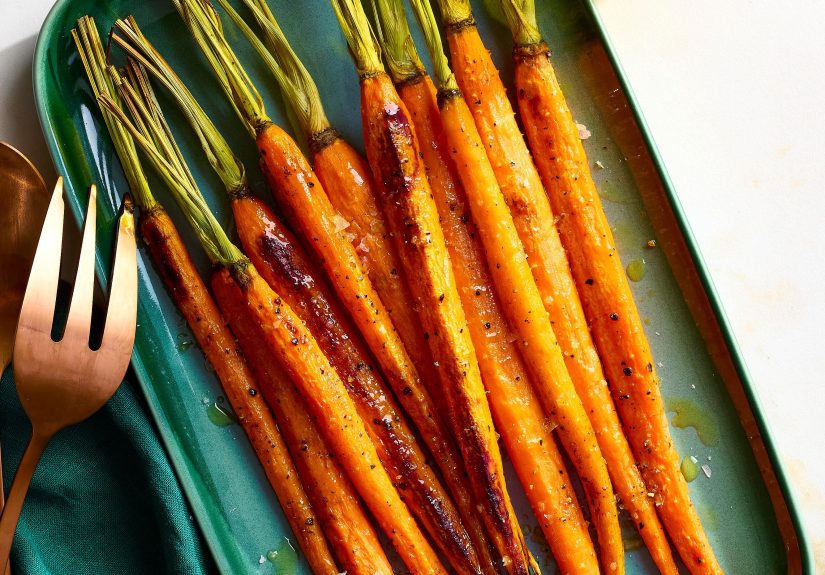
Roasting is one of the most reliable ways to avoid mush because it uses dry heat, concentrates flavor, and rewards you with caramelized edges.
The common reason roasted carrots turn soft and blah: overcrowding. If carrots are packed tightly, they steam in their own moisture.
Roasting method (works for most cuts):
- Heat the oven to 425°F.
- Cut carrots evenly (try halved/quartered lengthwise or thick diagonal slices).
- Toss with oil, salt, and pepper. Optional: pinch of cumin, smoked paprika, or thyme.
- Spread in a single layer with breathing room. Use a sturdy sheet pan for better browning.
- Roast 15–25 minutes, tossing once halfway through, until browned on edges and tender-crisp inside.
- Finish with lemon zest, a squeeze of lemon, or a dab of butter right at the end.
Pro move for texture: Pull the carrots when a fork goes in with a little resistancelike a firm handshake, not a collapsing couch cushion.
2) Sautéing / pan-roasting: fast, controllable, weeknight-friendly
Sautéing is the “steering wheel” methodyou can adjust heat, taste as you go, and stop exactly when the texture is right.
The trick is to soften the inside without turning the outside into leather.
Pan method (tender-crisp in ~10–12 minutes):
- Heat a skillet over medium-high. Add a tablespoon of oil or a mix of oil + butter.
- Add evenly cut carrots (coins or batons work best) and a pinch of salt.
- Sauté 3–4 minutes to start browning.
- Add 2–3 tablespoons water or broth, cover, and steam 3–5 minutes.
- Uncover and cook 2–3 minutes more to evaporate liquid and concentrate flavor.
- Finish with herbs, a drizzle of honey, or a splash of vinegar (after heat is off).
This combo approach (brown + short steam + dry finish) is one of the best ways to avoid mush while keeping carrots flavorful.
3) Steaming: the “safe” methodif you actually time it
Steaming keeps carrots from getting waterlogged, but it can still turn them mushy if you forget them “for a minute” (famous last words).
The good news: steaming gives a clear doneness testpierce with a knife; stop when it slides in with gentle resistance.
- Sliced carrots: about 8–10 minutes.
- Thicker chunks: about 10–15 minutes.
Season after steaming. Salt, butter, and a squeeze of citrus go further than you’d thinkand they don’t sabotage texture.
4) Blanch + shock: crisp, bright, meal-prep magic
Blanching is the technique that makes carrots look and feel “restaurant-ready”: vivid color, crisp-tender texture, and no mushy surprises.
You briefly boil, then immediately chill in ice water to stop cooking.
Blanch-and-shock steps:
- Bring a pot of water to a rolling boil. Salt it (you’re seasoning the carrot from the inside).
- Add carrots (sticks or coins). Cook just until slightly tender: 2–4 minutes depending on thickness.
- Transfer immediately to a big bowl of ice water for 2–3 minutes.
- Drain well and dry. Use right away, or store for quick sautéing later.
This is the best “do it ahead” method: blanch today, then later you can finish carrots in a hot skillet for 1–2 minutes with butter and herbs.
Texture stays snappy because you’re not re-cooking them to death.
5) Glazing in a skillet: glossy, tender, and not waterlogged
Glazed carrots have a reputation for being syrupy-soft, but the best versions are tender with shapecoated in a shiny sauce, not dissolving into it.
The key is to cook with a small amount of liquid, then reduce quickly into a glaze.
Simple skillet-glaze method:
- Cut carrots into uniform pieces (about 1/2-inch thick slices or batons).
- Add to a skillet with a splash of water or broth, a pinch of salt, and a teaspoon of sugar or honey (optional).
- Cover and simmer until almost tender, about 5 minutes.
- Uncover, raise heat, and boil to reduce liquid until syrupy.
- Add butter and toss until glossy. Finish with pepper, herbs, or a little lemon juice.
If the glaze looks thin, it usually means the carrots released extra moisture or the heat was too low. Keep the boil lively and reduce with confidence.
6) Grilling: smoky sweetness with a firm bite
Grilled carrots are underrated. The grill gives you char and sweetness without soaking carrots in water.
Use medium heat and turn occasionally so they cook through without burning.
- Toss whole small carrots or halved carrots with oil + salt.
- Grill, turning now and then, about 14–18 minutes until tender-crisp with charred spots.
- Finish with a sauce (yogurt + herbs, chimichurri, or a spicy honey drizzle).
7) Microwave “micro-steaming”: surprisingly great in minutes
The microwave can produce excellent crisp-tender carrots because it steams quickly with minimal added water.
The secret is keeping the carrots in a single layer and trapping a little moisture.
Micro-steam method:
- Arrange carrots in a single layer on a microwave-safe plate.
- Cover with a triple layer of damp paper towels (or a damp clean towel).
- Microwave on high until tender-crisp, roughly 2 1/2 to 6 minutes depending on cut size and microwave power.
- Let rest 1 minute, then check. Add short bursts if needed.
A Quick Carrot Doneness Guide (So You Don’t Have to Guess)
“Fork-tender” means different things to different people. Here’s a practical version:
a fork or paring knife goes in easily, but the carrot still resists slightly and holds its shape.
If it collapses or cracks into mush, you went too far.
| Cut | Best Methods | Typical Time | Stop Cooking When… |
|---|---|---|---|
| Thin coins (1/4″) | Steam, sauté, blanch | Steam 6–9 min; sauté 8–10 min; blanch 2–3 min | Fork goes in with slight resistance |
| Thick coins (1/2″) | Roast, steam, glaze | Roast 18–25 min; steam 10–12 min; glaze ~8–12 min | Edges brown; center is tender but not floppy |
| Batons (sticks) | Blanch, sauté, grill | Blanch 3–4 min; sauté 10–12 min; grill 14–18 min | Bright color, clean bite, no splitting |
| Halved/quartered lengthwise | Roast, grill | Roast 15–25 min; grill 14–18 min | Flat sides caramelized; thicker end still firm |
Times vary with carrot size, pan material, and how crowded the carrots are. Use time as a guide, then trust the knife test for the final call.
Fixes for Mushy Carrots (Because Life Happens)
Once carrots are mushy, you can’t reverse them into crisp-tender perfectionbut you can make them delicious on purpose:
- Soup upgrade: Blend into carrot-ginger soup with stock and a little coconut milk.
- Quick mash: Mash with butter, salt, and a little garlic; top with herbs.
- Fritter rescue: Mix with egg, breadcrumbs, and spices; pan-fry into crispy patties.
- Sauce booster: Stir into tomato sauce or curry for sweetness and body.
- Baked goods: Fold into muffins or quick bread if they’re plain and not heavily salted.
Make-Ahead, Storage, and Reheating Without Turning to Baby Food
Carrots get mushy on day two for the same reason they got mushy on day one: too much heat for too long.
Reheat gently and briefly.
- Best make-ahead strategy: blanch-and-shock, then refrigerate dry; finish in a hot skillet later.
- Cool quickly: spread cooked carrots on a plate or sheet pan instead of leaving them in a hot pot.
- Reheat: sauté 1–2 minutes in a hot pan with a teaspoon of water + butter, or warm in a 400°F oven just until hot.
- Storage: keep leftovers in the refrigerator and aim to eat them within a few days.
Flavor Boosters That Don’t Mess With Texture
If your carrots are crisp-tender but taste flat, don’t keep cooking them. Finish them like you mean it:
- Fat: butter, olive oil, browned butter, sesame oil (added off heat).
- Acid: lemon juice, a splash of vinegar, or a quick pickle-y drizzle right before serving.
- Fresh herbs: dill, parsley, thyme, cilantro, chives.
- Spices: cumin, smoked paprika, za’atar, curry powder, chili flakes.
- Sweet + savory: honey + mustard, maple + chili, brown sugar + black pepper.
Real-Kitchen Experiences (): What Actually Makes Carrots Go Mushy
If you’ve ever served carrots that were supposed to be “roasted” but somehow came out like soft orange pillows, you’re not alone. A lot of mushy-carrot
“fails” aren’t about skillthey’re about very normal kitchen habits that quietly sabotage texture. Here are the most common experiences home cooks run into,
plus what to do instead.
Experience #1: The crowded sheet pan illusion. It’s so tempting to dump a whole bag of carrots on one pan and call it meal prep. In practice,
carrots release moisture as they heat. When they’re packed tightly, that moisture can’t escape, so the carrots steam each other. The result: pale, soft carrots
with little browning. The fix feels almost too obvious: use a bigger pan, split into two pans, or roast in batches. More space = more evaporation = better texture.
Experience #2: “I’ll just leave the lid on.” Covered carrots cook faster because steam builds up, but that speed comes with a tradeoff:
you can overshoot the perfect moment in the time it takes to answer a text. The fix is a simple rhythm: cover briefly to soften the inside, then uncover to let
moisture evaporate and stop the carrots from going limp. This is why the brown + short steam + dry finish method is so reliable.
Experience #3: The mixed-cut situation. One carrot is cut into thick chunks, another into thin coins, and a third is… sort of a triangle?
You didn’t mean to do geometry homework; it just happened. But uneven pieces cook at different speeds, so the thin ones turn mushy while the thick ones still crunch.
The fix: pick one cut and commit. If you want variety, cook in stagesadd thicker pieces first, then thinner ones later.
Experience #4: The “boil it until it’s done” tradition. Boiling carrots is easy, but it’s also a high-risk zone for mush, mostly because
the window between “pleasantly tender” and “too soft” can be shortespecially for sliced carrots. If boiling is your comfort method, treat it like pasta:
salt the water, start checking early, and drain the moment the carrots hit crisp-tender. Then toss immediately with butter or seasoning so they feel finished
without needing more cook time.
Experience #5: Reheating regret. Carrots that were perfect at dinner become soft at lunch because they got cooked twice: once on the stove,
then again in the microwave “just to warm.” The fix is gentle reheating. A hot skillet for a minute or two (with a teaspoon of water) warms them fast without
prolonged steaming. If you must microwave, do short bursts and stop while they’re slightly cooler than “piping hot”they’ll finish warming as they sit.
Experience #6: The flavor chase that turns into overcooking. Sometimes carrots taste bland, so the instinct is to cook longer. But longer cooking
usually changes texture more than flavor. The fix is finishing: a little salt, butter, herbs, citrus, or a quick glaze gives you big flavor without pushing carrots
into mush territory. In other words: stop cooking and start seasoning.
The best takeaway from all these real-kitchen moments is comforting: crisp-tender carrots aren’t fragile. They just want space, timing, and a confident stop.
Pull them a touch early, finish them with flavor, and you’ll get carrots that still have a backbonebecause nobody asked for carrot puree masquerading as a side dish.
Final Takeaway: The “No-Mush” Carrot Formula
If you remember nothing else, remember this: uniform cuts + minimal water + high heat (or short cook time) + stop early.
Roast hot and uncrowded, sauté with a short steam then uncover, steam with a timer, blanch and shock for meal prep, or glaze by reducing liquid quickly.
Your carrots will stay crisp-tender, naturally sweet, and proudly not mushy.