Table of Contents >> Show >> Hide
- Why Lentils Are So Useful in Real-Life Cooking
- Know Your Lentils Before You Cook Them
- The Basic Stovetop Method That Works for Most Lentils
- How to Get the Exact Texture You Want
- Should You Soak Lentils?
- When to Salt, When to Add Acid, and Why This Topic Starts Fights
- Common Mistakes That Ruin Lentil Texture
- How to Flavor Lentils Without Smothering Them
- Storage, Meal Prep, and Leftovers
- Kitchen Notes: What the Experience of Cooking Lentils Really Teaches You
- Final Takeaway
Lentils are the overachievers of the pantry. They are affordable, protein-packed, fast-cooking, and somehow capable of being both rustic and elegant depending on what you do with them. One night they are the backbone of a cozy soup. The next, they are sitting in a sharp little salad with herbs and vinaigrette, acting like they own the place. The catch is that lentils are not all the same, and if you cook every type the exact same way, they will absolutely punish your optimism.
If you have ever wondered why one pot of lentils turns out pleasantly tender while another becomes glue, gravel, or something in between, the answer is usually simple: you picked the wrong variety for the job, or you cooked the right lentil to the wrong texture. This guide breaks down how to cook lentils of every type so you can get exactly what you want, whether that is firm lentils for salad, soft lentils for soup, or creamy lentils for dal. No mystery. No mush unless you actually want mush. And sometimes, to be fair, mush is the dream.
Why Lentils Are So Useful in Real-Life Cooking
Unlike larger dried beans, lentils usually do not need soaking, which makes them one of the fastest ways to turn pantry staples into dinner. They also come in several varieties, and each one behaves a little differently in the pot. Some hold their shape beautifully. Some go soft and thick in a hurry. Some are perfect for meal prep. Some are born to become soup. Learning which is which is the difference between “I meant to do that” and “well, I guess this is now paste.”
That is also why the best lentil cooking advice starts with texture, not just time. Cooking times matter, but tenderness is the real target. A lentil that is perfect in a warm grain bowl may be underdone in a stew. A red lentil that is ideal for dal would be a disaster in a composed salad. So before you turn on the stove, decide what the final dish needs to feel like on the fork or spoon.
Know Your Lentils Before You Cook Them
Brown Lentils
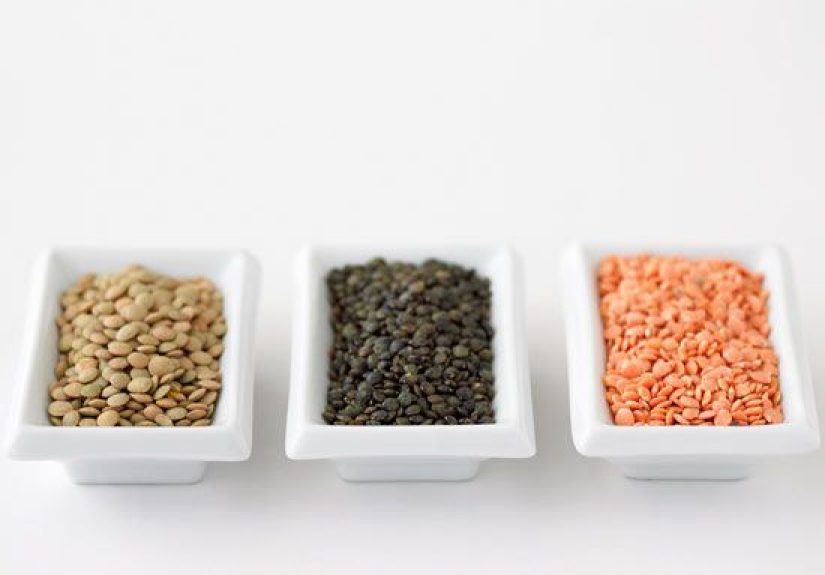
Brown lentils are the dependable all-purpose option. They are earthy, mild, easy to find, and forgiving enough for weeknight cooking. When simmered properly, they become tender while still holding together reasonably well. Cook them a little less for grain bowls and side dishes, or a little longer for soups and stews where a softer texture feels right.
Best for: soups, stews, veggie burgers, casseroles, easy meal prep
Texture: soft-tender, but can keep their shape if watched carefully
Typical cooking time: about 20 to 30 minutes
Green Lentils
Green lentils are slightly firmer than brown lentils and often have a more peppery, savory flavor. They are excellent when you want individual lentils that stay distinct instead of collapsing into the background. They can still soften nicely, but they usually remain a bit more structured than brown lentils.
Best for: salads, warm sides, grain bowls, pilafs, hearty soups
Texture: firm-tender, with more bite than brown lentils
Typical cooking time: about 20 to 30 minutes, sometimes a touch longer depending on age
French Green Lentils (Puy-Style Lentils)
French green lentils, often called Puy-style lentils in U.S. kitchens, are the neat freaks of the lentil world. They are smaller, firmer, and especially good at holding their shape. If your goal is a lentil that can sit proudly in a salad without disintegrating, start here. They also do well with aromatics and vinaigrettes because their texture stands up to bold flavors.
Best for: lentil salads, elegant sides, roasted vegetable bowls
Texture: firm, pleasantly chewy, tidy
Typical cooking time: about 15 to 25 minutes
Black Beluga Lentils
Beluga lentils are tiny, glossy, and surprisingly polished-looking for something that starts out in a humble bag on a pantry shelf. They hold their shape well and have a nutty flavor that works in everything from salads to simple side dishes. They are often used similarly to French green lentils, especially when you want a firmer texture and a more dramatic look.
Best for: salads, sides, bowls, meal prep
Texture: firm-tender, compact, distinct
Typical cooking time: about 15 to 25 minutes
Red Lentils
Red lentils are the sprinters. They cook quickly and break down fast, which is exactly why they are ideal for creamy soups, stews, and dals. Most red lentils sold in American grocery stores are split and hulled, so they lose structure early and thicken the pot as they cook. This is not a bug. It is the feature.
Best for: dal, pureed soups, thick stews, sauces, spreads
Texture: soft to creamy, often fully broken down
Typical cooking time: about 10 to 20 minutes
Yellow Lentils and Yellow Dal
The yellow lentil category gets a little messy because the label can refer to different split legumes in different stores, including moong dal or toor dal. In practical cooking terms, many yellow split varieties behave similarly to red lentils: they cook relatively quickly and lean soft rather than firm. If you buy them from an Indian or South Asian market, check the package name so you know whether you are getting true lentils or a close cousin that cooks in a similar style.
Best for: dal, soups, stews, creamy side dishes
Texture: soft, spoonable, often smooth
Typical cooking time: roughly 15 to 25 minutes, depending on the exact type
The Basic Stovetop Method That Works for Most Lentils
If you want the most control over texture, the easiest method is to cook lentils almost like pasta: in plenty of water, then drain them when they reach the texture you want. This works especially well for brown, green, French green, and black beluga lentils. It gives you wiggle room and keeps you from staring at a pot wondering whether dinner is becoming a side dish or a cement mixture.
- Sort and rinse the lentils. Spread them out quickly or run your fingers through them to check for stones or shriveled pieces, then rinse well.
- Bring water to a boil. Use a generous amount of water so the lentils have room to cook evenly.
- Add aromatics if you like. Bay leaf, garlic, onion, thyme, or a dried chile can add flavor without much effort.
- Reduce to a gentle simmer. Boiling too aggressively can rough up the lentils and push them toward split skins and uneven texture.
- Taste early and often. Start checking a few minutes before the expected finish time. Lentils do not send a warning text before they go from pleasantly tender to “soup happened.”
- Drain when they are right. For salads, drain them while they are still just a little firm. For soups and stews, cook them until fully tender.
For red and many yellow lentils, a measured-liquid method often makes more sense because you usually want the starch they release to stay in the pot. In that case, simmer them directly in the amount of water or broth your dish needs, stirring occasionally, until they are soft or creamy.
How to Get the Exact Texture You Want
For Firm Lentils That Hold Their Shape
Choose French green, black beluga, or regular green lentils. Simmer gently rather than aggressively, and start tasting on the early side. The goal is a tender center with a bit of structure, not crunch. Once they are done, drain them right away so they do not keep softening in hot water. This texture is perfect for salads, grain bowls, and side dishes where individual lentils matter.
For Tender Lentils in Soups and Stews
Brown lentils are the natural choice here, though green lentils also work. Let them cook until the centers are fully tender and the edges begin to relax. You want them soft enough to feel cozy, but not so broken down that the whole pot turns muddy unless that is the look you are after. For brothy soups, add them early enough that they can soften fully. For chunkier stews, they can go in once the aromatics and broth are already established.
For Creamy Lentils That Melt Into the Pot
Use red lentils or yellow split lentils. Simmer them in measured liquid and stir from time to time. They will begin to lose shape quickly and thicken the mixture naturally. This is ideal for dal, spiced soups, and silky vegetable-lentil blends. If the pot gets too thick before the lentils are fully soft, add a splash more water or broth and keep going.
Should You Soak Lentils?
Usually, no. One of the biggest advantages of lentils is that they cook quickly without soaking. A rinse and a quick sort are typically enough. Some cooks still soak lentils to shorten cooking time or for texture reasons, but for everyday American home cooking, it is generally not necessary. Lentils are the weeknight answer for people who forgot to plan ahead, which is to say, most of us on a Tuesday.
When to Salt, When to Add Acid, and Why This Topic Starts Fights
Here is the honest answer: reputable cooks do not completely agree on salt timing. Some sources recommend salting from the beginning for better internal seasoning. Others prefer holding salt until later because they find it can slow softening. The same caution often applies to acidic ingredients like tomatoes, lemon juice, or vinegar, which are commonly added after the lentils are nearly tender.
If you want the safest route for consistently tender lentils, especially when working with older pantry lentils, add strong acids near the end and salt to taste once the lentils are close to done. But if you regularly salt your cooking liquid and like the results, you are not committing a kitchen crime. The bigger issue is often old lentils, which can stay stubbornly firm long past their supposed finish time.
Common Mistakes That Ruin Lentil Texture
1. Choosing the Wrong Lentil for the Dish
This is the classic mistake. Red lentils are not salad lentils. French green lentils are not your best bet when you want a creamy dal. Match the variety to the final texture, and half your work is already done.
2. Not Checking for Old Lentils
Lentils are pantry-friendly, but not immortal. Very old lentils can take much longer to soften and may stay firm in the center no matter how long you glare at them. If a bag has been sitting around forever, lower your expectations and increase your patience.
3. Boiling Too Hard
A hard boil can split skins and create uneven cooking. A gentle simmer is the sweet spot. Think calm bubbling, not a volcanic event.
4. Adding Tomatoes or Vinegar Too Early
If your dish includes acidic ingredients, wait until the lentils are nearly tender before adding them. It is a simple move that can save you from a long, frustrating cook time.
5. Walking Away and Forgetting Them
Lentils are quick. That is a gift, but it also means they can slip past the perfect point fast. Start tasting early, especially with red lentils and smaller firm varieties like beluga or French green.
How to Flavor Lentils Without Smothering Them
Lentils love aromatics. Onion, garlic, celery, carrot, thyme, bay leaf, cumin, coriander, chile, and black pepper all work beautifully. For salads, toss warm cooked lentils with olive oil and vinaigrette while they are still slightly warm so they absorb more flavor. For soups and stews, build flavor in the pot first with sautéed aromatics, then let the lentils join the party. For red lentils and yellow dal, spices bloomed in oil can make the entire dish taste richer and more finished.
And yes, broth can add flavor too. But water plus aromatics works perfectly well when you want a cleaner lentil flavor or more control over salt.
Storage, Meal Prep, and Leftovers
Cooked lentils are meal-prep gold. Let them cool, then refrigerate them in a sealed container for easy lunches, soups, grain bowls, and quick side dishes later in the week. Firmer lentils like green, French green, and black beluga are especially good for this because they keep their shape. Softer red lentils reheat beautifully in soups and dals and may thicken even more in the fridge, so a splash of water when reheating is often helpful.
Kitchen Notes: What the Experience of Cooking Lentils Really Teaches You
Learning to cook lentils well is one of those kitchen skills that seems too small to matter, right up until it changes the way you cook on ordinary nights. The first lesson most people learn is that lentils are incredibly forgiving right up to the second they are not. You can be a little loose with the aromatics, a little casual with the pot, and still end up with dinner. But texture? Texture is where lentils get opinionated.
Anyone who cooks them regularly starts noticing the tiny patterns. Brown lentils seem easy until you leave them on the stove just five minutes too long and they lose that pleasant shape you wanted for lunch bowls. Green lentils look sturdy, and they are, but they still need tasting rather than blind trust. Red lentils, meanwhile, teach speed and humility. You glance away to chop parsley, answer a text, or convince yourself there is time to wipe the counter, and suddenly they have transformed from individual pieces into a thick, cozy puree. Not bad, just different. Lentils reward attention in a very direct way.
There is also the experience of discovering that “done” is not a universal state. One cook’s perfect lentil is another cook’s undercooked annoyance. In salads, many people end up preferring a firmer bite than they expected. In soups, the opposite often happens. What looks just right in the pot can feel too firm once it lands in a bowl with broth and vegetables. Over time, you stop cooking lentils by the clock and start cooking them by intention. That is when things get better.
Another real-world lesson is that lentils are surprisingly emotional for such a practical food. On busy nights, they feel heroic because they turn pantry odds and ends into something warm and complete. On slow weekends, they feel almost meditative: rinse, simmer, taste, season, adjust. They also teach restraint. A heavy hand with acid too early can stall softening. Too much boiling can rough them up. Not enough tasting can turn a carefully planned salad base into stew. Lentils are simple, but they are not careless food.
And then there is the joy of matching the type to the mood. There is a particular satisfaction in watching black beluga lentils come out glossy and distinct for a sharp vinaigrette salad, or red lentils disappear into a silky spiced pot that tastes far more expensive than it is. Once you know what each type does best, you shop smarter, cook faster, and waste less effort trying to make one variety behave like another.
In that sense, cooking lentils well is really about paying attention to small differences. The bag matters. The dish matters. The timing matters. And after a few batches, you stop seeing lentils as one generic pantry ingredient and start seeing them as a set of useful tools. That is when the magic happens. Not fancy magic. Weeknight magic. The kind that quietly makes you better at cooking and better at feeding yourself.
Final Takeaway
If you remember only one thing, make it this: choose the lentil based on the texture you want, not just what happens to be in the cabinet. Use brown and green lentils for versatile everyday cooking, French green and black beluga lentils when shape matters, and red or yellow lentils when softness is the goal. Simmer gently, taste early, and let the final dish tell you when the lentils are done. That is the whole game. Once you get that right, lentils stop being unpredictable and start being one of the easiest, smartest ingredients in your kitchen.