Table of Contents >> Show >> Hide
- What Makes a Pot Roast Actually Great?
- Choose the Right Cut: Chuck Roast Wins
- Season Like You Mean It
- Sear First, Always
- Build Flavor in Layers
- How Much Liquid Do You Need?
- Oven vs. Slow Cooker: Which Makes the Best Pot Roast?
- When Is Pot Roast Done?
- When to Add Potatoes and Carrots
- Step-by-Step: How To Cook the Best Pot Roast
- How to Make the Sauce Better
- Common Pot Roast Mistakes to Avoid
- Simple Example Flavor Variations
- Pot Roast Experiences and Hard-Earned Kitchen Lessons
- Final Thoughts
Pot roast is one of those dinners that feels like a hug wearing a gravy coat. It is rich, cozy, and dramatically better than its humble name suggests. Done right, the beef becomes fork-tender, the vegetables soak up all that savory goodness, and the braising liquid turns into a sauce that makes people hover around the stove pretending they are “just checking on it.” Done wrong, though, pot roast can be dry, stringy, bland, or weirdly watery. That is a tragedy no Dutch oven deserves.
If you want to cook the best pot roast, the good news is that you do not need restaurant tricks, a culinary degree, or a violin soundtrack playing in the background. You need the right cut of beef, proper browning, smart seasoning, enough liquid to braise, and the patience to let low heat do its thing. This guide walks you through exactly how to make the best pot roast at home, including what cut to buy, how to season it, how long to cook it, what vegetables work best, and the mistakes that sabotage otherwise promising roasts.
What Makes a Pot Roast Actually Great?
The best pot roast is not simply “a roast in a pot.” It is a braise. That means a tougher cut of beef is cooked gently in a covered pot with a flavorful liquid until the connective tissue melts and the meat softens into that glorious, fall-apart texture everybody wants. In other words, pot roast is a transformation story. Tough meat goes in. Dinner legend comes out.
Great pot roast has five key qualities:
- Deep beefy flavor from proper seasoning and hard searing
- Tender texture from low-and-slow braising
- Balanced sauce that tastes rich, not greasy or watery
- Vegetables with character instead of mushy orange memories
- Enough structure to slice or shred without turning into beef confetti
The classic pot roast formula is simple: beef chuck roast, onion, carrots, celery, garlic, herbs, broth, and often tomato paste or wine for depth. The real magic comes from technique.
Choose the Right Cut: Chuck Roast Wins
If you remember only one thing from this article, make it this: buy chuck roast. For the best pot roast recipe, chuck roast is usually the gold standard because it has enough marbling, collagen, and connective tissue to become luscious during a long braise. It starts out tough, which is exactly why it ends up so tender. Lean cuts may sound virtuous, but in pot roast land, “lean” often means “dry enough to inspire regret.”
Other cuts that can work include brisket, bottom round, or rump roast, but chuck is the most reliable choice for home cooks. It is widely available, relatively affordable, and forgiving. Look for a roast in the 3- to 5-pound range with visible marbling but not huge, excessive slabs of external fat.
What to look for at the store
- A roast labeled chuck roast, boneless chuck, or chuck pot roast
- Good marbling throughout the meat
- A uniform shape for more even cooking
- A size that fits comfortably in your Dutch oven or braiser
Season Like You Mean It
Big cuts of beef need confident seasoning. A timid sprinkle of salt is not going to penetrate a 4-pound roast and suddenly make it sing. Season generously with kosher salt and black pepper. If you have time, salt the roast ahead of time and let it rest uncovered in the refrigerator for several hours or overnight. That dry-brine effect helps the meat taste better all the way through and improves browning.
You can keep the seasoning classic or build extra depth with garlic powder, onion powder, smoked paprika, or a touch of dried thyme. Pot roast is not fussy, but it does appreciate effort. Think “Sunday dinner,” not “mystery cafeteria entrée.”
Sear First, Always
If someone tells you searing “locks in juices,” let us gently set that phrase on a shelf and back away from it. Searing does not magically trap moisture. What it does do is create powerful flavor through browning. That dark crust on the meat and those browned bits at the bottom of the pot are flavor gold. Skip the sear, and the whole dish tastes flatter.
Pat the roast dry, heat oil in a Dutch oven until it shimmers, and brown the meat deeply on all sides. Do not rush this step. The goal is not pale beige with ambition. The goal is a serious brown crust.
Best searing tips
- Dry the roast well with paper towels first
- Use a heavy pot, ideally a Dutch oven
- Do not overcrowd the pan
- Let the meat sit undisturbed long enough to brown properly
- Brown the edges too, not just the top and bottom
Build Flavor in Layers
After searing the beef, do not wash the pot. That would be culinary vandalism. Instead, use those browned bits to build your braising base. Add onions, carrots, and celery, then cook until they soften and pick up color. Stir in garlic and tomato paste and cook until the tomato paste darkens slightly. That little move adds a huge amount of savory depth.
Next, deglaze with red wine, stock, or a combination of both. Scrape up everything stuck to the bottom. Add herbs like thyme and bay leaves, and you have the backbone of a pot roast sauce that tastes layered instead of one-note.
A classic braising liquid often includes:
- Beef broth or stock
- Dry red wine, optional but excellent
- Tomato paste
- Onion and garlic
- Fresh thyme or rosemary
- Bay leaves
- A splash of Worcestershire sauce for extra umami
How Much Liquid Do You Need?
Not as much as many people think. Pot roast is a braise, not a swim lesson. The liquid should come partway up the sides of the roast, not completely cover it. Too much liquid dilutes flavor and can leave you with something closer to beef soup than a rich pot roast.
For oven-braised pot roast, enough liquid to come about one-third to halfway up the meat is usually ideal. In a slow cooker, use even less than you might expect, because the lid traps moisture and very little evaporates during cooking.
Oven vs. Slow Cooker: Which Makes the Best Pot Roast?
Both methods can produce excellent results, but the oven pot roast usually wins for flavor and texture. A Dutch oven in the oven gives better browning, steadier heat, and more control over the consistency of the sauce. It is the method for people who want their pot roast to feel a little bit glorious.
The slow cooker pot roast is a fantastic convenience option, especially for busy days. It tends to make softer textures and more liquid, so the end result can be slightly less concentrated in flavor unless you reduce the sauce afterward.
Best oven method
Cook covered at about 300 to 325 degrees Fahrenheit for roughly 3 to 4 hours for a 3- to 5-pound chuck roast, depending on thickness and shape. Start checking when the meat looks deeply browned and yields easily to a fork.
Best slow cooker method
Cook on low for about 8 to 10 hours. Sear the meat first if you can, because it adds better flavor. Use a restrained amount of liquid. Once done, remove the meat and reduce or thicken the sauce if needed.
When Is Pot Roast Done?
The biggest mistake people make is relying on time alone. Pot roast is done when it is fork-tender. If it still feels tight or resists when you try to pull it apart, it is not done yet. This is important because tough cuts of beef pass through an awkward middle stage where they seem cooked but are still chewy. Keep going. That collagen needs more time to melt.
Food safety and eating quality are not the same thing. Beef roast reaches a safe minimum temperature before it reaches ideal braised texture. The best pot roast is cooked until it is tender enough to pull apart easily, not just technically safe. This is why patience matters so much.
When to Add Potatoes and Carrots
If you add all the vegetables at the beginning and cook them for the entire braise, you may end up with carrots that collapse on contact and potatoes that resemble savory clouds. There is a place for softness, but total vegetable surrender is not the dream.
For better texture, add potatoes and carrots later in the cooking process, usually during the last 45 to 90 minutes, depending on their size. Onions and celery can go in earlier because they help flavor the braising liquid. Potatoes and carrots are better when they still remember they were once vegetables.
Step-by-Step: How To Cook the Best Pot Roast
- Choose a 3- to 5-pound chuck roast. Trim only excessive exterior fat.
- Season generously. Use kosher salt and black pepper. Dry-brine ahead if possible.
- Pat dry and sear. Brown all sides in a hot Dutch oven with a little oil.
- Remove the roast. Cook onions, celery, and carrots until lightly browned.
- Add garlic and tomato paste. Stir until fragrant and slightly darkened.
- Deglaze the pot. Use wine, stock, or both, scraping up browned bits.
- Add herbs and return the roast. The liquid should come one-third to halfway up the meat.
- Cover and braise. Cook at 300 to 325 degrees Fahrenheit until fork-tender.
- Add potatoes and extra carrots later. Let them cook until tender but not mushy.
- Rest the roast. Let it sit for 10 to 15 minutes before slicing or shredding.
- Finish the sauce. Skim fat if needed and reduce or thicken slightly for a richer gravy.
How to Make the Sauce Better
A great pot roast deserves a sauce that tastes intentional. Once the roast is done, remove the meat and vegetables. Skim excess fat from the braising liquid, then simmer it uncovered for a few minutes to concentrate flavor. If you want a thicker gravy, whisk in a cornstarch slurry or a beurre manié. If it tastes flat, add a tiny splash of Worcestershire, balsamic vinegar, or even a squeeze of lemon to brighten it.
That last little adjustment is what separates a decent pot roast from one that makes people ask for the recipe before dessert.
Common Pot Roast Mistakes to Avoid
- Buying the wrong cut: Lean roast cuts do not usually deliver the same tenderness as chuck.
- Skipping the sear: You lose major flavor.
- Using too much liquid: The sauce gets thin and diluted.
- Cooking too hot: Boiling toughens meat and muddles texture.
- Undercooking: Tough beef often just needs more time.
- Adding vegetables too early: They can turn to mush.
- Serving immediately without resting: Resting helps the roast settle and slice more cleanly.
Simple Example Flavor Variations
Classic Sunday Pot Roast
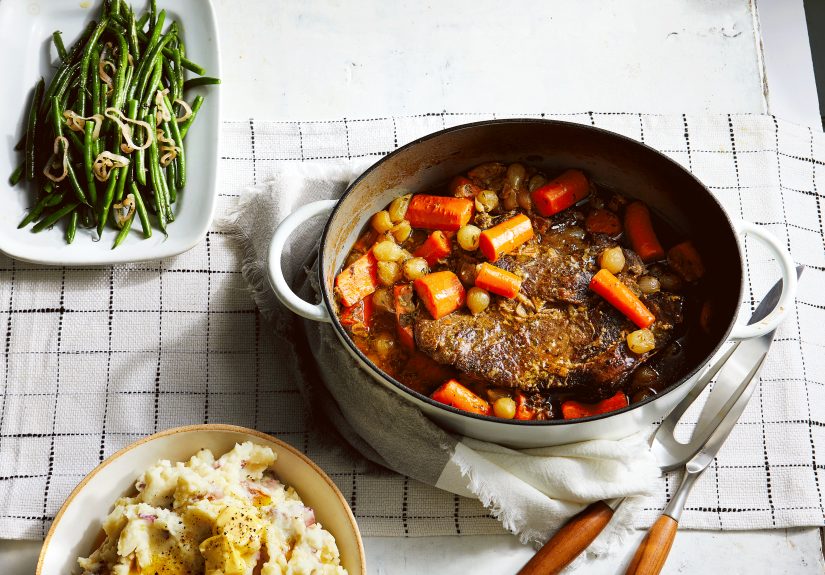
Beef broth, onions, carrots, celery, garlic, thyme, bay leaf, potatoes, and a dark, glossy gravy.
Red Wine Pot Roast
Use part red wine in the braising liquid and finish with mushrooms for a more dinner-party feel.
Garlic and Herb Pot Roast
Lean into rosemary, thyme, and whole garlic cloves for a more aromatic version.
Tomato-Rich Pot Roast
Increase the tomato paste slightly and add a splash of Worcestershire for extra depth and umami.
Pot Roast Experiences and Hard-Earned Kitchen Lessons
Pot roast has a funny way of teaching patience to people who did not ask for a life lesson with dinner. Many home cooks make their first pot roast expecting a simple formula: put beef in pot, add vegetables, wait a while, eat magnificently. Then somewhere around hour two, they lift the lid, poke the roast, and announce, “This is still tough.” That moment is practically a rite of passage. Pot roast is not ignoring you. It is becoming itself.
One of the most common experiences people have with pot roast is learning that “done” and “ready” are not the same thing. The roast may look brown, smell incredible, and even hit a safe temperature long before it becomes tender enough to shred. That can be deeply confusing the first time. It feels like the meat is betraying you. Then, 45 minutes later, it suddenly softens into exactly what you wanted all along. Pot roast is dramatic like that.
Another lesson comes from the searing step. Plenty of cooks skip it once, usually because they are in a hurry, and then wonder why the final dish tastes a little flat. The difference is real. A properly browned roast gives the entire braise more depth, and the browned bits in the pan create the kind of flavor that makes gravy taste rich rather than merely wet. It is one of those kitchen experiences that converts people permanently. After one good sear, there is no going back.
Vegetables also teach humility. Add potatoes too early, and they may collapse into the sauce like they have simply given up on structure. Carrots can go from hearty to baby-food soft in what feels like five disrespectful minutes. That is why experienced pot roast makers often stagger the vegetables. It feels slightly fussy until you taste the result. Suddenly, you are the kind of person who says things like, “I add the potatoes later for textural integrity,” which is how cooking quietly turns people into enthusiasts.
Then there is the sauce. Many people discover that the braising liquid looks thin at first and assume the roast has failed. Usually it has not. Once the meat comes out and the liquid gets a few minutes to reduce, the whole pot comes into focus. Flavor sharpens, richness develops, and the sauce starts behaving like gravy’s more sophisticated cousin. This is the part where a cook goes from worried to smug in under ten minutes.
Perhaps the best experience pot roast creates is not even in the pot. It is what happens around the table. Pot roast smells like comfort long before it is served. It pulls people into the kitchen, sparks second helpings, and turns an ordinary evening into something that feels generous. It is dependable, nostalgic, and just impressive enough to make people think you worked harder than you did. That may be the finest culinary trick of all.
Final Thoughts
If you want to know how to cook the best pot roast, start with chuck roast, season it generously, sear it properly, build a flavorful braising liquid, and cook it low and slow until it is truly fork-tender. Do not rush the process, do not drown the meat, and do not panic during the chewy middle phase. Pot roast rewards confidence, patience, and the willingness to let humble ingredients do something extraordinary together.
When everything comes together, pot roast is more than an easy comfort food dinner. It is deeply savory, wonderfully economical, and the kind of meal that makes leftovers feel like a prize instead of a compromise. That is why the best pot roast never really goes out of style. It just keeps showing up, smelling amazing, and saving dinner like the dependable legend it is.