Table of Contents >> Show >> Hide
- What Is Stomatitis in Tortoises?
- Why Early Diagnosis Matters
- How to Diagnose Stomatitis in Tortoises: 11 Steps
- Step 1: Watch for Changes in Appetite
- Step 2: Check for Drooling or Thick Oral Mucus
- Step 3: Inspect the Mouth for Redness
- Step 4: Look for White, Yellow, or Cheesy Plaques
- Step 5: Notice Swelling of the Jaw or Face
- Step 6: Smell the Mouth Area
- Step 7: Rule Out Husbandry Problems
- Step 8: Consider Trauma and Nutritional Issues
- Step 9: Check for Respiratory Signs or Whole-Body Illness
- Step 10: Document the Signs Before the Vet Visit
- Step 11: Confirm the Diagnosis With a Reptile Veterinarian
- Signs That Mean “Call the Vet Now”
- What Happens After Diagnosis?
- How to Help Prevent Stomatitis in Tortoises
- Common Mistakes Owners Make
- Final Thoughts
- Owner Experiences and Practical Lessons
If your tortoise has suddenly stopped eating, seems grumpy at mealtime, or looks like it has a tiny dragon-sized mouth problem, stomatitis may be on the table. Stomatitis, often called mouth rot, is an inflammation and infection of the tissues inside the mouth. In tortoises, it can range from mild redness to thick, cheesy-looking plaques, foul odor, and painful swelling. Charming? No. Important to catch early? Absolutely.
The tricky part is that tortoises are masters of the poker face. They can be uncomfortable long before they look obviously sick. That is why learning how to spot the signs matters so much. This guide walks through 11 practical steps to diagnose stomatitis in tortoises, from early symptoms to the point where a reptile veterinarian should take over. Think of it as detective work, only with more shell and less dramatic background music.
What Is Stomatitis in Tortoises?
Stomatitis is a disease process that affects the mouth, gums, tongue, palate, and nearby tissues. In reptiles, it is often linked to bacterial infection, but the bigger story is usually that something set the stage first. Poor enclosure hygiene, incorrect temperatures, dehydration, trauma from rough food or cage furnishings, stress, and nutritional problems can all weaken the mouth’s defenses.
In tortoises, stomatitis may also appear along with upper respiratory disease. That means a tortoise with oral discharge, nasal discharge, and puffy eyes is not just “having a weird week.” It may have a more serious health issue that needs prompt attention.
Why Early Diagnosis Matters
Left untreated, stomatitis can do more than make meals miserable. Infection may spread deeper into the tissues, involve the jaw bones, and contribute to secondary respiratory illness. A mild red spot today can become a painful, crusty mess tomorrow. Early recognition gives your tortoise the best shot at a faster recovery and helps your veterinarian determine whether the disease is local, systemic, infectious, nutritional, or husbandry-related.
How to Diagnose Stomatitis in Tortoises: 11 Steps
Step 1: Watch for Changes in Appetite
One of the earliest clues is a tortoise that suddenly eats less, chews strangely, drops food, or refuses favorite greens. Tortoises with mouth pain may approach food like they are interested, then back away as if the salad personally insulted them. Any unexplained decrease in appetite deserves attention, especially if it lasts more than a day or two.
Look for patterns. Is your tortoise only avoiding harder foods? Is it trying to eat but stopping? Is there weight loss? A poor appetite does not automatically mean stomatitis, but it often shows up early in the disease process.
Step 2: Check for Drooling or Thick Oral Mucus
Healthy tortoises should not have visible strings of saliva hanging around like a bad special effect. Excess mucus, bubbles, sticky saliva, or discharge around the mouth can suggest oral inflammation. In more advanced cases, the mucus may look thick, cloudy, or even blood-tinged.
If you notice wetness on the beak, chin, or front legs from repeated wiping, do not shrug it off. Tortoises are not known for dramatic drooling. When it happens, something is usually wrong.
Step 3: Inspect the Mouth for Redness
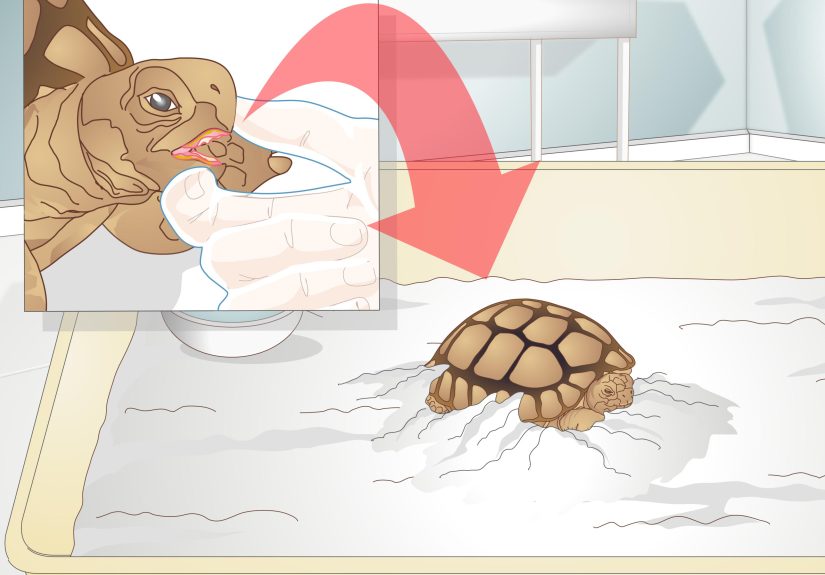
If your tortoise is calm and safe to handle, gently inspect the visible edges of the mouth. Do not pry the mouth open forcefully. You are looking for redness, inflammation, swollen gums, or tiny red or purple spots. Early stomatitis may begin subtly, with irritated tissue instead of thick pus.
Good lighting helps. A small flashlight can make a huge difference. Compare both sides of the mouth if possible. Uneven redness or focal swelling can be a clue that trauma or localized infection is involved.
Step 4: Look for White, Yellow, or Cheesy Plaques
This is one of the classic signs of reptile mouth rot. As the condition worsens, you may see caseous material, which is a fancy veterinary way of saying thick, cheese-like debris. It can appear white, yellow, gray, or tan and often sticks to the gums, palate, or corners of the mouth.
Do not scrape it off at home. In reptiles, this material can sit over damaged tissue, and rough removal may cause bleeding, pain, and more trauma. Your job is to notice it, not audition for amateur tortoise dentistry.
Step 5: Notice Swelling of the Jaw or Face
Swelling around the mouth, lips, cheeks, or jawline can indicate a deeper infection. In severe cases, stomatitis may extend into the tissues surrounding the mouth and even the jaw bones. A tortoise may also struggle to close the mouth normally or hold it slightly open.
Facial asymmetry matters. If one side of the face looks puffier than the other, take photos and note the date. Changes over time help your veterinarian judge how quickly the problem is progressing.
Step 6: Smell the Mouth Area
Yes, this step is glamorous. No, it is not optional. A sour, rotten, or unusually foul odor around the mouth can be a useful clue. Healthy tortoise breath is not minty fresh, but it should not smell like a compost bin that lost the will to live.
Bad odor often accompanies infected debris, necrotic tissue, and advanced oral disease. If a strange smell appears along with drooling, swelling, or appetite loss, stomatitis moves higher on the list of possibilities.
Step 7: Rule Out Husbandry Problems
Diagnosing stomatitis is not only about what you see in the mouth. It is also about asking why it developed. Review the enclosure like a suspicious building inspector. Is the temperature gradient correct for the species? Is the basking area warm enough? Is humidity appropriate? Is there access to clean water and proper soaking when needed? Is the UVB lighting suitable and current?
Poor husbandry can weaken immunity, dry out tissues, interfere with healing, and create the perfect conditions for infection. Dirty substrate, leftover food, chronic stress, overcrowding, and incorrect diet can all contribute. In many cases, stomatitis is the symptom that finally forces the husbandry conversation nobody wanted to have.
Step 8: Consider Trauma and Nutritional Issues
Not every mouth lesion starts with infection. Sometimes the first domino is trauma. Sharp cage items, bites, abrasive surfaces, forced feeding, or rough handling can injure the mouth and invite bacteria to move in. Tortoises fed an inappropriate diet may also develop nutritional deficits that affect tissue health and immune function.
Vitamin A problems are one example often discussed in reptile medicine, especially when abnormal mucous membranes are involved. That does not mean every sore mouth equals a vitamin deficiency, but it does mean diet history belongs in the diagnostic puzzle.
Step 9: Check for Respiratory Signs or Whole-Body Illness
Stomatitis in tortoises does not always travel alone. Watch for nasal discharge, eye discharge, wheezing, open-mouth breathing, lethargy, or unusual hiding. Some viral diseases and upper respiratory pathogens in chelonians can cause oral lesions or oral plaques along with other signs of illness.
This step matters because a tortoise with a mouth problem and breathing issue may need faster veterinary care than a tortoise with mild oral redness alone. When the whole animal looks unwell, the case is no longer “maybe it is just the mouth.”
Step 10: Document the Signs Before the Vet Visit
Photos, videos, appetite notes, enclosure temperatures, humidity readings, diet details, and the timeline of symptoms are all diagnostic gold. Bring this information to your reptile veterinarian. A clear record can help distinguish sudden trauma from chronic disease and can guide decisions about cultures, imaging, or supportive care.
Useful things to document include:
- When the appetite changed
- Whether the tortoise is still drinking or soaking
- Any visible discharge, plaques, or odor
- Recent enclosure changes
- Type of UVB bulb and when it was last replaced
- Daily temperatures and humidity levels
- Any prior illness, injuries, or new animal exposure
Step 11: Confirm the Diagnosis With a Reptile Veterinarian
A home check can raise suspicion, but a veterinarian confirms the diagnosis. Depending on severity, your vet may perform a detailed oral examination, obtain samples for cytology or bacterial culture, recommend bloodwork, or take radiographs if deeper infection or jaw-bone involvement is suspected. In unusual or severe cases, testing for viral disease, biopsy, or advanced imaging may be considered.
This is especially important because several problems can mimic stomatitis, including trauma, foreign bodies, abscesses, tumors, hypovitaminosis A, and viral disease. In other words, not every ugly mouth is classic mouth rot. That is why the final diagnosis should come from someone with reptile experience and the right tools.
Signs That Mean “Call the Vet Now”
Some cases should not wait for casual observation. Contact a reptile veterinarian promptly if your tortoise has:
- Stopped eating completely
- Thick pus or cheesy plaques in the mouth
- Swelling of the jaw or face
- Open-mouth breathing or nasal discharge
- Bleeding in the mouth
- Severe lethargy or dehydration
- Rapid weight loss
What Happens After Diagnosis?
Treatment depends on the cause and severity. Mild cases may need oral cleaning by a veterinarian, antiseptic care, husbandry correction, hydration support, and medication. More serious cases can require systemic antibiotics, pain control, debridement of infected tissue, and follow-up exams. If the jaw bone is involved, treatment gets more complicated. If a viral process is suspected, management may also involve isolation and more targeted testing.
Translation: the sooner you act, the less likely your tortoise is to need the reptile version of a renovation project inside its mouth.
How to Help Prevent Stomatitis in Tortoises
Prevention starts with the basics, and the basics are not boring when they save a vet bill. Keep the enclosure clean, provide species-appropriate heat and humidity, replace UVB bulbs on schedule, offer proper diet and hydration, and avoid rough objects that can injure the mouth. Quarantine new reptiles, reduce chronic stress, and schedule veterinary exams for any tortoise with recurring appetite or respiratory issues.
Routine observation helps too. Many owners notice stomatitis only after the disease is advanced. A quick weekly check of appetite, behavior, body weight, and the front of the mouth can make early problems easier to spot.
Common Mistakes Owners Make
- Assuming a tortoise is “just picky” when it stops eating
- Trying to remove plaques at home
- Ignoring enclosure temperatures and humidity
- Using over-the-counter treatments without a diagnosis
- Waiting until jaw swelling appears before seeing a vet
- Forgetting that mouth disease may be part of a larger systemic illness
Final Thoughts
Diagnosing stomatitis in tortoises is part observation, part logic, and part respecting the fact that reptiles often hide illness until they really cannot anymore. The good news is that the warning signs are learnable. Appetite changes, drooling, redness, plaques, foul odor, swelling, and respiratory signs all matter. When you combine those clues with a review of husbandry and a prompt reptile-vet visit, you give your tortoise a much better chance at healing well.
So yes, you can learn to spot mouth rot in tortoises early. And no, “maybe he is just in a mood” should not be your long-term diagnostic plan.
Owner Experiences and Practical Lessons
Many tortoise keepers describe the same frustrating pattern: everything seems fine, then one day the tortoise starts eating less and becomes oddly selective. At first, it is easy to blame the weather, boredom, or a newfound hatred of dandelion greens. Then the owner notices a tiny bit of saliva, a faint odor, or a small pale patch in the mouth. That is often the moment when people realize stomatitis can sneak in quietly rather than arriving with neon warning lights.
One common lesson from real-world experience is that subtle symptoms matter more than dramatic ones. Owners often say they wish they had paid closer attention to small changes in chewing behavior, slower feeding, or a tortoise repeatedly rubbing its mouth after trying to eat. Those signs may look minor, but they can be early clues that the mouth is painful.
Another repeated theme is how often husbandry turns out to be part of the story. Keepers may discover that the basking spot was a few degrees too cool, the UVB bulb was older than expected, or the enclosure stayed damp and dirty longer than it should have. None of those issues guarantee stomatitis, but together they can lower the tortoise’s resilience. In hindsight, many owners realize the disease was not a random lightning bolt. It was the result of several manageable factors stacking up.
Experienced keepers also talk about the temptation to “just monitor it for a few more days.” That delay can be costly. Oral disease in reptiles can worsen quickly, and once thick debris, swelling, or deep infection develops, treatment becomes longer and more stressful. Owners who sought early veterinary care often report smoother recoveries than those who waited until the tortoise completely stopped eating.
There is also a strong practical lesson in documentation. People who took clear photos over several days found it easier to explain the problem to their veterinarian. A single snapshot might not reveal much, but a short timeline showing increased redness, new plaques, or growing jaw swelling can tell a more convincing story. Temperature logs, humidity readings, and diet notes can be just as helpful.
Some owners learn the hard way that home treatment has limits. Trying to scrape off mouth plaques, forcing the mouth open, or guessing at medications can make the tissue more irritated and delay the right care. In contrast, owners who focused on supportive steps like improving enclosure conditions, keeping the tortoise warm, and arranging a reptile-vet visit generally felt more confident and less panicked.
Finally, many tortoise keepers say the experience changed how they monitor their animals. After dealing with stomatitis once, they become much more observant about appetite, hydration, oral appearance, and behavior. Weekly weight checks become routine. UVB replacement dates get written down. Cleaning becomes more consistent. In that sense, a stressful illness sometimes leads to better long-term care habits.
The takeaway from these experiences is simple: stomatitis in tortoises is serious, but it is also something owners can catch earlier if they know what to look for. Small clues count, husbandry matters, and quick action beats wishful thinking every time.