Table of Contents >> Show >> Hide
- What Is Plant Propagation?
- Why Propagating Plants Saves Money
- The No-Cost Propagation Starter Kit
- Best Plants to Propagate for Beginners
- Method 1: Stem Cuttings
- Method 2: Leaf Cuttings
- Method 3: Division
- Method 4: Offsets, Pups, and Runners
- Method 5: Simple Layering
- Water Rooting vs. Soil Rooting
- How to Increase Your Success Rate
- Common Propagation Mistakes
- How Long Does Propagation Take?
- Creative Ways to Get Free Plant Material
- Experience Notes: What Propagating Teaches You Over Time
- Conclusion
- SEO Tags
Buying plants is delightful until your receipt looks like a small car payment. The good news? Many plants already own the equipment needed to make more plants. Stems, leaves, roots, runners, offsets, and divisions can all become the beginning of a greener home or gardenwithout adding another “just one more plant” charge to your budget.
Plant propagation is the art and science of creating new plants from existing ones. Some methods use seeds, while others use vegetative parts such as stems, leaves, or roots. For home gardeners, the most budget-friendly propagation methods are usually stem cuttings, leaf cuttings, division, offsets, runners, and layering. With a clean pair of scissors, a reused jar, a recycled nursery pot, and a little patience, you can turn one healthy plant into many.
This guide explains how to get more plants at no cost by propagating, which plants are easiest to start with, what mistakes to avoid, and how to build your own mini plant nursery using supplies you probably already have. Consider it the gardening version of cloningbut friendlier, greener, and much less likely to star in a sci-fi thriller.
What Is Plant Propagation?
Plant propagation means creating new plants. There are two broad categories: sexual propagation and asexual propagation. Sexual propagation uses seeds, which may produce plants that vary from the parent. Asexual propagation, also called vegetative propagation, uses plant parts such as stems, leaves, roots, bulbs, rhizomes, runners, or offsets. These new plants are usually genetic copies of the parent plant.
For gardeners who want more of a favorite pothos, mint, coleus, spider plant, hosta, or succulent, vegetative propagation is often the fastest and most reliable route. If you love the exact color, shape, fragrance, or growth habit of a plant, propagation by cuttings or division helps preserve those traits.
Why Propagating Plants Saves Money
Propagation saves money because it uses what you already have: healthy parent plants, pruned stems, overgrown clumps, or small “pups” that appear naturally. Instead of buying a new plant for every windowsill, container, border, or gift, you can multiply plants from your own collection.
The savings become especially noticeable with perennials, herbs, houseplants, and landscape plants. A single mature clump of chives can be divided into several smaller plants. A long pothos vine can provide multiple stem cuttings. A spider plant can produce enough babies to stock a shelf, fill a hanging basket, and still leave you with extras for friends who “only came over for coffee.”
The No-Cost Propagation Starter Kit
You do not need a fancy greenhouse to start propagating. Many successful plant starts begin in ordinary household items. Use clean glass jars for water rooting, yogurt cups or takeout containers as starter pots, and clear plastic produce boxes as humidity covers. Just make sure any container used with soil has drainage holes.
Here is the nearly free setup:
- Clean scissors or pruners: Sharp tools make cleaner cuts and reduce damage to the parent plant.
- Reused jars: Great for rooting pothos, philodendron, coleus, mint, basil, and similar stem cuttings in water.
- Small pots with drainage: Reuse nursery pots, plastic cups with holes, or seedling trays.
- Labels: Use popsicle sticks, masking tape, or cut-up plastic containers.
- Bright indirect light: A windowsill with filtered light is often better than harsh direct sun.
- Moist rooting medium: Use fresh potting mix if available. For garden divisions, existing garden soil may be enough when replanting outdoors.
Rooting hormone can improve success for some cuttings, especially woody plants, but it is optional for many easy houseplants and herbs. Since this article is focused on no-cost propagation, start with plants that root readily without extra products.
Best Plants to Propagate for Beginners
If you are new to propagation, begin with forgiving plants. The goal is to build confidence, not to spend three weeks staring suspiciously at a twig.
Easy Houseplants
Pothos, philodendron, spider plant, snake plant, inch plant, peperomia, jade plant, African violet, coleus, and monstera are common choices. Some root from stem cuttings, some from leaf cuttings, and others from offsets or division. The key is matching the plant to the right propagation method.
Easy Herbs
Mint, basil, rosemary, thyme, oregano, sage, lemon balm, and chives are excellent candidates. Soft-stemmed herbs like mint and basil often root quickly in water. Woody herbs such as rosemary and sage may do better in a moist rooting medium and can take longer.
Easy Outdoor Perennials
Hostas, daylilies, irises, ornamental grasses, bee balm, black-eyed Susan, coneflower, and many ferns can often be increased by division. When a clump becomes crowded, produces fewer flowers, or develops a bare center, division can refresh the plant while giving you extras.
Method 1: Stem Cuttings
Stem cuttings are one of the simplest ways to get more plants at no cost. This method works by taking a piece of stem from a healthy parent plant and encouraging it to grow roots.
How to Take a Stem Cutting
- Choose a healthy stem with active growth and no signs of pests or disease.
- Cut a section about 3 to 6 inches long, depending on the plant.
- For vining plants, make sure the cutting includes at least one node. A node is the small bump or joint where leaves, roots, or buds can form.
- Remove lower leaves so they do not sit in water or soil and rot.
- Place the cutting in water or moist rooting mix.
- Keep it in bright indirect light and wait for roots to form.
Pothos is a classic example. Cut below a node, place the cutting in a jar of water, and roots often appear from the node. Once roots are a couple of inches long, move the cutting into potting mix. Planting several rooted cuttings together creates a fuller pot.
Monstera cuttings also need nodes. A single leaf without a node may look dramatic in a vase, but it will not grow into a full new plant. It is basically décor with commitment issues.
Method 2: Leaf Cuttings
Some plants can be propagated from leaves. This method is especially useful for African violets, begonias, snake plants, jade plants, and certain succulents.
How Leaf Cuttings Work
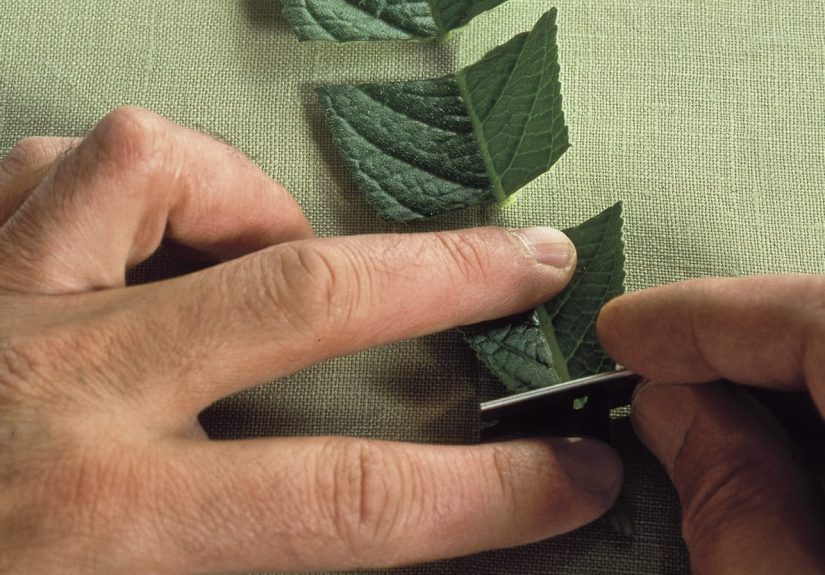
Leaf propagation depends on the plant’s ability to produce roots and shoots from leaf tissue. African violets can grow from a leaf with its petiole, while snake plant leaves can be cut into sections and planted upright. Begonias with prominent veins may produce small plantlets where the veins are cut and held against moist rooting medium.
Leaf propagation is not universal. Some plants may root from a leaf but never produce a new shoot. That is why knowing the plant matters. When in doubt, check the plant’s growth habit: does new growth come from nodes, crowns, rhizomes, or leaf tissue? The answer tells you which method to try.
Method 3: Division
Division is the plant world’s version of “you take this side, I’ll take that side.” It works best for plants that grow in clumps, crowns, rhizomes, bulbs, or offsets. Instead of starting from a tiny cutting, you separate an established plant into smaller sections that already have roots and shoots.
How to Divide Plants
- Water the plant the day before dividing so the roots are hydrated.
- Remove the plant from its pot or dig up the clump from the garden.
- Gently shake away loose soil so you can see the roots and growing points.
- Pull apart natural sections by hand or cut them with a clean knife.
- Make sure each division has roots and healthy top growth.
- Replant immediately and water well.
Division works beautifully for many perennials, ferns, peace lilies, ZZ plants, snake plants, hostas, daylilies, chives, and ornamental grasses. It is also one of the fastest propagation methods because the new plant already has a root system.
Method 4: Offsets, Pups, and Runners
Some plants practically do the work for you. Spider plants produce small plantlets on arching stems. Aloe and many succulents produce pups near the base. Strawberries send out runners that root where they touch soil.
How to Propagate Offsets and Pups
Wait until the offset has some size and, ideally, its own roots. Then gently separate it from the parent plant and pot it up. If the pup has no roots yet, let the cut end dry for a short time before placing it in a suitable rooting medium, especially with succulents.
For spider plants, you can pin a plantlet into a small pot while it is still attached to the parent. Once it roots, cut the connecting stem. This method is nearly foolproof, which is why spider plants have quietly taken over offices, kitchens, and the homes of people who claim they are “not plant people.”
Method 5: Simple Layering
Layering creates roots while the new plant is still attached to the parent. This is useful for plants with flexible stems, including some herbs, shrubs, vines, and houseplants.
How to Layer a Plant
- Choose a low, flexible stem.
- Bend it gently to the soil surface.
- Wound or scrape a small section of stem where it will touch the soil, if appropriate for the plant.
- Pin the stem down with a bent paper clip, small stone, or garden staple.
- Cover the contact point with soil while leaving the growing tip exposed.
- After roots form, cut the new plant away from the parent and transplant it.
Mint, thyme, oregano, hydrangea, blackberry, and some vining houseplants can respond well to layering. It is slower than taking a cutting, but the attached stem continues receiving support from the parent plant while roots form, which can improve success.
Water Rooting vs. Soil Rooting
Water rooting is popular because it lets you watch roots develop. It is also clean, simple, and satisfying. Pothos, coleus, philodendron, mint, and basil often root well in water. Change the water every few days or whenever it becomes cloudy.
Soil rooting is often better for plants that dislike moving from water to potting mix. Cuttings rooted directly in a moist medium may develop roots better adapted to soil from the start. This can be helpful for many succulents, woody herbs, and outdoor shrubs.
If you root in water, transplant before the roots become long, tangled noodles. Roots that grow too long in water can be more fragile when moved into soil. Aim for a few healthy roots rather than a dramatic underwater beard.
How to Increase Your Success Rate
Propagation is simple, but it is not magic. Cuttings fail when they dry out, rot, sit in harsh sun, or come from unhealthy plants. A few careful habits can greatly improve your results.
Start With Healthy Parent Plants
Do not propagate from a plant that is battling pests, disease, severe stress, or root rot. New plants inherit the parent’s strengths, but they can also bring along unwanted problems. Choose vigorous growth with good color and firm stems.
Use Clean Tools
Clean scissors, pruners, or knives help prevent the spread of disease. Wash tools before cutting, especially if you have used them on a questionable plant. Clean cuts also heal better and reduce crushing damage.
Give Bright Indirect Light
Most cuttings need light, but direct sun can be too intense before roots develop. Bright indirect light encourages growth without cooking tender cuttings. A sheer-curtained window, bright shelf, or protected porch can work well.
Maintain Moisture, Not Swamp Conditions
Moisture is essential, but soggy conditions invite rot. Soil should feel damp like a wrung-out sponge, not like a mud puddle with ambition. For cuttings under a humidity cover, open the cover daily for airflow.
Common Propagation Mistakes
The most common mistake is taking the wrong piece of the plant. For many vining plants, a node is essential. A pretty leaf by itself may survive for a while but never become a full plant. Another mistake is placing cuttings in strong direct sunlight, which can cause wilting or leaf burn.
Overwatering is another classic troublemaker. New cuttings have limited or no roots, so they cannot use water the way established plants can. Constantly wet soil can suffocate developing roots. On the other hand, letting cuttings dry out completely can stop root formation. Propagation is a balancing act, but fortunately it does not require circus shoes.
How Long Does Propagation Take?
Timing depends on the plant, method, temperature, light, and season. Fast-rooting plants like pothos, mint, coleus, and basil may show roots in one to three weeks. Snake plant leaf cuttings, woody herbs, succulents, and some shrubs can take much longer. Divisions and offsets often establish faster because they already have roots.
Warmth usually speeds rooting, while cold conditions slow it down. Spring and early summer are often ideal for many plants because they are naturally entering active growth. Indoor houseplants can be propagated at many times of year, but results may be slower in winter when light levels drop.
Creative Ways to Get Free Plant Material
Your own plants are the easiest source, but they are not the only option. Ask friends, neighbors, or family members whether they have overgrown houseplants, extra spider plant babies, divided perennials, or herb cuttings. Many gardeners are delighted to share. In fact, some are waiting for an excuse to hand you a bag of mint and warn you, lovingly, not to plant it loose in the garden.
Community plant swaps are another great option. Bring extra cuttings or divisions and trade for something new. You can also save seeds from open-pollinated flowers, herbs, and vegetables, though seed-grown plants may not always look exactly like the parent.
Avoid taking cuttings from public gardens, parks, nurseries, private yards, or protected natural areas without permission. Free plants are wonderful. Awkward conversations with security guards are less wonderful.
Experience Notes: What Propagating Teaches You Over Time
The first lesson of no-cost propagation is that plants are more generous than they look. A single vine trailing off a shelf can become five new pots. A crowded clump of chives can become a border, a patio container, and a gift for the neighbor who always returns your packages. Once you start noticing plant parts as possibilities, pruning stops feeling wasteful. It becomes a quiet little harvest.
One of the most satisfying beginner experiences is rooting pothos in a glass jar. You cut below a node, remove the lower leaf, place the cutting in water, and suddenly your kitchen windowsill looks like a tiny science lab. At first, nothing happens. Then one morning you spot a small white root emerging. It is ridiculous how exciting that can be. You may find yourself checking the jar twice a day, as if the roots are going to file a progress report.
Herbs teach a different lesson: timing matters. Mint and basil are enthusiastic rooters when they are healthy and actively growing. Rosemary is slower and more dramatic. It may sit there looking undecided for weeks. The trick is to take more than one cutting, keep the leaves from sitting in water or soggy soil, and avoid tugging on the stem every other day to “see if it rooted.” That tugging habit is understandable, but it is also how many tiny roots meet a tragic end.
Division teaches confidence. The first time you pull apart a root-bound peace lily or slice through an overgrown hosta, it can feel mildly criminal. But then the divisions perk up, settle into their new spaces, and grow as if nothing scandalous happened. Many mature plants actually benefit from being divided because crowding can reduce vigor and flowering. In that sense, propagation is not just about getting more plants; it is also about renewing the ones you already have.
Layering teaches patience. It is not flashy. You pin a stem to soil, keep it moist, and wait. But it is wonderfully low-risk because the future baby plant remains attached to the parent while roots develop. This method is especially useful when cuttings fail or when the plant has flexible stems that naturally want to root where they touch the ground.
The biggest practical lesson is to label everything. At first, you will think, “Of course I’ll remember what this is.” You will not. Three weeks later you will be staring at six identical cups wondering whether they contain coleus, basil, or something you rescued from a pruning session. A strip of masking tape can save you from becoming the confused curator of a mystery nursery.
Finally, propagation changes how you see abundance. A garden does not have to be expensive to feel full. A windowsill can become a nursery. A pruning session can become a batch of gifts. A plant swap can turn one familiar houseplant into three new varieties. The real secret is simple: start small, stay curious, and let a few failures be part of the process. Not every cutting will root, but enough of them willand soon you will be the person handing friends a cup with a plant in it and saying, “Take this. I made too many.”
Conclusion
Learning how to get more plants at no cost by propagating is one of the most rewarding skills a home gardener can develop. Stem cuttings, leaf cuttings, division, offsets, runners, and layering all offer practical ways to multiply plants without buying more. Start with easy plants, use clean tools, match the method to the plant, and provide bright indirect light with steady moisture. Before long, your home and garden can be fuller, greener, and more personalall without making your wallet wilt.