Table of Contents >> Show >> Hide
- What Is a Subcutaneous Injection?
- Supplies You May Need Before You Start
- Best Places to Give a Subcutaneous Injection
- How to Give a Subcutaneous Injection: Simple Steps
- 1. Wash your hands and set up a clean space
- 2. Read the medication instructions one more time
- 3. Prepare the syringe or pen
- 4. Choose and inspect your injection site
- 5. Clean the skin and let it dry
- 6. Pinch the skin gently
- 7. Insert the needle at the right angle
- 8. Inject the medication slowly and steadily
- 9. Remove the needle and apply light pressure
- 10. Dispose of the needle safely right away
- Tips for Less Pain and Better Results
- Common Mistakes to Avoid
- When to Call a Healthcare Professional
- How Caregivers Can Help
- Common Experiences People Have With Subcutaneous Injections
- Conclusion
- SEO Tags
If you have been told to give a subcutaneous injection at home, welcome to the club nobody exactly asked to join. The good news is that a subcutaneous shot is usually one of the simplest injections to learn. It goes into the fatty layer just under the skin, not deep into muscle, which makes it a common method for insulin, some blood thinners, GLP-1 medications, fertility drugs, and other at-home treatments.
At first, the whole process can feel weirdly dramatic. You lay out supplies like a tiny operating room, stare at the needle like it insulted your family, and suddenly forget how hands work. That part is normal. What matters is learning a clean, repeatable routine. Once you understand where to inject, how to prepare the medication, what angle to use, and how to safely throw the needle away, the process becomes much less intimidating.
Important note: This guide is for general education. Your doctor, nurse, pharmacist, and medication instructions always outrank any general article on the internet. Some prefilled pens, syringes, and medicines have special steps, including storage rules, hold times, safety guards, and site restrictions.
What Is a Subcutaneous Injection?
A subcutaneous injection is a shot given into the layer of fat right beneath your skin. That fatty tissue helps certain medicines absorb steadily. Common injection areas include the abdomen, thighs, upper outer arms, and sometimes the upper buttocks. Think of it as the “not too deep, not too shallow” zone.
This type of injection is different from an intramuscular shot, which goes into muscle, and different from an intravenous injection, which goes directly into a vein. That distinction matters because the correct technique helps the medication work properly and lowers the chance of pain, bruising, leaking, or irritation.
Supplies You May Need Before You Start
- Your medication, vial, prefilled syringe, or injection pen
- A new sterile needle and syringe, if your medication is not already prefilled
- Alcohol pads, if instructed for your medication and skin prep
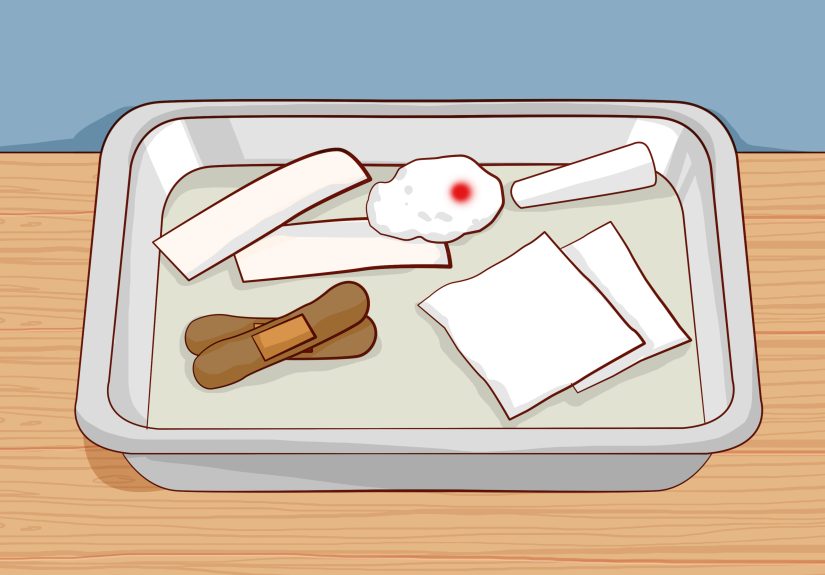
- Clean gauze or a cotton ball
- A bandage, if needed
- A sharps container or another puncture-resistant container approved by your local disposal rules
- Your medication guide or dosing instructions
- A notebook or phone note to track injection sites
Before giving the shot, double-check the medication name, dose, expiration date, and appearance. If your medication guide says the liquid should be clear and colorless, do not use it if it looks cloudy, foamy, discolored, or has particles. Also, use a new needle every time, and never share needles, syringes, or medicine pens with anyone else.
Best Places to Give a Subcutaneous Injection
The easiest and most commonly used sites are:
- Abdomen: Usually the easiest area to reach. Stay about 2 inches away from your belly button.
- Front or outer thigh: A practical option if you prefer not to inject into your stomach.
- Back of the upper arm: Often easier when another person is helping.
- Upper buttocks: Sometimes used, depending on the medication and your clinician’s instructions.
Avoid skin that is bruised, swollen, tender, red, scarred, lumpy, hard, numb, or irritated. Also stay away from stretch marks, moles, lesions, and areas too close to old injection spots. Rotating sites matters more than many people realize. Repeating injections in the same place over and over can cause skin changes, scar tissue, and less predictable absorption. In plain English, your skin gets cranky and your medication may not work as well.
How to Give a Subcutaneous Injection: Simple Steps
1. Wash your hands and set up a clean space
Wash your hands thoroughly with soap and water, then dry them with a clean towel or paper towel. Place your supplies on a clean, flat surface. A calm setup reduces mistakes. This is not the moment to balance a syringe on a cereal box while half-watching television.
2. Read the medication instructions one more time
Yes, even if you already read them. Especially if you already read them. Confirm the dose, check whether the medicine needs to warm to room temperature, and see if there are any product-specific steps. Some refrigerated prefilled syringes are easier and more comfortable to inject after sitting out briefly, but only follow that step if your medication instructions say it is allowed.
3. Prepare the syringe or pen
If you are using a vial, draw up the exact dose using the technique your clinician taught you. Tap the syringe gently if needed to move air bubbles toward the top. If you are using a prefilled syringe or pen, inspect it carefully and remove the cap only when you are ready. If the needle bends, touches something unclean, or the packaging is damaged, do not use it.
4. Choose and inspect your injection site
Pick a healthy area with enough fatty tissue. If you used the abdomen last time, consider the thigh or a different area of the abdomen this time. Keep injections at least about 1 inch away from scars and at least 2 inches away from the navel. Many people find it helpful to rotate in a pattern rather than guess every time.
5. Clean the skin and let it dry
Clean the site according to your care team’s instructions. Many people are told to use an alcohol pad in a circular motion and let the skin air dry completely. Do not fan it, blow on it, or touch it again afterward. Wet alcohol can sting more, and touching the area defeats the whole “clean” part of the plan.
6. Pinch the skin gently
Use your non-dominant hand to pinch a fold of skin and fatty tissue, not muscle. This helps lift the subcutaneous layer and gives you a better target. You want a firm but gentle pinch, not a dramatic grab that makes the whole experience more uncomfortable than it needs to be.
7. Insert the needle at the right angle
For many subcutaneous injections, the needle is inserted at a 90-degree angle. A 45-degree angle may be used when there is less fatty tissue or when your clinician or product instructions recommend it. If you are not sure, use the angle you were taught for your specific medication and needle size. Insert the needle quickly and smoothly rather than hesitating halfway, because a slow-motion poke usually feels worse.
8. Inject the medication slowly and steadily
Once the needle is in place, release the pinched skin if your instructions say to do so, then press the plunger or activate the pen steadily. Do not rush. Slow, even pressure helps deliver the full dose and may reduce discomfort. Some devices tell you to keep the needle in place for a few seconds after the medication is injected. If your product instructions say to count to 5 or 10, do that.
9. Remove the needle and apply light pressure
Pull the needle out at the same angle it went in. Then press the area gently with clean gauze or a cotton ball for a few seconds. If there is a small drop of blood, that is usually not a big deal. Avoid rubbing the site, especially after medicines like heparin, because rubbing can increase bruising and irritation.
10. Dispose of the needle safely right away
Put the used needle, syringe, or pen needle directly into a sharps container as soon as you are done. Do not leave it on a counter, in a tissue, or balanced in some questionable “I’ll do it in a second” arrangement. If you do not have an FDA-cleared sharps container, some heavy-duty puncture-resistant household plastic containers may be acceptable depending on local rules. Never throw loose needles into the trash, and do not overfill the container.
Tips for Less Pain and Better Results
- Rotate sites consistently so one area does not get overused.
- Let the skin dry fully after cleaning.
- Use a new needle each time.
- Inject with a quick, confident motion instead of hovering.
- Ask your clinician whether your medication can sit at room temperature briefly before use.
- Relax the muscle underneath the injection area.
- Track where and when you injected, especially for daily or weekly medications.
If your medication tends to leak after the shot, keep the needle in place for a few seconds longer next time if your product instructions allow it. If bruising is common, review your angle, site choice, and whether you are rubbing the area afterward.
Common Mistakes to Avoid
- Using the same exact spot over and over
- Injecting into irritated, scarred, or bruised skin
- Forgetting to verify the medication and dose
- Using an expired product
- Reusing or sharing needles, syringes, or pens
- Skipping sharps disposal safety
- Ignoring product-specific instructions for storage, timing, or hold duration
Another common mistake is trying to invent your own system because it feels faster. Injections become easier when you repeat the same safe routine every time. In other words, boring is good. Boring is accurate. Boring gets the medicine where it needs to go.
When to Call a Healthcare Professional
Call your doctor, nurse, or pharmacist if:
- You are unsure about the dose or technique
- The medication looks wrong or the package is damaged
- You keep getting large bruises, hard lumps, or leaking medicine
- The injection site becomes very red, hot, swollen, streaky, or increasingly painful
- You develop fever or signs of infection
- You accidentally inject into the wrong place or miss a dose and do not know what to do next
- Your device malfunctions or the full dose may not have been delivered
If you have symptoms of a severe allergic reaction, such as trouble breathing, swelling of the face or throat, or feeling faint, seek emergency medical help right away.
How Caregivers Can Help
If you are giving the injection to a child, older adult, or family member, the same rules apply: confirm the dose, choose a healthy site, use clean technique, and dispose of the sharps immediately. Caregivers often do especially well when they talk through the steps out loud. It keeps the process organized and reassuring. A calm voice, a predictable routine, and a quick hand can turn a stressful moment into a manageable one.
Common Experiences People Have With Subcutaneous Injections
The first few injections are usually more emotional than technical. Many people expect the pain to be the hardest part, but the bigger challenge is often anticipation. The brain starts narrating like it is auditioning for a disaster movie, while the actual injection turns out to be brief and much less dramatic. People commonly report that the first successful shot is the turning point. After that, confidence grows fast because the mystery is gone.
Another common experience is developing a little pre-shot ritual. Some people line up supplies in the exact same order every time. Others sit at the same table, take a deep breath, and count to three before inserting the needle. That routine is not silly; it is useful. Repetition reduces stress and helps prevent errors. Over time, the process starts feeling less like a major event and more like another health habit, similar to taking a pill or checking blood pressure.
Site preference is also very personal. Some people swear the abdomen is easiest because it is simple to reach and offers a good amount of fatty tissue. Others prefer the thigh because it feels more controlled or less sensitive. A few people discover that one side of the body is consistently more comfortable than the other. That is one reason tracking injection sites helps so much. Patterns become visible. You start to notice which locations bruise more, which feel easier, and which you would rather skip forever.
Mild redness, a tiny dot of blood, or short-lived soreness can happen now and then, and many people are surprised to learn that this does not automatically mean they did something wrong. In fact, the bigger issue is usually repeated injections in the same spot. People who skip rotation may eventually notice lumps, thicker skin, tenderness, or unpredictable absorption. Once they start rotating more carefully, things often improve. The lesson is simple: your future self will thank you for keeping a site log, even if your present self thinks a site log sounds wildly unglamorous.
People using refrigerated medications often mention that a cold injection can sting more. When the medication instructions allow it, letting the syringe or pen sit out for a short time can make the shot more comfortable. Likewise, rushing the process usually makes it feel worse. The folks who have the smoothest routine are often the ones who prepare calmly, let the skin dry fully, inject steadily, and avoid rubbing afterward.
Caregivers often describe a different kind of learning curve. They may not be nervous about the needle itself, but they worry about hurting the person they are helping. What tends to help most is talking through the steps, using a predictable routine, and getting hands-on instruction from a clinician before doing it at home. Many caregivers say that confidence comes not from being fearless, but from being systematic.
Travel is another real-world issue. People who take regular subcutaneous injections quickly learn the value of carrying labeled medication, spare supplies, and a portable sharps container or approved alternative. It is not the most glamorous part of modern life, but neither is explaining to airport security why you packed loose needles next to a granola bar.
Perhaps the most encouraging shared experience is this: what feels overwhelming at first often becomes routine surprisingly fast. People go from staring at the syringe like it is a puzzle from another planet to completing the whole process in a few calm minutes. The shot may never become anyone’s favorite hobby, but it does become manageable. And that is more than enough.
Conclusion
Learning how to give a subcutaneous injection safely comes down to a few essential habits: verify the medication, wash your hands, choose a healthy site, rotate locations, use the proper angle, inject steadily, and dispose of sharps immediately. The technique is simple, but consistency is what makes it safe and effective.
If you are new to self-injection, do not judge your confidence by the first attempt. Most people feel awkward in the beginning. With the right instructions and a repeatable routine, the process becomes faster, easier, and far less intimidating. Follow your medication guide, keep your supplies organized, and ask your healthcare team questions when something feels unclear. That is not being overly cautious. That is being smart.