Table of Contents >> Show >> Hide
- Meet the African Daisy (Osteospermum)
- Ideal Growing Conditions for African Daisy
- How to Plant African Daisy
- Watering and Fertilizing African Daisy
- Pruning, Deadheading, and Encouraging More Blooms
- Overwintering African Daisy
- Common Problems and How to Fix Them
- Design Ideas and Great Companion Plants
- Real-Life Experiences and Extra Tips for Growing African Daisy
If your garden feels a little “meh” and you’re craving color that looks like it belongs on a postcard from
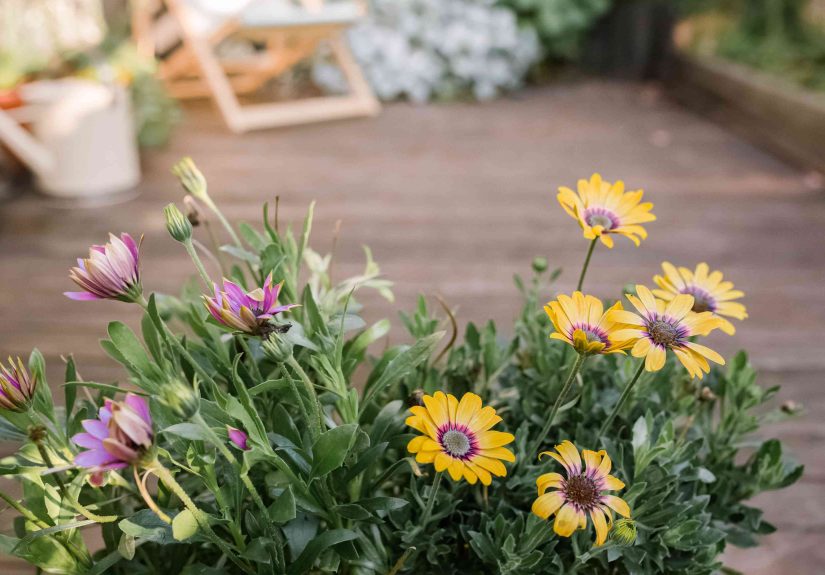
the Mediterranean, African daisy (Osteospermum) is your plant. These cheerful blooms come in sunset shades of
orange, pink, purple, and white, often with striking blue or dark centers that look almost unreal. The good
news? They’re not divas. Give them sun, drainage, and a bit of attention, and they’ll reward you with months
of flowers.
In this guide, we’ll walk through everything you need to know about how to grow and care for African daisy:
from planting and watering to pruning, pest control, and container growing. We’ll also add some real-world
tips at the end so you can skip the rookie mistakes and get straight to “Wow, what are those?” compliments
from your neighbors.
Meet the African Daisy (Osteospermum)
African daisies are native to South Africa and related regions, which explains why they love sun and good
drainage. Botanically, most garden varieties you’ll find are Osteospermum hybrids. In warm climates
(roughly USDA zones 9–11), they can behave like short-lived perennials. In cooler areas, gardeners usually
grow them as annuals or overwinter them in containers.
One of their charming quirks is that the flowers close at night and on very cloudy days, so don’t panic if
your plant looks shy after sunset. African daisies also tend to bloom best in cooler weatherspring and fall
are prime timethen may slow down during extreme summer heat before picking back up when temperatures drop
again.
Typical plants reach about 10–16 inches tall and 12–20 inches wide, making them ideal for the front of borders,
edging, containers, and mixed flower beds. With regular deadheading and the right care, you can keep them
blooming for months.
Ideal Growing Conditions for African Daisy
Sunlight: Think “Vacation in the Sun,” Not “Basement Apartment”
African daisies thrive in full sun. Aim for at least 6–8 hours of direct sunlight per day. In cooler coastal
or northern climates, full sun is usually perfect. In very hot or arid regions, they still need abundant light,
but a bit of afternoon shade can help prevent heat stress and extend the blooming season.
If your plants are stretching, getting leggy, or not blooming much, low light is a common culprit. Moving them
to a brighter spot often makes a noticeable difference within a few weeks.
Temperature and Hardiness Zones
African daisies are sensitive to frost, so plant them outdoors only after the danger of frost has passed.
They’re happiest in mild temperatures, generally in the range of about 55–75°F. In most of the United States:
- Zones 9–11: Can behave as short-lived perennials or be overwintered outdoors with protection.
- Zones 8 and colder: Usually grown as annuals, or overwintered indoors in containers.
When summer temperatures soar, don’t be surprised if blooming slows down. This “summer pause” is normal. With
consistent care and a little shade in the hottest part of the day, many plants bounce back with another strong
flush of flowers in early fall.
Soil: Well-Drained or Bust
African daisies are big fans of well-draining soil. Think sandy, loamy, or slightly rocky beds rather than
heavy, soggy clay. If your soil tends to hold water, amend it with compost, fine bark, or coarse sand to
improve structure and drainage.
Key soil tips:
- pH: Slightly acidic to neutral (around 6.0–7.0) is ideal.
- Drainage: Absolutely essential to prevent root rot.
- Organic matter: A layer of compost worked into the top 6–8 inches of soil helps with both nutrients and water balance.
How to Plant African Daisy
Choosing Plants or Seeds
You’ll usually encounter African daisies in three forms:
- Nursery transplants: The fastest way to color. Great for instant impact in borders and pots.
- Seeds: Budget-friendly and fun if you like starting your own plants. Many mixes offer a range of colors.
- Cuttings: Some gardeners propagate favorite varieties from softwood cuttings to clone particularly showy plants.
If you start from seed, follow the packet’s timing, but in general you can sow indoors 6–8 weeks before your
last expected frost date. Provide bright light and keep the soil lightly moist until germination.
Planting in the Ground
- Timing: Plant outdoors after the last frost when soil is workable and nighttime temperatures are reliably above freezing.
- Spacing: Space plants about 10–16 inches apart, depending on the variety’s mature width.
- Planting depth: Set transplants at the same depth they were growing in their pots.
- Water in: After planting, water thoroughly to settle the soil around the roots.
Add a light layer of mulch to help retain moisture and reduce weeds, but keep mulch pulled back an inch or two
from the stems to avoid rot.
Planting in Containers
African daisies are fantastic in pots, window boxes, and hanging baskets. To get the best results:
- Choose a container with several drainage holes.
- Use a high-quality, well-draining potting mix (not garden soil).
- Place the container where it receives 6–8 hours of sun daily.
- Leave 1–2 inches between the soil surface and the rim for easy watering.
Container plants often bloom their heads off, but they also dry out faster and need more attentive watering and
feeding than those planted in the ground.
Watering and Fertilizing African Daisy
Watering: Moist, Not Marshy
African daisies like a “moist but not soggy” lifestyle. When plants are young or newly transplanted, keep the
soil consistently moist to help roots establish. Once established, they become fairly drought tolerant, but
they’ll still perform better with regular, deep watering rather than frequent, shallow sprinkles.
A simple rule of thumb:
- In the ground: Water when the top 1–2 inches of soil feel dry. Deeply soak the root zone and then let it drain.
- In containers: Check soil frequently, especially in hot weather. Water when the top inch is dry, allowing excess water to drain freely.
Reduce watering in cooler months or when growth slows. Overwatering is one of the quickest ways to invite root
rot and other fungal issues.
Fertilizing for Long-Lasting Blooms
African daisies aren’t heavy feeders, but they do appreciate a balanced diet. Too little nutrition can mean
small plants and few flowers; too much, especially high-nitrogen fertilizer, can mean lots of foliage and fewer
blooms.
Try this feeding routine:
- Work a balanced, slow-release fertilizer (around 10-10-10) into the soil at planting time.
- During the peak growing season, supplement with a water-soluble fertilizer every 2–4 weeks, especially for potted plants.
- Back off if you notice lush leaves but poor blooming.
Always follow label directions“If a little is good, a lot is better” does not apply to fertilizer.
Pruning, Deadheading, and Encouraging More Blooms
Deadheading for Continuous Color
Deadheading (removing spent flowers) is one of the most effective ways to keep African daisies blooming.
Once a flower fades, snip or pinch the stem back to a set of healthy leaves. This signals the plant to produce
more buds instead of focusing on seed production.
Make it a habit to deadhead lightly every few days when you walk through the garden. It takes just a couple of
minutes and pays off in a big way.
Shaping and Seasonal Pruning
If your plants start to look leggy, you can lightly shear or pinch back the stems by about one-third to promote
bushier growth. In zones where African daisies survive as perennials, many gardeners do a stronger prune in late
fall or early springcutting plants close to the groundto rejuvenate growth for the new season.
Don’t worry, they’re tougher than they look. With sunshine and water, they bounce back nicely.
Overwintering African Daisy
In mild climates (zones 9–11), African daisies may overwinter outdoors. Provide:
- A light layer of mulch to protect roots from temperature swings.
- Reduced watering during cool, dormant or semi-dormant periods.
In colder climates, treat them as annuals or overwinter favorites in containers:
- Before hard frost, move pots indoors to a bright, cool spot.
- Trim back lightly to manage size and remove dead or diseased foliage.
- Water sparinglyjust enough to keep the soil from completely drying out.
Come spring, gradually reintroduce plants to outdoor conditions by hardening them off over 7–10 days.
Common Problems and How to Fix Them
Root Rot and Overwatering Issues
If your African daisy looks wilted even when the soil is wet, or if leaves yellow and the plant seems to collapse
from the base, root rot may be to blame. This often happens when the soil stays soggy, especially in heavy clay
or poorly drained containers.
To prevent and address root rot:
- Improve drainage with raised beds, amended soil, or better potting mix.
- Empty saucers under containers so roots don’t sit in standing water.
- Water deeply but less often, allowing soil to dry slightly between waterings.
Powdery Mildew and Leaf Diseases
Powdery mildew shows up as a white, powdery coating on leaves and stems. While it rarely kills the plant outright,
it can weaken it and make it less attractive.
To reduce disease pressure:
- Space plants to promote airflow.
- Water at the soil level, not over the foliage.
- Remove heavily infected leaves and dispose of them (don’t compost if the problem is severe).
Other leaf spots or dieback issues are often linked to prolonged wetness or very crowded plantings. Again, drainage
and airflow are your best friends.
Pests: Tiny Bugs, Big Annoyance
Aphids, thrips, and occasionally spider mites can bother African daisies. You may notice distorted new growth,
sticky residue (honeydew), or tiny insects on the undersides of leaves.
Basic pest-management strategies include:
- Spraying plants with a firm stream of water to knock pests off.
- Using insecticidal soap or horticultural oil following label directions.
- Encouraging beneficial insects like ladybugs and lacewings by maintaining a diverse, pesticide-friendly garden.
When African Daisies Won’t Bloom
No flowers? Run through this quick checklist:
- Light: Are they getting less than 6 hours of sun? Move them to a brighter spot.
- Heat: Is it midsummer and blazing hot? Flowers may pause and resume when temps cool.
- Fertilizer: Are you overdoing nitrogen? Switch to a balanced or bloom-boosting formula.
- Deadheading: Are spent flowers left on the plant? Remove them to encourage new buds.
Design Ideas and Great Companion Plants
African daisies look spectacular in mixed plantings. Consider pairing them with:
- Lavender: Shares the love of sun and good drainage; adds fragrance and soft texture.
- Echinacea (coneflower) and coreopsis: Complementary daisy-like blooms and strong pollinator appeal.
- Verbena and petunia: Trailing or mounding forms spill over pots and soften edges.
- Dusty miller and ornamental grasses: Silvery foliage and fine textures contrast beautifully with bold blooms.
For evening spaces, remember that African daisy flowers tend to close at night. Combine them with plants that stay
open in the evening so your patio or porch doesn’t go visually “off-duty” after sunset.
Real-Life Experiences and Extra Tips for Growing African Daisy
Reading about plant care is helpful, but the small, practical lessons often come from lived experiencethose
“Oh, that’s why it did that” moments. Here are some real-world style insights that can help you get the
most from your African daisies.
1. The “Two-Week Check-In” Trick
Many gardeners find that the first two weeks after planting make or break their African daisies. During this
period, aim to:
- Check moisture every couple of days, especially in containers.
- Watch for stress signs like immediate wilting or yellowingthese can reveal drainage issues early.
- Snip off any flowers that are clearly fading so the plant can invest in root growth.
Think of it as a plant “orientation period.” Give them extra attention now, and they’ll reward you later with
easier care.
2. Learning Your Microclimate
One gardener’s “full sun” is another gardener’s “frying pan.” If you live in a very hot region, a west-facing
concrete patio might be too intense for African daisies without some afternoon shade. On the other hand, a
northern or coastal gardener may need every minute of sun they can get.
A smart strategy is to start with a couple of plants in containers. Move them around over a few weeks to see
where they look happiestupright, sturdy, and full of buds. Once you find that sweet spot, you’ll know where
to plant more permanently in the ground.
3. Why Your Neighbor’s African Daisies Look Better
We’ve all had that moment: you’re proud of your flowers, then you drive by a house where African daisies look
like they hired a stylist. Usually, the difference comes down to three habits:
- Regular deadheading: A couple of minutes every few days keeps plants in constant bloom mode.
- Consistent, moderate feeding: Not too much, not too littlejust a gentle nudge to keep growth healthy.
- Right plant, right place: That magical combo of light, drainage, and air circulation.
The good news? All of those factors are under your control, and none require advanced gardening skillsjust
awareness and routine.
4. Accepting the Summer Slump
A common frustration: plants explode with flowers in spring, then suddenly stall when summer hits its peak.
Instead of assuming you’ve done something wrong, know that African daisies simply prefer cooler weather.
Here’s how to ride out the slump:
- Give them a light haircut to tidy leggy growth.
- Provide extra water during heat waves, but don’t drown them.
- Add a bit of afternoon shade if possible (an umbrella, a taller companion plant, or moving containers).
Once the weather cools, many plants reward your patience with a fresh round of bloomsalmost like a built-in
“second season.”
5. Container Lessons: The Watering Roller Coaster
African daisies in pots can look incrediblelike living bouquetsbut they also teach you quickly about water
balance. In spring, you may only need to water every few days. By midsummer, that same pot might need water
once or even twice a day, especially if it’s small, dark-colored, or sitting on hot pavement.
A handy tip: instead of guessing, slip a finger into the potting mix up to your first knuckle. If it feels dry,
it’s time to water. If it’s still cool and moist, give it another day. This low-tech “sensor” works better than
any fancy gadget for many gardeners.
6. Don’t Be Afraid to Start Over
Sometimes, despite your best efforts, an African daisy just doesn’t thrive. Maybe the roots were damaged, maybe
the soil stays too wet, or maybe the plant was stressed before you even bought it. If a plant looks miserable
and doesn’t bounce back after you adjust water, light, and soil, it’s okay to replace it.
Gardening is part science, part art, and part “learning by trial and error.” The upside is that African daisies
are widely available, relatively affordable, and quick to establishmaking them an excellent plant to experiment
with as you refine your gardening skills.
7. The Big Picture: Why African Daisies Are Worth It
With their bright, almost painted-on petals, long blooming period, and flexibility in borders or containers,
African daisies punch well above their weight in the garden. Once you dial in sun, soil, and watering, they’re
surprisingly low-maintenance. A little deadheading, occasional feeding, and an eye on drainage are usually all
they need.
If you’re looking for a plant that delivers high visual impact without demanding your entire weekend, African
daisies deserve a spot on your shortlist. Give them a sunny stage, and they’ll happily steal the show.