Table of Contents >> Show >> Hide
- What Are Living Stones?
- Why Living Stones Are So Easy to Get Wrong
- How Much Light Living Stones Need
- The Best Soil for Living Stones
- Choosing the Right Pot
- How to Water Living Stones Without Regret
- Temperature and Humidity
- Do Living Stones Bloom?
- Repotting Living Stones
- How to Propagate Living Stones
- Common Problems and How to Fix Them
- Best Care Tips for Beginners
- What Growing Living Stones Is Really Like: Real-World Experiences and Lessons
- Conclusion
- SEO Tags
Living stones are the kind of houseplants that make guests lean in, squint, and ask, “Wait… is that a plant or did you decorate with fancy gravel?” That confusion is exactly the point. Lithops, commonly called living stones, evolved to look like pebbles so hungry animals would hopefully keep walking. It is one of the most brilliant camouflage tricks in the plant world, and also one of the easiest ways to accidentally humble an overenthusiastic plant parent.
If you have ever loved a succulent a little too much and watered it straight into oblivion, living stones are here to teach you the fine art of respectful neglect. These tiny plants do not want constant attention, frequent drinks, or a fluffy moisture-retentive potting mix. They want bright light, gritty soil, patience, and a grower who understands that “doing less” can be a real skill.
This guide breaks down exactly how to grow and care for living stones indoors, from light and watering to soil, repotting, dormancy, and troubleshooting. Whether you just bought your first Lithops or you are trying to keep one alive past the honeymoon phase, here is how to help these pebble-like succulents thrive.
What Are Living Stones?
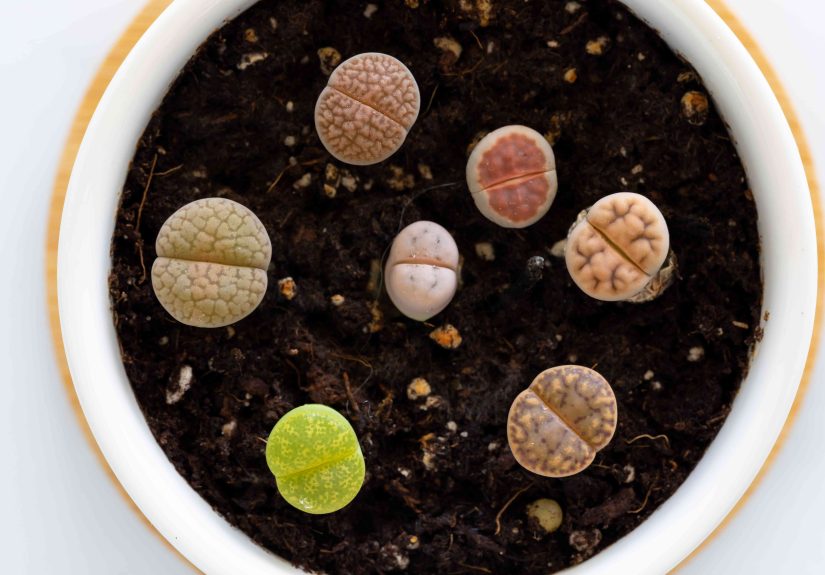
Living stones are small succulents in the genus Lithops, native to southern Africa. Each plant is made up of a pair of thick, fused leaves with a fissure in the center. That center split is where the flower appears and where the new pair of leaves eventually emerges. The tops of the leaves often have patterns, dots, and translucent “windows” that help light penetrate the plant while keeping most of its body protected below the soil line.
In the wild, these plants grow in rocky, mineral-rich areas with intense light, sparse rainfall, and excellent drainage. That natural habitat explains almost every rule of Lithops care. If your home setup mimics a bright, dry, rocky environment, you are in business. If it mimics a swampy spa retreat, your living stones are going to file a formal complaint.
Why Living Stones Are So Easy to Get Wrong
Most common houseplant advice does not apply well to living stones. Water when the top inch is dry? Too risky. Use rich potting soil? Absolutely not. Repot often to encourage growth? Please do not. Lithops are slow-growing, drought-adapted succulents with a very specific seasonal rhythm. If you ignore that rhythm, the plant often responds with mushy leaves, ugly stretching, split bodies, or sudden death that feels personal.
The good news is that once you understand how Lithops actually grow, they become much less mysterious. The number one rule is simple: water according to the plant’s growth cycle, not your calendar app.
How Much Light Living Stones Need
Bright light is nonnegotiable. Living stones generally do best with several hours of direct sun, especially in the morning, plus bright light the rest of the day. Indoors, a south-facing window is often best, while an east-facing window can also work well. If the afternoon sun in your climate is brutal, a little protection during the hottest part of the day can help prevent scorch, especially if the plant was not grown in strong light before you bought it.
Signs Your Lithops Needs More Light
- The plant stretches upward instead of staying compact.
- The fissure widens unnaturally.
- Colors look washed out.
- The plant leans hard toward the window like it is trying to escape.
If you are moving a Lithops into brighter conditions, do it gradually. A sudden leap from dim shelf life to blazing sun can cause sunburn. Think of it like taking a vampire to the beach.
The Best Soil for Living Stones
Living stones need a very fast-draining, gritty potting mix. A standard houseplant soil stays wet far too long and can cause root rot. A cactus or succulent mix is a decent starting point, but many growers improve it by adding coarse sand, pumice, perlite, turkey grit, or other mineral material.
A good rule of thumb is to use a mix that contains more mineral material than organic matter. The goal is simple: water should move through quickly, and the roots should never sit in soggy soil.
What the Right Soil Feels Like
The mix should feel coarse, loose, and airy, not dense or sponge-like. When wet, it should still drain quickly. When dry, it should not clump into a heavy brick. If your mix looks like it would support a fern’s feelings, it is probably too rich for Lithops.
Choosing the Right Pot
Use a pot with a drainage hole. That is mandatory, not optional. Clay pots are especially helpful because they dry faster than plastic. Living stones also have surprisingly deep root systems for such tiny plants, so choose a pot that is deeper than the plant looks like it needs.
A small, deep pot is usually better than a wide, shallow one. Oversized containers can stay wet too long, while decorative pots without drainage are basically tiny ceramic traps.
How to Water Living Stones Without Regret
This is the big one. Most Lithops problems come from watering mistakes. Living stones do not want frequent sips. They want a careful wet-dry cycle during active growth, followed by long dry periods when they are dormant or replacing old leaves.
The Basic Watering Rule
When the plant is actively growing, water thoroughly and then let the soil dry out completely before watering again. Then wait a bit longer. If you are unsure, waiting is usually safer than watering.
A Simple Seasonal Watering Rhythm
Late spring to early summer: Water lightly but only after the soil is fully dry and the old leaves are gone.
Mid to late summer dormancy: Stop watering or water only very sparingly if the plant becomes severely shriveled.
Late summer into fall: This is often the main active growing and blooming season. Water deeply, then allow the mix to dry completely before watering again.
Winter through early spring: Keep the plant dry while the new pair of leaves develops and the old leaves shrivel away. This part is crucial. Watering too early can disrupt the leaf replacement cycle and cause splitting or rot.
When Not to Water
- When the old leaves are still attached and the new leaves are forming inside.
- When the soil is even a little damp.
- When the plant is dormant in hot summer conditions.
- When you feel anxious and are using water as emotional support.
Bottom watering can work well for Lithops because it helps moisten the mix without soaking the plant body. No matter how you water, never leave the pot standing in water.
Temperature and Humidity
Living stones prefer warm, dry conditions and generally do well in average household temperatures. They appreciate low humidity and good air circulation. They are not fans of freezing temperatures, cold soggy soil, or stuffy corners with damp air. If you grow them outdoors part of the year, bring them in before temperatures drop too low.
In general, they like the same type of room where you would feel comfortable wearing a T-shirt, not a parka and not a sauna robe.
Do Living Stones Bloom?
Yes, and the flowers are charming. Mature Lithops typically bloom in late summer, fall, or early winter depending on the species and conditions. The flowers look daisy-like and usually appear from the fissure between the leaves. They may be white, yellow, or pale orange, and some are lightly fragrant.
If your plant is healthy but not blooming yet, do not panic. Lithops are slow growers. Good light, proper seasonal dryness, and patience matter more than any miracle trick.
Repotting Living Stones
The good news for busy growers is that living stones do not need frequent repotting. They grow slowly and can stay in the same pot for years if the mix remains suitable and the roots are healthy. Repot when the soil breaks down, the plant is crowded, or the container is clearly no longer working.
How to Repot Safely
- Choose a dry day and do not repot right after watering.
- Use a clean pot with drainage and a gritty mix.
- Handle the roots gently.
- Set the plant slightly above the soil line rather than burying it too deeply.
- Top-dress with gravel if you want a natural look and better airflow around the plant body.
- Wait a few days before watering.
How to Propagate Living Stones
Living stones can be propagated by seed, and some clumping plants may eventually be divided. Seeds are the most common route, though it takes patience. A lot of patience. The kind of patience usually associated with assembling furniture without losing your cool.
Growing Lithops from Seed
Use a sandy, sterile, fast-draining medium. Scatter the seeds on the surface and cover them only very lightly, since they are tiny. Keep the medium lightly moist, not soggy, and place the container in warmth and bright light. Once seedlings are established, gradually reduce moisture and increase airflow. Do not expect overnight miracles. Lithops grow slowly, but that is part of their strange little charm.
Common Problems and How to Fix Them
Mushy Leaves
This usually means overwatering or rot. Stop watering immediately, check the roots, and move the plant into brighter, drier conditions if possible.
Splitting
A slight split during normal growth can be fine, but dramatic splitting often means the plant took up too much water at the wrong time. Cut back on watering and make sure the potting mix drains fast enough.
Etiolation
If your Lithops looks stretched or taller than normal, it needs more light. Move it gradually to a brighter spot.
Wrinkling
Wrinkles are not always a distress signal. Sometimes they are part of the normal growth cycle, especially as old leaves dry out. But if the plant is in active growth, the soil is bone dry for a long time, and the body looks deflated, it may need a controlled drink.
Pests
Watch for mealybugs, spider mites, scale, aphids, and thrips. Treat early and gently. Good airflow, clean pots, and avoiding excess moisture go a long way.
Best Care Tips for Beginners
- Put your Lithops in the brightest window you have.
- Use a gritty mix and a pot with drainage.
- Water less than you think you should.
- Do not water in winter and early spring while the old leaves are being absorbed.
- Do not panic over every wrinkle.
- Do not bury the plant too deeply.
- Do not baby it like a tropical houseplant.
What Growing Living Stones Is Really Like: Real-World Experiences and Lessons
Growing living stones is less like raising a lush tropical plant and more like learning to read very subtle body language. At first, many growers assume nothing is happening. The plant sits there. It looks like a pebble. It continues to look like a pebble. A week passes, then two, and still it appears to be doing exactly what a pebble does best: absolutely nothing. That is usually the moment when beginners make their first big mistake and water it out of boredom.
One of the most common experiences with Lithops is realizing that healthy growth can look weird before it looks impressive. When the new leaves begin to emerge, the old pair starts to wrinkle, collapse, and turn papery. If you do not know the process, it can look alarming, almost like the plant is drying to death in front of you. Many well-meaning owners rush in with water right then, which often interrupts the natural replacement cycle. The strange truth is that a Lithops in mid-molt often looks its worst right before it moves into its next healthy phase.
Another classic experience is learning how much light matters. A Lithops kept in weak indoor light usually does not die dramatically at first. Instead, it starts to stretch, flatten oddly, or lose that compact stone-like shape that made it so appealing in the first place. It becomes less “living stone” and more “slightly confused green thumb.” Once growers move it to a brighter window, the improvement may not be instant, but the plant’s form usually becomes more compact over time.
Many people also discover that success with living stones changes their whole approach to succulent care. These plants reward observation more than action. You begin checking the fissure, the firmness of the leaves, the dryness of the mix, and the season itself rather than blindly following a weekly routine. In that way, Lithops can make a grower more patient and more precise.
Then there is the thrill of the first flower. Because the plant is so tiny and restrained, the bloom feels almost theatrical. One day your little rock opens up and produces a surprisingly bright flower from the center, like it has been quietly planning a dramatic reveal the entire time. It is one of those moments that makes all the restraint feel worth it.
Long-term growers often say the real joy of Lithops is that they teach you to appreciate slow change. These are not fast, flashy plants. They do not double in size over a summer or throw out leaves every other week. Instead, they ask you to notice tiny shifts: the old leaves thinning, the new pair swelling, the fissure widening before bloom, the markings changing with the light. The experience becomes less about constant growth and more about understanding a plant’s rhythm.
In other words, living stones are not for people who want nonstop drama. They are for people who enjoy tiny miracles, odd beauty, and the occasional deeply satisfying moment of saying, “Yes, this is a rock-looking plant, and yes, I am very proud of it.”
Conclusion
Learning how to grow and care for living stones comes down to respecting what these plants are built to do. They are desert-adapted, slow-growing succulents that prefer bright light, gritty soil, dry air, and careful watering timed to their seasonal cycle. Give them the right conditions and they can live for years while taking up barely more space than a cookie crumb.
If there is one takeaway to remember, it is this: when caring for Lithops, less is often more. Less water, less fuss, less rich soil, less panic. These tiny plants are weird, wonderful, and surprisingly rewarding once you stop treating them like ordinary houseplants.