Table of Contents >> Show >> Hide
- Why Basil Cuttings Are the Smartest Shortcut
- Before You Snip: Pick the Right Basil and the Right Stem
- Your $5 Propagation Kit (Mostly Stuff You Already Own)
- Water vs. Soil Propagation: Which Should You Choose?
- Method 1: How to Grow Basil Cuttings in Water (Fastest Route)
- Method 2: How to Propagate Basil Cuttings in Soil (Sturdier Start)
- Transplanting Rooted Cuttings Without Killing Their Vibe
- Aftercare: How to Keep Basil Bushy, Not Leggy
- Troubleshooting: When Your Cuttings Act Up
- FAQ: Quick Answers for Busy Basil Parents
- Experience Notes: Real-World Wins (and Facepalms) When Growing Basil Cuttings
- Conclusion: Your Herb Garden Starts With One Snip
Basil is the overachiever of the herb world. Give it a cup of water, a little warmth, and a pep talk,
and it will politely grow roots like it’s trying to impress your houseplants.
If you’ve ever bought a plastic clamshell of basil that turned into green slime within 48 hours, this guide is your redemption arc.
Today you’ll learn how to grow basil cuttings fast, cheap, and with a high success ratewhether you want a windowsill herb garden,
a patio pot for summer, or a backup plan for when your “one basil plant” turns into “one basil twig.”
Why Basil Cuttings Are the Smartest Shortcut
Starting basil from seed is greatif you enjoy waiting. Propagating (a.k.a. making clones) from basil stem cuttings
is the quick route to a fuller plant and earlier harvests. You’re skipping the seedling stage and telling basil,
“Congrats, you’re promoted. Please make roots.”
- It’s budget-friendly: one plant can become many.
- It’s fast: roots often show up in about 1–2 weeks in water, and cuttings can establish in soil within a few weeks.
- It’s beginner-proof: basil roots readily if you start with healthy, non-flowering stems.
- It’s a great winter hack: keep basil going indoors when the weather outside is doing its villain era.
Before You Snip: Pick the Right Basil and the Right Stem
Best basil candidates
Most common basils propagate well: sweet (Genovese), lemon, Thai, and more. Some sterile hybrids (like certain ornamental basils)
are often propagated by cuttings because seeds won’t come trueor won’t exist at all. If you have a gorgeous basil that refuses to
make usable seed, cuttings are your ticket to keeping it around.
What makes a “perfect cutting”
- Length: aim for 4–6 inches (long enough to have multiple nodes, short enough to avoid dramatic wilting).
- Non-flowering: skip stems with flowers or budsflowering uses energy you want going to roots.
- Healthy leaves: choose bright, perky leaves and firm stemsno spots, mush, or suspicious sadness.
- Nodes matter: a node is where leaves attach; it’s also where roots love to form.
Sanitation: boring, but it saves your cuttings
Use clean, sharp scissors or pruners. A quick wipe with rubbing alcohol (or a brief dip in a mild bleach solution, then rinse and dry)
helps reduce disease. Basil is easy… but bacteria in murky water is also easy.
Your $5 Propagation Kit (Mostly Stuff You Already Own)
- Clean scissors or pruners
- Clear glass/jar (a recycled jam jar = chef’s kiss)
- Fresh water (filtered is nice; tap water is fine if it’s decentletting it sit out can help if heavily chlorinated)
- Small pot with drainage (or a reused container with holes poked in the bottom)
- Potting mix (ideally light and well-draining; adding a handful of perlite helps)
- Optional: plastic bag or clear container (for humidity if rooting in soil)
- Optional: rooting hormone (helpful, not required)
Water vs. Soil Propagation: Which Should You Choose?
| Method | Why You’ll Like It | Watch Outs | Best For |
|---|---|---|---|
| Rooting basil in water | Simple, cheap, fun to watch roots grow | Water can get cloudy; cuttings can rot if leaves sit in water | Beginners, grocery-store basil rescue, quick results |
| Rooting basil cuttings in soil | Often sturdier roots; less “transplant shock” later | Takes longer; needs humidity and consistent moisture | People who want a plant already settled in a pot |
If you’re brand new, start with water. If you like fewer steps later and don’t mind waiting a bit longer, try soil.
Or do bothbasil doesn’t judge; it just grows.
Method 1: How to Grow Basil Cuttings in Water (Fastest Route)
Step-by-step
-
Cut below a node.
Choose a healthy stem and cut it just below a leaf node. A slight angle cut is fine. -
Strip the lower leaves.
Remove leaves from the bottom third of the stem. Leaves underwater = rot party.
Keep 1–2 sets of leaves at the top so the cutting can photosynthesize without exhausting itself. -
Place in a clear jar of water.
Submerge the lower nodes, keep leaves above water. -
Bright, indirect light + warmth.
Put the jar near a bright window (avoid harsh midday sun blasting the cuttings like a tiny tanning bed). -
Refresh the water.
Change water at least weekly, and sooner if it looks cloudy. Many gardeners get better results changing every couple of days.
Fresh water = more oxygen = happier stems. -
Wait for roots.
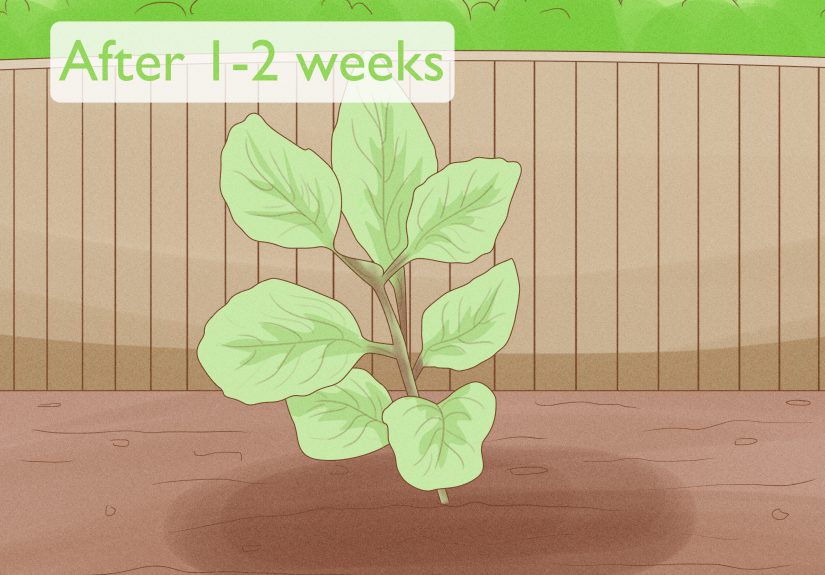
You’ll often see root nubs in 1–2 weeks. Let roots grow to about 1–2 inches long (roughly paperclip length) before potting up.
Pro tips for higher success
- Don’t overcrowd the jar: 2–4 cuttings per jar keeps airflow and water fresher.
- Keep leaves dry: if leaves droop into water, trim them or use a jar with a narrower opening.
- Rotate the jar: turning it every couple days helps the cutting grow straighter toward light.
- Skip the bloomers: stems with flowers root poorly and sulk loudly about it.
Method 2: How to Propagate Basil Cuttings in Soil (Sturdier Start)
Step-by-step
-
Prep a small pot with moist mix.
Use a light potting mix. Moisten it so it’s evenly damplike a wrung-out sponge, not a swamp. -
Take 4–6 inch cuttings.
Cut just below a node. Remove lower leaves, leaving a couple sets at the top. -
Make a planting hole.
Use a pencil or your finger to create a deep hole so you don’t scrape nodes when inserting the stem. -
Plant with nodes buried.
Bury the bottom 1–2 inches so at least a couple nodes are under the soilroots commonly emerge from nodes. -
Create humidity.
Cover loosely with a clear plastic bag or a clear container (poke a few holes for airflow). Think “mini greenhouse,” not “sealed sauna.” -
Bright, indirect light.
Keep out of harsh direct sun while it’s rooting. Mist or water lightly to keep the mix evenly moist. -
Check for rooting in 2–4 weeks.
Gentle tug test: if it resists, roots are forming. New leaf growth is another good sign.
Rooting hormone: should you use it?
Basil often roots without rooting hormone, especially in warm conditions. Rooting hormone can help in soil (or if you’re trying to root
slightly tougher stems), but it’s not mandatory. If you’re keeping this “quick and budget-friendly,” you can skip it.
Transplanting Rooted Cuttings Without Killing Their Vibe
When to transplant from water to soil
Transplant when roots are about 1–2 inches long. Longer roots aren’t always betterovergrown water roots can be more delicate,
and they still have to adapt to soil life.
How to pot up (the gentle way)
- Choose a pot with drainage. For one rooted cutting, a 4–6 inch pot works well at first.
- Fill with potting mix; make a hole big enough for the roots to spread naturally (no root origami).
- Set the cutting in, cover roots, and firm the soil lightly.
- Water thoroughly, then let excess drain.
- Keep in bright light (still avoid scorching sun for a few days) and maintain even moisture.
Going outside?
If you’re moving basil outdoors, harden it off: a few days of gradually increasing outdoor time helps prevent shock.
Basil hates cold; temperatures below about 40°F can damage leaves, so wait until nights are reliably warm.
Aftercare: How to Keep Basil Bushy, Not Leggy
The pinch rule (aka free pruning that gives you more basil)
Once your cutting starts growing, pinch or snip just above a leaf node to encourage branching.
Cutting above a node tells basil to split into two new shootslike a hydra, but delicious.
Light
- Indoors: aim for at least 6 hours of bright light. A sunny window can work; a grow light makes winter basil much easier.
- Outdoors: full sun is ideal in many places, but in very hot climates, light afternoon shade can prevent leaf scorch.
Watering (the “evenly moist” sweet spot)
Basil likes consistent moisture, not drama. Water when the top inch of soil feels dry. Don’t let it sit in a saucer of water.
Roots need oxygen, not a long bath.
Feeding
In good potting mix, basil doesn’t need heavy fertilizer. If leaves look pale or growth slows, a light feeding can help.
Go easytoo much nitrogen can make soft, floppy growth.
Troubleshooting: When Your Cuttings Act Up
Problem: Cutting wilts in water
- Stem may be too long; 4–6 inches is ideal.
- Water may be stale; refresh it.
- Too much sun; move to bright, indirect light.
- Cutting may have been flowering or stressed. Try a fresher stem.
Problem: Stem turns brown/mushy (rot)
- Leaves submerged in waterremove them.
- Water not changed often enoughswap it.
- Jar overcrowdeduse fewer cuttings per container.
- Start over with a clean jar and a freshly cut stem.
Problem: Soil-rooted cutting collapses
- Too dry: increase humidity and check moisture daily.
- Too wet: soggy mix can rot stems; ensure drainage and reduce watering.
- Too much sun under a plastic cover: it can overheat fastmove to gentler light.
Problem: Leaves yellow, then fuzzy gray-purple growth underneath
That can match basil downy mildew symptoms (often mistaken for nutrient deficiency early on).
Improve airflow, avoid wetting leaves late in the day, and remove heavily affected plants to protect others.
Choosing resistant varieties can help in areas where downy mildew is common.
FAQ: Quick Answers for Busy Basil Parents
Can basil live in water forever?
Not happily in plain water. It can survive short-term, but for long-term growth it needs nutrients (soil or a true hydroponic setup).
How many cuttings should I take?
Take a few more than you need. Not every cutting roots, and basil propagation is a numbers game you can actually win.
What’s the fastest way to get a full pot?
Root several cuttings at once and plant them together in a larger container. More stems = faster “bushy” look.
Can I propagate grocery-store basil?
Yesespecially if the stems are fresh and firm. Root them in water first, then transplant to soil once roots form.
Experience Notes: Real-World Wins (and Facepalms) When Growing Basil Cuttings
Garden advice gets a lot more useful once it collides with realitylike the reality of a kitchen windowsill that’s either freezing or
blasting sun like a spotlight in an interrogation room. Here are common “lived” patterns many home growers run into when they
propagate basil from cuttings, plus what tends to fix them.
The first big lesson: freshness beats optimism. People often try to root basil stems that are already halfway to compost
(wilting, bruised, or with blackened ends) because they feel guilty throwing them away. Totally relatable. But basil cuttings don’t do
redemption arcs well when the stem tissue is damaged. The cut end needs to be clean and firm, and the leaves should look like they
still have plans for the future. If you’re rescuing grocery-store basil, choose the perkiest stems and trim them back to a node right away.
Next: water quality and water changes matter more than people expect. A cutting isn’t just “sitting in water.”
It’s breathing too. When water turns cloudy, oxygen drops and bacteria party. The growers who succeed most consistently tend to treat
the jar like a tiny aquarium: rinse the glass, refresh the water, keep leaves out of it, and don’t pack twelve stems into one jar like
you’re making a bouquet. If you want a simple routine, change the water every couple of days (or immediately if it clouds), and your success
rate usually jumps.
Another frequent surprise is light intensity. People hear “sunny window” and put cuttings in direct midday sun.
Then the leaves scorch or the whole cutting wiltsbecause it’s basically dehydrating without roots. The sweet spot is bright light without
the harsh blast, especially during the rooting phase. Once potted up and actively growing, basil can take more sunjust ease it in.
One of the most satisfying “aha” moments for new basil propagators is learning the node trick.
If someone makes a random cut in the middle of a smooth stem section (no node nearby), rooting can be slower and less reliable.
The people who get quick roots tend to cut just below a node and make sure at least one or two nodes sit underwater (or under soil).
Roots love nodes. Nodes love roots. Everyone wins.
The biggest long-term difference between “I have basil” and “I have a basil jungle” is pinching.
Many folks baby the plant and hesitate to snip it. Ironically, basil becomes scraggly when you’re too polite.
Once it has established, harvesting the top growth above a node makes it branch, which creates more stems, which creates more leaves,
which creates more pesto. The growers who pinch early (once the plant is sturdy) end up with a compact, productive plant instead of a
lanky stick with a tuft on top.
Finally: expect a little transplant drama. Water-rooted cuttings sometimes droop briefly after moving to soil.
That’s normal as they adjust from water roots to soil roots. The best experiences come from potting them gently, watering well,
keeping them out of harsh sun for a few days, and maintaining even moistureno droughts, no floods.
Within a week or two, most cuttings settle in and start pushing new growth like nothing happened.
If you remember only one thing from these real-world patterns, make it this: basil propagation rewards small, consistent care.
Fresh stems, clean tools, clean water, bright light (not scorching), and timely pinching will make you look like a gardening wizard
even if you still occasionally forget where you put the scissors.
Conclusion: Your Herb Garden Starts With One Snip
Growing basil from cuttings is one of the easiest ways to start (or expand) an herb garden on a budget. Take a healthy, non-flowering stem,
cut below a node, keep the leaves out of water, and give it warmth and bright light. In a couple of weeks, you can turn one basil plant into many
and future-you will thank you every time pasta night happens.