Table of Contents >> Show >> Hide
- Why Grow Cilantro Indoors?
- Know Your Plant: Cilantro 101
- What You Need to Grow Cilantro Indoors
- Step-by-Step: How to Grow Cilantro Indoors
- How to Harvest Cilantro Indoors (Without Killing the Plant)
- Keeping Cilantro Coming: Succession Planting Indoors
- Common Indoor Cilantro Problems (and How to Fix Them)
- Best Spots in the House for Indoor Cilantro
- Extra Tips for Better Indoor Cilantro
- of Real-World Indoor Cilantro Experience
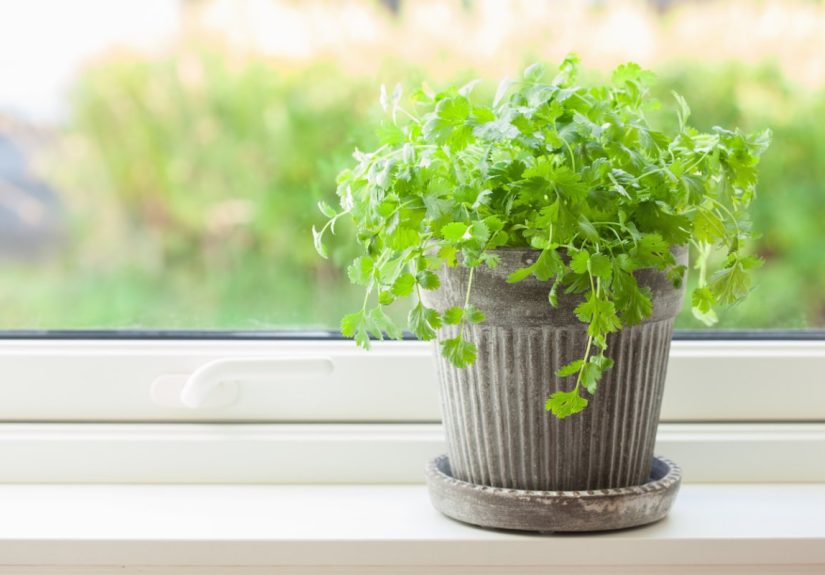
If you’ve ever bought a big bunch of cilantro for taco night and then watched it wilt into a sad, slimy mess in your fridge, this guide is for you. Growing cilantro indoors means you can snip just what you need, when you need itno more herb graveyard in the crisper drawer.
Indoor cilantro does have a bit of a diva streak: it likes cool temperatures, steady moisture, and plenty of light, but it absolutely hates being hot, cramped, or forgotten on a dark windowsill. The good news? Once you understand what cilantro wants, it’s surprisingly easy to keep a steady supply of fresh leaves going almost all year long.
Why Grow Cilantro Indoors?
Outdoors, cilantro is a classic cool-season herb. It loves spring and fall, then bolts (sends up flowers and goes to seed) the second summer heat shows up. Indoors, you control the environmentso you can stretch its season and stagger plantings for a more reliable harvest.
- Year-round flavor: Keep a pot by the kitchen so salsa, pho, and curries never have to go cilantro-less.
- Better than store-bought: Indoor cilantro goes from pot to plate in seconds, so it’s fresher and often more fragrant.
- Space friendly: Perfect for apartments, small homes, or spots with no yard.
- Budget friendly: A single packet of seeds can fuel months of harvests if you succession plant.
Know Your Plant: Cilantro 101
Cilantro (botanical name Coriandrum sativum) is a bit of a two-for-one deal. The fresh leaves and stems are called cilantro, while the dried seeds are coriander. Indoors, most people grow it for leafy greens, not seed production, but you can absolutely let a few plants flower if you want coriander.
Key cilantro facts
- Cool-season herb: Prefers temperatures around 50–75°F (10–24°C). It bolts quickly when it’s hot and dry.
- Short-lived annual: Each plant only produces usable foliage for 4–8 weeks before it decides it has “done enough” and flowers.
- Taproot plant: Cilantro sends down a relatively long taproot, so it’s happier in deeper containers and does not love transplanting.
Because its natural life cycle is short, the secret to “year-round cilantro” isn’t one immortal plantit’s a staggered army of small pots or troughs that you sow every couple of weeks.
What You Need to Grow Cilantro Indoors
1. The right container
Cilantro may look dainty, but the root system wants room. Aim for:
- Depth: At least 8–12 inches deep to give the taproot space.
- Drainage: Multiple drain holes are non-negotiable. Cilantro hates soggy soil and can develop root rot if water sits in the bottom.
- Width: A 10–12 inch wide pot or rectangular planter is perfect for a “mini cilantro patch.”
Terracotta pots work well because they breathe and help prevent overwatering, but plastic or ceramic with drainage holes are fine as long as you don’t drown the plant.
2. Potting mix (not garden soil)
Skip the heavy stuff from the yard. Cilantro in containers thrives in:
- High-quality potting mix: Light, airy, and formulated for containers.
- Good drainage: Look for ingredients like perlite, vermiculite, or coarse sand.
- Organic matter: Compost or peat/coir help hold just enough moisture without turning to mud.
3. Light: sun, window, or grow light
Cilantro wants bright conditions but doesn’t appreciate harsh, scorching heat.
- Natural light: Aim for 4–6 hours of bright, indirect sun. A south- or east-facing window often works best.
- Grow lights: If your windows are shady, use an LED grow light for 12–14 hours per day, positioned 6–12 inches above the foliage.
- Avoid hot glass: If leaves are pressed against a sun-baked window, they can scorch or dry out.
4. Temperature and airflow
Indoors, cilantro prefers “comfortable sweater weather” rather than “beach day.”
- Ideal indoor range: 60–75°F (15–24°C).
- Avoid vents: Keep pots away from hot air vents, radiators, or blasts of cold air from frequently opened doors.
- Mild airflow: A small fan on low helps prevent fungal issues if the room is very still and humid.
5. Cilantro seeds
Look for cilantro or coriander seed labeled for culinary or garden use. For continuous harvests:
- Buy a standard packet instead of a tiny “gourmet” jarit’s cheaper per plant.
- Choose varieties marketed as “slow-bolting” if you can; they tolerate slightly warmer conditions indoors before flowering.
Step-by-Step: How to Grow Cilantro Indoors
Step 1: Prep your container
- Make sure there are drainage holes in the bottom.
- Add a thin layer of small stones or broken pot shards if your mix tends to compact (optional but helpful).
- Fill with moistened potting mix to about 1–2 inches below the rim.
Step 2: Sow the seeds
Cilantro seeds are actually little pairs of seeds stuck together. You can plant them whole or gently crush them between your fingers for slightly faster, more even germination.
- Press seeds about 1/4–1/2 inch deep into the soil.
- Space seeds roughly 1–2 inches apart for leafy harvests, or sprinkle them in a band for a denser “cut-and-come-again” patch.
- Cover lightly with soil and gently water to settle everything in place.
Keep the soil evenly moist (not soaked) during germination. Seeds usually sprout in 7–21 days, depending on temperature and seed freshness.
Step 3: Give them the right light and moisture
Once seedlings emerge:
- Move to brightest spot: Place the pot in your sunniest window or under a grow light.
- Water when the top inch is dry: Stick a finger into the soil. If the top feels dry, water thoroughly until excess runs out the bottom, then empty the saucer.
- No swampy soil: Constantly wet soil leads to root rot and limp, yellowing plants.
Step 4: Thin and tidy
When seedlings are a couple of inches tall, thin them so they have breathing room.
- Clip weaker seedlings at the soil line, leaving the strongest 1–2 inches apart.
- Use the thinnings as microgreens in salads or sandwichestiny, but tasty.
Step 5: Fertilize lightly (if needed)
If you started with a rich potting mix, cilantro can often cruise along without heavy feeding. If growth seems pale or sluggish after a month or so:
- Use a balanced liquid fertilizer at half strength every 4–6 weeks.
- Avoid over-fertilizing, which can make the plant lush but weak and more prone to pests.
How to Harvest Cilantro Indoors (Without Killing the Plant)
Harvesting cilantro correctly is half the battle when you want a continuous indoor supply.
When to start harvesting
- Wait until plants are at least 4–6 inches tall.
- Most indoor cilantro is ready for a light harvest about 4–6 weeks after sowing.
How to cut cilantro
- Use clean scissors or snip with your fingers.
- Harvest outer stems first, cutting them near the soil line.
- Leave the tender inner stems and growth points so the plant can keep producing.
- Never remove more than one-third of the plant at a time if you want it to bounce back.
If you need a massive amount of cilantro for a big dinner, it’s better to grow multiple pots and harvest from several plants instead of scalping one poor overworked clump.
Keeping Cilantro Coming: Succession Planting Indoors
Even under perfect conditions, each cilantro plant has a “useful” window before it bolts. The way to cheat the system is to sow new seeds regularly.
- Every 2–3 weeks: Start a new pot or re-sow part of an existing container.
- Rotate pots: While one pot is at peak harvest, another is just sprouting, and an older one might be starting to bloom.
- Save seeds: If you let a plant flower and form seeds indoors, you can dry them for cooking (coriander) or replant them for another round.
This staggered schedule is the real “year-round cilantro” hacknot some magic immortal plant, just a tidy little rotation system.
Common Indoor Cilantro Problems (and How to Fix Them)
Problem: Plants bolt quickly
What it looks like: Plants suddenly shoot up a tall central stem with lacey leaves and flower buds. Leaf production slows way down.
Causes:
- Room is too warm (especially above mid-70s°F).
- Soil dries out heavily between waterings.
- Plant is older and simply reaching the end of its natural life.
Fixes:
- Move the pot to a cooler spot away from heat sources.
- Maintain more even moisture (not soggy, just not bone-dry between waterings).
- Start a new pot and treat the bolting plant as a coriander seed factory.
Problem: Leggy, floppy seedlings
What it looks like: Tall, thin stems that lean toward the window and flop over.
Likely cause: Not enough light.
Fixes:
- Move the pot to a brighter window or closer to a grow light.
- Rotate the pot every few days so plants don’t stretch in just one direction.
Problem: Yellowing leaves and droopy stems
Possible causes:
- Overwatering and poor drainage (roots suffocating).
- Underwatering and repeated severe drought.
- Nutrient deficiency in very old potting mix.
Fixes:
- Check drainage holes and empty saucers after watering.
- Adjust watering schedule so the top inch dries out slightly between waterings.
- Refresh with new potting mix or use a light liquid fertilizer.
Problem: Pests on indoor cilantro
Indoor herbs are less likely to get pest-plagued than outdoor ones, but aphids and spider mites occasionally sneak in.
- Rinse leaves gently in the sink to knock off small pests.
- Use insecticidal soap labeled for edible plants if things get out of hand, and always follow label directions.
- Keep plants a little spaced out so air can move between them.
Best Spots in the House for Indoor Cilantro
Where you place your pot matters almost as much as how you water it.
- Bright kitchen windowsill: Convenient for cooking and usually a good light source.
- Sunroom or bright dining area: Great if your kitchen window is more “moody ambiance” than “full daylight.”
- Under-cabinet grow lights: If natural light is limited, a narrow trough of cilantro under a cabinet is both functional and cool-looking.
Just make sure the spot isn’t directly above a radiator or next to a frequently opened freezing-cold door. Cilantro likes drama in flavor, not in climate.
Extra Tips for Better Indoor Cilantro
- Grow a “cilantro trio”: Sow one pot every 2–3 weeks so you always have one at peak, one coming up, and one on its way out.
- Snip often: Regular harvesting encourages leafy growth instead of early flowering.
- Group with other herbs: Cilantro pairs nicely with parsley, chives, and mint in a little indoor herb collection.
- Use it generously: Cilantro loves being used. Add it to salads, eggs, grain bowls, soups, and even smoothies if you’re brave.
of Real-World Indoor Cilantro Experience
On paper, cilantro indoors sounds like a simple checklist: pot, soil, seeds, light, water. In real life, it’s more like getting to know a slightly fussy roommate who becomes your best friend once you figure each other out.
One of the first surprises many people run into is how quickly cilantro can go from “perfect” to “what happened?” You’ll have a lush green pot one week, and by the next, the plant has stretched up, thinned out, and started forming delicate flower buds. The instinct is to blame yourself, but most of the time, it’s not youit’s just the plant doing what it’s programmed to do. That’s when indoor gardeners learn the golden rule: cilantro is a sprint, not a marathon.
Gardeners who get along best with cilantro indoors treat it more like baby lettuce or microgreens than a long-term houseplant. They keep a small stash of seeds in a kitchen drawer and sow tiny batches on a regular schedule. Some people set a reminder on their phone: “Cilantro Wednesday – sow another pot.” It sounds a little extra, but it’s the difference between having fresh herbs twice a year and having them almost all the time.
Another common experience: the “fake bright window.” It looks sunny, but the plant tells the truth. If your cilantro consistently grows tall, thin, and floppy, your light is not as strong as it looks to your eyes. People in northern climates, or those with tall neighboring buildings, often discover that a small LED grow light works wonders. Suddenly, stems are sturdy, leaves are dense, and the plant looks like the kind in food magazine photos instead of a stringy garnish with big dreams.
Temperature surprises people too. In winter, it’s tempting to tuck the pot right above a heater vent because, hey, plants like warmth, right? Cilantro, not so much. Many indoor gardeners discover that moving the pot just a few feet away from a radiator or hot appliance dramatically slows down bolting and keeps leaves nicer for longer. Cool and bright beats hot and sunny almost every time for this herb.
Then there’s watering. Beginners often either love their cilantro to death with constant water or forget about it for a week and wonder why it’s flopped over in protest. Over time, you start to recognize the “ready for a drink” look: the top of the soil looks dry, the leaves lose just a bit of perkiness, and the pot feels lighter when you pick it up. A deep, thorough watering followed by good drainage gets the plant back to looking happy within an hour or two.
One of the most encouraging things about cilantro indoors is that even mistakes are useful. Let a pot bolt? Greatyou now have flowers that attract beneficial insects if you move it outside, and seed you can dry as coriander. Overcrowded seedlings? No problemyou’ve just grown yourself a batch of flavorful microgreens. Even a plant that’s past its prime can still contribute to soup stock, salsa, or a quick garnish on leftover rice.
Over time, you stop thinking of cilantro as a fragile, one-shot herb and start treating it like a fast-growing kitchen crop that you replant regularly. When you reach the point where you casually walk over, snip a handful of leaves into your eggs, and think, “I should start a new pot this weekend,” that’s when you’ve officially joined the indoor cilantro club. And your tacos, curries, and noodle bowls will never be the same again.
With the right pot, decent light, and a little rhythm to your sowing schedule, growing cilantro indoors becomes less of a gardening challenge and more of a lifestyle upgradeone that just happens to taste like fresh salsa and bright, citrusy green goodness.