Table of Contents >> Show >> Hide
- Quick Jump
- Why Spices Go Stale (and Why Your Dinner Notices)
- The 4 Non-Negotiable Rules for Keeping Spices Fresh
- Buy and Handle Spices Like You Want Your Food to Taste Good
- Should You Refrigerate or Freeze Spices?
- How Long Do Spices Last? (Realistic Timelines)
- How to Test Spice Freshness (and Revive the “Meh” Ones)
- Organization Tricks That Keep Spices Fresher (and Cooking Easier)
- When to Add Spices for Maximum Flavor (So You Use Less, Not More)
- Wrap-Up + A Simple 7-Day Spice Freshness Plan
- Bonus: Real-Life Experiences That Made Spice Storage Click (About )
Spices are the tiny, hardworking employees of your kitchen. They show up, do the heavy lifting, and somehow still get blamed when dinner tastes “kind of… muted.” (Sorry, old cumin. That one’s on time.)
The good news: keeping spices fresh isn’t a mystical art passed down by a secret society of grandmas. It’s mostly about protecting them from the same four villains that ruin everything fun: heat, light, air, and moisture. Do that, and your food gets tastier, your recipes get more reliable, and weeknight cooking gets way easier because you’re not dumping in “just a little more” seven times.
Why Spices Go Stale (and Why Your Dinner Notices)
Spices don’t usually “go bad” in a dramatic, horror-movie way. They mostly fade. Their flavor comes from aromatic compounds (think: essential oils), and those compounds slowly break down or evaporate over time. Grind a spice and you increase its surface area, which means those flavorful compounds have more opportunity to escape. That’s why whole spices generally stay potent longer than ground ones.
What’s the big deal? Potency affects everything:
- Consistency: the same recipe tastes different week to week.
- Ease: you keep adding “just a bit more,” overshoot, and suddenly your chili tastes like a paprika convention.
- Cost: stale spices make you use more, faster.
Fresh spices don’t just make food “spicier.” They make it clearerbrighter, more layered, and more predictable. That means less guesswork, faster cooking, and fewer “why is this bland?” spirals.
The 4 Non-Negotiable Rules for Keeping Spices Fresh
1) Keep them cool (yes, your stove area is basically a sauna)
Heat accelerates flavor loss. If your spices live above the stove, next to the oven, or over a dishwasher, they’re aging in fast-forward. A better home is a cabinet or drawer away from heat sourcesthink “calm pantry vibes,” not “front-row seats to boiling pasta.”
2) Keep them dark (sunlight is not a seasoning)
Light breaks down delicate compounds and can fade color, especially in spices like paprika and chili powders where color is part of the experience. A drawer or a closed cabinet beats a countertop rack in direct sun every time.
3) Keep them dry (steam is the enemy, even when it smells amazing)
Moisture causes clumping, caking, and faster quality loss. It can also invite mold if enough moisture gets trapped. The biggest moisture mistake is sprinkling spices directly over a steaming pot. Your jar is basically inhaling that steam like it’s a spa treatmentand spices do not come out of it refreshed.
4) Keep them airtight (oxygen is a tiny flavor thief)
Air exposure speeds oxidation and aroma loss. Keep lids tightly closed and consider upgrading packaging if you buy spices in flimsy bags or poorly sealing containers. Airtight beats “kinda closed” every day.
Buy and Handle Spices Like You Want Your Food to Taste Good
Buy smaller amounts (unless you run a restaurant… in your living room)
Bulk buying is great for rice. It is not always great for ground coriander. If it takes you three years to finish a jar, you’re not saving moneyyou’re buying future disappointment. Aim for quantities you’ll use within a year for ground spices (faster if you rarely cook with them), and restock as needed.
Choose whole when you can (it’s the easiest “upgrade”)
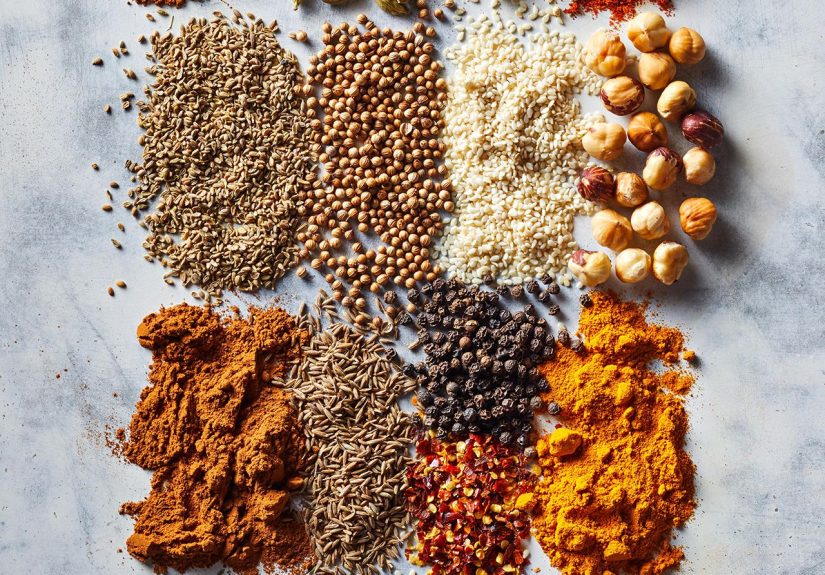
Whole peppercorns, cumin seeds, coriander seeds, cloves, and whole nutmeg stay flavorful longer. You can toast them quickly and grind as needed for a bigger payoff with minimal effort. A small spice grinder or a mortar and pestle turns “okay” into “wow” in about 45 seconds.
Use dry tools and avoid cross-contamination
- Use a dry measuring spoon (not the one you just dipped into soup, you beautiful chaos goblin).
- Don’t sprinkle straight from the jar into steamshake into your hand or a spoon first.
- Close lids immediately. “I’ll cap it after I stir” is how spices learn bad habits.
Decant smart: bulk in the pantry, “working set” near the action
Want convenience and freshness? Keep a small “daily driver” jar where you cook, and stash the refill in a cooler, darker place. You’ll use spices more often (which naturally rotates stock), and your bulk stash stays safer from heat and steam.
Should You Refrigerate or Freeze Spices?
In general, dried spices and herbs do best in a cool, dry cabinetnot the fridge. Refrigerators can introduce humidity, and repeatedly taking jars in and out can create condensation (moisture’s greatest hits album).
That said, there’s a useful exception: some experts recommend refrigerating certain red pepper family spices (like paprika and chili powder) to help retain color and freshness. If you do this, keep them tightly sealed and avoid opening the container while it’s cold and exposed to humid air. Let it sit a few minutes at room temp before opening if your kitchen is steamy.
Freezing generally isn’t a magic fix for dried spices; it can backfire if condensation forms. Save the freezer for fresh herbs (more on that below), not your dried spice collection.
How Long Do Spices Last? (Realistic Timelines)
Spice “expiration” is mostly about quality, not safetymeaning old spices usually won’t make you sick, but they can make your food sad. Different sources give slightly different timelines because processing, storage, and packaging vary. The best approach is to use both guidelines and a freshness test.
Quick shelf-life cheat sheet (best flavor, properly stored)
- Whole spices (peppercorns, cumin seed, coriander seed, cloves): often 3–4 years.
- Ground spices (cumin, turmeric, paprika, chili powder): often 2–4 years, sometimes best sooner.
- Dried leafy herbs (basil, oregano, rosemary, thyme) and many blends: often 1–3 years.
But here’s the real-life truth: if your ground cinnamon smells like dusty bookshelf instead of cinnamon, the calendar doesn’t matter. Trust your senses.
How to Test Spice Freshness (and Revive the “Meh” Ones)
The 10-second freshness test
- Look: Is the color vibrant or dull and faded?
- Smell: Does it smell strong the moment you open it?
- Crush: Rub a pinch between your fingers. Aroma should bloom.
If you get basically nothing, that spice isn’t “dangerous”it’s just not pulling its weight anymore.
Revive trick #1: Toast whole spices
Whole spices can often be revived with a quick toast. Toss them in a dry skillet over medium-low heat and stir until fragrantusually 30 to 90 seconds depending on the spice. Then grind. Example: toast cumin seeds, grind, and compare it to your old ground cumin. It’s like switching from AM radio to a concert.
Revive trick #2: Bloom ground spices in oil
For many ground spices, warming them briefly in oil (before adding liquids) helps extract flavor. Classic examples: cumin and paprika for chili, curry powder for soups, or chili flakes for pasta sauces. Keep the heat moderateground spices can burn quickly and turn bitter.
When to toss (no drama, just boundaries)
- Anything that smells musty, looks moldy, or got wet inside the container.
- Spices that have clearly absorbed moisture and never recover (especially garlic/onion powders that cake hard).
- Blends you don’t like anymore. Your spice cabinet is not a museum.
Organization Tricks That Keep Spices Fresher (and Cooking Easier)
Freshness is partly storagebut it’s also behavior. If your spices are hard to find, you buy duplicates, ignore half of them, and keep ancient jars “just in case.” Organization fixes that.
Pick a storage style you’ll actually maintain
- Drawer insert (best for freshness): dark, stable temperature, easy to scan labels.
- Tiered cabinet rack: good visibility without countertop light/heat exposure.
- Lazy Susan in a pantry: great for bigger jars and blends.
Label with purchase date (your future self will thank you)
Add a small sticker: “Bought: 02/2026.” This turns “Is this old?” into “Oh wow, yes.” Dating also helps you learn what you use quickly (buy bigger) versus what you barely touch (buy small or skip).
Use a “front row” system
Keep your most-used spices in the easiest-to-reach spot. Everything else goes behind or lower. If you cook certain cuisines often, create mini-groups: “Taco Night,” “Italian,” “Baking,” “Stir-fry.” You’re not organizing for looks; you’re organizing for Tuesday.
Do a quick audit twice a year
A simple routine: pull everything out, wipe shelves, toss deadweight, and consolidate duplicates. Tie it to a memorable moment like Daylight Saving Time or the start of grilling season. If your spice cabinet has never been cleaned, congratulations: you are about to discover at least one jar from a previous era of your life.
When to Add Spices for Maximum Flavor (So You Use Less, Not More)
Even perfectly stored spices can taste flat if they’re added at the wrong time. A few timing rules make cooking easier because your spices “show up” on cue.
Bloom early for depth
Spices like cumin, coriander, paprika, turmeric, chili powder, and curry blends often taste best when briefly warmed in fat near the beginning of cooking. This builds a deeper base flavor.
Add delicate herbs later
Dried leafy herbs (like oregano and basil) can taste bitter or dusty if cooked forever. Add them mid-to-late, and use fresh herbs at the end when possible.
Use “finishers” for brightness
Some flavors pop most at the end: flaky salt, black pepper (freshly ground), chili flakes, citrus zest, and fresh herbs. This is the “make it taste like something” moment.
Wrap-Up + A Simple 7-Day Spice Freshness Plan
If you remember nothing else, remember this: keep spices cool, dark, dry, and airtight. Then buy what you’ll actually use, label it, and stop letting steam creep into the jar like it pays rent.
A practical 7-day plan (10 minutes a day)
- Day 1: Move spices away from the stove/dishwasher/window if needed.
- Day 2: Toss anything wet, moldy, or clearly lifeless.
- Day 3: Date-label your top 15 most-used jars.
- Day 4: Create a “working set” near where you cook (but not in the heat zone).
- Day 5: Upgrade one or two spices to whole versions (peppercorns, cumin, coriander).
- Day 6: Try toasting + grinding one whole spice and blooming one ground spice in oil.
- Day 7: Celebrate by cooking something that tastes wildly better than it has any right to on a weeknight.
Bonus: Real-Life Experiences That Made Spice Storage Click (About )
I used to think my spice cabinet was “fine.” It had jars. It had labels. It had… confidence. Then one night I made chili that tasted like tomato soup wearing a cowboy hat. I added cumin. Nothing. I added more cumin. Still nothing. At some point, I realized my cumin had been living above the stove for so long it had basically retired.
Lesson one: convenience is only convenient if it works. The cabinet above the stove felt efficient until I touched the jars while the oven was running and they were warmlike tiny spice hot tubs. I moved everything to a lower cabinet, and two weeks later I wasn’t “double-seasoning” recipes anymore. Cooking got faster because I could trust my measurements again.
Lesson two arrived via garlic powder. I sprinkled it straight into a steaming pot (because I’m a rebel), capped it, and went on with my life. A month later, the garlic powder had transformed into a single, garlic-scented asteroid. I tried tapping it, shaking it, negotiating with it. Nothing. That was the day I learned the “shake into your hand” trickand also that some spices (especially garlic and onion powders) are basically moisture magnets with commitment issues.
Lesson three: whole spices are the easiest flavor flex. I bought whole cumin seed and coriander seed on a whim, toasted them in a dry pan, and ground them. The smell was so intense my kitchen instantly felt like I knew what I was doing. That single change made my taco night go from “pretty good” to “wait, did you follow a recipe?” (No. I followed the ancient text known as “stop using stale powder.”)
Lesson four: organization is not a personality trait; it’s a shortcut. I used to have duplicatesthree paprikas and somehow zero paprika at the same time. Once I dated my jars and grouped them by how often I use them, I stopped buying spice backups “just in case.” I also discovered a jar of ground cloves that could legally vote.
Lesson five: freshness isn’t only storageit’s timing. The first time I bloomed curry powder in oil before adding broth, the whole dish tasted fuller without me adding extra salt. It felt like cheating. The second time I tried it, I cranked the heat and scorched the spices in ten seconds flat. That’s when I learned: warm and fragrant is the goal, not “smoke alarm karaoke.”
The biggest takeaway? Small changes compound. Once spices are stored well, labeled, and used with a little care, cooking gets easier because flavor becomes predictable. You stop chasing taste, you stop over-seasoning out of panic, and you start enjoying the part of cooking that actually matters: eating.