Table of Contents >> Show >> Hide
- Why a Stuffed Sheep Is a Smart Beginner Project
- Materials and Tools You Will Need
- Choose the Style Before You Start Cutting
- How to Make Stuffed Animal Sheep Step by Step
- Step 1: Make a Simple Sheep Pattern
- Step 2: Pick Fabrics That Match the Job
- Step 3: Cut Out the Pieces Carefully
- Step 4: Add the Face Details Before Assembly
- Step 5: Sew the Ears and Legs
- Step 6: Assemble the Body
- Step 7: Clip the Curves
- Step 8: Turn the Sheep Right Side Out
- Step 9: Stuff It Slowly and Evenly
- Step 10: Close the Opening Neatly
- Best Fabrics for a Sheep Plush
- Common Mistakes and How to Fix Them
- Creative Ways to Customize Your Stuffed Sheep
- No-Sew Version for Absolute Beginners
- How to Care for Your Finished Sheep
- Final Thoughts
- Personal Experiences Making Stuffed Animal Sheep
If you have ever looked at a fluffy little lamb plush and thought, “I could make that,” the answer is yes. You absolutely can. In fact, a stuffed animal sheep is one of the friendliest beginner sewing projects around. Sheep are naturally round, soft, a little goofy, and very forgiving. If one ear comes out slightly bigger than the other, congratulations: you have created personality.
This project is great for handmade gifts, nursery decor, holiday baskets, craft fairs, or just giving your scrap fabric a second life. Better yet, you do not need a fancy studio, an industrial sewing machine, or the patience of a saint. With the right fabric, a simple pattern, and a little stuffing discipline, you can make a sheep plush that looks charmingly homemade instead of “What happened in this craft room?”
Below, you will learn how to make stuffed animal sheep step by step, how to choose fabrics that actually work, how to avoid lumpy stuffing, and how to add the sweet details that turn a basic plush into a keepsake.
Why a Stuffed Sheep Is a Smart Beginner Project
A sheep plush is easier than many other stuffed animals because the design relies on soft curves and simple shapes. You are not trying to engineer a giraffe with long legs, a dragon with wings, or a cat that somehow has to look both regal and slightly judgmental. A sheep can be made from a rounded body, a simple face, two ears, and a few little legs. That is approachable, even if you are just starting out.
It is also a flexible project. You can make a flat felt sheep for a quick kids’ craft, a fleece lamb for cuddle duty, or a more polished plush using sherpa, minky, or curly fabric for the woolly body. You can sew it by hand, machine stitch most of it, or even make a no-sew version if your needle and thread are currently in a complicated relationship.
Materials and Tools You Will Need
- Fluffy fabric for the body, such as sherpa, fleece, minky, boucle, or faux fur
- Felt, cotton, or linen for the face, ears, and hooves
- Polyester fiberfill stuffing
- Strong thread in matching colors
- Hand-sewing needle
- Sewing machine, if you want faster seams
- Sharp fabric scissors
- Pins or clips
- Marker or chalk for tracing pattern pieces
- Embroidery floss for eyes, nose, and mouth
- Optional: fusible web for appliqué face pieces, ribbon bow, tiny bell, or blush for cheeks
If you are making the sheep for a very young child, embroidered facial features are usually the better choice over loose decorations. Cute is wonderful. Cute and secure is even better.
Choose the Style Before You Start Cutting
Classic Puffy Sheep
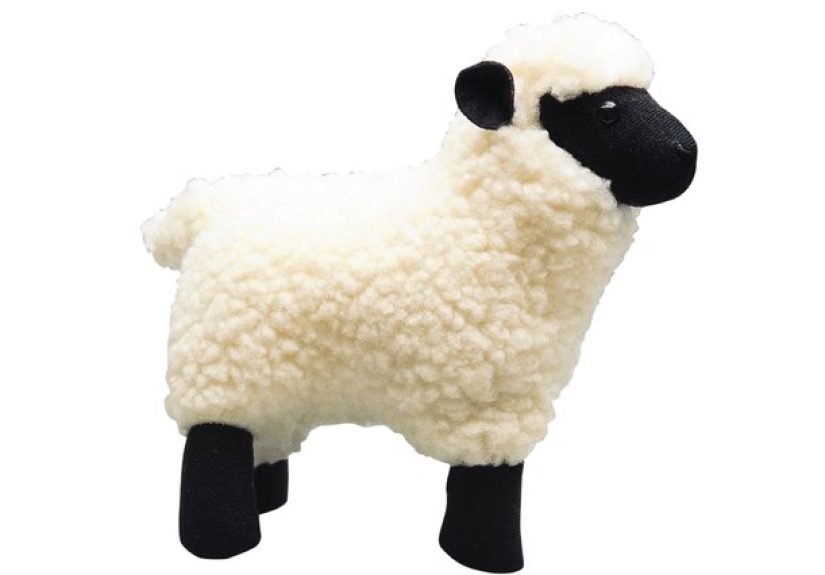
This is the most common version: two body pieces sewn together, stuffed, and finished with a soft face and floppy ears. It is perfect for gifts and shelf decor.
Flat Plush Sheep
This style is made with two flat body pieces and light stuffing. It is fast, easy, and especially beginner-friendly. Think “adorable cloud with a face.”
Baby-Safe Sleepy Sheep
This version uses embroidered sleepy eyes, no buttons, no beads, and soft washable fabrics. It is simple, sweet, and practical.
For most crafters, the classic puffy sheep is the best balance of cute, durable, and not-too-fussy.
How to Make Stuffed Animal Sheep Step by Step
Step 1: Make a Simple Sheep Pattern
You do not need a complicated commercial pattern to get started. Draw a rounded cloud-like body on paper, about 8 to 12 inches wide depending on your desired size. Then draw a simple oval or rounded teardrop shape for the face, two leaf-shaped ears, and four narrow rectangles or little tube shapes for the legs.
Keep your first pattern simple. Fluffier fabrics already add visual texture, so complicated body shaping is not necessary. A slightly oversized body with a smaller face usually creates the cutest stuffed sheep look.
Step 2: Pick Fabrics That Match the Job
For the woolly body, choose a fabric with texture. Sherpa and minky create that soft lamb look. Fleece is easier to control and great for beginners. Felt is excellent for small details because it is stable, easy to cut, and does not fray. Cotton works well for the face if you want a clean contrast against the fluffy body.
If your fabric is washable, prewash it before cutting, especially cotton and fleece blends. This helps avoid surprises later when your cute sheep meets laundry day and decides to become a smaller sheep.
Step 3: Cut Out the Pieces Carefully
Cut two mirrored body pieces. Cut the face, ears, and leg pieces separately. If your fluffy fabric has a nap or pile, make sure both body pieces run in the same direction. Otherwise, one side can look smooth while the other looks like it woke up angry.
Mark a small opening on the bottom or side of the body where you will turn and stuff the plush later. Around 2 to 3 inches is usually enough for a medium-sized sheep.
Step 4: Add the Face Details Before Assembly
This is one of the smartest tricks in plush making: stitch the face while the piece is still flat. Embroider the eyes, nose, and smile before you sew the sheep together. It is easier, cleaner, and much less frustrating than wrestling a stuffed plush while trying to place a tiny nostril.
You can create sleepy eyes with curved embroidery stitches, add a little triangle nose, and stitch a short mouth below it. If you want rosy cheeks, use a tiny bit of fabric-safe blush or pink thread for subtle circles.
If you are using a separate face patch, attach it now with either neat topstitching or fusible appliqué before final assembly.
Step 5: Sew the Ears and Legs
For ears, place two pieces right sides together, sew around the curved edges, turn them right side out, and lightly press. If you are using felt, you can also cut a single layer and leave it flat for a simpler look.
For legs, you have options. You can make soft stuffed legs from small fabric tubes, use folded felt strips, or even use braided yarn or cord for a more whimsical style. Stuffed legs look more polished, but felt legs are much faster.
Step 6: Assemble the Body
Place the body pieces right sides together. Tuck the ears between the layers near the top of the head area, with the raw edges aligned to the outer edge. Tuck the legs between the layers near the bottom. Pin or clip everything in place.
Sew around the sheep using about a 1/4-inch seam allowance, leaving the marked opening unsewn. Backstitch at the beginning and end so the seams hold when stuffing is added. Go slowly around curves and pivot as needed to keep the seam even.
Step 7: Clip the Curves
This step is tiny but mighty. Clip small notches into the seam allowance around curved areas, especially near the head and body bumps. Do not cut through the stitches. Clipping helps the fabric spread smoothly when turned right side out, which means fewer puckers and less “my sheep appears to be made of potatoes” energy.
Step 8: Turn the Sheep Right Side Out
Use the opening to turn the sheep right side out. A chopstick, turning tool, or the eraser end of a pencil can help gently push out ears, corners, and curved edges. Be patient here. Tugging too hard on fluffy fabric can stretch seams or distort the shape.
Step 9: Stuff It Slowly and Evenly
Now for the part that decides whether your sheep looks plush and cuddly or like it swallowed four tennis balls. Add stuffing in small amounts rather than giant handfuls. Start with the small areas first, such as the face corners and body edges, then work toward the center.
Use your fingers to break up the fiberfill and place it gradually. This keeps lumps to a minimum. For a standing decorative sheep, pack the body more firmly. For a cuddle plush, keep the stuffing medium-soft so it stays squishy.
If your sheep has separate stuffed legs or ears, shape them first before fully filling the body. Step back every so often and check symmetry. This is much easier than discovering at the end that one side is fluffy and the other side is going through something.
Step 10: Close the Opening Neatly
Fold the raw edges of the opening inward and hand sew it closed with a ladder stitch. This stitch creates a nearly invisible seam and gives your plush a cleaner finish. Use matching thread and small, even stitches for the best result.
Once the opening is closed, give the sheep a final fluff, shape the body with your hands, and trim any loose threads. Congratulations. You now have a stuffed animal sheep and possibly a dangerous amount of confidence.
Best Fabrics for a Sheep Plush
Sherpa
Excellent for a fluffy lamb look. It adds volume and softness right away, though it can be a little bulkier to sew.
Fleece
Very beginner-friendly, soft, and easy to handle. It also holds shape well and works beautifully for simple plushes.
Minky
Luxuriously soft and adorable, but slippery. If you are confident with pins or clips and patient sewing, it can make an extra cuddly sheep.
Felt
Perfect for faces, ears, and appliqué details. It cuts cleanly and does not fray, which makes it wonderfully low-drama.
Cotton or Linen
Best used as contrast fabric for the face, ear lining, or patch details. It gives your sheep definition and keeps the design from looking like one giant marshmallow.
Common Mistakes and How to Fix Them
Lumpy Stuffing
Use smaller pieces of fiberfill and add them gradually. Pull the stuffing apart before inserting it. You are building softness, not packing a shipping box.
Twisted Ears or Legs
Double-check placement before sewing the body closed. A quick preview with pins can save you from accidental upside-down ears.
Puckered Curves
Clip seam allowances around curves and do not rush the turning stage. Curves need a little breathing room.
Visible Closing Seam
Use a ladder stitch instead of a simple whipstitch if you want a cleaner finish. Matching thread also helps the seam disappear.
Face Looks Slightly Haunted
Always test your facial features on paper first. Move the eyes a tiny bit farther apart than you think. Small spacing changes can make a plush look sweeter and softer.
Creative Ways to Customize Your Stuffed Sheep
- Add a tiny ribbon bow around the neck
- Use floral cotton inside the ears for a cottage-style look
- Embroider a name or date on the back
- Make a mini sheep family in different sizes
- Add weighted pellets in the bottom for a shelf-sitting plush
- Create a sleepy lamb with closed embroidered eyes
- Use pastel fabrics for spring gifts or nursery decor
A handmade sheep is also a great scrap-buster project. That leftover fleece from a blanket, the felt sheet from another craft, and the embroidery floss you forgot you owned can all find a noble new purpose here.
No-Sew Version for Absolute Beginners
If sewing is not in the cards today, you can still make a stuffed sheep. Cut two sheep body shapes from felt, glue around the edges while leaving a small opening, add fiberfill, then glue the opening shut. Attach a contrasting face, ears, and felt legs with fabric glue. Embroider or draw on the features if you want more detail.
This version is especially good for classroom crafts, rainy afternoons, or making small decorative sheep for party favors. It will not be as durable as a sewn plush, but it can still be very cute and surprisingly polished.
How to Care for Your Finished Sheep
If the sheep is made from washable fabrics and securely sewn, spot cleaning is usually safest. For sturdier plushes, a gentle wash inside a pillowcase can work, followed by air drying. Avoid harsh heat, which can flatten textured fabrics or affect glued details.
If the plush is meant as a keepsake, store it away from direct sunlight and dust it occasionally with a soft brush. Handmade toys may be charming, but they are still not eager to live under a bed collecting cracker crumbs.
Final Thoughts
Learning how to make stuffed animal sheep is one of those craft projects that feels both cozy and rewarding. It is simple enough for beginners, customizable enough for experienced makers, and cute enough to make people say, “Wait, you made that?” with genuine surprise instead of concern.
The real secret is not perfection. It is choosing the right fabric, keeping the pattern simple, stuffing gradually, and finishing neatly. A soft body, a sweet face, and a tidy closing seam will do more for your plush than a complicated pattern ever could. So grab your fabric, thread your needle, and make the fluffiest little sheep your craft table has ever seen.
Personal Experiences Making Stuffed Animal Sheep
The first time I tried making a stuffed animal sheep, I made the classic beginner mistake of assuming fluffy fabric would do all the work for me. I cut two rounded body shapes, stitched them together, stuffed them quickly, and expected instant storybook magic. What I got instead was a sheep that looked more like a stressed cloud. It was not terrible, but it definitely had the expression of someone who had seen things. That first attempt taught me an important lesson: the charm of a handmade plush comes from the little decisions, not just the cute idea.
Once I slowed down, everything improved. I learned to embroider the face before assembly, which made a huge difference. When the fabric is flat, it is much easier to place the eyes evenly and stitch a nose that does not drift off in another zip code. I also started testing face layouts on scrap paper first. That sounds overly cautious, but it saves time and frustration. A sheep plush can look sweet, sleepy, shy, or mildly confused just based on where you place two tiny eyes.
I also discovered that stuffing is basically an art form with a sneaky reputation. It looks easy until you cram too much into the middle and end up with a lumpy body and saggy corners. After a few tries, I got into the habit of pulling the fiberfill apart into smaller pieces and feeding it in slowly. That one change made every sheep look softer and more balanced. The plush still felt handmade, but in the charming way, not in the “assembled during a power outage” way.
Fabric choice changed my results more than I expected, too. Fleece was the easiest to work with and gave me nice, dependable shapes. Sherpa made the sheep look incredibly fluffy, but it also hid my seam lines and left little fuzz explosions all over the table. Felt was my favorite for faces and ears because it behaved itself. It stayed put, cut cleanly, and never tried to slide away while I was stitching. In the world of fabric, that is what counts as excellent teamwork.
Some of my favorite sheep came from leftover materials rather than a perfectly planned shopping trip. One had a cream fleece body, dusty pink ear linings, and a linen face from an old fabric bin. Another had tiny floral ears and a little ribbon bow, and it ended up looking like the kind of sheep that would absolutely write in cursive and own a teacup. Those small creative choices made each plush feel unique, even though the basic pattern stayed almost the same.
What I enjoy most about making stuffed animal sheep is that the project is forgiving. Even when something is slightly crooked, it often adds character instead of ruining the result. One sheep I made had one ear that flopped lower than the other, and instead of fixing it, I kept it that way. It became my favorite detail. That is the beauty of handmade toys. They do not need factory perfection to feel special. They just need warmth, softness, and enough personality to make someone smile the moment they pick one up.