Table of Contents >> Show >> Hide
- Jump to
- How BHG tested removable wallpaper
- Quick comparison: best brand by use case
- The 5 best removable wallpaper brands of 2025
- How to choose peel-and-stick wallpaper (so you love it longer than a weekend)
- Installation playbook (no tears, no bubbles)
- How to remove removable wallpaper (without regret)
- 2025 style notes: patterns people actually used
- Extra: real-life peel-and-stick experiences & lessons (an additional 500-ish words)
- Final takeaway
- SEO tags (JSON)
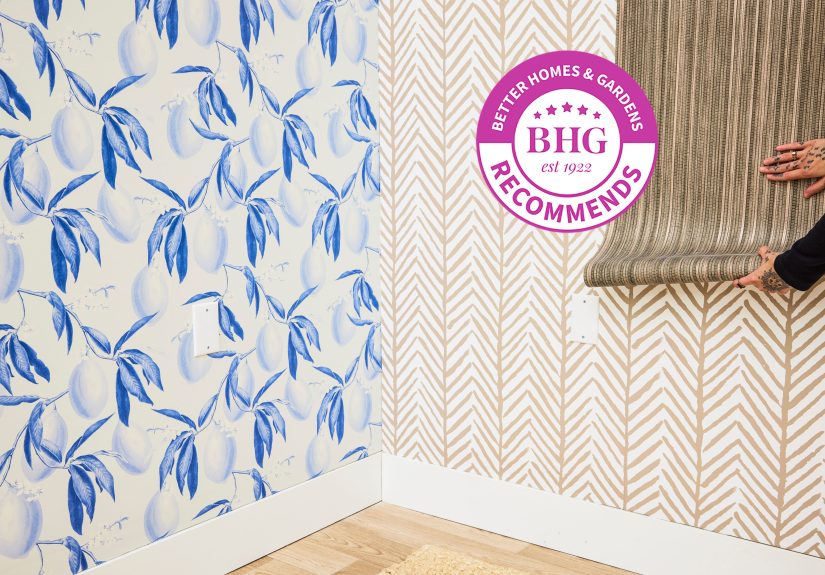
Removable wallpaper is the design equivalent of bangs: thrilling, transformative, and best enjoyed when you know you can undo it before you spiral.
In 2025, peel-and-stick wallpaper (aka temporary wallpaper, aka “renter-friendly wallcovering,” aka “I need dopamine and pattern, immediately”) hit a
sweet spothigh style, lower commitment, and just enough forgiveness for DIY mortals.
Better Homes & Gardens (BHG) put removable wallpapers through real-world stress: install, smooth, live-with-it, re-check months later, then remove
and inspect for wall drama. The result is a short list of brands that look legitimately good on the wall, behave during application, and (mostly) leave
your paint intact when it’s time to move on to your next personality.
How BHG tested removable wallpaper
“Removable” is a bold promise. So BHG tested like skeptical adults: applying dozens of peel-and-stick wallpapers from many brands to lab walls,
cutting around outlet covers, noting bubbles, wrinkles, stretching, pattern alignment, and overall ease. Then they did the part most reviews skip:
they checked performance again months later (because time is the ultimate snitch) and finally removed the wallpaper to see what happened to the wall.
That long-term angle matters. A wallpaper can look flawless on Day 1 and then quietly start peeling at corners like it’s auditioning for a haunted
house. The best removable wallpaper brands are the ones that stay put in normal roomsthen leave as politely as they arrived.
One important caveat: peel-and-stick wallpaper generally performs best on smooth, clean walls in low-humidity areas. If you’re thinking “spa bathroom
accent wall,” consider ventilation and moisture first (or save the wallpaper for a powder room, bedroom, office, or the back of built-ins).
Quick comparison: best brand by use case
| Best for… | Brand | Why it wins | Watch-outs |
|---|---|---|---|
| Best overall | Wallshoppe | Thick, luxe feel; seams disappear; strong 6-month hold | Premium pricing; not always grid-lined backing |
| Renters | The Pioneer Woman | Excellent removal; budget-friendly; surprisingly sturdy | Limited designs; no samples |
| Budget makeover | OSECAGE | Very low cost; grid lines help application; looks better than expected | Removal can be rough; not ideal for rentals |
| Washable / wipeable | Threshold | Vinyl surface is easy to clean; repositions easily | Can bubble during install; may lift paint on removal |
| Florals & statement prints | Rifle Paper Co. | Bold color; thick material; easy to reposition | Corners may peel over time; some paint lift possible |
The 5 best removable wallpaper brands of 2025
These are BHG’s top-performing removable wallpaper brands based on application, design, staying power, and removal. Translation: the brands most likely
to help you create an accent wall that looks intentionalnot like you lost a fight with a giant sticker.
1) Wallshoppe (Best Overall)
Wallshoppe earns “best overall” because it behaves like a grown-up wallcovering: thick, sturdy, and convincingly high-end once it’s up.
BHG’s testing found the print quality clear and consistent, and the seams blended so well they were hard to spotan underrated flex in the removable
wallpaper world.
During installation, minor bubbling around tricky areas (hello, outlet covers) was manageable, and the wallpaper held up beautifully months later with
no peeling, bubbling, or discoloration. Removal required a bit of patience but came off in large sheets without leaving sticky residue behind, though
some paint lift along edges can happenespecially on walls with iffy prep or delicate paint layers.
Best for: statement walls, design lovers, and anyone who wants peel-and-stick wallpaper that doesn’t scream “temporary.”
Pro move: buy a sample first and test it on your actual wall finish before committing to a whole room.
2) The Pioneer Woman (Best for Renters)
If your lease has more rules than a reality TV reunion, The Pioneer Woman is a comforting choice. In BHG’s test, it delivered a hardy, more-premium-than-expected
feel at a friendly priceand, crucially, it removed cleanly. The wallpaper came off with minimal resistance (think: peeling tape) and didn’t leave adhesive
residue behind or pull paint in their evaluation.
Installation was straightforward even without grid lines, and the paper didn’t stretch much while handlinggreat news for beginners. Months later, it stayed
firmly intact without bubbling, peeling, or discoloration.
Best for: renters, dorms, nurseries, and quick “I need this room to feel finished” upgrades.
Heads-up: designs and samples are more limited than boutique wallpaper brands, so pick your pattern early and commit (emotionally, not legally).
3) OSECAGE (Best Budget)
OSECAGE is the “cheap thrills” option: rolls can cost under $10, and the designs look better on the wall than the hand-feel suggests. In testing, grid lines
on the backing made it easier to measure and cutsomething you’d think would be universal, yet here we are.
The plot twist: removal. BHG noted it could require scraping and came off in small torn sections, sometimes lifting paint and leaving glue residue behind.
That combo makes it a risky pick for rentals or freshly painted walls.
Best for: low-stakes projects like lining a bookshelf back, adding pattern to a closet wall, or upgrading a laundry nook.
Not ideal for: renters, perfectionists, or anyone who considers spackle an enemy.
4) Threshold (Best Washable)
Threshold (Target’s house brand) is a practical crowd-pleaser when you want a wipeable vinyl surfacegreat for busy homes, kid zones, and “I swear I didn’t
touch the wall, it touched me” hallways. In BHG’s test, it was easy to readjust during installation and didn’t leave residue while repositioning.
The tradeoff is that the material can feel a bit flimsy and may bubble or wrinkle during application, though most imperfections can be smoothed down.
It held up well at the longer check-ins with no visible bubbling or peeling, but removal may pull up some paint even if it doesn’t damage the drywall.
Best for: wipeable durability, casual rooms, and budget-friendly accent walls that still look put-together.
Tip: take your time on the first panelvinyl shows misalignment more than you think, especially with stripes and herringbone patterns.
5) Rifle Paper Co. (Best for Florals)
Rifle Paper Co. is for anyone who wants their walls to feel like a beautifully illustrated notebookbold color, whimsical botanicals, and patterns that feel
cheerful without being childish. BHG’s testing found the paper thick with strong color saturation, and installation was nearly flawless: bubbles were easy to
smooth out by hand, and repositioning didn’t leave residue.
Long-term, corners can be the weak point; BHG observed corner peeling at the later check-in. On removal, the wallpaper came off in one sheet without drywall
damage and no sticky residue, though some paint lift can occur.
Best for: powder rooms (low humidity), bedrooms, offices, and anyone chasing a “designer wallpaper” look with peel-and-stick convenience.
Design note: if you love saturated dark prints, plan your seams carefullydark colorways can make edges more noticeable if panels aren’t perfectly aligned.
How to choose peel-and-stick wallpaper (so you love it longer than a weekend)
Pick your “room reality,” not your Pinterest fantasy
Removable wallpaper generally prefers low-humidity, lower-traffic spaces. Bedrooms, offices, playrooms, nurseries, powder rooms, and built-ins are prime
territory. Full bathrooms and steamy kitchens are trickier; moisture can encourage corner lifting over time unless ventilation is excellent and the product
is specifically rated for that environment.
Material matters: vinyl vs. fabric-like vs. paper
Vinyl peel-and-stick wallpaper is often more wipeable (good for fingerprints and mystery smudges). Fabric-like options tend to be easier to maneuver and
less prone to creasing. Paper-based or thinner options can work, but they’re more likely to wrinkle or stretch if you rush.
Pattern repeat is the silent budget killer
Large repeats and complex matches look amazingbut they waste more material because you’ll trim extra to align the print. If you’re new to DIY wallpaper,
choose a forgiving pattern (small-scale, busier prints, or designs with less obvious alignment). And order extra: most pros recommend adding a buffer so you
don’t end up with one sad, uncovered strip of wall and a deep existential question.
Test first, especially if you’re a renter
Wall paint type, curing time, and surface texture can change everything. Before covering an entire wall, apply a sample panel and leave it for a few days.
Then remove it slowly to see how your specific wall reacts. This one mini-test can save you from a full-scale “why is my paint coming with it?” moment.
Installation playbook (no tears, no bubbles)
1) Prep the wall like you’re about to take a passport photo
Clean matters. Wipe down walls to remove dust and oils, let them dry fully, and patch/sand any bumps that would telegraph through the wallpaper.
Peel-and-stick wallpaper is basically honestit will reveal everything you tried to ignore.
2) Start with a plumb line, not a prayer
Corners in older homes can be… creative. Use a level to draw a vertical guide line for the first panel. If the first strip is straight, everything after
it becomes dramatically easier.
3) Work in small sections and smooth from the center out
Peel the backing a little at a time (instead of ripping it all off like you’re opening a snack), align, then smooth from the center outward to chase air
to the edges. Use a plastic smoothing tool or a soft cloth. Take your time around outlets and trim with a sharp blade for clean edges.
4) The “light mist” trick (use wisely)
Some DIYers lightly mist the wall or backing with water to increase maneuverability during application. It can help with repositioning, but it may also
make removal more difficult later depending on the wallpaper and adhesive. If you try it, do so sparinglyand only after testing on a small area first.
5) Bubble triage
Big bubble? Lift the panel back to before the bubble and re-smooth slowly. Tiny stubborn bubble? Often you can coax it out with firm smoothing toward the
nearest edge. If all else fails, a very small pinprick can release trapped airjust be gentle and aim for a spot the pattern hides well.
How to remove removable wallpaper (without regret)
The goal is a slow, controlled peellike removing a bandage that you do not want to relive. Start at a corner and pull the wallpaper back on
itself at a low angle (rather than yanking straight out from the wall). This reduces stress on paint.
If you encounter resistance, pause. Warmth can help: a slightly warmer room (or gentle heat near stubborn areas) may soften adhesive. Any leftover residue
can typically be tackled with mild adhesive removers or warm soapy water, but always spot-test first so you don’t trade sticky residue for a shiny paint patch.
And yessometimes paint lift happens even with “removable” products. That doesn’t automatically mean you did something wrong. Paint quality, curing time,
previous wall repairs, and humidity can all influence removal results. The best strategy is still the simplest: test before you commit.
2025 style notes: patterns people actually used
In 2025, wallpaper trends leaned playful and expressive: reimagined classics (fresh checks, stripes, updated toile), nature-forward prints (botanicals,
leafy scenes, earthy hues), and whimsical storytelling patterns that feel like art. Cottagecore and grandmillennial influences kept florals and vintage-inspired
motifs in heavy rotationoften in greens and blues that feel cozy instead of loud.
The most successful looks weren’t always full rooms. Many homeowners used removable wallpaper as a “controlled pop”: a single accent wall, the back of a
bookshelf, a ceiling moment, or oversized framed panels that mimic wallpaper art without the all-in commitment.
Extra: real-life peel-and-stick experiences & lessons (an additional 500-ish words)
After reading enough wallpaper reviews and hearing enough DIY stories, you start noticing the same patternspun absolutely intended. Here are the
experiences that come up again and again when people use removable wallpaper brands like Wallshoppe, Rifle Paper Co., Threshold, The Pioneer Woman,
and yes, the budget wild cards.
The “first panel determines your entire mood” phenomenon
People don’t quit on wallpaper because the pattern is hard; they quit because the first strip goes on crooked and suddenly every seam looks like it’s
leaning into a strong crosswind. The fix is not superhuman skillit’s a plumb line and a slower pace. Once DIYers start treating the first panel like
foundation work (unsexy, essential), the rest of the wall goes from “chaos craft” to “surprisingly calming.”
Why bubbles show up in the same places every time
Corners, outlet covers, and the last two feet near the baseboard are where confidence goes to be humbled. Those areas combine awkward angles, frequent
hand pressure, and micro texture from old paint jobs. The most common “aha” moment is realizing you don’t need to win the bubble battle by forceyou
win by lifting the panel back and smoothing forward again. The best removable wallpaper feels forgiving here, letting you reposition without tearing or
leaving gummy fingerprints of adhesive.
Budget wallpaper is great… until you try to remove it
Cheap peel-and-stick wallpaper often looks fine from six feet away (the official distance of “guests with manners”), which is why it gets purchased.
The problem shows up during removal. A budget roll that tears into confetti or leaves residue can turn a “quick refresh” into a Sunday spent scraping
while muttering vows you can’t print. That’s why so many renters end up valuing removal performance above everything elseand why brands with clean
peel-off behavior feel like true renter-friendly wallpaper.
The “I wallpapered a bathroom and now it’s peeling” storyline
This one is common enough to be a genre. Even moisture-resistant peel-and-stick wallpaper can struggle in high humidity, especially in full baths where
steam hits daily. People who succeed in these spaces usually have strong ventilation, keep wallpaper away from direct splash zones, and choose products
marketed as washable or more durable. Many others pivot to using wallpaper in adjacent low-humidity areaslike a vanity nook outside the shower zone or
a nearby hallwayso they still get the pattern payoff without the moisture drama.
The underrated win: wallpaper in “small weird places”
Some of the happiest stories aren’t about full rooms at all. They’re about turning a coat closet into a jewel box, giving a laundry corner a chic
backdrop, lining the back of open shelves, or framing wallpaper panels like oversized art. These projects use fewer rolls, reduce pattern-matching stress,
and let you splurge on a nicer brand (like Wallshoppe or Rifle Paper Co.) without committing to an entire room. It’s the design equivalent of ordering
dessert: high impact, low risk, no need to explain yourself.
Bottom line: removable wallpaper is absolutely DIY-friendly, but the best results come from treating it like a real finish materialprep your wall,
measure carefully, order extra, and test removal first. Do that, and your 2025 wallpaper era can be joyful, dramatic (in the good way), and fully reversible.