Table of Contents >> Show >> Hide
- What Is Meditation?
- Why Meditate? The Real-Life Benefits
- How to Meditate: A Simple Beginner Method
- Beginner Meditation Script You Can Try Today
- Different Types of Meditation
- How Long Should You Meditate?
- When Is the Best Time to Meditate?
- Common Meditation Mistakes Beginners Make
- How to Make Meditation a Daily Habit
- What If Meditation Feels Uncomfortable?
- Simple Ways to Practice Mindfulness Without Sitting Still
- Personal Experiences and Practical Lessons From Learning How to Meditate
- Conclusion: Meditation Is Simpler Than You Think
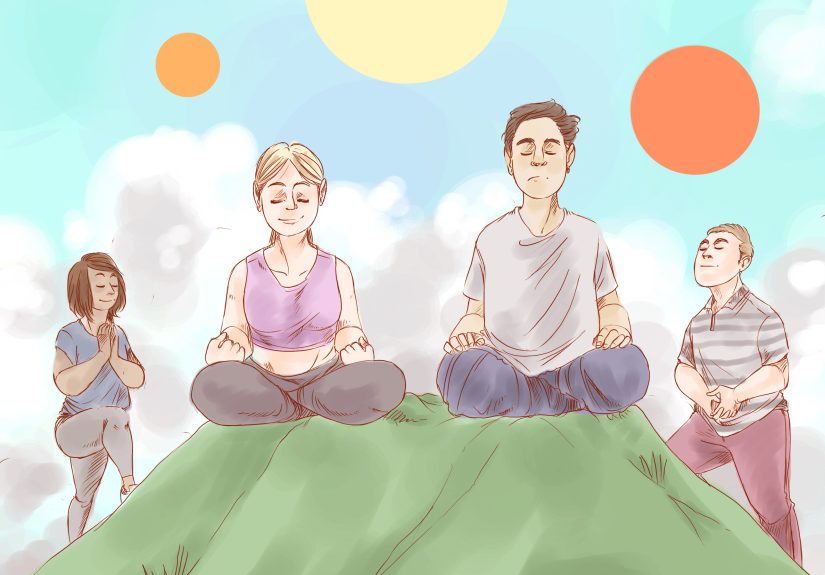
Learning how to meditate sounds like it should involve a mountain retreat, a perfectly folded linen outfit, and maybe a wise person with excellent cheekbones whispering, “Just breathe.” In real life, meditation is much less dramaticand much more useful. You can do it in your bedroom, on a park bench, in a parked car before school or work, or anywhere you can safely pause for a few minutes without needing to look like a glowing statue.
At its simplest, meditation is the practice of paying attention on purpose. You choose something to focus onoften your breath, a sound, a phrase, or the feeling of your body sittingand when your mind wanders, you gently return. That “return” is not a mistake. It is the workout. If your brain runs off to plan dinner, remember an awkward thing you said in 2019, or wonder whether penguins have knees, congratulations: you have a normal human mind.
This guide explains how to meditate step by step, what beginners should expect, common meditation techniques, practical mistakes to avoid, and how to build a routine that actually survives contact with real life. No incense required, though if you enjoy it, your nostrils may celebrate.
What Is Meditation?
Meditation is a broad family of practices designed to train attention, awareness, and emotional balance. Some styles are spiritual, some are completely secular, and some live comfortably somewhere in between. The common thread is learning how to notice what is happening in the present moment without immediately chasing, judging, or wrestling with it.
Many beginners assume meditation means “emptying the mind.” That idea has probably caused more frustration than a tangled phone charger. The goal is not to delete your thoughts. The goal is to notice them without letting every single one grab the steering wheel. Think of your mind like a browser with 47 tabs open. Meditation does not necessarily close all the tabs, but it helps you stop clicking every pop-up.
Why Meditate? The Real-Life Benefits
People meditate for many reasons: to reduce stress, improve focus, sleep better, feel more grounded, or simply stop feeling like their brain is a squirrel holding an espresso. Research suggests that mindfulness and meditation may support mental well-being, stress management, emotional regulation, and quality of life when practiced consistently.
Meditation is not magic, and it is not a replacement for medical or mental health care. But it can be a powerful daily tool. Just as brushing your teeth helps dental health without making you immune to cavities, meditation supports your mind without turning you into a floating cloud of perfect calm. Some days you will feel peaceful. Other days you will spend ten minutes thinking about snacks. Both count as practice.
How to Meditate: A Simple Beginner Method
If you are brand new, start with a basic breath meditation. It is simple, portable, and wonderfully low-budget. Your breath is always with you, which is convenient because forgetting your meditation equipment at home would be a very modern problem.
Step 1: Choose a Quiet-ish Place
You do not need total silence. If you wait for the world to become perfectly quiet, you may begin meditating sometime after civilization relocates to Mars. Choose a place where you can sit safely and comfortably. A bedroom, office chair, couch, porch, library corner, or quiet classroom can work.
Step 2: Set a Short Timer
Start with two to five minutes. Yes, really. A short meditation you actually do is better than a heroic 45-minute plan that collapses by Tuesday. As your habit grows, you can increase to 10, 15, or 20 minutes. Beginners often do better when the practice feels approachable instead of like a spiritual final exam.
Step 3: Sit Comfortably
Sit in a chair, on a cushion, or on the floor. Keep your back upright but not stiff. Relax your shoulders. Rest your hands on your lap or legs. Your posture should say, “I am awake,” not “I am being interrogated by a yoga instructor.” You may close your eyes or lower your gaze toward the floor.
Step 4: Notice Your Breath
Bring your attention to the natural rhythm of breathing. You do not have to breathe in a special mystical way. Just notice the inhale and exhale. Feel the air at your nostrils, the movement of your chest, or the rise and fall of your belly. Pick one spot and stay with it.
Step 5: When Your Mind Wanders, Return
Your mind will wander. Not “maybe.” It will. When you notice it, silently say something simple like “thinking” or “wandering,” then return to the breath. Do not scold yourself. The moment you notice distraction is a moment of mindfulness. That is the little mental bicep curl.
Step 6: End Gently
When the timer rings, do not leap up like your chair is on fire. Take one more breath. Notice how your body feels. Open your eyes if they were closed. Then continue your day with slightly more awareness than before. Even a tiny shift counts.
Beginner Meditation Script You Can Try Today
Here is a simple script for a five-minute meditation:
Sit comfortably. Let your hands rest. Soften your jaw. Notice the contact between your body and the chair or floor. Take one natural breath in, and one natural breath out. Now allow your breathing to return to its normal rhythm.
Bring attention to the feeling of the breath. You might feel it in the nose, chest, ribs, or belly. Stay with one area. Inhale, knowing you are inhaling. Exhale, knowing you are exhaling.
When thoughts appear, let them be there. You do not need to solve them right now. Label them gently: “thinking.” Then return to breathing. If you get distracted 100 times, return 100 times. That is not failing. That is meditating.
For the last few breaths, notice your whole body sitting. Feel the space around you. When you are ready, open your eyes or lift your gaze. Carry one calm breath into the next thing you do.
Different Types of Meditation
There is no single “best” meditation style for everyone. The right one is the one you can practice consistently without secretly plotting its downfall. Here are several beginner-friendly options.
Mindfulness Meditation
Mindfulness meditation involves paying attention to the present moment with openness and curiosity. You may focus on the breath, body sensations, sounds, thoughts, or emotions. The key is noticing without automatically judging everything as good, bad, annoying, or “why is my brain like this?”
Breath Meditation
Breath meditation uses breathing as the main anchor. This is one of the easiest practices for beginners because the breath is steady, natural, and always available. You can count breaths, silently say “in” and “out,” or simply feel each breath as it comes and goes.
Body Scan Meditation
In a body scan, you move attention slowly through different parts of the body: feet, legs, hips, belly, chest, shoulders, arms, neck, face, and head. This can help you notice tension you did not realize you were carrying. Spoiler: your shoulders may be trying to become earrings.
Loving-Kindness Meditation
Loving-kindness meditation, sometimes called metta meditation, focuses on goodwill toward yourself and others. You might repeat phrases such as, “May I be safe. May I be healthy. May I be peaceful.” Then you extend similar wishes to friends, neutral people, difficult people, and eventually all beings. It may sound soft, but practicing kindness can be surprisingly challengingand deeply useful.
Walking Meditation
If sitting still makes you feel like a trapped raccoon, try walking meditation. Walk slowly and pay attention to the movement of your feet, legs, and body. Notice lifting, stepping, and placing. You can also practice mindful walking at a normal pace by feeling each step and observing your surroundings.
Guided Meditation
Guided meditation uses a teacher, recording, or app to lead you through the practice. This can be helpful when you are new and do not want to sit there wondering, “Now what?” Guided sessions may include breathing, visualization, body awareness, relaxation, or self-compassion.
How Long Should You Meditate?
For beginners, two to five minutes is enough to start. After a week or two, try 10 minutes. If that feels good, build toward 15 or 20 minutes. More time can be helpful, but consistency matters more than heroic duration. Meditating for five minutes every day usually beats meditating for one hour once and then retiring from inner peace forever.
A practical beginner schedule might look like this:
- Week 1: 3 minutes daily
- Week 2: 5 minutes daily
- Week 3: 8 to 10 minutes daily
- Week 4: 10 to 15 minutes daily
Remember, meditation is not a competitive sport. There are no medals for sitting the longest, and nobody needs a trophy that says “Most Likely to Out-Breathe Everyone.”
When Is the Best Time to Meditate?
The best time to meditate is the time you will actually do it. Morning meditation can help you begin the day with clarity before messages, chores, and responsibilities start throwing confetti at your nervous system. Evening meditation can help you unwind. A midday session can reset your focus when your brain starts moving like a shopping cart with one bad wheel.
Try linking meditation to an existing habit. Meditate after brushing your teeth, before breakfast, after homework, during a lunch break, or before bed. Habit stacking makes meditation easier because your routine becomes the reminder.
Common Meditation Mistakes Beginners Make
Trying to Stop All Thoughts
Thoughts are not the enemy. They are mental events. Meditation teaches you to relate to them differently. Instead of jumping into every thought like it is a taxi, you learn to watch it pass.
Expecting Instant Calm
Sometimes meditation feels peaceful. Sometimes it feels boring, restless, or emotionally messy. That does not mean it is not working. You are becoming more aware of what was already happening inside. Awareness is not always scented like lavender.
Practicing Only When Stressed
Meditating during stress can help, but practicing only in crisis is like learning to swim during a thunderstorm. Build the skill during ordinary moments so it is easier to access when life gets loud.
Judging the Session
Many people finish meditation and immediately rate it: “Good session,” “bad session,” “weird session,” “why did I think about tacos?” Instead, ask a better question: “Did I show up?” If yes, the practice did its job.
How to Make Meditation a Daily Habit
Start ridiculously small. Put a meditation cushion, chair, or reminder somewhere visible. Decide exactly when you will practice. Use a timer. Track your sessions if that motivates you, but do not turn the tracker into another tiny boss.
It also helps to lower the drama. You do not need the perfect room, perfect posture, perfect mood, or perfect playlist. You need a few minutes and a willingness to return to the present moment. Meditation is not about becoming a different person. It is about meeting the person you already are with a little more patience.
What If Meditation Feels Uncomfortable?
For some people, meditation can bring up discomfort, sadness, anxiety, or difficult memories. If that happens, open your eyes, notice the room, feel your feet on the floor, or stop the session. You can try shorter practices, guided meditation, walking meditation, or grounding exercises instead. If meditation regularly feels overwhelming, consider talking with a qualified health professional or meditation teacher.
Good meditation is not about forcing yourself to sit through distress. A safe practice respects your nervous system. You are allowed to adjust, pause, or choose a different method.
Simple Ways to Practice Mindfulness Without Sitting Still
Meditation is formal practice, but mindfulness can happen throughout the day. Try taking three conscious breaths before answering a message. Notice the taste and texture of your food instead of inhaling lunch like a vacuum cleaner with goals. Feel your feet while walking. Listen to someone without planning your reply. Wash dishes while actually noticing warm water, soap, and movement.
These tiny moments matter. They teach your attention to come home, even during ordinary activities. Eventually, meditation becomes less like a task and more like a way of relating to life.
Personal Experiences and Practical Lessons From Learning How to Meditate
Many beginners discover that the hardest part of meditation is not the sittingit is the expectation. People often begin with a secret fantasy: “I will close my eyes, breathe three times, and become a calm, wise forest creature.” Then they sit down and immediately remember unpaid bills, an embarrassing conversation, a song lyric from middle school, and the urgent need to reorganize a drawer. This is not failure. This is the first honest meeting with the mind.
One useful experience is learning that boredom is not an emergency. During early meditation sessions, two minutes can feel suspiciously long. The mind says, “Surely we have been here since the invention of spoons.” But when you stay for a few breaths, boredom changes. It becomes a collection of sensations: restlessness in the legs, thoughts asking for entertainment, an itch on the nose, a tiny impatience in the chest. Instead of being trapped by boredom, you become curious about it.
Another common lesson is that meditation does not always make stress disappear, but it can change your relationship with stress. Imagine having a stressful morning. Before meditation, the mind may create a full parade: one stressful thought invites another, then another, and suddenly your brain has hired a marching band. With practice, you may still feel stress, but you notice it earlier. You can pause, breathe, and respond instead of reacting automatically.
A practical example: suppose you receive a message that irritates you. Without mindfulness, you might fire back a reply that contains too much punctuation and not enough wisdom. With meditation practice, you may notice heat in the face, tightness in the hands, and the thought, “I need to answer right now.” That tiny moment of noticing creates space. Maybe you take three breaths. Maybe you wait ten minutes. Maybe your reply becomes clearer and kinder. Congratulations: your meditation just entered real life wearing normal shoes.
People also learn that consistency beats intensity. A five-minute daily practice can become a dependable anchor. It is like putting one coin in a jar every day. At first, it looks like nothing. Over time, the jar gets heavy. Meditation works the same way. Small sessions build familiarity. The breath becomes easier to find. Wandering thoughts become less shocking. Self-criticism softens. You may still have chaotic days, but you have a place to return.
Another helpful experience is experimenting with different styles. Some people love silent breath meditation. Others prefer guided meditation because silence makes their thoughts grab a microphone. Some enjoy walking meditation because movement helps them focus. Some connect with loving-kindness meditation because they need a gentler inner voice. There is no need to force yourself into one method forever. Meditation is a practice, not a personality test.
Finally, meditation teaches humility in the funniest way. You may sit down feeling mature and spiritually prepared, only to spend the session thinking about pizza toppings. But even that can be useful. You learn to smile, return to the breath, and begin again. In fact, “begin again” may be the secret phrase of meditation. Every breath is a new doorway. Every distraction is another chance to return. Every session, peaceful or messy, is part of the training.
Conclusion: Meditation Is Simpler Than You Think
Learning how to meditate does not require perfection, silence, special equipment, or a personality transplant. It requires practice. Sit comfortably, choose an anchor, notice when your mind wanders, and gently return. That simple loop can become a lifelong tool for stress management, self-awareness, focus, and emotional balance.
Start small. Be kind to yourself. Let the practice be ordinary. The real power of meditation is not that it removes every problem from your life. It helps you meet life with a steadier mind, a softer heart, and maybe slightly fewer dramatic arguments with your own thoughts.