Table of Contents >> Show >> Hide
- Why Dogwoods Are Such Popular Landscape Trees
- Choose the Right Dogwood Before You Start Digging
- Where to Plant a Dogwood Tree
- When Is the Best Time to Plant a Dogwood Tree?
- How to Plant a Dogwood Tree Step by Step
- How to Care for a Dogwood Tree After Planting
- Common Dogwood Problems and How to Prevent Them
- Common Mistakes to Avoid
- What to Expect Through the Seasons
- Experience-Based Tips From Real Dogwood Growers and Gardeners
- Final Thoughts
- SEO Tags
Planting a dogwood tree is a little like inviting a very stylish houseguest into your yard. It will absolutely reward you with spring blooms, elegant branching, fiery fall color, and berries for wildlife. But it also has opinions. Strong opinions. Dogwoods do not enjoy soggy feet, baking-hot sites, or being planted like a fence post in a random hole and told to “figure it out.” If you give them the conditions they like, though, they can become one of the most beautiful small trees in the landscape.
This guide walks through exactly how to plant and grow a dogwood tree the smart way, from choosing the right type to watering, mulching, pruning, and avoiding the classic mistakes that make dogwoods pout. Whether you want a native flowering dogwood, a kousa dogwood, or a disease-resistant hybrid, here is how to help your tree settle in and thrive.
Why Dogwoods Are Such Popular Landscape Trees
Dogwoods are prized because they do a lot without taking up the space of a giant shade tree. Most common landscape dogwoods stay in the small-to-medium range, usually around 15 to 30 feet tall depending on species and cultivar. That makes them ideal for front yards, woodland edges, patios, and spots where you want four-season interest without committing to a tree that will someday swallow the mailbox.
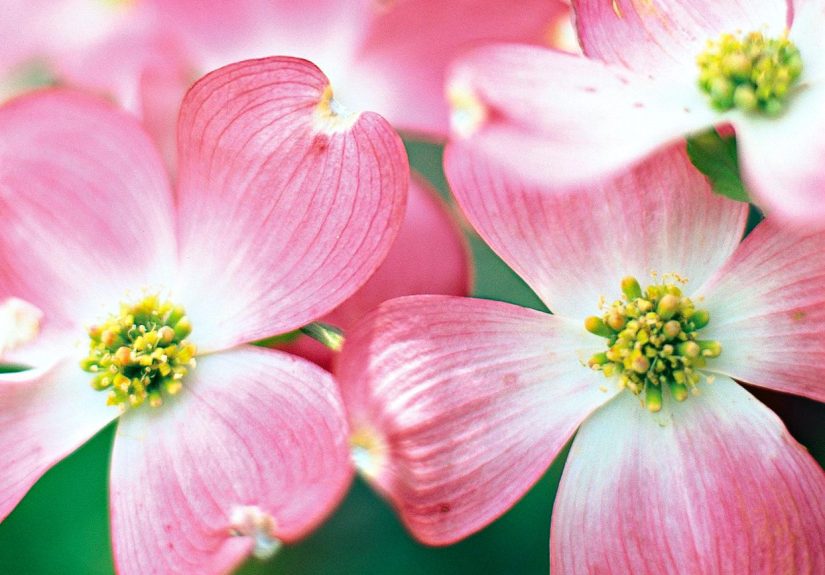
The most familiar type is the flowering dogwood, Cornus florida, a native tree in the eastern United States. In spring, it puts on its signature floral display. Technically, the showy white, pink, or red “petals” are bracts, not true petals, but unless your guests are bringing a botany quiz to dinner, nobody will complain. In summer, the tree offers soft shade and layered branching. In fall, the leaves often turn shades of red, burgundy, or purple, and many types produce fruit that birds appreciate.
In other words, dogwoods are the overachievers of the ornamental tree world. They bloom, color up, feed wildlife, and look architectural in winter. Not bad for one tree.
Choose the Right Dogwood Before You Start Digging
Not all dogwoods behave the same way, so it pays to choose carefully before you bring one home. The best tree for your yard depends on climate, sun exposure, disease pressure, and how much wildlife value you want.
Flowering Dogwood (Cornus florida)
This is the classic native dogwood that many gardeners picture first. It has beautiful spring bracts, strong fall color, and berries that support wildlife. It also tends to be more sensitive to stress than some other dogwoods. If your site has hot reflected heat, compacted soil, standing water, or relentless afternoon sun, a native flowering dogwood may struggle unless the conditions are improved.
Kousa Dogwood (Cornus kousa)
Kousa dogwood blooms a little later than flowering dogwood and is often praised for better resistance to common dogwood problems such as powdery mildew. It is also somewhat more tolerant of dry conditions once established. Kousa trees have a slightly different look, with a later bloom season and attractive mottled bark as they mature. The tradeoff is that they are not as valuable to native wildlife as Cornus florida.
Hybrid Dogwoods
If you love the look of dogwoods but want a sturdier option, hybrid selections are worth serious attention. Rutgers-bred hybrids, including the Stellar Series, were developed to combine the beauty of flowering dogwood with improved vigor and disease resistance from kousa dogwood. For gardeners in areas where anthracnose or powdery mildew has been a problem, hybrids can be an excellent middle ground.
Where to Plant a Dogwood Tree
If there is one secret to growing dogwoods well, it is this: site selection is everything. A dogwood planted in the right spot can be fairly easy to maintain. A dogwood planted in the wrong spot becomes a long, expensive lesson in regret.
The best location usually offers morning sun with afternoon shade, or bright filtered light under taller trees. In nature, many dogwoods grow as understory trees, so they are happiest when the light is gentle rather than punishing. In cooler northern areas, some dogwoods can handle more sun. In hotter southern or coastal areas, extra afternoon protection is often a big help.
Soil matters just as much as light. Dogwoods prefer soil that is well drained, rich in organic matter, and slightly acidic. Heavy wet clay, low pockets that hold water, and compacted turf-dominated soil are poor choices. These trees have relatively shallow roots, which means they dry out faster than deep-rooted trees in drought, but they also resent sitting in soggy ground. Yes, they are fussy. Also yes, they are worth it.
Avoid planting dogwoods next to roads that receive salt spray, in narrow strips between sidewalk and pavement, or in places where a reflected heat blast comes off walls, stone, or asphalt. Also give the tree enough room to reach its mature width. A young dogwood looks small and innocent in a nursery pot. Five years later, it would like some elbow room.
When Is the Best Time to Plant a Dogwood Tree?
For container-grown dogwoods, fall is often the best planting season because roots can begin establishing while the weather is cooler and the top of the tree is not pushing hard summer growth. Spring planting also works well, especially in colder areas. Summer planting is possible if you are diligent about watering, but it is less forgiving.
Balled-and-burlapped dogwoods are usually best planted while dormant, typically from late fall through winter or very early spring depending on your region. The goal is to help the tree settle in before heat stress arrives and starts making unreasonable demands.
How to Plant a Dogwood Tree Step by Step
1. Dig a Wide Hole, Not a Deep One
Dig a planting hole two to three times wider than the root ball, but no deeper than the root ball itself. This is one of the most important details. Dogwoods planted too deep often decline slowly and mysteriously, which is gardening’s least charming plot twist.
2. Find the Topmost Roots and Set Them at Grade
Before planting, brush away excess soil from the top of the root ball until you can see the uppermost roots. Those roots should sit at soil level, or even slightly above it if your soil drains slowly. Think wide and shallow, not deep and dramatic.
3. Check for Circling Roots
If the tree came from a container, inspect the roots. Loosen or straighten any roots that are circling around the root ball. Left alone, those roots can keep circling like they are trapped in a tiny underground roundabout.
4. Set the Tree Carefully
Lift the tree by the root ball, not the trunk. Place it in the center of the hole and rotate it so the best side faces where you will see it most. This is one of the few moments in gardening when vanity is completely acceptable.
5. Backfill Mostly With Native Soil
Use the soil you removed from the hole to backfill around the root ball. It is fine to improve the surface later with compost, but do not turn the planting hole into an isolated pocket of fluffy potting mix. Roots should be encouraged to move out into the surrounding native soil, not stay pampered forever in a private luxury suite.
6. Water Thoroughly Right Away
Once planted, water deeply to settle the soil and remove air pockets. This first soaking is not optional. It is the tree’s official welcome drink.
7. Mulch the Right Way
Apply a 2- to 4-inch layer of mulch over the root zone, keeping it several inches away from the trunk. Make a wide mulch ring rather than a trunk-hugging mulch volcano. Mulch volcanoes are one of landscaping’s most committed bad habits. They trap moisture against bark, encourage rot, and make arborists sigh heavily.
8. Stake Only If Necessary
Most smaller container trees do not need staking. If your site is windy or the tree is top-heavy, temporary staking may help. If you do stake, allow a little movement in the trunk so the tree can develop strength, and remove supports after establishment.
How to Care for a Dogwood Tree After Planting
Watering
Dogwoods need consistent moisture while establishing, especially during the first one to two growing seasons. A deep watering once or twice a week during dry weather is usually better than frequent light sprinkling. Check the soil a few inches down before watering. If it is dry, water. If it is still moist, wait.
During hot summers, especially if your tree gets more sun, do not assume rainfall has done enough. Dogwoods often need extra attention in July, August, and during dry fall weather. Since the roots are shallow, turfgrass competition can also make moisture shortages worse.
Mulching
Mulch is one of the simplest ways to improve dogwood performance. It moderates soil temperature, reduces weed competition, helps the soil hold moisture, and protects the trunk from mower and string trimmer damage. Extend the mulch ring outward as the tree grows. Your future tree will thank you, and your lawn equipment will have fewer opportunities to commit crimes.
Fertilizing
More fertilizer does not equal more happiness. Newly planted dogwoods usually need little or no fertilizer during the first growing season. Too much nitrogen early on can push growth the roots are not ready to support. In established trees, fertilizer is best guided by a soil test. A yearly topdressing of compost or other organic matter can help improve soil health gently without overdoing it.
Pruning
Dogwoods are not heavy-pruning trees. In fact, they usually look best when lightly shaped and left mostly alone. Remove dead, damaged, diseased, or crossing branches as needed. Major pruning is often done in the dormant season, though small corrective cuts can also be made after flowering. Always make clean cuts at the branch collar, and skip wound dressings or pruning paint.
Common Dogwood Problems and How to Prevent Them
Most dogwood problems begin with stress. Plant a tree too deep, let it bake in full reflected heat, wound the trunk, or ignore drought, and trouble tends to follow.
Powdery mildew and anthracnose are two of the best-known dogwood diseases. Good air circulation, proper watering, and choosing resistant cultivars can help reduce risk. Kousa dogwoods and certain hybrids are often more resistant than traditional flowering dogwoods. Dogwood borers can also be an issue, especially when the bark has been injured, so protecting the trunk from mower damage is not just cosmetic. It is preventive care.
If you see leaf spotting, branch dieback, early leaf drop, or poor vigor, step back and inspect the site first. Before blaming the tree, ask the hard questions. Is the soil draining? Is the mulch piled on the trunk? Is the tree getting enough water? Is it being scorched by afternoon sun? Dogwoods are often very honest about site problems. They just express themselves with leaves.
Common Mistakes to Avoid
The biggest mistake is planting too deep. A close second is planting in a wet hole that never drains. Other common problems include skimping on water during the first two years, leaving the tree in lawn competition with no mulch, piling mulch against the trunk, and buying a wild-dug tree instead of a nursery-grown one with a better root system.
Another mistake is assuming all dogwoods belong in deep shade. They are understory trees, yes, but many bloom and perform best with some sun, especially morning sun. Deep shade may keep the tree alive, but it can reduce flowering and fall color. Think bright woodland edge, not gloomy cave entrance.
What to Expect Through the Seasons
In spring, healthy dogwoods produce the showy bracts that made you fall in love in the first place. In summer, they should carry attractive green foliage without wilting or scorching if the site and moisture are right. In fall, many varieties turn rich shades of red or purple. In winter, the horizontal branching structure becomes part of the appeal.
Do not expect explosive growth. Dogwoods are not trying to become a fast-growing privacy screen by next Thursday. They are more refined than that. A well-grown dogwood develops steadily and becomes more graceful with time.
Experience-Based Tips From Real Dogwood Growers and Gardeners
One of the most common experiences gardeners report with dogwoods is that success usually comes down to small details that do not look dramatic on planting day. The tree goes in the ground, looks fine, and everyone assumes the job is done. Then summer arrives, the lawn gets busy, watering becomes occasional rather than consistent, and the dogwood starts sending polite but unmistakable complaints through drooping leaves and crispy edges. Gardeners who do best with dogwoods tend to be the ones who treat the first two years as an establishment period, not as a victory lap.
Another frequent lesson is that the “perfect-looking spot” is not always the best spot. A wide-open lawn may seem ideal because it shows off the tree, but in many climates that kind of exposure can be too hot and dry for a flowering dogwood. Gardeners often have better results when the tree gets morning sun and protection from the harshest afternoon heat. A location near taller trees, on the east side of a house, or along a woodland edge often gives better performance than the center of a baking yard. The dogwood still gets attention, just without having to star in an endurance competition.
Mulch rings also come up again and again in successful dogwood stories. People who switch from turf right up against the trunk to a broad mulched root zone often notice an improvement in vigor. The tree no longer has to compete with grass for water, the soil stays cooler, and mower damage becomes less likely. That last part matters more than many beginners realize. Plenty of declining dogwoods have a hidden history of repeated trunk injuries from string trimmers and lawn mowers. The bark is thin, and once the trunk is damaged, pests and disease can take advantage.
Gardeners also learn that cultivar choice matters. In regions where disease pressure is high, some people start with a native flowering dogwood and later decide they wish they had planted a kousa or a hybrid instead. Others remain loyal to native dogwoods for the wildlife value and classic spring look, but they become much more selective about buying resistant cultivars and placing them carefully. In practical terms, that often means the tree is not planted in the most exposed area of the yard, and it definitely is not left to fend for itself during drought.
Finally, many long-term growers say the biggest surprise is how much better dogwoods look with restraint rather than fussing. They do not want aggressive pruning, constant fertilizer, or weekly interference by someone with a shovel and big ambitions. They want a well-chosen site, patient watering, organic matter, mulch, and enough breathing room to develop naturally. Once gardeners figure that out, dogwoods stop acting temperamental and start acting magnificent.
Final Thoughts
If you want a tree that delivers spring beauty, wildlife value, graceful shape, and outstanding fall color, a dogwood is hard to beat. The key is respecting what the tree actually needs. Plant it in the right place, keep the roots cool and evenly moist, avoid planting too deep, mulch properly, and choose a disease-resistant type if your area has a history of problems. Get those basics right, and your dogwood can become the kind of tree people slow down to admire when they walk by.
And honestly, that is a pretty good return on one well-dug hole.