Table of Contents >> Show >> Hide
- Why steaming lobster tails works so well
- What you need to steam lobster tails
- How to choose lobster tails
- How to thaw lobster tails safely
- Should you butterfly lobster tails before steaming?
- Step-by-step: how to steam lobster tails
- How long to steam lobster tails
- How to know when lobster tails are done
- Common mistakes when steaming lobster tails
- Best flavors for steamed lobster tails
- What to serve with steamed lobster tails
- How to store and reheat leftover lobster tail
- Home-cook experiences with steamed lobster tails
- Conclusion
If you want a dinner that whispers fancy while your kitchen mostly says weeknight survival zone, steamed lobster tails are a smart move. They cook quickly, look impressive, and taste like you either know exactly what you are doing or are very good at pretending. Even better, steaming is one of the gentlest ways to cook lobster tails, which means you have a better shot at juicy, tender meat instead of something with the bounce of an old pencil eraser.
This guide covers exactly how to steam lobster tails, from thawing and prep to timing, doneness, and the mistakes that turn luxury seafood into expensive sadness. Whether you are making a romantic dinner, a holiday meal, or just deciding that Tuesday deserves melted butter, this method keeps things simple and delicious.
Why steaming lobster tails works so well
Steaming lobster tails is popular for a reason: it is fast, fairly foolproof, and easier on delicate meat than aggressive high-heat cooking. Because the lobster cooks above the water instead of directly in it, the flavor stays concentrated and the texture tends to stay tender. In plain English, steaming gives you a little more forgiveness than methods that can dry the meat out in a hurry.
It also requires very little equipment. You need a pot, a lid, a steamer basket or rack, and a healthy respect for hot steam. That last part is not optional.
What you need to steam lobster tails
- 4 lobster tails, thawed if frozen
- 1 to 2 inches of water
- Salt, if desired
- A large pot with a tight-fitting lid
- A steamer basket, insert, or rack
- Tongs
- Kitchen shears
- Melted butter and lemon wedges for serving
You can keep the seasoning simple because lobster has a naturally sweet, briny flavor. A little butter, lemon, garlic, or herbs usually does the job beautifully. This is not the moment to bury it under enough spice to confuse it into thinking it is a taco.
How to choose lobster tails
Fresh vs. frozen lobster tails
Most home cooks buy frozen lobster tails, and that is perfectly normal. In many cases, frozen tails are the practical choice because they are processed and frozen close to harvest. Look for tails with shells that are intact, not crushed, and avoid packages with excessive frost or obvious freezer burn.
What size should you buy?
For most dinners, medium tails are easiest to cook evenly and serve neatly. One medium tail per person is usually enough for a lighter main course, especially if you are serving steak, pasta, potatoes, or other sides. If the lobster tails are the star of the plate, larger portions make more sense. In general, smaller to medium tails are easier for beginners because they cook more predictably.
How to thaw lobster tails safely
If your lobster tails are frozen, thaw them before steaming. This matters more than many people realize. Thawed tails cook more evenly, are easier to prep, and are less likely to end up rubbery on the outside while still underdone in the center.
Best thawing method
Place the frozen lobster tails in the refrigerator overnight. This slow thaw gives you the best texture and the least drama.
Quick thawing method
If dinner has crept up on you, seal the tails in a plastic bag and submerge them in cold water. Change the water every 15 to 30 minutes until the tails are flexible. Do not thaw lobster tails on the counter. Room-temperature thawing is a food-safety gamble, and lobster is too expensive to risk on bad decisions.
Should you butterfly lobster tails before steaming?
You can steam lobster tails whole, but butterflying them has real advantages. It helps the meat cook more evenly, makes the tails look much fancier, and gives butter or seasoning a better chance to cling to the meat instead of sliding off like it has somewhere else to be.
How to butterfly a lobster tail
- Place the tail shell-side up on a cutting board.
- Use kitchen shears to cut down the center of the top shell, stopping before you cut through the tail fin.
- Gently loosen the meat from the shell with your fingers or a spoon, keeping it attached near the end.
- Lift the meat slightly and rest it on top of the shell for a classic restaurant-style look.
While you are there, remove any dark digestive tract if you see one. It is not the end of the world, but it is not exactly the glamorous part of dinner either.
Step-by-step: how to steam lobster tails
1. Bring the water to a boil
Add 1 to 2 inches of water to a large pot. If you like, salt the water lightly. Set the steamer basket or rack in place so it sits above the water, not in it. Bring the water to a vigorous boil.
2. Add the lobster tails
Place the lobster tails in the basket in a single layer. Do not crowd the pot. If the tails overlap too much, they may cook unevenly. Cover the pot tightly.
3. Start timing when the steam returns
This part matters. Start the timer once the water returns to a boil and the pot is actively steaming again. Cooking time depends on the size of each individual tail, not the combined weight of everything in the pot.
4. Check for doneness early
Lobster tails go from tender to tough pretty quickly, so begin checking at the low end of the time range. The meat should be opaque, pearly, and firm, not translucent or mushy.
5. Serve immediately
Remove the tails with tongs and let them rest for a minute or two. Serve with melted butter, lemon wedges, or a simple garlic-herb drizzle.
How long to steam lobster tails
Steaming time varies by tail size, shell thickness, and whether the tails are fully thawed. Use this as a practical guide, not a courtroom transcript.
| Lobster Tail Size | Approximate Steaming Time |
|---|---|
| 4 to 5 ounces | 3 to 5 minutes |
| 6 to 7 ounces | 6 to 8 minutes |
| 8 to 10 ounces | 8 to 10 minutes |
| 12 to 14 ounces | 9 to 10 minutes |
| 16 to 20 ounces | 10 to 12 minutes |
A handy rule of thumb is about 1 minute per ounce, though not every tail reads the memo the same way. Thickness matters, so let doneness cues guide you more than the clock alone.
How to know when lobster tails are done
The best lobster tail is cooked just enough. Not underdone, not overdone, and definitely not steamed into submission. Here is what to look for:
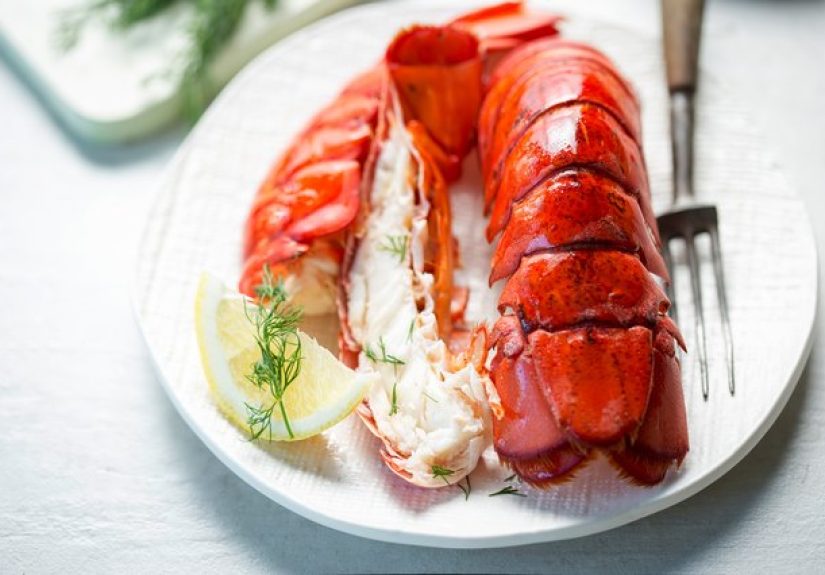
- Color: The shell turns bright red and the meat becomes white or pearly opaque.
- Texture: The meat should feel firm but still springy, not squishy and not stiff.
- Temperature: If you use an instant-read thermometer, check the thickest part of the meat and aim for 145°F for safe seafood cooking.
If the meat is still translucent in the center, it needs another minute. If it looks shrunken, tight, and dry, it has likely gone too far. Lobster does not do second chances.
Common mistakes when steaming lobster tails
Cooking them straight from the freezer
This often leads to uneven results. The outside cooks too quickly while the center tries to catch up. Thawing first gives you a much better texture.
Adding too much water
You are steaming, not boiling. The tails should sit above the water so the hot vapor cooks them gently.
Overcrowding the pot
If the tails are stacked on top of one another, steam cannot circulate properly. Cook in batches if necessary.
Using color alone to judge doneness
Bright red shells are a good sign, but not a guarantee. Timing and internal temperature matter too.
Overcooking
This is the biggest lobster crime in home kitchens. Leave the tails in too long and the meat becomes dry, chewy, and a little heartbreaking. Check early, then check again.
Best flavors for steamed lobster tails
Steamed lobster tails do not need much, but a few additions can make them sing.
Classic melted butter
This is the all-time favorite for a reason. Warm, rich, simple, and very difficult to dislike.
Garlic butter
Melt butter with minced garlic, then spoon it over the hot tails. Add parsley if you want it to look extra polished.
Lemon-herb butter
Stir lemon juice, zest, and chopped chives or parsley into melted butter for a brighter finish.
Cajun butter
If you like a little kick, add a pinch of Cajun seasoning to melted butter. Go easy at first. Lobster should still taste like lobster, not a dare.
What to serve with steamed lobster tails
Lobster tails pair well with side dishes that feel special without competing too hard. Some of the best choices include:
- Drawn butter and lemon wedges
- Roasted asparagus or green beans
- Mashed potatoes or baked potatoes
- Buttered rice or risotto
- Fresh salad with a light vinaigrette
- Crusty bread for butter-related reasons
If you want a full steakhouse-at-home situation, serve the steamed lobster tails with filet mignon, creamy potatoes, and a vegetable on the side. Suddenly your dining room is charging imaginary reservation fees.
How to store and reheat leftover lobster tail
If you somehow have leftovers, let the lobster cool slightly, then refrigerate it promptly in an airtight container. For the best quality, eat it within a couple of days.
To reheat, use gentle heat. Steam briefly, warm in a covered pan with a little butter, or reheat carefully in the oven. Microwaving can make lobster tough in a hurry, which is a deeply rude thing to do to a premium ingredient.
Home-cook experiences with steamed lobster tails
For a lot of home cooks, the first experience with steaming lobster tails comes with equal parts excitement and panic. There is usually a moment where someone stands over the pot thinking, “These were expensive, and I would really like to not ruin them.” That feeling is normal. Lobster has a reputation for being fancy, but once you steam a batch successfully, you realize it is far less mysterious than it looks.
One of the most common experiences people talk about is surprise at how fast lobster tails cook. You spend more time thawing, trimming, and melting butter than you do actually steaming the tails. That can feel unnerving at first, especially if you are used to proteins that take longer. The smart move is to stay nearby, keep the lid on, and start checking early. The difference between “perfectly tender” and “a little too chewy” can be just a minute or two.
Another thing people notice is how much presentation changes the mood of the meal. A plain steamed lobster tail still tastes wonderful, but a butterflied tail perched neatly on its shell looks like something from a white-tablecloth restaurant. It turns an ordinary dinner into an occasion. Even if the side dishes are simple, the lobster carries the whole plate. Suddenly everyone sits up straighter, pours something nice to drink, and pretends this has always been a totally casual Thursday plan.
There is also the smell factor, and that is a good thing. As the steam builds, the kitchen starts to smell sweet, briny, and buttery if you have sauce warming on the stove. It feels luxurious without being fussy. Many home cooks say that steaming lobster tails becomes less about showing off and more about creating a memorable meal that still feels manageable. It is the kind of recipe people remember because it feels indulgent without requiring a culinary degree or a dramatic amount of cleanup.
Families often turn steamed lobster tails into a celebration meal. Anniversaries, birthdays, New Year’s Eve, and graduation dinners are common choices because lobster feels special the second it hits the plate. The fun is not just in eating it, but in the little rituals around it: warming butter, arranging lemon wedges, handing out extra napkins, and announcing that yes, this is absolutely a dip-every-bite-in-butter kind of evening. Kids usually find the shells exciting. Adults usually find the butter thrilling. Everybody wins.
Some cooks eventually develop their own rhythm with the method. They learn how their pot steams, how large their usual grocery-store tails run, and exactly when to peek under the lid. After that, lobster tails stop feeling intimidating and start feeling like a reliable treat. That is probably the best part of the whole experience. Once you know how to steam lobster tails properly, the dish moves from “special event mystery” to “fancy thing I can absolutely make at home.” And that is a very satisfying promotion for any recipe.
Conclusion
Learning how to steam lobster tails is one of those kitchen skills that pays you back immediately. The process is simple, the cooking time is short, and the results can be genuinely restaurant-worthy when you pay attention to thawing, timing, and doneness. Steam the tails gently, keep an eye on the clock, and serve them the moment they are ready. Add melted butter, a squeeze of lemon, and maybe a side dish that knows its place. Dinner is done, and it is looking extremely impressive.