Table of Contents >> Show >> Hide
- Why Dupes and Flipped Furniture Work So Well Together
- Start With Function, Not the Fantasy
- How to Choose a Good Furniture Dupe
- How to Pick Furniture Worth Flipping
- Designer Tricks for Mixing Dupes and Flipped Furniture
- Three Easy Ways to Apply This at Home
- Mistakes That Make Budget Decorating Look Cheap
- The Real Designer Mindset
- Experiences and Lessons From Living With Dupes and Flipped Furniture
Note: SEO tags are provided in JSON format at the end for easy publishing.
Decorating on a budget used to come with a little shame. You either saved for the dream sofa, or you quietly bought the “inspired by” version and hoped nobody with good eyesight came over. Not anymore. Today’s smartest rooms are often built on a mix of designer-worthy dupes, vintage finds, thrifted treasures, and flipped furniture with better bones than half the brand-new stuff on the market. In other words, great style is no longer reserved for people who can casually spend the price of a used car on a coffee table.
But there’s a catch: not all dupes are good, and not every thrift-store rescue deserves a second life in your living room. According to designers, the secret is not chasing a cheaper copy of everything. It’s learning how to use budget furniture, secondhand pieces, and flipped furniture in a way that still feels layered, intentional, and elevated. The goal is not to fool people into thinking you spent a fortune. The goal is to make your home look like you know exactly what you’re doing.
Here’s how to use dupes and flipped furniture the designer way, without turning your home into a showroom of suspiciously familiar silhouettes and regrettable DIY experiments.
Why Dupes and Flipped Furniture Work So Well Together
There’s a reason this pairing makes sense. Dupes give you access to a look. Flipped furniture gives you character. One brings polish, the other brings personality. When you combine them well, a room feels collected instead of cookie-cutter.
Designers often point out that homes feel more sophisticated when everything does not come from one store on one Saturday afternoon. A flipped dresser, vintage side table, or refinished cabinet introduces age, texture, and visual depth. Meanwhile, a well-chosen dupe can help you echo the proportions or mood of a high-end piece without wrecking your budget. Together, they create the kind of mix that looks curated rather than copied.
That also makes this approach practical. You can save money where it makes sense, spend more where comfort and durability matter, and still end up with a room that doesn’t scream, “I panic-bought everything during a long weekend sale.”
Start With Function, Not the Fantasy
Ask what the piece needs to do
Before you shop for a dupe or grab a paintbrush, think like a designer: what job does this piece have in the room? Is it a hardworking storage piece? A visual anchor? A flexible accent? A sofa has to survive movie nights, snacks, pets, and the occasional dramatic collapse after work. A side table mostly needs to hold a lamp and look cute doing it. Those are very different assignments.
If a piece is high-use, high-touch, or central to comfort, be pickier. Dining chairs, sofas, mattresses, desk chairs, and frequently used tables need durability. That doesn’t mean they must be expensive, but it does mean they should not be selected by vibe alone. If a piece is more decorative, like a mirror, accent stool, bench, lamp, or small end table, a dupe is usually a safer bet.
Decide where to save and where to splurge
A designer’s budget usually has hierarchy. Save on trend-driven items, secondary furniture, and easy-to-swap accents. Spend more on pieces that affect comfort, wear, and daily life. That might mean a flipped vintage dresser in the bedroom, affordable drapery panels, and a look-for-less lamp, while the actual mattress and lounge chair get the bigger investment.
The smartest rooms do not look expensive because every item is expensive. They look expensive because the expensive-looking choices were made in the right places.
How to Choose a Good Furniture Dupe
Look for “inspired by,” not counterfeit
There is a difference between a piece that captures a certain design language and one that tries too hard to impersonate the original. The best dupes take inspiration from shape, scale, finish, or mood. The worst ones drift into obvious knockoff territory. If a piece depends on copying a famous design down to the tiniest detail, it often feels less chic and more legally nervous.
A better strategy is to search for pieces with a similar silhouette, material mix, or visual effect. Love the warmth of a European oak dining table? Find one with the same simplicity and proportions, not necessarily the exact same claim to fame. Love the softness of linen drapes or the sculptural feel of a designer lamp? Focus on texture and scale. That is what the eye notices first.
Check materials like a skeptic
Dupes can photograph beautifully and fail miserably in real life. Read the materials, not just the marketing copy. Solid wood, metal, durable upholstery, performance fabrics, and sturdy joinery usually age better than flimsy composites and thin veneers used poorly. That said, not all veneer is bad. Many excellent vintage pieces use quality veneer beautifully. The real question is whether the construction is sound and the finish feels substantial.
Look at weight limits, drawer glide descriptions, fabric rub counts when available, assembly details, and customer photos. If the reviews all mention wobbling, chipping, or “looks great but feels like a cereal box,” move along.
Pick categories that are naturally dupe-friendly
Some home categories are easier to fake well than others. Mirrors, benches, side tables, lighting, curtain panels, bar stools, hardware, and decorative chairs are often good dupe territory. Their value is largely visual, and many affordable versions can look surprisingly refined.
Be more cautious with upholstered seating, dining chairs you actually sit in for hours, and major case goods that need to endure daily abuse. Nobody wants a gorgeous console that starts peeling before the houseplants do.
How to Pick Furniture Worth Flipping
Shop for good bones
Designers love secondhand furniture that has structure, craftsmanship, and shape. Solid wood dressers, side tables, nightstands, bookshelves, mirrors, and classic dining chairs are often prime candidates. Pieces with curved lines, interesting legs, old brass hardware, or generous storage tend to have more charm than brand-new flat-pack furniture at the same price point.
Look for sturdy construction first. Wobbly legs, rotten wood, or major water damage are not “character.” They are a weekend you will regret. A scratched finish, outdated color, bad hardware, or ugly fabric? That’s workable. That’s a makeover. That’s television with a happy ending.
Know what not to paint
Not every old piece should be “improved.” Some antiques and vintage items have value because of their original finish, patina, hardware, or maker details. If you’re dealing with a potentially collectible piece, do a little homework before reaching for the roller. Designers and vintage experts regularly warn that stripping originality from the wrong piece can lower both its value and its magic.
If the furniture is rare, beautifully aged, or made with gorgeous wood veneer, restoration may make more sense than a dramatic paint job. Sometimes the most stylish move is restraint.
Prep is what makes a flip look professional
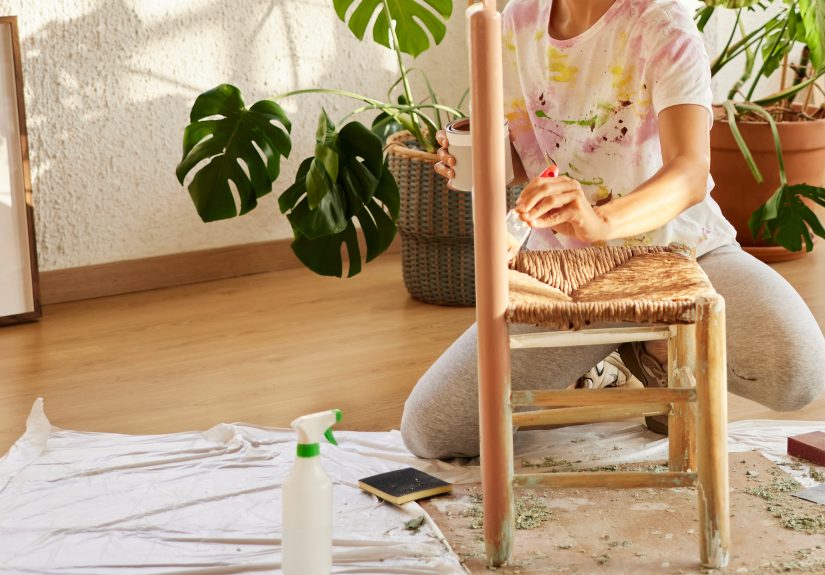
This is the part DIY beginners love to skip, which is why so many furniture flips end up looking like a middle-school art project with drawer pulls. Clean first. Sand properly. Prime when needed. Use the right paint for the material. Laminate furniture, for example, needs different prep than raw wood. If you want a finish that lasts, this step is not optional.
A good flip also respects the surface. Some pieces want a rich paint color and updated hardware. Others are better with stain, wax, or a subtle refinishing approach that lets the wood shine. The best flipped furniture doesn’t look “DIY.” It looks reborn.
Hardware is the cheapest luxury upgrade
If paint changes the outfit, hardware changes the attitude. Swapping builder-grade knobs for aged brass pulls, leather tabs, wood knobs, or clean modern handles can make even a basic piece feel custom. This is one of the easiest ways to elevate a thrifted dresser, IKEA hack, or tired nightstand.
Just do not over-accessorize the piece into confusion. One good finish, one clear style direction, and a little editing go a long way.
Designer Tricks for Mixing Dupes and Flipped Furniture
Repeat finishes so the room feels intentional
If your flipped walnut nightstand sits near a dupe brass lamp and a vintage mirror with warm undertones, the space starts to feel connected. Repeating a material or finish two or three times around the room helps budget pieces look deliberate. Designers do this constantly because cohesion reads as luxury.
Use contrast, but keep the palette calm
A room full of statement pieces competes with itself. One painted vintage dresser, one sculptural chair, one large mirror, and a handful of quieter supporting items usually work better than six “look at me” moments. Let your dupes and flips shine within a tighter color palette so the room feels sophisticated rather than chaotic.
Pair something old with something crisp
A thrifted cabinet looks better when it sits under clean-lined art. A refinished desk feels more elevated with a modern lamp and tailored chair. Mixing eras is what keeps a room from feeling themed. Without that balance, a space can slip into either “all catalog” or “all flea market” territory. Neither is the goal.
Mind the scale
One reason designer rooms look polished is that the proportions are right. A small lamp on a huge credenza looks timid. Oversized chairs in a tight room feel like they are bullying the floor plan. Whether you’re buying a dupe or flipping a secondhand piece, check dimensions carefully. Style can survive a lot, but it rarely survives bad scale.
Three Easy Ways to Apply This at Home
Living room
Use a dupe coffee table or side table with a strong silhouette, then anchor the room with a flipped vintage credenza or media console. Add texture through pillows, a washable rug, and layered lighting. If the sofa is affordable, keep it in a classic shape and neutral fabric so the room doesn’t feel temporary.
Bedroom
Flip an old dresser in a moody paint color, update it with brass or wood hardware, and pair it with affordable linen-look curtains and a look-for-less mirror. Bedrooms are ideal for this formula because dressers and nightstands offer tons of style payoff without the same comfort stakes as living room seating.
Dining room
Mix secondhand dining chairs with a simpler table, or refinish a buffet and pair it with a designer-inspired pendant. Dining spaces are fantastic for flipped furniture because older case goods and chairs often have better materials than new budget alternatives. A little sanding and polish can unlock serious charm.
Mistakes That Make Budget Decorating Look Cheap
The first mistake is buying too many dupes at once. A room full of almost-famous furniture starts to feel like a design costume. The second is ignoring craftsmanship. Cheap materials reveal themselves quickly, usually right after the return window closes. The third is over-flipping. Not every piece needs distressing, stencil work, dramatic color blocking, and a motivational backstory.
Another common problem is choosing pieces that match too perfectly. Real homes rarely look best when every finish, every leg style, and every wood tone comes from the same universe. A little variety makes the room feel real. And finally, do not underestimate comfort. The most beautiful dining chair in the world becomes your enemy after forty-five minutes if it feels like a punishment.
The Real Designer Mindset
Designers are not usually obsessed with labels. They are obsessed with proportion, texture, function, craftsmanship, and mood. That’s why dupes and flipped furniture can absolutely work in a well-designed home. But they only work when you stop asking, “How can I copy that exact room for less?” and start asking, “How can I create this feeling in a way that makes sense for my life?”
That shift changes everything. It frees you to buy a beautiful affordable lamp, restore your grandmother’s sideboard, skip the fake luxury flex, and build a home that feels layered over time. Which, frankly, is much more interesting than decorating like you’re trying to win a game of spot-the-brand.
Experiences and Lessons From Living With Dupes and Flipped Furniture
One of the most useful things people learn after actually living with dupes and flipped furniture is that the room remembers quality, even when the budget is modest. A good dupe does not just look right on day one. It still feels stable after months of use, it cleans up well, and it does not start wobbling the second someone sets down a heavy book or a cup of coffee with too much confidence. The same goes for flipped furniture. A dresser that was properly cleaned, sanded, painted, and sealed becomes part of everyday life in a way that feels satisfying. You stop thinking of it as the “cheap option” and start thinking of it as one of the smartest pieces in the room.
People also tend to discover that flipped furniture creates an emotional connection brand-new furniture often lacks. A thrifted nightstand that looked sad under fluorescent store lighting can become a favorite piece once it is repainted, re-hardwared, and styled at home. It carries a sense of transformation. It feels earned. There is a certain joy in looking at a piece and knowing you gave it a second act instead of sending more money toward something disposable and forgettable.
Another common experience is realizing that the most successful dupes are rarely the loudest ones. The pieces that win over time are usually simple, useful, and quietly attractive. Maybe it is a lamp with a sculptural base, a bench with clean lines, or curtains that mimic the softness of custom drapery without the custom bill. These pieces blend in, support the room, and let the more personal elements do the talking. In contrast, the overhyped dupe that looked amazing in a social media video can feel oddly flat in real life if the materials are weak or the finish looks fake up close.
There is also a practical lesson people learn fast: flipped furniture is forgiving, but only when you respect the process. Rushing the prep almost always comes back to haunt you. A drawer that sticks, paint that chips, hardware that sits crooked, or a finish that scratches too easily will remind you that shortcuts are rarely stylish. On the other hand, when the prep is done well, even a modest piece can look custom. That experience often builds confidence. After one successful flip, people start seeing potential everywhere: an old mirror, a side chair, a console table, a forgotten shelf in the garage. Suddenly, decorating becomes less about buying more and more about seeing differently.
Perhaps the biggest lesson is that a home becomes more believable when every piece does not arrive perfect. Rooms built with a mix of thrifted furniture, designer-inspired finds, and updated old pieces have a relaxed credibility. They feel lived in, edited, and personal. Guests may not know which item cost twenty dollars and which one took three weekends to finish, but they usually notice the overall effect: the space feels warm, confident, and original. And that is the real win. Dupes and flipped furniture are not just about saving money. They are about creating a home that looks thoughtful, functions beautifully, and tells a better story than a cart full of impulse buys ever could.