Table of Contents >> Show >> Hide
- Why These Quarantine Illustrations Hit So Hard
- 29 Quarantine Struggles These Pics Absolutely Nail
- 1. Losing Track of Time Before Lunch
- 2. The Endless Pajama Rotation
- 3. Turning the Kitchen Into a Full-Time Employer
- 4. Doomscrolling Like It Was an Olympic Sport
- 5. Video Calls That Ate the Day
- 6. Talking Over Each Other on Every Call
- 7. Muted but Still Somehow Embarrassed
- 8. Home Workouts That Felt Personally Offensive
- 9. Hair Decisions Made Without Supervision
- 10. Parents Working With Tiny Coworkers Nearby
- 11. Sharing Space Until the Walls Felt Judgmental
- 12. Missing People Even if You Usually Need Alone Time
- 13. Cleaning Everything Like a Medieval Ritual
- 14. Feeling Productive for Eleven Minutes
- 15. The Snack Break That Became a Meal
- 16. Becoming Weirdly Attached to Delivery Notifications
- 17. Developing a Deep Relationship With Your Couch
- 18. Forgetting What Day It Was
- 19. Turning Pets Into Emotional Support Staff
- 20. Rediscovering Hobbies With Chaotic Energy
- 21. The “I’ll Be Better Tomorrow” Speech
- 22. Missing Small Errands More Than Expected
- 23. Making Coffee Like It Was a Personality Trait
- 24. Feeling Trapped by Too Much Screen Time
- 25. The Guilt of Not “Using the Time Better”
- 26. Talking to Yourself More Than Usual
- 27. Overthinking Mild Symptoms
- 28. Craving Normal Boring Life
- 29. Laughing Because the Alternative Was Not Great
- Why Humor Became a Survival Tool
- The Lasting Legacy of Quarantine Struggles
- Extra Reflections: What Quarantine Felt Like From the Inside
- Conclusion
Some posts make you smile. Others make you point at the screen and say, “Wow, rude. Why is this cartoon spying on me?” That is exactly the magic of relatable quarantine illustrations. They take the weirdest season many of us have ever lived through and turn it into something instantly recognizable: the endless snacking, the awkward video calls, the panic-cleaning, the emotional support sweatpants, and the strange realization that Tuesday and Friday had quietly become the same person.
What makes a collection like “I Illustrate Quarantine Struggles We Can All Relate To (29 Pics)” so memorable is not just the humor. It is the accuracy. These kinds of illustrations work because they capture the tiny domestic moments that defined lockdown life far better than any formal timeline ever could. Official reports talked about remote work, stress, isolation, and routine disruption. Artists translated all of that into a universal visual language: messy buns, overworked laptops, suspiciously empty snack cabinets, and a soul that left the body somewhere around the fourth group call of the day.
In other words, quarantine art did what great humor always does. It made a strange time feel a little less lonely. And yes, it also gently exposed us all for being one minor inconvenience away from eating cereal straight out of the box at 2:17 p.m.
Why These Quarantine Illustrations Hit So Hard
During lockdown, daily life shrank fast. Commutes disappeared. Living rooms became offices, classrooms, gyms, and occasionally emotional collapse centers. Social plans moved onto screens. People who lived alone often felt the silence more sharply, while families packed into one home learned that “personal space” was now a romantic myth from the Before Times.
That is why quarantine illustrations connected so deeply with audiences. They did not need dramatic plots. They only needed one painfully familiar truth. A single drawing of someone dressed professionally from the waist up and existentially from the waist down could tell a whole story. A comic about pretending to be productive while doomscrolling for an hour? Instant classic. A sketch of a parent trying to answer emails while a child climbs onto their shoulders like a tiny caffeinated raccoon? Documentary-level realism.
Humor also gave people a safer way to process the pressure. Instead of saying, “I am overwhelmed by uncertainty, loneliness, and disrupted routines,” a cartoon could say, “I accidentally held a fork like a microphone during a work call because my brain has fully entered airplane mode.” Same feeling, much better delivery.
29 Quarantine Struggles These Pics Absolutely Nail
1. Losing Track of Time Before Lunch
Quarantine had a special talent for making 10 a.m. feel like 4 p.m. and 4 p.m. feel like a historical era. One minute you were making coffee, the next you were wondering why the sun had set on your ambitions.
2. The Endless Pajama Rotation
Not every hero wears a cape. Some wear the same soft hoodie for four straight days and call it a “comfort uniform.” Lockdown fashion was less about style and more about negotiating peace with elastic waistbands.
3. Turning the Kitchen Into a Full-Time Employer
The fridge became a coworker, a therapist, and a hobby. Suddenly we were baking, reheating, stirring, taste-testing, and opening the pantry every 19 minutes just in case new snacks had evolved.
4. Doomscrolling Like It Was an Olympic Sport
“I’ll just check the news for a second” was one of quarantine’s greatest lies. A second became 45 minutes, three conspiracy-adjacent posts, and one deeply unsettling recipe video.
5. Video Calls That Ate the Day
Quarantine introduced the special exhaustion of staring at tiny boxes full of human faces while pretending your internet was stable and your soul was well. The phrase “Can you hear me now?” achieved national anthem status.
6. Talking Over Each Other on Every Call
No, you go ahead. No, you. No, really. No, please. This was less a meeting and more a polite hostage situation with Wi-Fi.
7. Muted but Still Somehow Embarrassed
Every video meeting came with a low-grade fear that your microphone was on while you were talking to yourself, singing to the dog, or aggressively negotiating with a peanut butter jar.
8. Home Workouts That Felt Personally Offensive
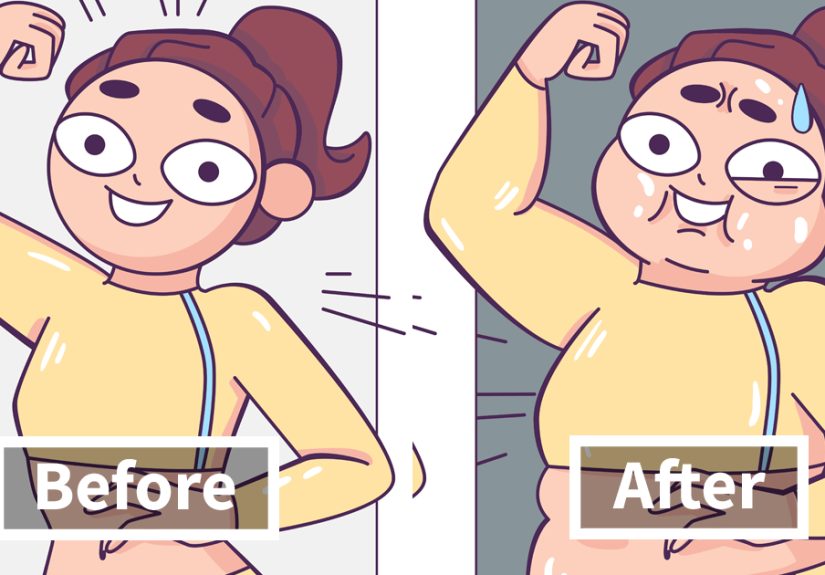
Some people became fitness legends. Others stretched once, heard a mysterious knee sound, and decided walking to the mailbox counted as cardio. Both groups were valid.
9. Hair Decisions Made Without Supervision
Quarantine gave many people dangerous confidence. Bangs were cut. Beards were improvised. Hair dye appeared in bathrooms like a warning sign from destiny.
10. Parents Working With Tiny Coworkers Nearby
Children do not care that you are presenting quarterly updates. They care that they need a snack, a charger, a dinosaur opinion, and emotional justice immediately.
11. Sharing Space Until the Walls Felt Judgmental
When everyone is home all day, even the furniture starts to seem tired. Couples, siblings, roommates, and families learned that love is real, but so is the need to sit in separate corners for a while.
12. Missing People Even if You Usually Need Alone Time
One of quarantine’s sneakiest plot twists was teaching introverts that forced isolation is not the same as chosen peace. It turns out even independent people enjoy seeing another human who is not their reflection.
13. Cleaning Everything Like a Medieval Ritual
Groceries were wiped down. Packages were treated like suspicious artifacts. Hands were washed with the dedication of a surgeon preparing for battle.
14. Feeling Productive for Eleven Minutes
There was often a glorious burst of motivation: organize the closet, meal prep, learn a language, reinvent life. Then the couch made a compelling counterargument.
15. The Snack Break That Became a Meal
Quarantine snacking ignored all traditional categories. Breakfast merged into lunch, lunch shook hands with dessert, and “just one bite” became a full emotional event.
16. Becoming Weirdly Attached to Delivery Notifications
Tracking a package was not just practical. It was entertainment. “Out for delivery” felt like plot development.
17. Developing a Deep Relationship With Your Couch
At some point, the couch stopped being furniture and became a lifestyle. It saw things. It knows too much.
18. Forgetting What Day It Was
Without commutes, school schedules, or normal social events, the week lost its bones. Monday had no authority. Saturday had no sparkle. Wednesday was just a rumor.
19. Turning Pets Into Emotional Support Staff
Cats attended meetings uninvited. Dogs served as walking coaches, cuddle consultants, and suspiciously judgmental lunch companions. They carried quarantine morale on four legs.
20. Rediscovering Hobbies With Chaotic Energy
Some people painted. Some gardened. Some made bread so often their kitchens started to feel like artisanal startup incubators. Quarantine hobbies were part coping mechanism, part time management experiment.
21. The “I’ll Be Better Tomorrow” Speech
Every evening came with a mini inspirational reboot. Tomorrow would be structured, healthy, and balanced. Tomorrow often arrived holding leftover pizza and three postponed tasks.
22. Missing Small Errands More Than Expected
At some point, even casual trips to the store started to feel glamorous. Wandering through an aisle without urgency became the kind of luxury nobody appreciated until it disappeared.
23. Making Coffee Like It Was a Personality Trait
Home coffee routines became highly emotional. People were no longer making caffeine. They were staging a morning ritual to keep civilization alive.
24. Feeling Trapped by Too Much Screen Time
Work, school, entertainment, family chats, shopping, news, and social life all moved through devices. Screens became portals, offices, lifelines, and occasionally tiny glowing enemies.
25. The Guilt of Not “Using the Time Better”
Quarantine came with strange pressure to emerge as a better person with cleaner shelves and a marketable side skill. Sometimes just making it through the week was the real achievement.
26. Talking to Yourself More Than Usual
Conversation options got limited. Naturally, people started narrating chores, debating grocery choices out loud, and providing themselves with live commentary like confused sports announcers.
27. Overthinking Mild Symptoms
A random sneeze could trigger a full internal documentary. Was it dust? Allergies? Dry air? The apocalypse? Quarantine had no chill when it came to bodily sensations.
28. Craving Normal Boring Life
People did not just miss parties or travel. They missed ordinary life: standing in line, chatting with coworkers, school drop-off, restaurants, haircuts, and random little routines that once seemed forgettable.
29. Laughing Because the Alternative Was Not Great
At the heart of all these pictures is one simple truth: humor helped. Not by erasing stress, but by making it shareable. A good quarantine illustration let people say, “This is ridiculous,” and for a moment, that was relief.
Why Humor Became a Survival Tool
Quarantine humor was not shallow. It was adaptive. A funny comic could hold two truths at once: this situation is difficult, and this detail is absurdly relatable. That mix mattered. People were dealing with uncertainty, disrupted routines, loneliness, and too much togetherness at the exact same time. Humor gave shape to emotions that were otherwise messy and hard to name.
That is why illustration worked especially well. A drawing can exaggerate just enough to be funny without losing emotional truth. The giant under-eye circles, the mountain of dishes, the haunted expression during a video call, the suspiciously empty toilet paper aisle, the parent with three open tabs and one open emotional wound; these images compressed a complicated reality into something instantly readable.
And because the jokes were visual, they traveled fast. You did not need a long explanation. You just needed one image that said, “Yes, your household has also become a weird little planet.”
The Lasting Legacy of Quarantine Struggles
What is striking now is how many of these quarantine struggles still feel familiar. Remote and hybrid work did not vanish. Video fatigue is still real. People still talk about routines, boundaries, loneliness, overstimulation, and the challenge of being digitally connected but emotionally tired. In that sense, quarantine illustrations were not just jokes about a temporary moment. They were early portraits of habits and tensions that stuck around.
They also preserved the emotional texture of that period better than polished summaries ever could. Official language tells us what changed. Art tells us how it felt. That difference matters. We remember the stress, yes, but we also remember the weird comedy of living too close to our own habits. We learned how often we snack when bored. We learned that chairs matter more than we thought. We learned that “working from home” can mean “replying to email while pretending the blender is not happening.”
Most of all, these illustrations remind us that shared laughter creates connection. Even when people were physically apart, the best quarantine comics made them feel seen. And being seen, especially in a difficult season, is no small thing.
Extra Reflections: What Quarantine Felt Like From the Inside
Looking back, quarantine did not always feel dramatic in the movie sense. A lot of it felt repetitive, oddly quiet, and emotionally slippery. Days passed in loops. You woke up in the same place, made the same coffee, opened the same laptop, looked at the same walls, and still felt surprised by how tired you were. It was not only the big fears that wore people down. It was also the constant sameness.
That sameness changed the way people experienced time. Many remember entire weeks as a blur of notifications, meals, half-finished chores, and vague promises to be more organized tomorrow. There were moments of creativity and even comfort, but they often sat right next to restlessness. People tried to make the best of it. They baked bread, started puzzles, rearranged furniture, cleaned closets, learned tiny internet-famous skills, and treated every new hobby like it might save morale by Thursday.
There was also something strangely revealing about being home so much. Without the usual schedule, routines were no longer automatic. You had to build them yourself, and that turned out to be harder than expected. Sleep got weird. Motivation came and went. Some people felt overstimulated by family life; others felt unnerved by too much silence. Plenty felt both at different hours of the same day.
Relationships shifted, too. Families got closer in some ways and testier in others. Roommates learned each other’s pacing patterns, stress habits, and opinions about loading the dishwasher. Friends texted more but still missed being physically together. Video calls helped, yet they also highlighted what screens could not replace: the easy rhythm of being around other people without having to schedule it.
That is why relatable quarantine art still lands. It captures the emotional contradictions of the time. People were grateful and frustrated. Safe and stir-crazy. Connected and lonely. Busy and somehow unproductive. The funniest illustrations understood that quarantine life was not one note. It was a mash-up of worry, boredom, tenderness, cabin fever, resilience, and a truly historic amount of snack-related decision-making.
Maybe that is the real reason these 29 pictures matter. They are funny, yes, but they are also a record of how ordinary people adapted in ordinary rooms during an extraordinary time. They remind us that survival was not always dramatic. Sometimes it looked like making dinner again, answering another call, taking another walk, laughing at your own spiral, and doing your best to stay human in a season that felt anything but normal.
Conclusion
“I Illustrate Quarantine Struggles We Can All Relate To (29 Pics)” works because it turns shared discomfort into shared recognition. The best quarantine illustrations do not just make people laugh; they make them feel less weird, less isolated, and less alone in the messy reality of lockdown life. From remote work chaos to snack-fueled coping, from video-call exhaustion to the total collapse of weekday identity, these pictures capture a chapter of modern life with honesty and wit.
And maybe that is their real superpower. They prove that when life gets strange, humor does not trivialize the experience. Sometimes it helps us carry it.