Table of Contents >> Show >> Hide
- What Was the Galaksija Computer?
- Why the Galaksija Became a Legend
- A Computer Culture Built on Scarcity, Creativity, and Nerve
- The Specs Were Modest, but the Design Was Brilliant
- So Why Rebuild It Now?
- The Documentary Gives the Rebirth Real Weight
- Why the Galaksija Still Resonates in the Age of AI and Cloud Everything
- What the Reborn Galaksija Represents
- The Experience of Encountering a Galaksija Today
- Conclusion
- SEO Tags
Every now and then, the retro-computing world digs up a machine so gloriously odd, so stubbornly clever, and so historically rich that it makes modern gadgets look a little bland. The Galaksija is one of those machines. Built in Yugoslavia in the early 1980s, this do-it-yourself home computer was never just another beige box with keys. It was a workaround, a cultural event, a technical hack, and, in many ways, a small rebellion soldered together on a kitchen table.
Now the Galaksija has been reborn, not as a vague nostalgia exercise, but as a hands-on revival complete with updated kits and a documentary that tells the story of how this humble 8-bit machine punched far above its weight. For retro fans, hardware tinkerers, and anyone who enjoys stories where ingenuity beats scarcity, the return of the Galaksija feels less like a reissue and more like a long-overdue encore.
What Was the Galaksija Computer?
The Galaksija was a Yugoslavian DIY home computer designed by Voja Antonić and introduced in 1983. On paper, it was modest even by the standards of the era: a Z80-based machine with a tiny memory footprint, a simple black-and-white display, cassette-based storage, and no flashy dedicated graphics hardware. But that dry spec sheet misses the point in spectacular fashion.
The Galaksija mattered because it was built for a place and a moment when access to Western home computers was limited and expensive. Rather than waiting for the market to magically become fair, Antonić designed a computer that ordinary enthusiasts could assemble themselves from available components. That decision turned the Galaksija from a machine into a movement.
Its design was smart in the way the best old-school engineering always is: practical, elegant, and just a little mischievous. Instead of relying on costly specialized video chips, the machine used the CPU to help generate video output. That choice reduced hardware complexity and cost, even if it meant the machine had to work harder. In modern terms, it was the kind of design that says, “No, we do not have the ideal part. Yes, we will absolutely make this work anyway.”
Why the Galaksija Became a Legend
The Galaksija was published through a special issue of the popular science magazine Galaksija, in a spin-off edition focused on computing and home construction. Readers did not merely admire the computer from a distance. They got instructions for building it. That is a very different relationship with technology than the one most people have today. This was not swipe, tap, update, repeat. This was study the schematics, source the parts, solder the board, and hope you did not accidentally invent a smoke machine.
And people responded. Enthusiasts across Yugoslavia built the computer in significant numbers. What began as a clever, low-cost design turned into one of the most memorable grassroots computing stories in Europe. For many users, the Galaksija was their first real encounter with programming, electronics, and the empowering idea that computers were not magical sealed boxes from somewhere else. They were understandable. Buildable. Yours.
That DIY spirit is a huge part of why the Galaksija still fascinates people. Plenty of vintage computers are collectible. Fewer feel participatory. The Galaksija invited users into the process, and that invitation helped shape an early homegrown computing culture.
A Computer Culture Built on Scarcity, Creativity, and Nerve
The Galaksija’s story is inseparable from the environment that produced it. In many countries, 1980s home computing history is told through household names like Commodore, Sinclair, and Apple. In Yugoslavia, the story had a different flavor. Imported machines were hard to get, expensive, or both. That created a strange kind of pressure cooker for creativity.
Instead of simply copying the consumer tech trends of the West, local engineers, journalists, hobbyists, and readers collaborated around a machine they could actually access and understand. The Galaksija fit this moment perfectly. It was affordable by design, educational by nature, and community-driven almost by accident.
Its software culture became just as interesting as its hardware story. Programs could be shared on cassette, and the now-famous tale of software being broadcast over radio has become part of the machine’s legend. That detail alone makes the Galaksija sound like a fever dream cooked up by a cyberpunk screenwriter with a cassette deck. Yet it happened, and it captures the era beautifully: low-tech, inventive, communal, and a little bit wild.
The Specs Were Modest, but the Design Was Brilliant
If you judged the Galaksija strictly by modern standards, you would miss the joke and the genius. It was not designed to compete with today’s laptops, nor even to dominate the international 1980s computer market. It was designed to be obtainable and understandable.
Core features that defined the original machine
- Zilog Z80A processor running at 3.072 MHz
- 4 KB ROM containing the operating system and BASIC interpreter
- 2 KB to 6 KB of RAM, depending on configuration
- 32 × 16 text display and simple block graphics
- Cassette-style loading and saving through an audio connection
- No dedicated sound hardware
That last point deserves a smile. No sound. Zero. Not even a charming little beep to celebrate your success or mock your typo. The Galaksija was not built to entertain through spectacle. It was built to make computing possible. And in that job, it succeeded brilliantly.
So Why Rebuild It Now?
Because some machines age into relics, while others age into symbols. The Galaksija is the second kind.
The modern revival did not happen because people suddenly needed an 8-bit computer with microscopic memory and cassette-era vibes. It happened because the Galaksija represents a strain of computing history that feels newly relevant: open, educational, repairable, and grounded in human ingenuity rather than shiny marketing language.
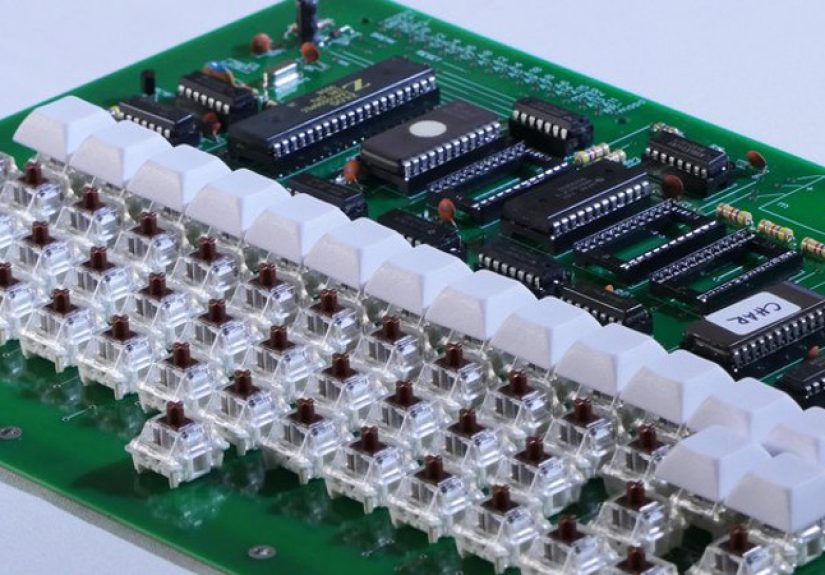
The revived Galaksija kit keeps the spirit of the original while making practical updates for modern manufacturing. According to the revival project, the new boards remain faithful to the classic architecture, still using through-hole components, the same Z80 processor family, and the same general memory and logic approach. At the same time, the updated version uses modern conveniences where exact original components are no longer realistic to source, including changes to switches, connectors, and board construction.
In other words, this is not a random imitation wearing a fake mustache. It is an informed rebirth. Even better, the original creator was involved in shaping the new hardware. That gives the project something many retro revivals lack: authenticity without fossilization.
The Documentary Gives the Rebirth Real Weight
The documentary angle is what elevates this story from “cool retro hardware project” to “important cultural preservation effort.” Rebuilding an old computer is fun. Telling the story of why it mattered is essential.
The film, known in English as Galaksija: The Computer That Refused to Die!, focuses on the origins of the Balkan computer scene and the unusual path this machine took from magazine pages to homes, schools, and memory. That matters because the Galaksija is not merely a collector’s object. It is a bridge to a forgotten or under-told chapter of computing history.
Too often, technology history gets flattened into a greatest-hits playlist starring the same few companies and the same few countries. The Galaksija documentary pushes back against that narrow version of the story. It reminds viewers that innovation also happens under constraints, in overlooked places, and through communities that do not always get credit in mainstream tech mythology.
And frankly, that is refreshing. Silicon Valley does not own the concept of clever people making computers do improbable things.
Why the Galaksija Still Resonates in the Age of AI and Cloud Everything
The return of the Galaksija lands at an interesting time. Today’s computing world is powerful, global, and often invisible. We rely on cloud services we do not understand, software stacks no single person can fully hold in their head, and devices designed more for replacement than comprehension. The Galaksija offers the opposite experience.
It is small enough to understand, simple enough to inspect, and honest enough to reveal how much thought went into every compromise. For modern makers, that is deeply appealing. The machine becomes a kind of educational artifact: a way to rediscover what computing feels like when the layers are thin and the logic is visible.
That is also why the Galaksija’s rebirth is more than nostalgia bait. It taps into a genuine hunger for tangible computing. People want to solder things again. They want to understand their machines. They want stories where the hardware has fingerprints on it, metaphorically and sometimes literally.
What the Reborn Galaksija Represents
The revived Galaksija stands at the intersection of retro computing, documentary storytelling, maker culture, and design history. It speaks to several audiences at once.
For retro collectors
It offers a chance to experience a machine that is historically important but less familiar than the usual Western classics.
For makers and hobbyists
It offers the joy of assembly, troubleshooting, and understanding a computer at the component level.
For historians and documentary fans
It preserves a regional story that deserves a larger place in global computing history.
For younger readers
It shows that innovation is not always about having more. Sometimes it is about doing more with less, and doing it with style.
The Experience of Encountering a Galaksija Today
Spending time with a Galaksija today is not like using a retro machine from behind museum glass. It feels more personal than that. The moment you look at the board, the keyboard, the layout, and the modest physical footprint, you get the sense that this computer wants to be understood. It does not posture. It does not pretend to be slick. It simply sits there like a clever little workshop project that accidentally became history.
For modern retro-computing enthusiasts, the real experience starts before the machine even powers on. It begins with the parts. You sort components, compare them to documentation, inspect the board, and start imagining the people who did similar work decades ago under very different circumstances. That mental time travel is part of the fun. Each resistor and socket feels like a handshake across generations.
Then there is the build process itself, which carries the kind of tension only hardware projects can deliver. Software errors are frustrating, but hardware errors have a special dramatic flair. A misplaced chip or sloppy joint can turn your dream machine into a tiny monument to overconfidence. Yet that is exactly why the first successful boot feels so satisfying. When a Galaksija comes alive, it does not feel like a product launch. It feels like you earned it.
Using the machine is equally revealing. The limitations are obvious, but they are not disappointing. In fact, they are strangely clarifying. You become aware of how little a computer really needs in order to become meaningful. A simple display, a BASIC prompt, and a responsive keyboard are enough to trigger curiosity. Instead of drowning you in features, the Galaksija invites you to think. You type more carefully. You notice the machine’s behavior. You pay attention.
There is also something unexpectedly emotional about the Galaksija’s atmosphere. It carries the aura of a local solution to a global dream. While better-known 1980s computers often symbolize commercial competition and consumer branding, the Galaksija symbolizes access. It was about letting more people in. That spirit survives in the reborn version. When enthusiasts assemble the new kit or watch the documentary, they are not just revisiting old hardware. They are reconnecting with a philosophy of technology that values participation over prestige.
And yes, there is joy in the quirks too. The humble graphics, the cassette-era sensibility, the stripped-down practicality, the sheer nerve of making video output work without expensive specialized hardwareall of it adds personality. The Galaksija does not dazzle because it was luxurious. It dazzles because it was resourceful.
That is why the experience of engaging with the Galaksija today feels unusually rich. It is educational without being dry, nostalgic without becoming sugary, and technical without losing its humanity. In a world full of sealed devices and disposable upgrades, this little Yugoslavian computer still offers something rare: the pleasure of understanding a machine and the story of the people who believed others should be able to understand it too.
Conclusion
The rebirth of the Galaksija is not just a retro-computing curiosity. It is a reminder that important technology stories do not always begin in giant companies or rich markets. Sometimes they begin with constraints, a smart design, a magazine article, and a community willing to build something for itself.
That is what makes the phrase “computer reborn” feel especially fitting here. The Galaksija has returned not only as hardware, but as history, memory, and proof that a clever, accessible machine can still matter decades later. Add a documentary to the mix, and the revival becomes even more meaningful. It preserves not just the board and the BASIC prompt, but the human story behind them.
For anyone who loves vintage computers, maker culture, or overlooked chapters of tech history, the reborn Galaksija is more than iconic. It is a lesson in how ingenuity travels through time. And, unlike many modern gadgets, it earns that status without needing a keynote, a subscription plan, or a camera bump the size of a pancake.