Table of Contents >> Show >> Hide
- What is an adenovirus infection?
- How does adenovirus spread?
- Common symptoms of adenovirus infection
- Who is at higher risk from adenovirus infection?
- How is an adenovirus infection diagnosed?
- Treatment for adenovirus infection
- Is there a vaccine for adenovirus?
- Prevention: how to lower your risk
- When should you see a doctor?
- Real-life experiences with adenovirus infection
The phrase “infección por adenovirus: síntomas y tratamiento” sounds very technical and a little intimidating, but we’re really talking about a group of very common viruses that most of us meet many times in our lives. Adenoviruses can cause everything from a “nothing special” cold and pink eye to more serious problems like pneumonia or severe diarrhea, especially in people with a weaker immune system.
In this in-depth guide, we’ll walk through what adenoviruses are, the most common symptoms, how they spread, what treatment really looks like (spoiler: it’s mostly supportive care), and when to see a doctor. We’ll also end with real-life experience-based tips to help you navigate an adenovirus infection more confidently.
What is an adenovirus infection?
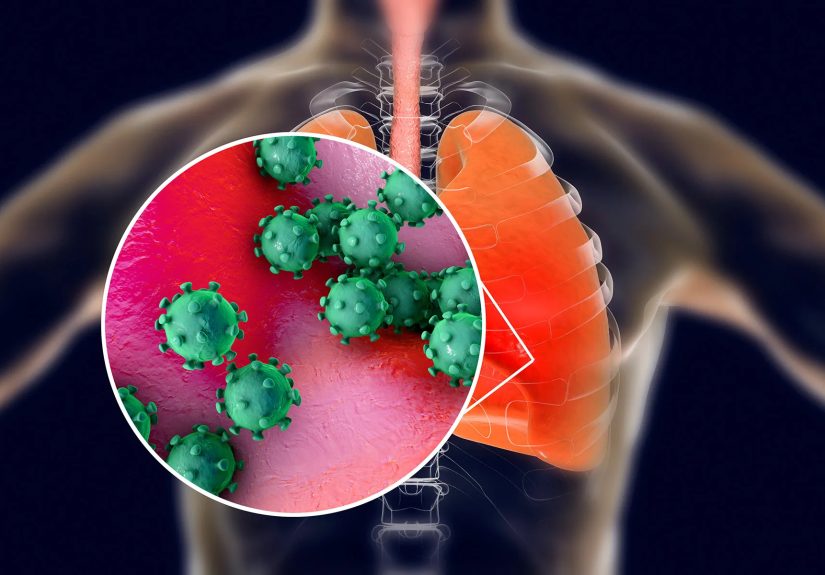
Adenoviruses are a large family of viruses that can infect several parts of the body, including the eyes, nose, throat, lungs, intestines, and urinary tract. An adenovirus infection simply means one of these viruses has found its way into your body and started replicating. Different types (or serotypes) of adenovirus prefer different tissues, which is why one person might have pink eye while another has a chest infection or stomach bug.
In healthy people, most adenovirus infections are mild and self-limited. They often look like a typical cold or a short-lived stomach flu. However, in babies, older adults, people with chronic heart or lung disease, or anyone with a weakened immune system, adenovirus can hit much harder and sometimes lead to severe complications like pneumonia, hepatitis, or inflammation of the brain.
How does adenovirus spread?
Adenoviruses are annoyingly good at getting from one person to another. They spread through several routes:
- Respiratory droplets: When someone coughs, sneezes, or even talks, tiny droplets carrying the virus can reach the nose, mouth, or eyes of nearby people.
- Direct contact: Touching an infected person’s hands or face, then touching your own face, can transfer the virus.
- Contaminated surfaces: Adenoviruses can survive on surfaces like doorknobs, toys, or countertops. Touching those surfaces and then rubbing your eyes or nose is a classic way to get infected.
- Stool and water: Some types spread through the fecal–oral route, especially in children who aren’t great at handwashing. Poorly chlorinated swimming pools or water parks have also been linked to outbreaks of adenoviral conjunctivitis.
Unlike some seasonal viruses, adenovirus can circulate all year round. There’s no “adenovirus season” you can just wait out.
Common symptoms of adenovirus infection
The symptoms of an adenovirus infection depend on which part of the body is infected. Let’s break it down by system.
Respiratory symptoms
When adenovirus hits the respiratory tract, the illness often looks like a common cold or flu-like infection. Typical symptoms may include:
- Runny or stuffy nose
- Sore throat or painful swallowing
- Cough (dry or productive)
- Fever and chills
- Headache and body aches
- Swollen lymph nodes in the neck
In some cases, especially in young children, older adults, or people with underlying conditions, the infection can progress to bronchitis or pneumonia. This can cause:
- Shortness of breath
- Chest pain or tightness
- Rapid breathing
- Persistent high fever
Eye symptoms (adenoviral conjunctivitis)
Adenovirus is a very common cause of viral pink eye. Eye-related symptoms may include:
- Red, irritated eyes
- Watery or sticky discharge
- Burning, itching, or gritty sensation (like sand in the eye)
- Swollen eyelids
- Sensitivity to light
Adenoviral conjunctivitis spreads quickly in households, schools, and workplaces. People often wake up with one red eye, then the other eye joins the party a day or two later.
Gastrointestinal symptoms
Certain adenovirus types love the gastrointestinal tract, especially in young children. Symptoms of adenoviral gastroenteritis can include:
- Watery diarrhea
- Vomiting
- Abdominal cramps
- Low-grade fever
- Poor appetite and fatigue
The biggest risk here is dehydration, particularly in infants and toddlers who lose a lot of fluid quickly and may not be able to tell you they’re thirsty.
Urinary and other less common symptoms
Adenoviruses can also infect the urinary tract, causing:
- Painful urination (burning sensation)
- Blood in the urine (hemorrhagic cystitis)
- Frequent urge to urinate
In rare but serious cases, adenovirus can lead to:
- Hepatitis (liver inflammation)
- Myocarditis (heart muscle inflammation)
- Encephalitis or meningoencephalitis (brain or brain-lining inflammation)
These complications are unusual in healthy people but more likely in those who are severely immunocompromised, such as transplant recipients or people undergoing intensive chemotherapy.
Who is at higher risk from adenovirus infection?
Most healthy adults and children will experience adenovirus as a short-lived and annoying, but not dangerous, illness. However, certain groups are more likely to develop severe disease, including:
- Infants and very young children
- Older adults
- People with weakened immune systems (for example, from cancer treatment, HIV, or immune-suppressing medications)
- Solid organ or stem cell transplant recipients
- People with chronic heart or lung disease
- Military recruits living in close quarters
Recognizing these risk factors helps clinicians decide who may need closer monitoring, earlier testing, or even specialized antiviral treatment in a hospital setting.
How is an adenovirus infection diagnosed?
For mild cases that look like a typical cold or pink eye, doctors usually don’t need to run specific tests. Supportive care is often enough. However, when symptoms are severe, prolonged, or affect high-risk patients, testing can be very helpful.
Common diagnostic tools include:
- PCR (polymerase chain reaction) tests: These highly sensitive tests look for adenovirus DNA in respiratory secretions, blood, stool, or other samples. PCR is now the standard for rapid diagnosis in many hospitals.
- Viral culture: Growing the virus in the lab is possible but slower, sometimes taking days to weeks, so it’s used less often.
- Antigen tests or serology: These can sometimes detect viral proteins or antibodies in blood but may be less sensitive and more useful in specific clinical contexts.
Your doctor will choose a test based on your symptoms, how sick you are, and whether the result will actually change your treatment plan.
Treatment for adenovirus infection
One of the key points about adenovirus treatment is that there is no widely approved, virus-specific antiviral medication for routine cases in otherwise healthy people. For most patients, treatment focuses on:
- Rest: Let your body spend its energy on the immune response.
- Hydration: Drink plenty of fluids; in cases of vomiting or diarrhea, oral rehydration solutions can be a lifesaver.
- Fever and pain relief: Over-the-counter medications like acetaminophen or ibuprofen (used as directed) can help reduce fever, headaches, and body aches.
- Symptom-specific relief: Saline nasal sprays, throat lozenges, or cool-mist humidifiers for respiratory symptoms; lubricating eye drops for mild conjunctivitis; and gentle skin care for irritation around the nose and eyes.
Antibiotics do not treat adenovirus, because it’s a viral infection. They are only used if there’s a proven bacterial complication (for example, bacterial pneumonia or ear infection on top of the viral illness).
Antiviral drugs for high-risk patients
In very sick or immunocompromised patients, doctors sometimes use antiviral drugs such as cidofovir or related medications off-label. These drugs target viral DNA replication, but they:
- Are generally reserved for severe or life-threatening infections (for example, in transplant recipients).
- Can have significant side effects, especially on the kidneys.
- Need careful dosing and monitoring by infectious disease specialists.
To be clear: this is not something you take at home for a typical adenovirus cold. These antivirals are specialized tools used in hospital settings when the risks of severe disease outweigh the potential side effects of the drugs.
Hospital care
People with severe adenovirus infection may need hospital support such as:
- Intravenous fluids for dehydration
- Oxygen therapy or mechanical ventilation for severe pneumonia or respiratory failure
- Intensive care monitoring
- Antiviral therapy in selected high-risk cases
The good news is that even in hospitalized patients, many recover completely with prompt, supportive care.
Is there a vaccine for adenovirus?
There is a vaccine for certain types of adenovirusspecifically types 4 and 7but it’s not for general public use. It is currently given primarily to military personnel in the United States because they live and train in close quarters where respiratory outbreaks can spread quickly.
For everyone else, prevention relies on everyday infection-control habits rather than a routine adenovirus shot.
Prevention: how to lower your risk
If you want to avoid “hosting” an adenovirus in your respiratory tract, eyes, or gut, the same basic habits that prevent colds and flu are your best defense:
- Wash your hands often: Use soap and water for at least 20 seconds, especially after using the bathroom, changing diapers, or being in public spaces.
- Avoid touching your face: Try not to rub your eyes or nose, particularly with unwashed hands.
- Disinfect high-touch surfaces: Clean doorknobs, light switches, smartphones, and toys regularly, especially if someone in the home is sick.
- Don’t share personal items: Avoid sharing towels, washcloths, eye makeup, or eye drops.
- Stay home when sick: If you have a fever, severe cough, or red, goopy eyes, staying home helps protect others.
- Pool hygiene: Make sure pools and hot tubs are properly maintained and chlorinated.
These simple steps may not make you invincible, but they significantly reduce your risk of adenovirus infection and many other viruses.
When should you see a doctor?
Call your healthcare provider if you or your child has suspected adenovirus infection and:
- A fever lasts more than a few days or is very high
- Breathing becomes difficult, fast, or labored
- You notice chest pain or bluish lips or face
- There are signs of dehydration (very dry mouth, few or no tears when crying, very little urine, dizziness)
- Symptoms suddenly worsen after initially improving
- Vision changes, severe eye pain, or intense light sensitivity occur with conjunctivitis
- You are pregnant, immunocompromised, or have a serious chronic illness and develop significant symptoms
Getting medical attention early can help catch complications before they become emergencies.
Real-life experiences with adenovirus infection
Facts and lab tests are important, but real life is where “infección por adenovirus: síntomas y tratamiento” actually becomes personal. While every case is unique, there are patterns in how people and families experience adenovirusand those patterns can teach us a lot.
The “just a cold” that wasn’t
Imagine a college student who starts with what seems like a simple cold: runny nose, mild sore throat, and a little cough. They keep going to class, hitting the gym, and staying up late. After a few days, the fever climbs, the cough deepens, and walking across campus leaves them surprisingly short of breath. A clinic visit and chest X-ray later, it’s clear they’re dealing with viral pneumonia, likely from adenovirus.
The lesson here? Listen to your body’s volume knob. If symptoms suddenly get louderhigher fever, more pain, more shortness of breathdon’t write it off as “just a cold.” Adenovirus can escalate, especially if you’re pushing yourself instead of resting.
The family pink-eye chain reaction
In another common scenario, a preschooler comes home with one red, watery eye and a note from daycare about “viral conjunctivitis going around.” Within a week, both parents and an older sibling have red, itchy eyes too, plus some mild cold symptoms.
Many families report that the hardest part isn’t the pain (though it’s uncomfortable) but the inconvenience: staying home from work or school, doing extra laundry, constantly washing pillowcases and towels, and trying not to touch their own eyes every five seconds.
Practical tips from these experiences include:
- Assign separate towels and washcloths to each family member.
- Wash pillowcases frequently during the infectious phase.
- Remind kids (and adults) not to rub their eyeseasier said than done, but worth repeating.
- Use lubricating eye drops (as advised by a doctor) to ease that “sand in the eye” feeling.
When adenovirus meets a fragile immune system
For transplant patients or people on strong immunosuppressive medications, adenovirus can be much more than a nuisance. One real-world pattern clinicians often describe is a seemingly small symptomlike a low-grade fever and mild coughthat gradually turns into multi-organ involvement, such as pneumonia, gastrointestinal symptoms, or liver inflammation.
These patients often share the same key lesson: communicate early and often with your care team. Many transplant programs instruct patients to call for any fever, even a low one. That might feel dramatic, but for someone with a fragile immune system, prompt evaluation can be lifesaving.
From an experience standpoint, this usually means:
- Keeping a thermometer handy and actually using it
- Having a clear “who to call” number for nights and weekends
- Packing a small “go bag” with essentials in case a hospital visit turns into an admission
- Staying mentally prepared for the possibility of IV medications and longer monitoring
Practical home-care strategies that people actually use
People who have been through adenovirus infections often develop a personal toolkit for symptom relief. While everyone’s preferences differ, some frequently mentioned strategies include:
- Hydration with a plan: Setting a timer to sip water or oral rehydration solution every 15–20 minutes, especially when appetite is low or there’s diarrhea.
- Room “micro-climate” control: Using a cool-mist humidifier, keeping the room comfortably cool, and raising the head of the bed slightly to ease congestion and coughing at night.
- Gentle routines: Instead of trying to “power through” with normal work or school, people often describe creating a lighter schedule: short periods of activity followed by rest.
- Comfort food strategy: For stomach symptoms, many find bland foods (like toast, rice, bananas, or applesauce) more tolerable, while others focus on broths and soups.
Parents also mention using visual tools for kids, like “water charts” to track drinks or sticker charts for handwashing, turning prevention and hydration into a game instead of a chore.
Emotional side: from worry to confidence
Health information often focuses on lungs, eyes, and intestines, but there’s also an emotional side to adenovirus infection. Parents may worry about every fever spike. Patients with chronic conditions may fear any infection will spiral. Even healthy adults can feel frustrated when a “simple virus” knocks them out for a week.
What helps many people is understanding a few key truths:
- Most adenovirus infections are self-limited and resolve with supportive care.
- Knowing the warning signs of complications helps you act early instead of panicking late.
- Simple, consistent prevention habits really do reduce spreadespecially handwashing and not sharing personal items.
- Asking your healthcare provider questions is not “bothering” them; it’s part of good care.
When you combine good information with real-life experience, “infección por adenovirus: síntomas y tratamiento” becomes less of a mystery and more of a manageable challengeone you and your family can face with clarity and confidence.