Table of Contents >> Show >> Hide
- What Is Uber One?
- How Much Does Uber One Cost?
- What Benefits Actually Matter?
- When Is Uber One Worth It?
- When Uber One Is Probably Not Worth It
- The Fine Print You Should Not Ignore
- Can You Lower the Cost of Uber One Even More?
- Uber One vs. Just Ordering Without It
- So, Is Uber One Worth It?
- Real-World Experiences: What Uber One Feels Like in Everyday Life
- Conclusion
Subscriptions have quietly taken over modern life. We subscribe to movies, music, cloud storage, meal kits, and somehow, possibly, socks. So when Uber offers Uber One, it is fair to ask the obvious question: is Uber One worth it, or is it just another monthly charge sneaking into your budget like a raccoon in the trash?
The honest answer is that Uber One can be a very good deal, but only for the right kind of user. If you regularly order from Uber Eats, take Uber rides more than occasionally, or do both in the same month, the membership can pay for itself surprisingly fast. If you open the app once every blue moon when your car is in the shop and your fridge looks emotionally unavailable, then no, you probably do not need it.
This guide breaks down Uber One membership cost, benefits, limitations, real-world value, and who should sign up. We will also do the math, because feelings are great, but subscription math is what keeps your wallet from filing a complaint.
What Is Uber One?
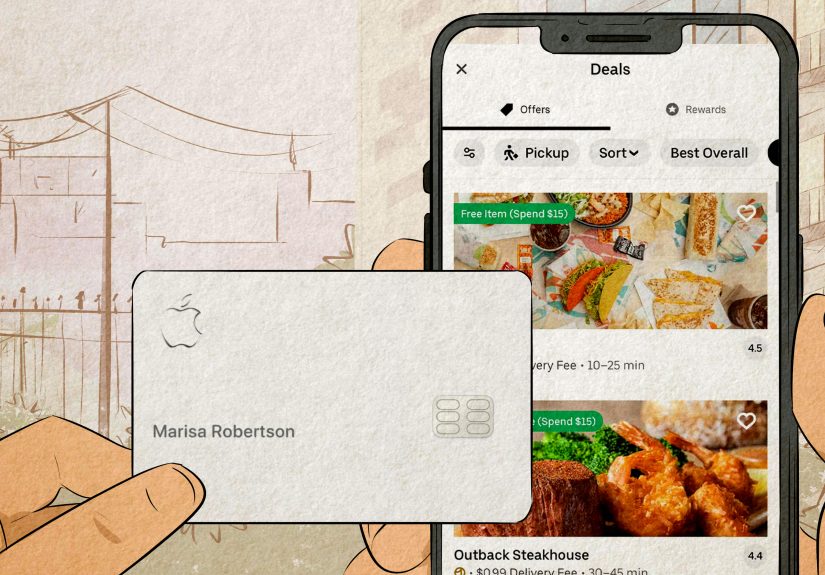
Uber One is Uber’s paid membership program for both Uber rides and Uber Eats orders. In the U.S., the standard plan is typically $9.99 per month, and Uber has also listed an annual plan at $96, which lowers the effective monthly cost if you know you will use it year-round.
At a high level, Uber One is designed to reward people who use the app repeatedly. Instead of a one-time coupon or the occasional promo code that disappears faster than your fries, the subscription bundles together ongoing perks. These generally include:
- $0 Delivery Fee on eligible food, grocery, and other orders over the minimum subtotal
- Discounts on eligible delivery and pickup orders
- Uber One credits on eligible rides, often highlighted as 6% back
- Automatic surge savings during higher-demand ride periods
- Top-rated drivers and couriers, where available
- Exclusive member offers and promotions
Uber has also promoted extra perks such as 10% Uber One credits on car rentals booked through Uber. The catch, and there is always a catch wearing a polite name tag, is that these benefits apply only to eligible rides and merchants marked with the Uber One icon. That matters more than most people expect.
How Much Does Uber One Cost?
The standard pricing is simple on paper:
- Monthly plan: $9.99
- Annual plan: $96
The annual plan effectively brings the cost down to about $8 per month, so it is the better value if you already know Uber is part of your regular routine. If you are not sure, the monthly plan is safer because it gives you flexibility and makes it easier to test the service without making a longer commitment.
Uber also has a student version in the U.S. for eligible users, usually listed at $4.99 per month or $48 per year. That changes the value equation quite a bit. At that price, even moderate use can make Uber One look a lot more appealing.
What Benefits Actually Matter?
1. $0 Delivery Fee on eligible orders
This is the perk most people notice first. Delivery fees are not always huge, but they add up quickly if you order multiple times a month. A few waived fees can cover a big chunk of the membership cost before you even get into ride savings.
That said, “free delivery” does not mean “free everything.” Taxes still apply. Other charges may still apply. Priority delivery and long-distance delivery may still cost extra. And order minimums matter. In other words, Uber One reduces friction, but it does not magically teleport tacos to your door for free out of pure corporate kindness.
2. Discounts on eligible orders
Uber markets discounted food, grocery, and pickup orders as a core part of the membership. Depending on the merchant and offer, the savings can be meaningful, especially for larger family orders or grocery runs. This is one reason Uber One often makes more sense for households than for solo users who order one coffee and a muffin like they are starring in an indie film.
3. Ride savings and Uber One credits
Uber has highlighted 6% back in Uber One credits on eligible rides, along with access to top-rated drivers. Those credits can be useful if you ride often enough to redeem them before they expire. Uber notes that these credits are generally added after eligible rides are completed and can expire after a set period, so they are most valuable to active users, not once-a-quarter riders.
4. Automatic surge savings
This is one of the more interesting features because surge pricing is exactly when people feel the most pain. If you commute, travel to airports, or frequently request rides during busy hours, automatic surge savings can quietly add real value. You may not notice it every trip, but over time it can make the membership more worthwhile than the headline marketing suggests.
5. Member-only promotions
Exclusive offers are the wildcard benefit. Some are genuinely helpful. Some are the digital equivalent of being handed a coupon for kale chips when you wanted sushi. Still, frequent users who check the app regularly can squeeze extra value out of these promos.
When Is Uber One Worth It?
Uber One is worth it for people who use Uber or Uber Eats consistently. The math is not complicated, which is nice because subscription math usually arrives disguised as confusion.
If your membership costs $9.99 per month, you need about $10 in monthly savings to break even. That can happen in several ways:
- A handful of delivery fees waived in one month
- One or two decent-size food or grocery orders with member discounts
- Regular rides that generate enough Uber One credits
- A mix of Eats and rides, which is where the membership tends to shine
For example, if you place several delivery orders per month, avoiding delivery fees alone may cover most or all of the cost. If you also take rides to the airport, to work, or on weekends, the ride credits and surge savings can tip the balance further in your favor.
The annual plan is even easier to justify if you are already a frequent user. At roughly $8 per month, the break-even point is lower, so the value can show up faster.
When Uber One Is Probably Not Worth It
Not every subscription deserves a place in your budget, and Uber One is no exception.
You may want to skip it if:
- You only use Uber a few times a year
- You rarely order delivery
- You usually choose the cheapest option and compare prices across apps
- You live in an area where few restaurants or stores show the Uber One icon
- You are already overloaded with overlapping benefits from other delivery memberships
This last point matters. If you already pay for a competing food delivery subscription and mostly use that platform, adding Uber One can be redundant. Saving money on an app you barely open is a lot like buying a gym membership for your toaster. The idea has energy, but the execution is weak.
The Fine Print You Should Not Ignore
Eligible merchants only
Uber One benefits do not apply everywhere. The best restaurants or stores in your area may not participate. Before signing up, it is smart to open the app and see how many places you actually order from that carry the Uber One badge.
Order minimums
The $0 Delivery Fee and some discounts require a minimum subtotal. If your typical order is small, your real savings may be lower than you expect.
Credits are not the same as cash
Ride rewards often come back as Uber One credits, not cash in your bank account. That means the value is best for people who continue using Uber regularly. If you stop using the platform, those credits do not feel nearly as exciting.
Auto-renewal
Uber One renews automatically unless you cancel. Uber says you can cancel anytime, but the timing matters. To avoid the next billing cycle, do not wait until the last possible second and then act surprised when your app behaves like an app.
Can You Lower the Cost of Uber One Even More?
Yes, and this is where things get interesting. Some users can stack outside benefits on top of the membership.
Examples include:
- Student pricing for eligible users
- Costco-related annual discount offers that have been promoted through Uber partnerships
- American Express Platinum benefits, which recent U.S. coverage says can offset an auto-renewing Uber One membership with up to $120 in annual statement credits, plus separate Uber Cash benefits in the U.S.
- Limited-time Delta SkyMiles American Express offers tied to Uber One monthly membership credits
If one of these applies to you, Uber One becomes much easier to justify. In some cases, the membership cost is partially or fully offset, turning the question from “Is Uber One worth it?” into “Why am I still paying full price for takeout like it is 2019?”
Uber One vs. Just Ordering Without It
If you are deciding whether to subscribe, compare your real habits, not your aspirational fantasy self. Your fantasy self meal-preps, uses public transit, and walks everywhere in stylish sneakers. Your actual self may order pad thai on Thursday and call a ride on Saturday.
Here is the practical difference:
- Without Uber One: you pay standard fees, standard pricing, and get fewer built-in discounts
- With Uber One: you get ongoing member perks, but only if you use them enough to offset the monthly cost
If you are already spending on Uber every month, Uber One can turn routine transactions into modest recurring savings. It will not revolutionize your finances, but it may reduce the sting of convenience spending.
So, Is Uber One Worth It?
Yes, Uber One is worth it for frequent Uber and Uber Eats users. It is especially valuable for people who order delivery several times a month, take rides regularly, or combine both. The annual plan offers stronger value than the monthly option, and student or partner discounts can make the deal even better.
No, Uber One is not worth it for occasional users. If you use Uber only once in a while, the savings may never catch up to the subscription cost. In that case, the smartest move is to stay flexible, use promos when they appear, and keep your monthly expenses from growing extra teeth.
The best way to decide is simple: check your last one to three months of Uber and Uber Eats history. If you can easily spot more than the monthly membership fee in potential savings, Uber One is probably a good fit. If not, let it pass and spend the ten bucks on something with immediate emotional return, like dumplings.
Real-World Experiences: What Uber One Feels Like in Everyday Life
For a city commuter, Uber One often feels less like a luxury and more like background savings. Imagine someone who uses Uber for a couple of office commutes during bad weather, adds one airport ride every month, and orders dinner twice on busy workweeks. This user may not think of themselves as a “heavy Uber person,” but the savings stack quietly. One waived delivery fee here, some ride credits there, and a little relief during surge pricing can make the subscription feel surprisingly reasonable. For this kind of user, Uber One is not flashy. It is just consistently useful.
Now consider the weekend convenience user. This person cooks during the week, but by Friday their kitchen has become an emotionally abandoned zone. They use Uber Eats for takeout, maybe place a grocery order on Sunday, and occasionally call an Uber after dinner with friends. Their experience with Uber One is usually positive if they remember to use the participating merchants. If they ignore the Uber One badge and order from random places, the membership feels weaker. If they order strategically, it starts looking like one of those rare subscriptions that does not inspire monthly regret.
Families and shared households often get the most obvious value. Larger orders make order discounts feel more substantial, and multiple delivery requests in a month can wipe out the membership cost quickly. A household that uses Uber Eats for group dinners, convenience items, and the occasional “we forgot breakfast food” emergency run may see Uber One as a stress-reduction tool as much as a savings tool. The time saved matters, the delivery fee savings matter, and nobody has to pretend there is enough milk left for tomorrow.
Students are another interesting case, especially with discounted student pricing. A student using Uber for late-night rides, campus-area food delivery, and grocery orders can get real value without needing huge monthly spending. At the lower membership price, the break-even point drops fast. The main risk is lifestyle creep: once discounted convenience becomes easy, it can become very easy. Uber One may save money compared with standard pricing, but it can still encourage more ordering than planned. That is less a flaw in the membership and more a flaw in human beings around mozzarella sticks.
Then there is the occasional traveler or rare user. This person opens Uber mainly for airport trips, maybe one vacation, and the odd restaurant order during a chaotic week. Their experience with Uber One is often underwhelming. The benefits are real, but the volume is too low. They may love the idea of membership perks, yet still end up paying for a service they do not use enough. For them, the best experience is usually no subscription at all, just selective use and an occasional promo code when fortune smiles.
Conclusion
Uber One is not a scam, not a miracle, and not a personality trait. It is a practical subscription with clear strengths and equally clear limits. If you are already paying for convenience through rides and delivery, Uber One can trim those costs and make the app more rewarding. If you are an occasional user, it is probably just another recurring charge dressed up in gold branding.
The good news is that the decision is easy to test. Review your recent Uber spending, compare it to the membership cost, and be honest about how often you actually use the app. That answer is worth more than any ad copy. In the end, Uber One is worth it when your habits match the membership. And if they do not, you can skip it without losing sleep, unless you ordered espresso at 9 p.m., which is a separate issue entirely.