Table of Contents >> Show >> Hide
- What “Neutropenic” Means (In Plain English)
- When Neutropenic Precautions Matter Most
- The Big Three: The Most Important Precautions
- Home & Daily-Life Precautions That Actually Help
- Food Safety: The Part Everyone Debates (Here’s the Practical Truth)
- Pets, Plants, and the Great Outdoors
- Hospital Neutropenic Precautions: What to Expect
- Vaccines, Travel, and Social Life (Yes, You Can Still Have One)
- When to Call Your Care Team Immediately
- A Simple “Neutropenic Day” Checklist
- Conclusion
- Real-World Experiences & Practical Tips (The Stuff People Wish They’d Known)
- Experience #1: The “I feel fine… so why all the rules?” moment
- Experience #2: The visitor script that saves your sanity
- Experience #3: Food anxiety is realso make “safe” still feel normal
- Experience #4: The “hand hygiene everywhere” habit that actually sticks
- Experience #5: Temperature checks feel scaryuntil they feel empowering
- Experience #6: The emotional sidefeeling isolated is common
- Experience #7: Small wins matter (and they’re allowed)
If your care team has ever said the words “you’re neutropenic,” you’ve basically been handed a temporary VIP pass to
the world’s least fun club: the “Please Don’t Let Me Catch Anything” society. The good news is that
neutropenic precautions are not about living in a bubble or wearing a hazmat suit to check your mail. They’re about
making smart, practical changes that reduce infection risk while your immune system is running a little low on staff.
This guide breaks down what neutropenia means, why precautions matter, what actually helps, and how to protect your
day-to-day life (without turning your home into a sterile laboratory).
What “Neutropenic” Means (In Plain English)
Neutrophils are a type of white blood cell that help your body fight bacteria and fungi. When neutrophil levels drop,
you have neutropenia, which makes infections more likelyand sometimes harder to spot early.
Why infections can get serious fast
With neutropenia, your body may not react to germs the usual way. That means an infection can escalate quickly, and
you may not get the classic warning signs (like redness or pus). Often, the first big clue is a fever.
Common causes
- Cancer treatments like chemotherapy and radiation
- Bone marrow or stem cell transplant
- Certain medications that suppress bone marrow
- Some autoimmune conditions or infections
When Neutropenic Precautions Matter Most
Not every low white count requires the same level of precautions. Your healthcare team may base guidance on your
absolute neutrophil count (ANC), how long it’s expected to stay low, and your overall risk factors.
In general, risk of serious infection increases as ANC drops, especially at very low levels. If your team says you
need “neutropenic precautions,” take that as a clear signal that prevention is part of treatment.
The Big Three: The Most Important Precautions
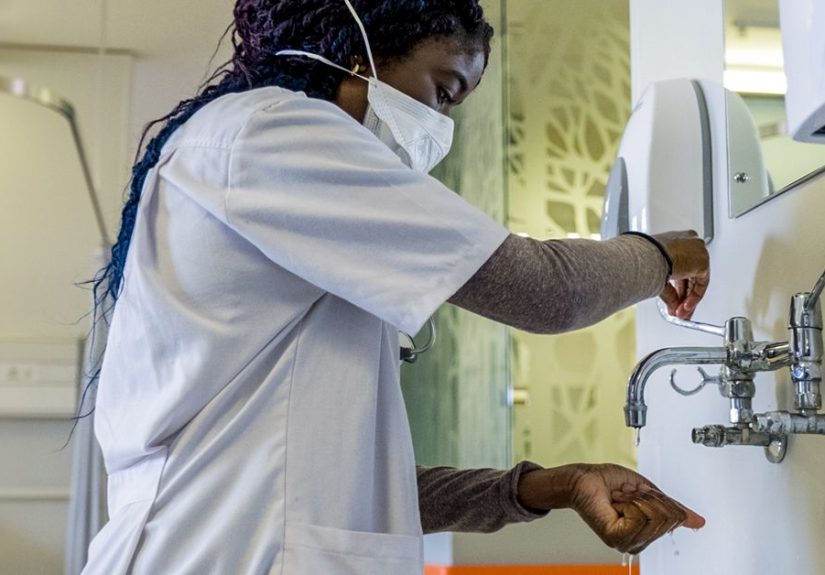
1) Hand hygiene: your #1 superpower
If neutropenic precautions had a mascot, it would be a bottle of hand sanitizer wearing a cape.
Clean hands are the single most effective infection prevention step.
- Wash with soap and water for at least 20 secondsespecially before eating and after using the bathroom.
- Use alcohol-based hand sanitizer when soap and water aren’t available.
- Ask visitors to clean their hands the moment they arrive (yes, even your favorite aunt).
2) Fever rules: know your “call now” number
During neutropenia, fever can be an emergency. Many patient education resources use thresholds like:
100.4°F (38°C) (especially if it lasts) or a one-time higher temperature that your team may define.
The exact action plan can vary by clinicso follow your care team’s instructions first.
Bottom line: if you’re neutropenic and you have a fever or signs of infection, don’t wait it out.
Call your oncology line or go where your team told you to go.
3) Avoid germs (without avoiding life)
You don’t need to fear the outdoors. You do need to reduce exposure to sick people and high-risk settings.
- Avoid close contact with anyone who’s sick (coughing, feverish, “I think it’s allergies,” etc.).
- Skip crowded indoor spaces when counts are very lowespecially during peak respiratory virus seasons.
- Ask your care team if wearing a mask in certain places is recommended for you.
- Keep your distance from people who have recently received certain live vaccines if your team advises it.
Home & Daily-Life Precautions That Actually Help
Personal care: clean, moisturized, and gently protected
- Daily bathing or showering helps reduce bacteria on your skin.
- Use lotion to prevent dry, cracked skin (cracks are tiny “open doors” for germs).
- Keep nails trimmed; avoid cutting cuticles.
- Use an electric razor if you’re prone to nicks.
Mouth care: your mouth is not just for snacks
Mouth sores and gum irritation can become infection entry points. Many cancer care organizations emphasize consistent
oral hygiene and regular guidance from your team.
- Brush gently with a soft toothbrush at least twice daily.
- Ask about mouth rinses if you’re prone to sores.
- Call your team for new mouth pain, sores, or white patches.
Wounds and skin: “clean and covered” is the vibe
- Wash cuts promptly with soap and water, keep them clean and dry.
- Watch for warmth, swelling, or increasing pain.
- Avoid squeezing pimples or picking at skin (your future self will thank you).
Cleaning: focus on high-touch areas, not perfection
You don’t need to disinfect every molecule in your home. Aim for reasonable, repeatable habits:
- Wipe down frequently touched surfaces (phones, remotes, door handles, faucet handles).
- Keep kitchen and bathroom surfaces clean and dry.
- Use gloves for harsh cleaners if they irritate your skin.
Visitors: set rules before you need them
It’s easier to say, “We’re doing a health-protection plan right now” than to negotiate while someone is actively
sneezing on your couch.
- Visitors must be healthy (no exceptions, even if they “already drove 40 minutes”).
- Hand hygiene at the door.
- Consider limiting the number of visitors at a time if your counts are very low.
Food Safety: The Part Everyone Debates (Here’s the Practical Truth)
Food safety matters for everyone, but it’s especially important when you’re neutropenic. The goal
is to reduce exposure to harmful bacteria and parasites that can sneak into undercooked foods or poorly handled items.
Core food rules that most experts agree on
- Cook meat, poultry, fish, and eggs thoroughly. Avoid raw or undercooked versions.
- Avoid unpasteurized milk, juices, ciders, and products made from unpasteurized dairy.
- Wash fruits and vegetables well before eating or cooking.
- Keep hot foods hot and cold foods cold; refrigerate leftovers promptly.
- Avoid salad bars, buffets, and potlucks when you’re at highest risk (too many hands, too much mystery).
So… do you need a “neutropenic diet”?
Here’s where nuance matters. Many cancer centers used to recommend strict “neutropenic diets” that eliminated many
raw fruits and vegetables. More recent guidance from nutrition and oncology sources often emphasizes
safe food handling over broad restrictions, because evidence for strict low-microbial diets reducing
infection risk is mixed.
What should you do with that information? Simple:
follow your care team’s instructions. Some patients (especially transplant patients or those with
specific risk profiles) may need stricter guidance. Others may focus on careful washing, smart choices, and avoiding
the highest-risk foods.
High-risk foods to be extra cautious with
- Raw sprouts (they’re basically a spa resort for bacteria)
- Unwashed produce and bagged salads that aren’t properly washed
- Raw sushi, oysters, and undercooked seafood
- Soft mold-ripened cheeses (unless your team says otherwise)
- Deli meats unless heated until steaming hot (based on your care guidance)
Pets, Plants, and the Great Outdoors
Pets: you can cuddle, just be smart
Pets bring comfortand also germs. You don’t have to rehome your dog. You just need precautions.
- Wash hands after touching pets, especially before eating.
- Avoid cleaning litter boxes, bird cages, fish tanks, and pet waste if possible; ask someone else to handle it.
- Avoid scratches and bites; clean any skin breaks promptly.
- Keep pets up to date on veterinary care.
Gardening and soil: gloves are your best friend
Soil can contain organisms that are harmless to most people but risky during neutropenia. If you garden:
- Wear gloves.
- Avoid digging in soil or handling mulch if your team advises against it during very low counts.
- Wash hands and change clothes after outdoor work.
Hospital Neutropenic Precautions: What to Expect
If you’re admitted or visiting an infusion center while neutropenic, you might see steps like:
- Staff and visitors doing extra hand hygiene
- Visitor screening (no sick visitors)
- Protective masks in certain settings (based on facility policies and your risk level)
- Special instructions for food, flowers/plants, or room traffic in high-risk units
Vaccines, Travel, and Social Life (Yes, You Can Still Have One)
Vaccines
Vaccines can be important for protection, but timing and type matter during cancer treatment or significant immune
suppression. Your care team should guide youespecially regarding live vaccines and household contacts’ vaccines.
Travel
- Bring a thermometer and your clinic’s after-hours number.
- Plan for clean food and water choices.
- Consider avoiding crowded indoor transportation during very low counts (or use precautions advised by your team).
School/work
Some people continue work or school with modifications; others need time away. A practical approach:
reduce exposure to illness, improve hand hygiene, and communicate boundaries early.
When to Call Your Care Team Immediately
Your clinic’s exact instructions come first, but common “call now” triggers during neutropenia include:
- Fever at or above the threshold your team provided (often around 100.4°F / 38°C)
- Chills, sweats, or feeling suddenly unwell
- Shortness of breath, new cough, sore throat
- Burning with urination or new urinary symptoms
- New mouth sores, severe mouth pain, or trouble swallowing
- Redness, swelling, drainage, or increasing pain around a wound or catheter
A Simple “Neutropenic Day” Checklist
- Morning: take your temperature if instructed; shower; gentle mouth care.
- Meals: clean hands; safe food choices; wash produce; avoid risky foods.
- Outings: avoid sick contacts; consider precautions for crowds; keep sanitizer handy.
- Home: wipe high-touch surfaces; keep skin moisturized; handle cuts promptly.
- Evening: review symptoms; know who to call and where to go if fever appears.
Conclusion
Neutropenic precautions aren’t about panicthey’re about probability. You’re temporarily lowering
the odds of infection while your immune system recovers. Focus on what moves the needle: hand hygiene, fever readiness,
safer food handling, and smarter exposure choices. If you’re ever unsure whether a symptom is “a big deal,” treat it
like it is and contact your care team. In neutropenia, early action is not overreactingit’s good strategy.
Real-World Experiences & Practical Tips (The Stuff People Wish They’d Known)
If you ask people who’ve lived through neutropenia what surprised them most, the answer is rarely “the science.”
It’s usually the day-to-day friction: the awkward visitor conversations, the weirdly emotional
moment when you realize you miss salad bars (why, though?), and the constant decision-making about what’s “safe enough.”
While everyone’s situation is different, there are common experiences patients and caregivers often describeand
learning from them can make your own routine easier.
Experience #1: The “I feel fine… so why all the rules?” moment
Many people feel okay even when their counts are low, which can make precautions feel optional. The trick is to think
of precautions like a seatbelt: you wear it because you don’t expect trouble, not because you do. People often
say it helped to reframe precautions as “temporary training wheels” rather than a life sentence.
Experience #2: The visitor script that saves your sanity
Patients commonly report that the hardest part isn’t avoiding germsit’s avoiding hurt feelings. A simple script can
help:
“My immune system is low right now. If you’ve had any symptoms or were around someone sick, let’s reschedule.
I really want to see you when it’s safe.”
Most people respond well when they understand it’s about protection, not rejection. Some families even set up a “text
first” rule so visitors confirm they’re symptom-free before stopping by.
Experience #3: Food anxiety is realso make “safe” still feel normal
Food rules can turn meals into a stress test. People often say it helps to build a short list of “default safe meals”
that are both comforting and low-effort: well-cooked eggs, oatmeal, soups brought to a safe temperature, roasted
vegetables, cooked grains, baked chicken or fish, yogurt made from pasteurized milk, and fruit that’s washed well (or
peeled if that’s what your team recommends). The goal is to reduce decision fatigue. You shouldn’t need a committee
meeting every time you want lunch.
Experience #4: The “hand hygiene everywhere” habit that actually sticks
Patients often say they became consistent with hand hygiene once they placed supplies where life happens:
a sanitizer bottle by the front door, in the car, next to the bed, and in the kitchen. If it’s out of reach, it’s out
of mind. If it’s within reach, it becomes automaticlike checking your phone (except far more useful).
Experience #5: Temperature checks feel scaryuntil they feel empowering
Taking your temperature can feel like waiting for bad news. But many people report that it eventually becomes a
reassurance tool: “I’m okay right now.” The key is to have a plan attached to the number. Keep your clinic’s after-hours
instructions visible (on your fridge, saved in your phone, written on a card in your wallet). When you’re tired or
stressed, you don’t want to hunt for instructions like you’re playing a game show called Where Did I Put That Paper?
Experience #6: The emotional sidefeeling isolated is common
Even with supportive people around you, neutropenia can feel isolating because the world suddenly looks like a germy
obstacle course. Many people find it helps to plan “safe connection” on purpose: video calls, outdoor meetups when
appropriate, short visits with healthy friends, or doing something enjoyable at home that marks time (a movie night,
a puzzle, a new hobby). Protection shouldn’t mean your life becomes only precautions. If you’re struggling emotionally,
tell your care teamsupport services exist for a reason.
Experience #7: Small wins matter (and they’re allowed)
People often say the best mindset shift was celebrating what they can do: taking a short walk, cooking a good
meal, keeping up with mouth care, or successfully setting boundaries with visitors. Neutropenic precautions are not a
perfection contest. They’re a set of habits that tilt the odds in your favor, one reasonable decision at a time.
If you remember only one “experience-based” tip, make it this: build routines that are sustainable.
You’re more protected by the precautions you can do every day than the ones you attempt once in a burst of motivation.
Ask your team what matters most for your situation, focus on those, and let everything else be “nice-to-have.”