Table of Contents >> Show >> Hide
Every few years, the internet announces that another everyday object is dead. Cash is finished. Print books are over. Wired headphones belong in a museum. Paper maps are apparently only for dads who still say, “We’ll get there when we get there.” And yet, somehow, these allegedly obsolete things keep refusing to go quietly.
That is because “obsolete” and “useless” are not the same word. Sometimes the newer option is faster, flashier, or better connected. Sometimes it is also more distracting, more fragile, more expensive, or more annoying. A surprising number of old-school tools keep winning because they are simple, tactile, durable, and gloriously bad at asking for software updates.
From analog habits to vintage tech, people still hang on to what works. Not because they are anti-progress, but because they have learned a basic truth of modern life: convenience is wonderful until it becomes complicated. Then suddenly the “old” solution starts looking pretty smart.
Why So-Called Obsolete Things Still Matter
There is a reason outdated items and old technology still inspire fierce loyalty. Some people love the physical feel of books, records, or handwritten notes. Others trust tools that do one job very well and do not beg to be paired with Bluetooth. In many cases, analog tools also double as backup systems. A paper map still works when your phone battery dies. Cash still works when a card reader throws a tiny electronic tantrum. A basic alarm clock does not lure you into checking messages at 1:12 a.m. for “just one second.”
In other words, these objects survive because they solve real problems. They are not relics. They are specialists.
35 “Obsolete” Things People Still Swear By
Paper, Print, and Other Beautifully Unplugged Tools
- Print books They do not buzz, glow, or tempt you with twenty-seven open tabs. They just sit there and let you read like a civilized mammal.
- Paper notebooks Quick, flexible, and impossible to crash during a meeting. Also excellent for doodling during meetings that should have been emails.
- Paper planners Some people remember things better when they write them down. A planner turns your schedule into something your brain can actually see.
- Sticky notes Tiny squares of chaos, yes. But they are also fast, visual, and harder to ignore than a digital reminder dismissed in half a second.
- Wall calendars One glance and the whole month is there. No swiping, pinching, tapping, or muttering required.
- Printed recipes Your grandmother did not need a tablet with 12% battery to make a roast. One splatter-friendly sheet of paper can still beat a smudged phone screen.
- Cookbooks They are part instruction manual, part family archive, part food-stained evidence of a life well lived.
- Printed photos A printed picture cannot vanish because a cloud account got weird. It just exists, quietly outliving your password problems.
- Greeting cards Text messages are convenient. Cards, however, can be held, saved, and rediscovered years later in a shoebox of feelings.
- Physical newspapers For some readers, ink on paper still feels less frantic and more intentional than doom-scrolling headlines before breakfast.
Old Technology That Refuses to Retire
- Wired headphones No charging, no pairing, no mysterious dropouts. You plug them in, and they do the thing. Every time.
- Aux cords The humble cable remains the peace treaty between generations, devices, and car stereos with trust issues.
- FM/AM radio Streaming is great, but radio still wins at local news, traffic, weather, and that weirdly comforting voice of a real human host.
- CDs People still like owning music they can play without licensing drama, disappearing catalogs, or ads for mattresses.
- Vinyl records Yes, they are bulky. Yes, they crackle. That is part of the charm. Listening becomes an event instead of background wallpaper.
- DVDs and Blu-rays Physical media fans know a painful truth: movies on streaming services have a habit of vanishing just when you finally want to watch them.
- Desktop computers For heavy work, real keyboards, big screens, and upgradeable parts still beat trying to do serious tasks hunched over a tiny device.
- Computer mice Trackpads are fine until precision matters. Then the mouse returns like a seasoned professional.
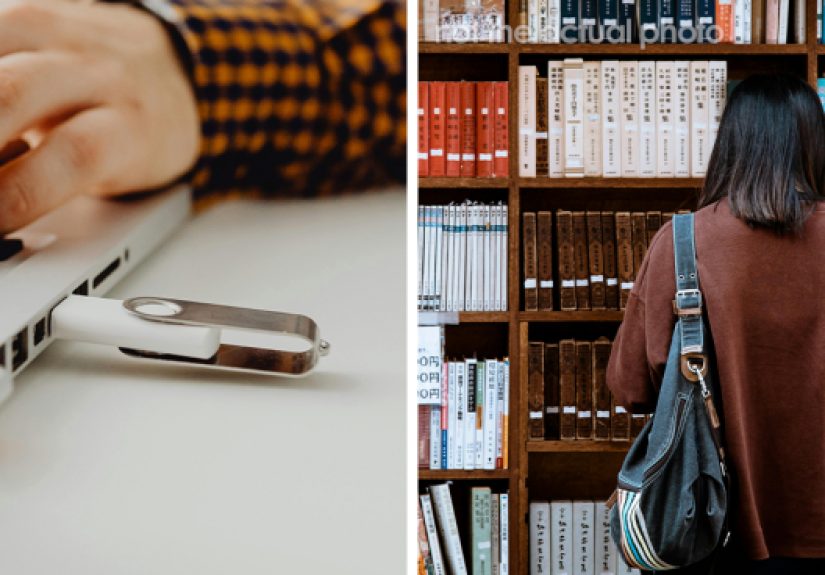
- USB flash drives The cloud is handy, but a flash drive is still the fastest answer when Wi-Fi decides to become performance art.
- SD and microSD cards Photographers, gamers, and practical people keep them around because local storage is still a beautiful thing.
Practical Everyday Stuff That Still Beats the “Smart” Version
- Cash Universally understood, instantly final, and weirdly good at making you notice what you are spending.
- Paper checks Slow? Absolutely. Gone? Not even close. In certain situations, they still solve problems digital payments do not solve neatly.
- Paper maps No signal required. No battery anxiety. Also helpful for settling arguments that begin with “I swear it was the other exit.”
- Standalone alarm clocks A small bedside hero that wakes you up without inviting the entire internet into your pillow zone.
- Basic wristwatches Sometimes people just want the time, not biometric analysis and six reminders to stand up.
- Flashlights with actual batteries When the power goes out, nobody wants to discover that the emergency flashlight also needed charging.
- Physical keys Smart locks are neat until the app stalls, the battery dies, or the firmware decides to explore new frontiers.
- Buttons and knobs in cars Drivers often prefer controls they can feel without taking their eyes off the road. Revolutionary concept, honestly.
- Basic remote controls They are ugly little rectangles of power, and they know exactly what they are here to do.
- Landlines Rare now, sure, but some homes and businesses still trust them for reliability, familiarity, and emergency backup.
The Comfort Objects of Competent Adults
- Handwritten to-do lists Crossing off a task on paper delivers a tiny emotional fireworks show that digital apps rarely match.
- Mechanical pencils Reliable, refillable, and suspiciously satisfying. A good pencil makes people feel weirdly capable.
- Filing cabinets Not glamorous, but highly effective. Some documents still feel safer when they exist somewhere that cannot be hacked.
- Printed manuals When setting up something annoying, a paper manual is easier than hopping between tabs while pretending not to be confused.
- Film cameras They slow people down, make each shot count, and turn photography back into a craft instead of a burst-mode accident.
What These Old-School Favorites Get Right
The common thread is not nostalgia alone. It is reliability. People keep old technology and analog tools because they perform consistently under real-world conditions. A wired connection is often simpler than a wireless one. A printed page can be easier to focus on than a glowing screen. Physical ownership still matters when subscriptions pile up and digital access depends on licenses, batteries, networks, or logins.
There is also a sensory argument. Paper, vinyl, mechanical buttons, and handwritten notes create friction in the best sense of the word. They make you slow down just enough to pay attention. That tactile quality matters more than tech evangelists like to admit. Human beings are not brains floating in jars. We like texture. We like certainty. We like hearing a drawer close, a page turn, a key click, a record drop, a pen scratch. Sometimes usability is emotional as much as technical.
And then there is the trust factor. “Smart” products promise seamless living, but many people have noticed that “seamless” can quickly become “why am I troubleshooting my refrigerator?” Old-school tools survive because they are humble. They do not pretend to transform your life. They simply help you get through Tuesday.
The Bigger Lesson: Newer Is Not Always Better
The modern world loves replacement. New phone, new platform, new subscription, new ecosystem, new “must-have” feature that nobody requested. But the endurance of these outdated items says something useful: innovation is not just about adding features. It is also about preserving what already works.
The best tools are often hybrids. People stream music and still buy vinyl. They use digital calendars and still keep a paper notebook. They navigate with apps and stash a paper map in the glove box. This is not hypocrisy. It is wisdom. A backup is not a failure of progress. It is what practical people call a plan.
So no, these objects are not hanging on merely because people are stubborn. They are hanging on because they still deliver value. Sometimes the older method is cheaper. Sometimes it is calmer. Sometimes it is safer. Sometimes it is simply easier. And when something works 100% of the time, people tend to keep it around, no matter how many glossy ads insist otherwise.
Extra Experiences: Why People Keep Coming Back to These “Obsolete” Things
Talk to enough people about old-school habits, and the stories start sounding wonderfully familiar. Someone keeps a paper grocery list on the kitchen counter because it is faster than unlocking a phone with wet hands. Someone else still carries cash because it helps them stay on budget and avoid that eerie feeling of spending “invisible money.” A commuter refuses to give up wired earbuds because they never die halfway through a podcast. A parent keeps a wall calendar because the whole family can see it without needing six synced accounts and a minor household summit.
These experiences are not just about preference. They are about removing friction. Many people say the same thing in different ways: old tools ask less of them. A notebook does not need charging. A cookbook does not time out and lock its screen while your hands are covered in flour. A physical key does not require an app update in the rain. These details sound small until you are the one standing outside your front door, holding groceries, wondering why your “smart” lock has become emotionally distant.
There is also a quiet confidence that comes with familiar objects. People know how to use them instantly. No tutorial. No settings menu. No compatibility chart. That matters in moments when speed counts. During storms, road trips, power outages, or plain old busy weekdays, the dependable tool often wins over the fancy one. It may not be impressive, but it is there, ready, and gloriously free of pop-up notifications.
Then there is the emotional side. Old technology often carries memory with it. A record player is not just a device; it is a ritual. A handwritten recipe card may hold a family voice no app can replicate. Printed photos, ticket stubs, dog-eared books, and annotated planners all become artifacts of real life. They age with us. They show wear. They prove use. Digital tools are efficient, but physical objects are often better at telling the story of who we are.
That may be the real reason these supposedly obsolete things keep surviving. They do not just function; they fit into human life in a deeper way. They are easier to trust, easier to share, and easier to remember. Even people who love new technology often keep one foot in the analog world, because it offers something the digital world sometimes forgets to provide: permanence, clarity, and peace. So when someone says, “I still use that old thing because it works every single time,” it is usually not a joke. It is a field report from someone who has already tested the alternative.
Conclusion
The next time someone calls a tool, format, or habit obsolete, it is worth asking a better question: obsolete for whom? Plenty of older solutions still outperform the newer version in reliability, focus, ownership, comfort, or plain common sense. From print books and paper planners to cash, vinyl, radio, and wired headphones, these enduring favorites are not just surviving on nostalgia. They are surviving on results.
Technology changes fast. Human needs do not. People still want tools that are simple, durable, and easy to trust. That is why so many “obsolete” things refuse to disappear. They are not broken. In many cases, they are still the best answer in the room.