Table of Contents >> Show >> Hide
- What You’ll Learn
- Why the Peroneal Nerve Is So Easy to Annoy
- Symptoms: The Classics, the Clues, and the “Wait, That’s a Thing?”
- Common Causes of Peroneal Nerve Injury
- How To Diagnose Peroneal Nerve Injury (Like a Pro)
- How To Treat Peroneal Nerve Injury
- Recovery, Prognosis, and Timeline Reality Checks
- Prevention: How Not to Make Your Fibular Head a Stress Ball
- Real-World Experiences and Practical Tips (Extra Section)
- Experience #1: The “Cross-Legged Zoom Marathon” Foot Drop
- Experience #2: The Too-Tight Cast or Brace Surprise
- Experience #3: Sports Injury at the Knee (Where Things Get Real)
- Experience #4: The “I Didn’t Realize I Was Compensating” Phase
- Experience #5: The “Nerve Sensations Are Weird” Recovery Period
- Experience #6: The “Bracing Isn’t Defeat” Mindset Shift
- Experience #7: The “When Should I Worry?” Question
- Wrap-Up
Generated with GPT-5.2 Thinking (GPT-5 family)
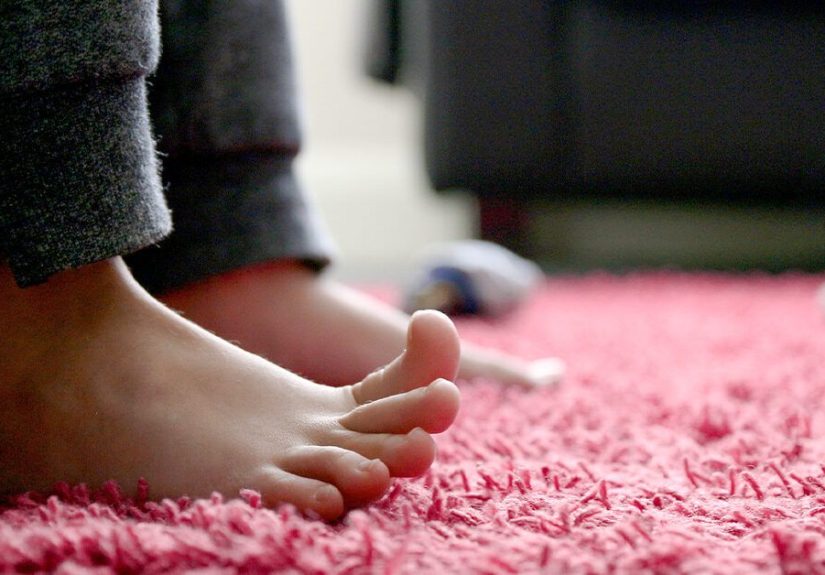
If your toes keep catching the floor like they’re trying to start a fight with every rug in your house, you might be dealing with a peroneal nerve injury (also called common fibular nerve injury). This nerve is the reason your foot can lift up, your toes can extend, and your ankle can handle life without turning every step into a slapstick routine.
The good news: many cases improve with smart, simple care. The important news: some cases need urgent attention, especially after major knee trauma. Let’s break down what’s going on, how clinicians figure it out, and what actually helps.
Why the Peroneal Nerve Is So Easy to Annoy
The common peroneal nerve branches off the sciatic nerve and travels toward the outside of the knee, wrapping around the fibular head/necka bony area that sits pretty close to the skin. Translation: it’s basically the nerve equivalent of walking around with your phone sticking out of your back pocket. It doesn’t take much pressure to bother it.
What it controls (in plain English)
- Deep peroneal nerve: lifts the foot (dorsiflexion) and extends the big toe; sensation in the first web space (between the big toe and second toe).
- Superficial peroneal nerve: everts the foot (turns the sole outward); sensation over most of the dorsum (top) of the foot and outer lower leg.
When the nerve gets compressed or injured, the most famous result is foot dropdifficulty lifting the front of the foot. But numbness, tingling, and weakness can show up in different patterns depending on which branch is involved.
Symptoms: The Classics, the Clues, and the “Wait, That’s a Thing?”
The headline symptom: foot drop
Foot drop isn’t a diseaseit’s a sign. People often notice they’re dragging the toes or tripping more. Many adopt a steppage gait (lifting the knee higher like they’re stepping over an invisible log) to keep the toes from scraping the floor. Sometimes the foot slaps down with each step because control is reduced.
Sensory changes
You might feel numbness, tingling, “pins and needles,” or a weird “sock bunched up” sensation on the outer lower leg or the top of the foot. If the first web space is especially numb, that points toward the deep peroneal branch.
Weakness patterns that matter
- Weak dorsiflexion (lifting the foot): common in peroneal injury and a main driver of foot drop.
- Weak eversion (turning the foot outward): suggests superficial peroneal involvement.
- Inversion often stays stronger (turning the sole inward), which can help distinguish peroneal neuropathy from some spinal causes.
Red flags: don’t “walk it off”
- New foot drop after a knee dislocation, severe knee injury, or fracture
- Rapidly worsening weakness, severe pain, or significant swelling
- Symptoms after a tight cast, brace, or prolonged surgical positioning
- Signs of broader neurologic issues (speech changes, one-sided face/arm weakness)
Common Causes of Peroneal Nerve Injury
The peroneal nerve is vulnerable around the kneeespecially near the fibular neckso causes often fall into two buckets: trauma and compression.
1) Trauma around the knee and fibula
- Knee dislocation or severe multiligament knee injury
- Fibular fracture (especially near the top of the bone)
- Direct impact to the outer knee (sports, falls, accidents)
With high-energy knee injuries, the nerve can be stretched or damaged. This is one reason clinicians take post-dislocation foot drop seriously.
2) Compression and positioning (the “everyday villains”)
- Habitual leg crossing (yes, the “meeting pose” can be a villain)
- Prolonged kneeling or squatting (certain jobs and hobbies)
- Tight casts, compression wraps, or braces
- Pressure during deep sleep, coma, or prolonged bed rest
- High boots or anything that presses near the outer knee in a sustained way
3) Surgery-related causes
Peroneal nerve palsy can occur after procedures around the knee or hip, including joint replacement surgeries, due to traction, positioning, or swelling.
4) Masses or entrapment
Sometimes the nerve is compressed by a cyst (including nerve sheath tumors or cysts near the knee) or scar tissue. This is where imaging like MRI or ultrasound becomes especially useful.
5) Systemic risk factors that lower the nerve’s tolerance
Diabetes and other peripheral neuropathies can make nerves more susceptible to injury. Also, thin or bedbound individuals may have less cushioning over the fibular headso even “normal” pressure can become a problem.
How To Diagnose Peroneal Nerve Injury (Like a Pro)
Diagnosis is usually a mix of history, a targeted neurologic exam, and (when needed) testing to confirm the location and severity. The key question clinicians are answering is: Is this really a peroneal nerve problemor is it coming from the spine, the brain, or another nerve?
Step 1: History that actually matters
- Did symptoms start after a fall, sports injury, knee twist, or fracture?
- Any new cast/brace, prolonged kneeling, or “I binged three seasons of a show cross-legged” situation?
- Recent surgery (knee/hip), prolonged anesthesia positioning, or long hospital stay?
- Gradual onset with pain near the outer knee (possible entrapment or mass)?
Step 2: The physical exam (where the clues live)
Clinicians check strength in dorsiflexion (tibialis anterior), toe extension, and eversion, plus sensation across the outer shin and top of the foot. They also watch how you walk. Gait tells the truth even when we try to “walk normal for the doctor,” like it’s a talent show audition.
Tinel’s sign: the “zinger test”
Tapping over the nerve near the fibular neck can send tingling “zingers” down the leg or into the foot. A positive Tinel’s sign can help localize irritation or entrapment.
Step 3: Rule out the common impersonators
Foot drop has multiple causes. A good clinician checks for:
- L5 radiculopathy (“pinched nerve” in the lower back): may cause foot drop but often involves different pain patterns and can affect inversion more.
- Sciatic neuropathy: broader weakness and sensory loss than an isolated peroneal injury.
- Central causes (stroke, MS, etc.): often come with other neurologic signs.
Step 4: Tests that confirm what’s going on
Testing depends on the story and exam. Common tools include:
- Imaging:
- X-rays if trauma is suspected (to look for fractures).
- CT for detailed bone evaluation when needed.
- MRI or ultrasound to look for soft-tissue causes like cysts or masses near the nerve.
- Electrodiagnostic studies:
- EMG (electromyography) and nerve conduction studies help localize the lesion (where the nerve is affected) and estimate severity.
- They’re especially helpful when foot drop appears without obvious trauma, or when planning longer-term management after injury.
A simple example of how localization changes the plan
If testing suggests a compressive neuropathy at the fibular head (classic location), treatment focuses on removing pressure and protecting the ankle. If the pattern looks more like a spine-related cause, then lumbar evaluation becomes the priority. Same symptom (foot drop), totally different game plan.
How To Treat Peroneal Nerve Injury
Treatment depends on the cause (compression vs trauma vs mass) and severity (mild numbness vs complete foot drop). Many cases improve with nonsurgical care, but some need timely intervention.
1) The fastest “treatment”: remove the pressure
- Stop habitual leg crossing (switch to the “both feet on the floor” lookvery powerful, very CEO).
- Avoid prolonged kneeling/squatting or use padding and breaks.
- Adjust or replace tight casts, braces, or wraps.
- In bedbound settings, protect the fibular head with positioning and padding.
2) Bracing: the ankle-foot orthosis (AFO) hero arc
An ankle-foot orthosis (AFO) helps hold the foot in a safer position during walking, reducing tripping and falls. It supports toe clearance during the swing phase and improves ankle stability. This isn’t “giving up”it’s giving your nerve time to recover while your face avoids meeting the sidewalk.
3) Physical therapy: more than “do some stretches”
PT often includes strength training, range-of-motion work, gait training, balance/proprioception, and strategies to prevent stiffness. Stretching is important to reduce calf and heel tightness that can develop when the foot can’t move normally.
In some cases, nerve stimulation or neuromuscular re-education is used to help retrain movement patterns and improve function.
4) Pain control (especially for nerve pain)
Pain varies. Some people have mostly weakness; others get burning, sharp, or electric shock-like sensations. Clinicians may recommend options ranging from topical approaches and anti-inflammatory meds to neuropathic pain medications, depending on the case and medical history.
5) Treat the underlying cause
- Mass/cyst compressing the nerve: imaging guides whether surgical removal or decompression is appropriate.
- Metabolic contributors (like diabetes): optimize glucose control and manage broader neuropathy risk.
- Knee instability after trauma: orthopedic management is crucial because repeated traction can keep the nerve irritated.
6) When surgery enters the chat
Surgical decisions are individualized, but common reasons include:
- Open laceration with suspected nerve cut (often explored and repaired urgently).
- Rapidly worsening deficits or a deteriorating lesion.
- No improvement over time (a commonly referenced checkpoint is around a few months, depending on severity and findings).
- Clear compressive entrapment at the fibular head where decompression is likely to help.
Common surgical approaches
- Neurolysis/decompression: freeing the nerve from pressure or scar tissue near the fibular head.
- Nerve repair or grafting: when there’s significant traumatic damage.
- Tendon transfer: for persistent, function-limiting foot drop when nerve recovery is unlikely, to restore active dorsiflexion.
After knee dislocation-related palsy, functional recovery can be limited, so specialists sometimes discuss tendon transfer or reconstructive options when appropriate.
Recovery, Prognosis, and Timeline Reality Checks
Nerves are slow healers. Some compressive injuries improve when pressure is removed and the ankle is protected. More severe injuries (especially traumatic stretch injuries) can take months and may not fully recover.
What influences recovery?
- Cause: compression tends to do better than major trauma in many cases.
- Severity: mild sensory changes recover more predictably than complete motor loss.
- Timing: early diagnosis and reducing ongoing compression can prevent worsening.
- Associated injury: knee dislocations and multiligament injuries are tougher scenarios.
What “getting better” can look like
Improvement isn’t always linear. You might notice:
- Less toe dragging with an AFO and gait training (function improves even before the nerve fully recovers).
- Return of sensation in patches (often feels odd before it feels normal).
- Gradual strength gains in dorsiflexion or toe extension over weeks to months.
The goal is twofold: protect mobility now (prevent falls and contractures) and support nerve recovery (remove pressure, rehab, monitor progress).
Prevention: How Not to Make Your Fibular Head a Stress Ball
- Don’t camp on one crossed-leg position. Change positions regularly.
- Use knee padding for kneeling work and take breaks.
- Watch casts and braces: increasing numbness, tingling, or weakness should be checked quickly.
- Protect the outer knee during long bed rest: positioning and padding matter.
- Train balance if you’ve had foot drop beforefall prevention is part of treatment.
And yes, this is also your friendly reminder that “power-napping in a pretzel position” is not a sport.
Real-World Experiences and Practical Tips (Extra Section)
This section is intentionally experience-heavy, because peroneal nerve injuries don’t happen in a vacuum. They happen in airports, hospital beds, yoga classes, construction sites, andtragicallyduring marathon Netflix sessions. Below are common, real-life scenarios clinicians report seeing, plus practical takeaways that can make recovery smoother.
Experience #1: The “Cross-Legged Zoom Marathon” Foot Drop
A classic story: someone works long hours at a desk, frequently crossing one leg over the other. After days or weeks, they notice tingling on the outer shin and top of the foot, then mild weakness when lifting the foot. The first sign is often tripping on thresholds or carpetsfollowed by blaming the carpet, the shoes, the lighting, and possibly the existence of gravity.
What helps: changing positions often, avoiding pressure at the fibular head, and using temporary support (like an AFO if needed) while the nerve calms down. Many mild compression cases improve when the pressure stops and rehab focuses on safe gait and ankle mobility.
Experience #2: The Too-Tight Cast or Brace Surprise
Another common scenario is new numbness or weakness after immobilizationespecially if swelling changes under a cast or brace. People may report “my foot feels asleep,” followed by difficulty lifting the toes. This is one reason clinicians take post-casting neurologic checks seriously.
What helps: reporting symptoms early. Prompt cast adjustment can prevent a mild compressive neuropathy from becoming a bigger problem. If you’re in a cast and you develop increasing numbness, worsening weakness, or severe pain, it’s not being “dramatic” to call your care team. It’s being appropriately protective of your nerve.
Experience #3: Sports Injury at the Knee (Where Things Get Real)
Athletes and active adults sometimes develop peroneal nerve symptoms after a knee injuryespecially with instability, swelling, or trauma near the fibular head. They may notice a clear foot drop right away, or it can emerge as swelling increases. In severe injuries like knee dislocation, peroneal nerve involvement can be a major factor in long-term function.
What helps: early evaluation, careful neuro exams, and coordination between orthopedic and nerve specialists when needed. Rehab isn’t only “strengthening”it’s also protecting the ankle from repeated sprains and preventing stiffness while the nerve recovers (or while planning other interventions).
Experience #4: The “I Didn’t Realize I Was Compensating” Phase
People with foot drop often unconsciously develop compensations: hiking the hip, swinging the leg outward, or lifting the knee high. These tricks help you not trip, but they can overload the hip, back, and opposite leg over time. Some folks come in saying, “My back started hurting after the foot thing,” and that’s not randomgait compensation can be surprisingly expensive.
What helps: gait training in PT, the right brace, and checking footwear. A well-fitted AFO can reduce compensations, lower fall risk, and protect joints while nerves heal.
Experience #5: The “Nerve Sensations Are Weird” Recovery Period
When sensation returns, it’s not always a smooth “off-to-on” switch. People describe buzzing, tingling, or hypersensitivitysometimes worse at night. Others feel numbness shrinking in patches. This can be normal during nerve recovery, but it should be discussed with a clinician, especially if symptoms are escalating or disabling.
What helps: consistent follow-up, realistic expectations, and pain strategies that fit the individual. The goal is to keep you moving safely and sleeping like a human, not a haunted house extra.
Experience #6: The “Bracing Isn’t Defeat” Mindset Shift
Some people resist braces because it feels like admitting defeat. In practice, the opposite is often true: bracing is a way to stay active, prevent falls, and protect the ankle while the nerve heals. It’s a short-term tool for many patientsand for those with persistent foot drop, it can be a long-term quality-of-life upgrade.
What helps: proper fitting, practicing stairs and uneven surfaces with guidance, and combining bracing with strengthening and mobility work. A brace doesn’t replace rehab; it buys you safety and function while rehab does its job.
Experience #7: The “When Should I Worry?” Question
People often ask what symptoms justify urgent care. A useful rule of thumb: sudden foot drop after significant injury, rapidly worsening weakness, or severe pain/swelling deserves prompt evaluation. Similarly, new symptoms after casting or surgery should be flagged early. And if foot drop comes with broader neurologic symptoms (speech changes, facial droop, one-sided arm weakness), treat it as an emergency.
The biggest practical takeaway from all these experiences is simple: protect function now, investigate the cause, and reassess progress. That’s how you avoid falls today while giving your nerve the best shot at recovery tomorrow.