Table of Contents >> Show >> Hide
- What Is a Kalita Wave Dripper?
- Kalita Wave 155 vs 185
- What You Need to Brew with a Kalita Wave
- How to Brew Coffee with a Kalita Wave
- How to Adjust Your Kalita Wave Recipe
- Popular Kalita Wave Brewing Styles (And Why They Differ)
- Kalita Wave Drippers vs Other Pour-Over Brewers
- Cleaning and Maintenance Tips
- Who Should Buy a Kalita Wave Dripper?
- Conclusion
- Real-World Brewing Experiences with Kalita Wave Drippers (Extended Notes)
If pour-over coffee feels a little intimidating, the Kalita Wave is the friendliest “coffee nerd” in the room. It still gives you that clean, aromatic, café-style cup, but it doesn’t punish every tiny pouring mistake like some other drippers can. In other words: it’s precise enough for enthusiasts, forgiving enough for normal humans before caffeine.
The Kalita Wave has earned a loyal following because of its flat-bottom design, signature wave filters, and steady flow control. Together, those features help produce a balanced cup with good sweetness, clear flavor, and less drama on busy mornings. Whether you are just getting into manual brewing or you want a reliable daily dripper, the Wave deserves a serious look.
In this guide, we’ll break down what makes Kalita Wave drippers different, how to choose between the 155 and 185 sizes, what gear you actually need (not the “Instagram espresso lab” version), and how to brew a delicious cup step by step. We’ll also cover common mistakes, easy adjustments, and practical experience notes that make a big difference once you start using one regularly.
What Is a Kalita Wave Dripper?
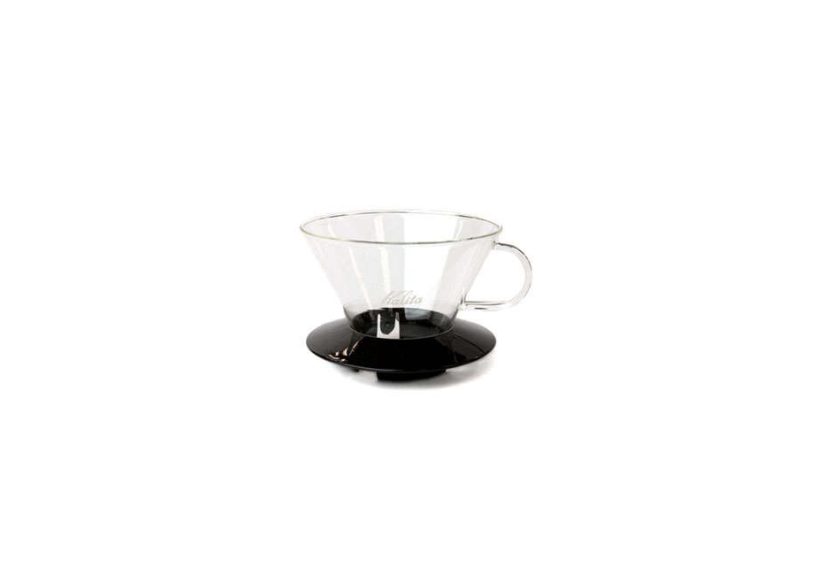
The Kalita Wave is a pour-over coffee dripper designed to make extraction more even and repeatable. Its standout design combines three key elements: a flat-bottom brew bed, three small drain holes, and pleated “wave” paper filters that hold their shape inside the dripper.
That combination matters because it slows and stabilizes the flow compared with many cone-style brewers. Instead of water rushing through one large hole, the Kalita Wave tends to keep a more consistent slurry level, which helps many home brewers get better results without needing barista-level pouring technique on day one.
Why Coffee Fans Like the Kalita Wave
- More forgiving pour-over brewing: The flat-bottom shape and restricted flow make it easier to get a balanced cup even if your pour is not perfect.
- Consistent extraction: The design helps reduce channeling risk and supports a more even coffee bed.
- Clean flavor profile: Like other paper-filter methods, it highlights clarity and sweetness with less sediment.
- Portable and simple: A dripper, filters, kettle, and scale are enough to make excellent coffee almost anywhere.
Basically, the Kalita Wave is the “calm middle ground” between convenience and control. It gives you room to improve your technique without making every brew feel like a final exam.
Kalita Wave 155 vs 185
The two most common Kalita Wave drippers are the Kalita Wave 155 and Kalita Wave 185. The numbers refer to the filter and dripper size. Both use the same core design, but they behave a little differently in daily use.
Kalita Wave 155
The 155 is the smaller model and is typically best for single-cup brewing. It is great for compact setups, small mugs, and people who mostly brew one serving at a time. It can make beautiful coffee, but because the brew bed is smaller, small changes in grind size or pouring can feel more noticeable.
Kalita Wave 185
The 185 is the more versatile choice for most people. It handles one larger mug comfortably and can scale up for small carafes. Many home brewers prefer it because it gives a little more room to work, especially when pulse pouring. If you are buying just one Kalita Wave dripper, the 185 is usually the safest bet.
Materials: Stainless Steel vs Glass
Kalita Wave drippers are commonly available in stainless steel and glass. Stainless steel is popular because it is durable, travel-friendly, and less likely to meet a tragic end in your sink. Glass looks beautiful and can be a joy to use, but it is naturally more fragile. The best choice depends on whether you prioritize aesthetics or “survives Monday mornings.”
What You Need to Brew with a Kalita Wave
You do not need a huge setup, but a few tools matter if you want consistent results:
- Kalita Wave dripper (155 or 185)
- Kalita Wave paper filters (matching your dripper size)
- Fresh coffee beans (whole bean is best)
- Burr grinder (for more even grind size)
- Gooseneck kettle (helps with controlled pouring)
- Scale (essential for repeatable brewing)
- Timer (phone timer works fine)
- Mug or server
A scale and grinder make the biggest difference. If you skip both, you can still brew coffee, but your results will vary a lot more. That may be “adventurous,” but not always in a good way.
How to Brew Coffee with a Kalita Wave
There is no single “correct” Kalita Wave recipe. Different roasters and coffee pros use slightly different doses, temperatures, and pouring patterns. The good news is they all follow the same foundation: rinse the filter, level the bed, bloom the coffee, and finish with controlled pours.
Here is a balanced beginner-friendly recipe that sits in the sweet spot of many popular Kalita Wave brew guides.
Beginner-Friendly Kalita Wave Recipe (Great Starting Point)
- Coffee: 20–25g
- Water: 320–400g
- Ratio: about 1:16 (adjust from 1:15 to 1:17 based on taste)
- Grind size: Medium to medium-coarse (similar to sea salt)
- Water temperature: 198–205°F
- Total brew time: roughly 2:45 to 4:00
Step-by-Step Brewing Method
- Rinse the paper filter.
Place the filter in the Kalita Wave and rinse thoroughly with hot water. This removes papery taste and preheats the dripper and mug/server. Dump the rinse water before brewing. - Add coffee and level the bed.
Grind your coffee fresh and add it to the filter. Gently shake or tap the dripper so the grounds sit flat. A level bed helps even extraction. - Tare your scale and start the timer.
Put the dripper on your mug or server, place everything on the scale, and zero it out. - Bloom the coffee.
Pour about 2x to 3x the coffee weight in water (for example, 40–60g for a 20g dose). Make sure all grounds are saturated. Let it bloom for about 30–45 seconds. - Start the main pour.
Pour in slow circular motions from the center outward, then back toward the center. Try not to pour aggressively onto the paper walls. Keep the slurry height fairly steady. - Use pulse pours for control.
Add water in small pulses (for example, 40–80g at a time) and allow the slurry to draw down slightly between pours. This is a common Kalita Wave technique because it helps maintain even extraction. - Hit your target water weight and let it drain.
Once you reach your target total water, let the dripper finish draining. A typical drawdown lands somewhere between 2:45 and 4:00 depending on recipe and grind size. - Remove, swirl, and enjoy.
Remove the dripper, give the brewed coffee a swirl in the server or mug, and taste before adjusting your next brew.
How to Adjust Your Kalita Wave Recipe
This is where the Kalita Wave really shines. It is easy to tweak and repeat. If your cup is not tasting the way you want, change one variable at a time.
If Your Coffee Tastes Sour or Weak
- Grind a little finer
- Use slightly hotter water
- Slow your pour down
- Try a stronger ratio (closer to 1:15)
If Your Coffee Tastes Bitter or Harsh
- Grind a little coarser
- Lower your water temperature slightly
- Speed up the brew slightly
- Try a lighter ratio (closer to 1:16.5 or 1:17)
If the Brew Drains Too Fast
- Grind finer
- Pour more gently and evenly
- Make sure the bed is level
If the Brew Drains Too Slow
- Grind coarser
- Check for clogged fines (common with lower-quality grinders)
- Avoid over-agitating the coffee bed
One of the most useful habits: keep a tiny brew log. Just note coffee dose, water amount, grind setting, brew time, and a quick taste note. It sounds nerdy, and yes, it is. It also works.
Popular Kalita Wave Brewing Styles (And Why They Differ)
If you compare Kalita Wave recipes from roasters and coffee guides, you will notice a pattern: the details vary, but the structure stays the same. Some recipes use 17g coffee to 250g water for a smaller cup, while others push into 21–25g doses with 350–400g water. Ratios often land between 1:15 and 1:17.
Why the variation? Because coffee beans are different. Roast level, origin, processing method, freshness, and grinder quality all affect how a recipe behaves. A bright washed Ethiopian may taste best with a slightly different grind or water temperature than a chocolatey medium-roast blend.
Many Kalita Wave recipes also use pulse pours, but the pulse sizes differ. Some guides use smaller repeated pulses to keep the slurry high and stable. Others use a larger second pour, then finish with smaller additions. Both approaches can work well if your total brew time and taste are on target.
The most important takeaway: use published recipes as a map, not a prison sentence. Start with a reliable ratio and brewing rhythm, then tune for your coffee and your taste.
Kalita Wave Drippers vs Other Pour-Over Brewers
Most people compare the Kalita Wave to cone brewers like the Hario V60. The main difference is flow behavior and how much pouring precision is required.
Kalita Wave vs V60
- Kalita Wave: Flat-bottom, more forgiving, steadier extraction, easier for beginners
- V60: Faster flow, more sensitive to pouring technique, can produce very high clarity with strong technique
If you enjoy tinkering and want maximum control, the V60 is exciting. If you want excellent coffee with fewer “why does this taste like hot confusion?” moments, the Kalita Wave is a fantastic daily brewer.
Kalita Wave vs Chemex
- Kalita Wave: Better for smaller batches, more compact, flexible for daily brewing
- Chemex: Great for bigger batches and a very clean cup, but bulkier and more delicate
In practice, many coffee lovers end up owning both. Then they tell themselves it is “a minimal setup,” while their kitchen slowly becomes a small coffee museum.
Cleaning and Maintenance Tips
The Kalita Wave is easy to maintain, which is another reason it stays in so many daily rotations.
- Discard used grounds and paper filter immediately after brewing
- Rinse the dripper thoroughly with hot water
- Wash regularly with mild soap to remove coffee oils
- Dry completely before storing, especially for stainless steel models
- Keep extra Wave filters on hand (they are not always easy to find in local stores)
If your brews start tasting dull even with fresh beans, a deep clean often fixes it. Coffee oils build up quietly over time. Like mystery crumbs in a keyboard, they arrive without warning.
Who Should Buy a Kalita Wave Dripper?
Great for You If:
- You want a reliable pour-over brewer that is beginner-friendly
- You like balanced, sweet, clean cups of coffee
- You want a repeatable method for home brewing
- You enjoy manual coffee but do not want an overly fussy workflow
Maybe Not Ideal If:
- You want very large batch brewing every day
- You dislike buying specific paper filters
- You prefer immersion styles like French press or AeroPress
For most home brewers, though, the Kalita Wave hits a sweet spot: enough control to improve your coffee, enough forgiveness to stay enjoyable long-term.
Conclusion
Kalita Wave drippers are popular for a reason. Their flat-bottom design, three-hole flow control, and wave-style filters create a brewing system that is easy to learn, hard to outgrow, and consistently capable of excellent coffee. Whether you choose the 155 for compact single cups or the 185 for more flexibility, the Kalita Wave makes manual brewing feel approachable without sacrificing quality.
Start with a simple 1:16 recipe, rinse your filter, bloom properly, and use gentle pulse pours. From there, adjust grind size and brew ratio based on taste. Once you get a feel for it, the Kalita Wave becomes one of those tools you keep reaching fornot because it is trendy, but because it works.
Real-World Brewing Experiences with Kalita Wave Drippers (Extended Notes)
One of the most common experiences people have with Kalita Wave drippers is how quickly they stop “overthinking” pour-over coffee. The first few brews usually involve a lot of staring at the scale, awkward kettle angles, and silent panic when the water rises too high. But after a week or two, the process starts to feel natural. That is one of the Wave’s biggest strengths: it rewards consistency, but it does not punish beginners for every imperfect pour.
Another frequent experience is discovering how much grind size matters. Many home brewers start by blaming the dripper when a cup tastes flat, bitter, or weak, but the real issue is usually the grinder setting. On the Kalita Wave, even a small grind adjustment can noticeably change brew time and flavor. Once people dial in the grind, they often describe the same “aha” moment: the cup suddenly gets sweeter, cleaner, and more balanced without changing anything else.
The Kalita Wave 185 also tends to become a favorite for households that share coffee habits but not the same schedule. It is easy to brew one larger mug in the morning, then brew another later without a giant machine sitting on the counter all day. A lot of users appreciate that it feels both intentional and practicallike a tiny daily ritual that still works on busy mornings.
People also notice how forgiving the Kalita Wave is compared with faster cone drippers. If your pour speed changes slightly, or if your circles are not perfectly even, the Wave often still produces a very drinkable cup. That builds confidence. Instead of feeling like manual brewing is a delicate chemistry experiment, it feels like a skill you can actually learn and improve.
There are a few recurring frustrations too, and they are worth mentioning. The biggest one is filters. Kalita Wave filters are excellent, but they are not always available in every grocery store. Most regular users learn to keep an extra pack at home. Another small complaint is that some brew recipes online are wildly different, which can confuse beginners. The fix is simple: pick one recipe, brew it several times, then adjust slowly. Jumping between five recipes in one weekend is a great way to learn exactly nothing.
Over time, many brewers develop a personal “house recipe” for the Kalita Wave based on the coffees they buy most often. Some prefer a stronger 1:15 ratio for richer body. Others use 1:16 or 1:17 for lighter, brighter cups. Some pour in clean pulses, while others do a steadier continuous pour. That flexibility is part of the appeal. The Kalita Wave is structured enough to guide you, but flexible enough to make the process your own.
In the long run, the Kalita Wave often becomes the dripper people recommend to friends who want better coffee at home without a huge learning curve. It makes excellent coffee, looks good on the counter, and turns a simple cup into a small daily ritual. That is a pretty great return on one little dripper.