Table of Contents >> Show >> Hide
- What Makes a Sauce “Korean-Style” for Steak?
- Pick Your Flavor Lane: 3 Korean Steak Sauce Styles
- The Master 5-Minute Korean-Style Steak Sauce
- Three Variations You’ll Use All Week
- Pairing Guide: Which Steak Cut Loves Which Sauce?
- Cooking Tips for Maximum “Korean Steakhouse” Vibes
- Shopping Notes: Gochujang, Doenjang, and Friendly Substitutions
- Storage and Food Safety
- FAQs
- Conclusion
- Experiences: The Sauce That Made Steak Night Feel Like K-BBQ (Extra )
Steak has a lot going for it: rich beefy flavor, a little char, and that “I definitely meant to do that” confidence when the crust comes out perfect.
But if you’ve ever eaten Korean barbecue and thought, “Why does this taste like my steak just got a promotion?”welcome.
Korean-style steak sauce is the cheat code: salty, sweet, spicy, tangy, and deeply savory (a.k.a. the flavor pentathlon).
This article breaks down what makes Korean sauces so steak-friendly, gives you one master 5-minute sauce, and then spins it into three variations
you’ll use all weekplus a 500-word “real-life” experience section at the end so the post feels less like a recipe card and more like a food story
you’d actually read while hungry.
What Makes a Sauce “Korean-Style” for Steak?
Korean flavors often orbit around fermented foundations (the “jang” family): soy sauce (ganjang), fermented soybean paste (doenjang), and fermented chili paste (gochujang).
Add the usual co-starsgarlic, scallions, toasted sesame oil, sesame seeds, something sweet, and a splash of acidand you get a sauce that does three important steak jobs:
- Cuts richness with acidity and heat, so each bite stays exciting.
- Boosts umami with fermented depth, making the beef taste even beefier.
- Adds contrast (sweet + salty + spicy) so your palate doesn’t get bored halfway through the plate.
Pick Your Flavor Lane: 3 Korean Steak Sauce Styles
“Korean-style steak sauce” isn’t one single recipe. It’s more like a playlist. Here are three popular “moods,” each with a different best use:
1) Gochujang Glaze
Sticky, glossy, spicy-sweet. This is the one you brush on in the last minute or two of cooking (or spoon on after slicing).
It’s bold enough to stand up to ribeye, strip steak, and anything that came near a grill.
2) Bulgogi-Inspired Sauce
More savory-sweet than spicy, usually soy-forward with garlic, sesame, and often grated Asian pear for sweetness and tenderness.
It’s fantastic as a quick marinade for flank or skirt steak, and it caramelizes beautifully when cooked hot and fast.
3) Ssamjang-Style “Steak Paste”
Thick, punchy, and umami-heavylike the condiment version of a mic drop.
Ssamjang is traditionally a wrap sauce (think lettuce wraps with grilled meat), but it’s also a killer steak topper when thinned with a little oil, vinegar, or water.
The Master 5-Minute Korean-Style Steak Sauce
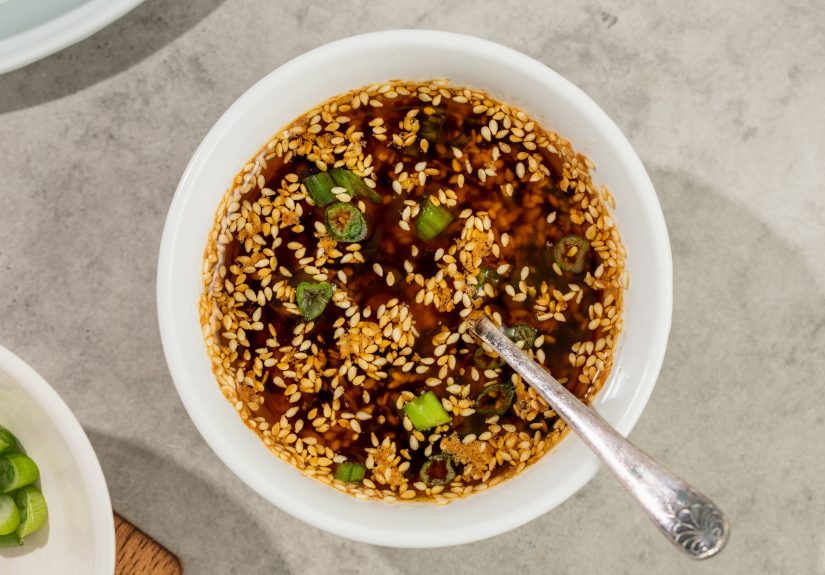
This is the versatile, do-everything sauce: drizzle it, dip it, brush it, or turn it into a glaze.
It’s balanced enough for weeknights and exciting enough to make guests suspicious you’ve been taking secret cooking classes.
Ingredients (Makes about 1 cup; Serves 4–6)
- 1/3 cup gochujang (Korean chili paste)
- 3 tablespoons soy sauce (use low-sodium if you can)
- 2 tablespoons rice vinegar (or apple cider vinegar)
- 2 tablespoons toasted sesame oil
- 2 tablespoons honey or brown sugar
- 2–3 cloves garlic, finely grated or minced
- 1 teaspoon grated fresh ginger (optional but highly encouraged)
- 3–5 tablespoons warm water (to loosen, depending on how you’ll use it)
- 1 tablespoon toasted sesame seeds
- 2 tablespoons thinly sliced scallions
How to Make It
- Whisk the base: In a bowl, whisk gochujang, soy sauce, vinegar, sesame oil, and honey/brown sugar until smooth.
- Add aromatics: Stir in garlic, ginger, sesame seeds, and scallions.
- Dial the texture: Add warm water a tablespoon at a time until it matches your plan:
- Dip: thick and clingy (3 tbsp water or less)
- Drizzle: pourable (4–5 tbsp water)
- Glaze: keep it thick, then brush on at the end of cooking
- Rest 5 minutes: Let it sit so the garlic and scallions mellow and the flavors round out.
Quick Taste Test (So You Don’t “Trust the Process” Into Regret)
Taste it with a tiny piece of steak (or, honestly, a cucumber sliceno judgment). Adjust with this simple rule:
Too salty? add water + a touch more sweetener. Too spicy? add sweetener or a spoonful of mayo (hello, creamy sauce).
Too sweet? add vinegar. Too thick? add water. Too flat? add sesame oil or a pinch of salt.
Three Variations You’ll Use All Week
Variation A: Soy-Scallion Sesame “Drizzle Sauce”
This one is lighter and brighterperfect for sliced steak, rice bowls, or lettuce wraps.
Think “savory vinaigrette,” but with more swagger.
Mix:
- 1/4 cup soy sauce
- 2 tablespoons rice vinegar
- 1 tablespoon toasted sesame oil
- 2 tablespoons finely chopped scallions
- 1 clove garlic, grated
- 1–2 teaspoons sugar or honey
- 1–2 teaspoons toasted sesame seeds
- Optional: a pinch of gochugaru (Korean chili flakes) or black pepper
Best on: filet mignon, sirloin, or any leaner cut where you want flavor without heaviness.
Variation B: Gochujang Butter (Steakhouse Meets K-BBQ)
If you like butter on steak, this is the “turn the volume up” version.
It melts into the crust and tastes like you planned a whole menu… even if you also served “bagged salad.”
Mix (Compound Butter):
- 4 tablespoons softened unsalted butter
- 1–1 1/2 tablespoons gochujang
- 1 small garlic clove, grated
- 1 teaspoon sesame oil
- 1 teaspoon honey (optional)
- Pinch of salt (taste first; gochujang can be salty)
Roll into a log using parchment, chill, then slice and melt over hot steak.
Best on: ribeye, New York strip, hanger steak.
Variation C: Creamy Gochujang Steak Sauce (The Crowd-Pleaser)
This is the sauce that convinces “I don’t like spicy” people to suddenly become very brave.
Creamy = mellow heat + clingy texture = perfect dipping.
Mix:
- 1/4 cup mayonnaise (or Greek yogurt for a tangier vibe)
- 2 tablespoons gochujang
- 1 teaspoon sesame oil
- 1 teaspoon rice vinegar or lemon juice
- 1 small garlic clove, grated
- 1–2 teaspoons honey
Best on: steak bites, fries, roasted broccoli, burgers, and anything you wish tasted like “more.”
Pairing Guide: Which Steak Cut Loves Which Sauce?
Ribeye or Strip: Go Bold
These fatty cuts can handle heat and sweetness without getting overwhelmed.
Use the gochujang glaze or gochujang butter for a glossy, spicy finish that plays nicely with rendered fat.
Flank or Skirt: Bulgogi Energy
Thin, flavorful cuts shine with soy-garlic-sesame profiles and a touch of sweetness.
If you’re marinating, keep the time reasonable (30 minutes to a few hours) so the surface flavors don’t turn the texture mushy.
Filet Mignon: Keep It Elegant
Filet is mild and tender, so a heavy sauce can steamroll it.
Go with the soy-scallion drizzle or a lighter version of the master sauce with extra vinegar and water.
Cooking Tips for Maximum “Korean Steakhouse” Vibes
- Don’t burn the sugar: If your sauce has honey/sugar, glaze at the end or after slicing so it doesn’t scorch.
- Use it two ways: Season steak simply (salt/pepper), then add Korean flavor through sauce. Cleaner, brighter results.
- Rest the steak: Five to ten minutes of resting means juicier slices and a better sauce-to-meat relationship.
- Slice against the grain: Especially for flank and skirtyour jaw will send you a thank-you note.
- Build a plate: Serve with rice, quick cucumbers, kimchi, or lettuce leaves. Suddenly it’s dinner, not just “meat in the middle.”
Shopping Notes: Gochujang, Doenjang, and Friendly Substitutions
Gochujang is fermented chili pastesweet, savory, and spicy. Brands vary in heat and sweetness, so taste and adjust.
Doenjang is fermented soybean pastesaltier and funkier, with a deep umami punch that works wonders in ssamjang-style sauces.
Substitutions (when life happens):
- Low-sodium soy sauce helps keep the sauce balanced, especially if you like extra sesame oil and garlic.
- Tamari can replace soy sauce for a gluten-free option (check labels).
- Honey, brown sugar, maple syrup all work as sweetenerschoose based on the flavor you like.
- Rice vinegar is classic, but apple cider vinegar is a solid pantry backup.
Storage and Food Safety
Most Korean-style steak sauces are “high flavor, low drama,” but they still deserve safe handlingespecially when they touch cooked meat, raw meat, or shared dipping bowls.
- Refrigerate promptly: Don’t leave sauce (or cooked steak) hanging out at room temp for hours. When in doubt, chill it.
- Use clean utensils: If you dip a fork that touched steak into the sauce bowl, you’ve basically created a tiny science experiment.
- Label leftovers: Sauces can look deceptively “fine” even when they’re past their best day.
For best quality, keep your sauce in an airtight container, refrigerated, and use within a few days. If you want longer storage,
freeze the sauce base (without fresh scallions) and add fresh aromatics after thawing.
FAQs
Is this the same as Korean BBQ sauce?
It’s in the same flavor family. “Korean BBQ sauce” can mean a lot of thingsbulgogi marinades, spicy gochujang sauces, or sweet-and-sticky glazes.
The master sauce here is designed specifically to work as a steak sauce: bold, balanced, and fast.
Can I use this as a marinade?
Yesespecially the bulgogi-inspired direction. If you’re using a thicker gochujang-heavy sauce, thin it with water and a little extra soy/vinegar so it penetrates.
For thin cuts, 30 minutes to a few hours is usually plenty.
How do I make it less spicy without making it boring?
Add sweetness (honey/brown sugar), creaminess (mayo/yogurt), and sesame oil. You’ll keep the Korean flavor while lowering the heat.
You can also dilute with water and increase vinegar for a brighter, lighter sauce.
What should I serve with Korean-style steak sauce?
Easy wins: steamed rice, shredded lettuce, cucumbers with vinegar and salt, kimchi, sautéed mushrooms, or grilled scallions.
Basically anything that helps you scoop sauce and steak into your mouth efficiently.
Conclusion
Korean-style steak sauce isn’t about drowning steakit’s about giving it a supporting cast that makes every bite more interesting.
Start with the 5-minute master sauce, then experiment: go lighter and zingy with soy-scallion drizzle, richer with gochujang butter,
or party-friendly with creamy gochujang mayo. Once you find your favorite, steak night stops feeling like “a protein requirement” and starts feeling like an event.
Experiences: The Sauce That Made Steak Night Feel Like K-BBQ (Extra )
Here’s a funny thing about Korean-style steak sauce: it changes the social energy of dinner. Regular steak night can be quiet and focused,
like everyone is privately negotiating with their own plate. But put a glossy bowl of gochujang sauce on the table and suddenly people start talking.
Someone says, “What is that?” Someone else says, “I don’t do spicy,” and thenpredictablyasks for a second spoonful five minutes later.
The first “aha” moment usually comes from the smell. Gochujang by itself has a fermented, slightly sweet aroma, but once you whisk it with sesame oil,
garlic, and vinegar, it becomes unmistakably craveable. It’s the kind of scent that makes you impatient for the steak to rest.
(Yes, you still have to rest the steak. No, hovering over it like a protective parent does not count as resting.)
What’s especially satisfying is how adjustable the sauce is in real time. If you’re cooking for a mixed crowdone person wants heat, another wants mild
you don’t need to make separate meals. You just split the base. Half stays bold and spicy. The other half gets a spoon of mayo or yogurt and suddenly it’s creamy,
mellow, and still very much in the Korean flavor lane. People feel “taken care of,” and you didn’t even break a sweat. That’s peak host behavior.
This sauce also rewards small rituals. Toasting sesame seeds (even briefly) makes the whole kitchen smell nutty and warm. Grating garlic instead of chopping
gives a smoother sauce that clings to steak instead of falling off like it has somewhere else to be. Letting the bowl sit for five minutes before serving
makes the raw edge soften and the flavors blend. None of these steps are hardyet they make the sauce taste like you planned ahead, which is the best kind of lie.
If you’ve ever tried to glaze steak too early and ended up with a dark, sticky patch that tastes like “barbecue regret,” Korean-style sauce teaches timing.
Brush it on at the end or spoon it over sliced steak. The heat of the meat warms the sauce, the sugar stays glossy, and the garlic doesn’t get bitter.
It’s less “candied crust” and more “silky finish.” The difference is subtlebut your taste buds absolutely notice.
My favorite way to serve it for maximum fun (and minimum extra work) is the “build-your-own bite” setup:
sliced steak on a platter, a bowl of sauce, lettuce leaves, rice, and something crunchy like quick cucumbers.
People assemble little wraps, compare combos, and suddenly you’ve recreated the spirit of Korean barbecue at home without installing a tabletop grill.
The sauce becomes the centerpiecenot because it’s loud, but because it makes everything around it better.
And that’s the real experience: Korean-style steak sauce doesn’t just season meat. It upgrades the whole meal into something interactive, flavorful,
and a little bit celebratory. It’s the difference between “we ate dinner” and “we remember dinner.”