Table of Contents >> Show >> Hide
- What Makes the Marquina Olive Oil Cruet So Special?
- The Story Behind the Spanish Classic
- Why the Marquina Cruet Still Works in Modern Kitchens
- Is It Actually Practical for Olive Oil Storage?
- Who Should Buy the Marquina Olive Oil Cruet?
- How It Compares to Ordinary Olive Oil Bottles
- The Marquina Cruet as a Lesson in Timeless Design
- Conclusion: A Small Object With Big Staying Power
- Extra: Living With the Marquina Cruet Everyday Experiences From a Real Kitchen Perspective
Some kitchen tools are born to disappear into a drawer. Others earn permanent counter space. The Marquina olive oil cruet belongs in the second group, strutting around the kitchen like it knows it is smarter than most gadgetsand, frankly, it is. Designed in Spain in 1961 by Rafael Marquina, this compact glass cruet has become a small legend in the world of industrial design because it solves one gloriously annoying problem: the oily drip that runs down the bottle, onto the table, and eventually onto the soul.
That may sound dramatic, but anyone who cooks with olive oil knows the struggle. A beautiful bottle becomes a greasy bottle in record time. The table gets a halo stain. Your fingers slip. The napkin becomes a permanent employee. Marquina’s answer was not to add some clunky mechanical cap or a fussy stopper with a dozen moving parts. He solved it with shape, flow, and restraint. That is exactly why the piece still feels fresh today.
And yes, it is one of those rare objects that makes you mutter, “Why didn’t everyone do it like this?” right before you drizzle olive oil over grilled bread and feel oddly sophisticated.
What Makes the Marquina Olive Oil Cruet So Special?
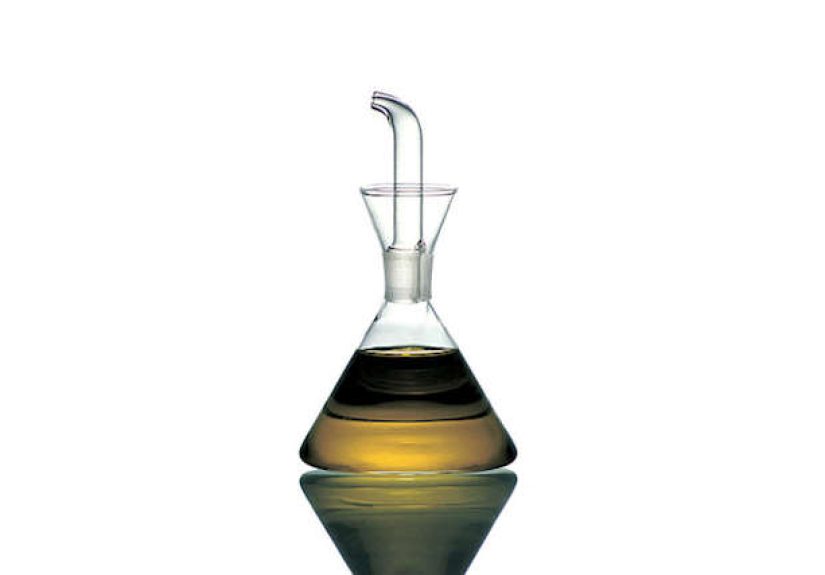
The Marquina cruet is a glass oil dispenser with a removable spout and a silhouette that looks half laboratory flask, half tabletop sculpture. It has a broad, stable base, a narrow neck, and a conical top section that functions like a built-in funnel when you refill it. The spout is the star of the show: it is engineered so oil pours in a smooth, controlled stream and then falls back neatly instead of crawling down the outside like a tiny, greasy criminal.
That is the genius of the design. It does not scream for attention. It simply behaves better than the average bottle. In design terms, this is what people mean when they talk about form and function getting along for once.
A Design That Solves a Real Problem
Plenty of so-called iconic objects are iconic because they are photogenic. The Marquina cruet is photogenic, sure, but that is not the main event. Its real accomplishment is that it addresses everyday kitchen mess with almost comical elegance. The proportions help it sit securely on a table. The spout encourages a steady, precise pour. The removable top makes filling and cleaning less of a wrestling match. Even the grip feels intentional; the shape is easy to hold without needing a handle bolted on like an afterthought.
In other words, the Marquina cruet proves that classic design is not about looking expensive. It is about making ordinary rituals feel better.
The Story Behind the Spanish Classic
Rafael Marquina created the cruet in 1961, and the design quickly earned recognition for its originality and usefulness. Over the decades, it has become one of the best-known examples of Spanish industrial design. That longevity matters. The kitchen is crowded with trendy objects that enjoy six months of fame before retiring to the cabinet of regret. The Marquina cruet has been around for more than half a century because it works.
It also carries a distinctly Mediterranean logic. Olive oil is not an occasional luxury in Spain; it is part of daily life. That means the dispenser used for it should be practical, clean, durable, and pleasant to live with. The Marquina cruet reflects that mindset beautifully. It takes a staple ingredient and gives it a worthy vesselone that respects both the oil and the person using it.
There is also something delightfully unpretentious about it. Despite its status in design circles, it does not feel precious. It feels useful. You do not need a design degree, a marble kitchen, or a suspiciously calm sourdough starter to appreciate it. You just need olive oil and a low tolerance for drips.
Why the Marquina Cruet Still Works in Modern Kitchens
Modern kitchens ask a lot from countertop items. They need to be compact, attractive, easy to clean, and actually helpful. The Marquina cruet checks all of those boxes. Its transparent glass body makes it easy to see how much oil is left. Its profile is slim enough for a crowded counter or dining table. And unlike many trendy dispensers that look adorable until you try to use them, this one feels natural from the first pour.
It also suits the way people cook now. Today’s home cooks are more ingredient-aware than ever. They talk about finishing oils, peppery extra virgin olive oil, cold-pressed varieties, and harvest dates without blinking. The Marquina cruet fits right into that world because it turns olive oil from a background pantry item into a visible, daily-use ingredient. Put it on the table, and suddenly olive oil becomes part of the meal experience, not just something you glug into a pan while half-awake.
It Looks Good Without Trying Too Hard
The visual appeal is real. The cruet has that rare “scientific but warm” qualityclean lines, transparent material, and zero unnecessary decoration. It looks at home in a rustic kitchen, a modern apartment, or a dining table set with linen napkins you swear you use casually. It is subtle enough not to dominate the room, but distinctive enough that guests may ask about it.
That is usually the sign of enduring design. It does not beg for compliments. It quietly collects them.
Is It Actually Practical for Olive Oil Storage?
Here is where a smart article must resist the temptation to turn into a fairy tale. The Marquina cruet is wonderful for serving and daily use, but olive oil itself is a delicate ingredient. Extra virgin olive oil is vulnerable to light, heat, oxygen, and time. That means the best long-term storage is usually a tightly sealed, darker container kept in a cool cupboard or pantrynot a clear glass vessel hanging out in bright sunlight near the stove like it is on a cooking show set.
So the practical answer is this: the Marquina cruet is ideal for tabletop use and short-term decanting. Fill it with a smaller amount of olive oil that you plan to use fairly quickly. Keep your main supply in its original tinted bottle or another light-protective container stored away from heat. This gives you the best of both worlds: great table manners and better oil quality.
Think of the Marquina cruet as the olive oil equivalent of a decanter for wine. It is not necessarily where the whole collection lives forever. It is where the good stuff goes when it is time to be enjoyed.
Best Ways to Use It Well
- Decant a modest amount of extra virgin olive oil for everyday finishing and serving.
- Refill only when needed so the oil stays fresher.
- Keep the cruet away from direct sunlight, the stove, and major heat sources.
- Wash and dry it thoroughly before refilling to avoid mixing old oil with new oil.
- Use it for olive oil or vinegar at the table, where controlled pouring matters most.
That may not be as romantic as saying, “Leave it glowing on the windowsill forever,” but your olive oil deserves honesty.
Who Should Buy the Marquina Olive Oil Cruet?
The short answer: almost anyone who cooks with olive oil regularly and appreciates well-made kitchen objects. But more specifically, it is especially appealing for a few types of people.
The Design Lover
If you enjoy objects with history, purpose, and a strong point of view, the Marquina cruet is deeply satisfying. It is not generic. It is a piece with lineage, and that makes it more interesting than the average dispenser bought in a 2 a.m. panic-scroll.
The Everyday Cook
If you reach for olive oil constantlyfor sautéing, dressing, finishing soups, or turning a plate of tomatoes into dinnerthis cruet makes the ritual easier and cleaner. It is especially useful for controlled drizzling, where too much oil can flatten a dish and too little makes it feel stingy.
The Gift Giver
This is an unusually strong gift for the person who already owns “everything.” A Marquina cruet feels thoughtful rather than random. It is functional, beautiful, and likely to be used instead of politely stored and forgotten in a closet next to the emergency fondue set.
How It Compares to Ordinary Olive Oil Bottles
A standard store bottle is built for transport and shelf life first, graceful pouring second. That is fair. It has a difficult job. But once it lands in your kitchen, it is rarely the nicest thing to use at the table. Big bottles can be clumsy. Some spouts glug. Others dribble. A few behave like they are personally offended that you asked them to pour at all.
The Marquina cruet is different because it is designed around the act of serving. That changes everything. Instead of wrestling with quantity, angle, and cleanup, you get a controlled stream and a cleaner return. The result is not just less mess. It is a more pleasant rhythm in the kitchen.
And that matters. Good design is often measured in tiny moments: the absence of a drip, the confidence of a pour, the lack of a greasy ring on the table. Those small wins add up.
The Marquina Cruet as a Lesson in Timeless Design
The biggest reason the Marquina olive oil cruet still feels relevant is that it follows a rule many modern products ignore: solve one problem extremely well. It does not try to become a spray bottle, a measuring device, a smart gadget, a motivational speaker, and a Bluetooth speaker disguised as a vinegar dispenser. It pours oil cleanly. That is its mission. Mission accomplished.
There is a lesson here for anyone interested in kitchen design, product design, or just not wasting money on useless clutter. The best objects often look simple after the hard thinking is done. They appear obvious in hindsight. Of course the spout should work like that. Of course the base should be stable. Of course the grip should feel natural. But “of course” is usually the result of somebody doing the hard work first.
Rafael Marquina did that hard work, and the object remains persuasive because the solution is still convincing decades later.
Conclusion: A Small Object With Big Staying Power
The Marquina olive oil cruet is more than a charming Spanish kitchen accessory. It is a master class in useful beauty. It solves a mess-prone, everyday problem with intelligence and restraint. It looks elegant without being fussy. It still feels relevant in modern kitchens. And when used wiselyideally with small-batch decanting rather than long-term counter storageit makes olive oil service cleaner, nicer, and a little more ceremonial in the best possible way.
Not every classic deserves its reputation. This one does. The Marquina cruet is the kind of object that quietly improves daily life, which is perhaps the highest compliment any piece of design can earn. It will not change your personality, fix your knife skills, or make your salad compose itself. But it will pour olive oil beautifully, and some days that is exactly the kind of victory a kitchen needs.
Extra: Living With the Marquina Cruet Everyday Experiences From a Real Kitchen Perspective
Living with the Marquina olive oil cruet is a little like owning a very calm, very competent dinner guest who never overstays and always wipes their shoes. You notice the difference most in the small, repetitive moments that usually get ignored in product reviews. Morning toast. A quick salad at lunch. The automatic swirl of olive oil over vegetables before roasting. Those are the moments when the cruet starts to prove its worth.
The first experience most people notice is the pour. With many dispensers, you brace yourself. You tip carefully. You pause. You wonder whether you are about to get a modest drizzle or a full Mediterranean monsoon. With the Marquina cruet, the pour feels more deliberate. It flows in a neat line, and that makes you feel strangely more precise as a cook. You stop flooding the pan. You stop over-dressing the greens. You begin to use olive oil with a bit more intention, which is a fancy way of saying your arugula no longer drowns.
The second experience is cleanliness. Not perfect, angelic, zero-maintenance cleanlinessthis is still olive oil, not dry confettibut noticeably better behavior than the average bottle. The outside stays tidier. The tabletop stays tidier. Your hand stays tidier. You do not have to perform that awkward bottle-bottom swipe with a paper towel every other use. It is an object that reduces low-grade kitchen annoyance, and that is more valuable than product marketers usually admit.
Then there is the visual experience. A Marquina cruet on the table subtly changes the mood of a meal. A weeknight plate of sliced tomatoes with flaky salt suddenly feels more intentional. Bread and olive oil become a starter instead of a placeholder while everyone waits for dinner. Even leftovers seem to benefit from being finished with oil from something so thoughtfully made. The cruet does not magically improve the food, of course, but it changes the way you approach the act of seasoning and serving. There is a little more pause, a little more care, a little less frantic splashing.
It also teaches a useful habit: smaller refills. Because the cruet works best when you decant only what you will use in the near term, it nudges you toward fresher oil and more mindful storage. That is one of the unexpected pleasures of living with a well-designed object. It quietly reorganizes your behavior for the better. You start keeping your main bottle tucked safely in the pantry. You refill the cruet when needed. You clean it properly. Suddenly you are the kind of person with an olive-oil system, which sounds absurd until you realize how satisfying it is.
And finally, there is the social experience. People ask about it. They pick it up. They tilt it experimentally. They say some variation of, “Oh, that’s clever.” That reaction never really gets old, mostly because it is not driven by novelty alone. It is driven by recognition. People instantly understand the problem it solves because they have lived with the messy alternative. The Marquina cruet is a conversation piece, yes, but it is also a relief piece. It reminds people that everyday objects can still be improvedand that good design does not have to be loud to be memorable.