Table of Contents >> Show >> Hide
- Why Leg Exercises Matter When Your Knees Hurt
- Before You Start: The Rules of Knee-Friendly Exercise
- The Best Stretches for Bad Knees
- The Best Strength Exercises for Bad Knees
- A Simple Weekly Routine
- Low-Impact Cardio That Usually Plays Nice With Knees
- When to Stop and Get Medical Advice
- Common Mistakes That Make Bad Knees Worse
- Final Thoughts
- Real-Life Experiences With Leg Exercises for Bad Knees
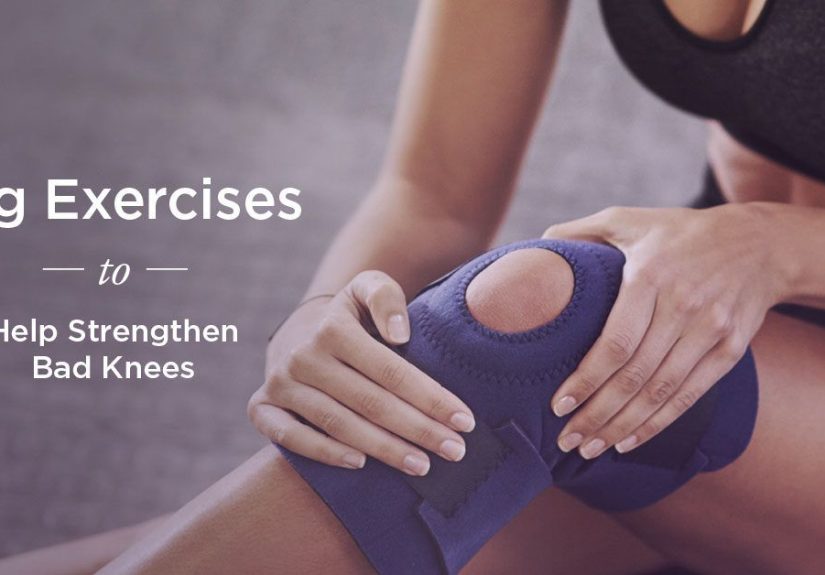
If your knees complain every time you stand up, climb stairs, or attempt a squat that looked much easier on YouTube, welcome to a very crowded club. The good news is that “bad knees” do not automatically mean “no exercise.” In many cases, the right leg exercises can actually help reduce stiffness, improve joint support, and make everyday movement feel less dramatic. Your knees may still have opinions, of course. Knees always do. But they often become much more cooperative when the muscles around them are stronger and more flexible.
This guide is built around a simple idea: your knees do not work alone. They rely on your quadriceps, hamstrings, glutes, hips, calves, and core to help control movement and absorb force. When those muscles are weak or tight, the knee often ends up doing extra work, which is a terrible assignment for an already cranky joint. The goal here is not to “push through” pain like a movie hero. The goal is to move smarter, strengthen what supports the knee, and stretch what is pulling it out of balance.
Why Leg Exercises Matter When Your Knees Hurt
Knee pain can show up for lots of reasons: osteoarthritis, patellofemoral pain, overuse, poor mechanics, old injuries, weak hips, tight hamstrings, or simply years of asking your body to do impressive things while sitting at a desk the rest of the time. Whatever the cause, the surrounding muscles matter. Stronger muscles can help support and protect the joint, while gentle stretching and range-of-motion work can reduce stiffness and improve how your leg moves.
That is why the best approach for sore knees usually combines two things instead of picking one side in the great fitness debate. Stretching helps you move with less tug-of-war. Strengthening helps you control that movement. Put them together, and your knees often stop acting like overcaffeinated hall monitors.
Before You Start: The Rules of Knee-Friendly Exercise
1. Favor gentle discomfort over sharp pain
A mild stretch, muscle fatigue, or a “working hard” feeling is usually fine. Sharp, stabbing, catching, or worsening joint pain is your cue to stop, modify, or switch exercises. If your symptoms ramp up and stay angry for hours, the workout was probably too much.
2. Start small, not heroic
One set of a few repetitions done well beats three sloppy sets done with the energy of a collapsing lawn chair. Build gradually as your tolerance improves.
3. Avoid the usual troublemakers at first
Deep squats, jumping, hard running, high-impact aerobics, and lunges that jam the knee forward can flare sensitive knees. That does not mean these moves are banned forever, but they are rarely the best opening act.
4. Use slow, controlled form
Momentum is fun for roller coasters, not rehab-style exercise. Move slowly enough that your muscles do the work instead of letting the joint absorb the chaos.
5. Warm up first
Try 5 to 10 minutes of easy walking, a stationary bike with low resistance, or gentle marching in place. Warm muscles are usually more cooperative than cold ones.
The Best Stretches for Bad Knees
Stretching will not magically erase knee pain overnight, but it can improve flexibility in the muscles that influence knee mechanics. The trick is to stretch gently and consistently, not like you are trying to win a flexibility contest against a yoga instructor on social media.
Hamstring Stretch
Tight hamstrings can limit knee and hip motion, which may change how you walk, squat, or climb stairs. Sit on the edge of a chair with one heel on the floor and toes pointed up. Keep your back straight and hinge forward from the hips until you feel a stretch in the back of the thigh. Hold for 20 to 30 seconds. Repeat 2 to 4 times per side.
Quadriceps Stretch
Your quadriceps help control knee movement, but if they are tight, they can increase pressure around the kneecap. Stand while holding a chair or wall for balance. Bend one knee, bringing your heel toward your buttock, and gently hold your ankle or pant leg. Keep your knees close together and your torso upright. Hold for 20 to 30 seconds and repeat on both sides.
Calf Stretch
The calf muscles affect ankle movement, and limited ankle mobility can force the knees to compensate. Stand facing a wall, step one foot back, keep the heel down, and lean forward until you feel a stretch in the calf. Hold 20 to 30 seconds, then switch legs.
Hip Flexor Stretch
Tight hip flexors can contribute to poor posture and altered lower-body mechanics. Try a half-kneeling stretch with one knee on a pad or towel and the other foot planted in front. Gently shift forward while squeezing the glute of the kneeling side. You should feel the stretch in the front of the hip, not in the lower back.
Figure 4 Glute Stretch
Lie on your back with knees bent. Cross one ankle over the opposite knee, then gently pull the uncrossed leg toward your chest. This can ease tension in the glutes and outer hip, which often play a bigger role in knee comfort than people realize.
The Best Strength Exercises for Bad Knees
These exercises focus on the major muscle groups that support knee function. They are simple, effective, and far less dramatic than the “shred your legs in 7 minutes” routines that leave your joints writing formal complaints.
1. Quad Sets
Lie on your back or sit with your leg extended. Tighten the front of your thigh and press the back of your knee gently downward into the floor or a rolled towel. Hold for 5 seconds, then relax. Do 10 to 15 repetitions per side.
Why it helps: This wakes up the quadriceps without forcing a lot of knee motion. It is a great starting point if your knee is painful, swollen, or recovering from inactivity.
2. Straight Leg Raises
Lie on your back with one knee bent and one leg straight. Tighten the thigh of the straight leg and lift it to the height of the bent knee. Hold briefly, then lower with control. Aim for 8 to 12 repetitions per side.
Why it helps: Straight leg raises strengthen the quads while keeping the knee relatively protected. They are a favorite for a reason: boring, yes, but effective.
3. Short Arc Quad Raises
Place a rolled towel or foam roll under one knee while lying on your back. Straighten the leg by lifting your foot and tightening the front of the thigh. Pause, then lower slowly. Repeat 10 times on each side.
Why it helps: This move trains the quads in a smaller range, which is often more comfortable for irritated knees.
4. Bridges
Lie on your back with both knees bent and feet flat. Tighten your core and glutes, then lift your hips until your body forms a straight line from shoulders to knees. Hold for 3 to 5 seconds and lower slowly. Do 10 to 15 reps.
Why it helps: Bridges strengthen the glutes and hamstrings. Strong glutes help take pressure off the knees during standing, walking, and stair climbing.
5. Side-Lying Leg Raises
Lie on your side with the top leg straight. Lift it to hip height without rolling backward, then lower slowly. Keep the toes facing forward, not up toward the ceiling. Perform 10 to 15 reps per side.
Why it helps: This targets the hip abductors and glutes, which are huge players in knee alignment. Weak hips can let the knee collapse inward during movement, which your kneecap usually hates.
6. Hamstring Curls
Stand behind a chair for support. Bend one knee and bring the heel toward your buttock as far as is comfortable. Hold briefly, then lower. Complete 10 to 15 reps per side.
Why it helps: Hamstrings support the back of the leg and help balance the work done by the quadriceps.
7. Calf Raises
Stand holding a chair or counter. Rise onto your toes, pause, then lower slowly. Start with both feet. If that feels easy, progress carefully. Perform 10 to 15 repetitions.
Why it helps: Calf strength improves ankle control and lower-body stability, both of which can make walking and stair use feel smoother.
8. Sit-to-Stand
Sit in a sturdy chair with feet hip-width apart. Lean slightly forward from the hips, press through your feet, and stand up without using your hands if possible. Sit back down slowly. Start with 6 to 10 reps.
Why it helps: This is real-life strength training. It improves function for one of the most important daily movements: getting out of a chair without making sound effects.
9. Step-Ups
Using a low step, place one foot up, press through it, and bring the other foot up. Step down with control. Hold a railing or counter if needed. Begin with 6 to 10 reps per side.
Why it helps: Step-ups train the muscles you need for stairs, curbs, and general life. Keep the step low and the movement controlled to avoid irritating the knee.
10. Mini Squats
Stand holding a support. Bend your knees a few inches only, keeping your weight balanced and your knees tracking over your feet. Return to standing by squeezing your glutes. Try 8 to 10 reps.
Why it helps: Mini squats build useful strength without the deeper knee angles that often trigger pain. Small squat, big payoff.
A Simple Weekly Routine
If you need structure, try this beginner-friendly plan:
3 to 4 days per week
- Warm-up: 5 to 10 minutes easy walking or cycling
- Hamstring stretch: 2 rounds per side
- Calf stretch: 2 rounds per side
- Quad sets: 10 to 15 reps
- Straight leg raises: 8 to 12 reps
- Bridges: 10 reps
- Side-lying leg raises: 10 reps per side
- Sit-to-stand or mini squats: 6 to 10 reps
- Cool-down walk: 3 to 5 minutes
As that becomes easier, add a second set, increase repetitions gradually, or add step-ups and hamstring curls. Progress should feel steady, not punishing.
Low-Impact Cardio That Usually Plays Nice With Knees
Strength work is essential, but general movement matters too. Walking on even surfaces, swimming, water exercise, tai chi, and gentle cycling are commonly recommended because they keep you active without pounding the joints. If one option aggravates your knees, swap it out. Low-impact does not mean one-size-fits-all. A stationary bike may feel amazing for one person and annoy someone with kneecap pain. Your knees are allowed to be picky; the routine just has to be sustainable.
When to Stop and Get Medical Advice
Exercise is helpful for many kinds of knee pain, but it is not the answer to everything. Check in with a healthcare professional if your knee locks, gives way, looks visibly swollen, cannot fully straighten, hurts badly with weight bearing, or if symptoms follow a fall or twisting injury. Those signs may point to something more serious than simple deconditioning or stiffness.
You should also get help if you have tried knee-friendly exercises for a couple of weeks and nothing improves, or if each session leaves the joint more inflamed instead of more capable. A physical therapist can tailor the exercises to your exact issue instead of making you guess which internet move your knee will accept today.
Common Mistakes That Make Bad Knees Worse
- Doing too much too soon: enthusiasm is admirable, but irritated knees prefer patience.
- Ignoring the hips and glutes: knee pain often starts upstream.
- Stretching aggressively: more force does not equal better results.
- Using poor form: knees collapsing inward or moving far past comfort can stir up pain.
- Stopping all activity: total rest often leads to more stiffness and weakness.
Final Thoughts
The best leg exercises for bad knees are rarely flashy. They are the reliable, low-drama moves that improve flexibility, build support, and help you move with more confidence. Stretch the tight stuff. Strengthen the weak stuff. Respect pain signals without becoming afraid of movement. That is the sweet spot.
If your knees have been grumbling for a while, think of this as a reset, not a punishment. Start with what feels manageable, stay consistent, and let progress be pleasantly boring. In knee rehab, boring is often exactly what works.
Real-Life Experiences With Leg Exercises for Bad Knees
Ask ten people with knee pain what finally helped, and you will hear ten slightly different stories with one suspiciously similar ending: they stopped chasing miracle fixes and started doing consistent, sensible exercise. That may not be the most glamorous ending in fitness history, but it is often the truest.
One common experience is realizing that the knee itself was not the only problem. Many people begin with the assumption that they need to “fix the knee,” then discover that weak glutes, stiff hips, or tight calves were making the joint work overtime. The first week of bridges and side-lying leg raises can feel almost insultingly easy. Then, a few days later, someone notices they got out of the car without bracing for pain like they were preparing for battle. That is usually the moment the program starts to feel worth it.
Another familiar pattern is the slow victory of the sit-to-stand. At first, standing from a chair may require a strategic sigh, a little rocking motion, and perhaps a brief spiritual consultation. But with practice, the movement becomes smoother. Stairs feel less rude. Walking across a parking lot becomes less of a negotiation. These are not dramatic before-and-after moments made for viral videos, but they are exactly the kind of improvements that matter in real life.
People with arthritis often describe a mental shift as much as a physical one. They start out worried that exercise will wear their joints down faster, only to find that gentle, regular movement actually reduces stiffness. Morning knees that once felt rusted shut may loosen up after a short walk and a few stretches. That does not mean every day is perfect. Weather, activity level, sleep, and stress can all affect symptoms. But many people report fewer terrible days and more manageable ones, which is a huge win.
There is also the matter of patience, which nobody enjoys hearing about and everybody ends up needing. Knee-friendly exercise tends to reward consistency over intensity. People who improve usually do not describe one magical workout. They describe repeating the basics over and over until the basics started working. Quad sets while watching TV. Calf stretches at the kitchen counter. Mini squats while waiting for coffee. It is less “athlete montage” and more “quietly becoming stronger while living your life.”
Of course, there are frustrating experiences too. Some people discover that cycling feels fantastic, while others find that certain bike settings irritate the front of the knee. Some love mini squats but hate step-ups. Some tolerate walking but not downhill walking. This is normal. The most useful lesson many people learn is that successful exercise is not about forcing the body into a perfect template. It is about adjusting the routine until it fits. A lower step, fewer reps, a shorter hold, an extra rest day, or better shoes can make all the difference.
Many also say they wish they had started earlier and gentler. Instead of waiting until pain became impossible to ignore, they wish they had begun with a few simple strengthening and stretching moves before the knee got so irritated. The silver lining is that improvement can still happen after months or even years of discomfort. Progress may not be fast, but it is often very real.
The most encouraging experience of all is probably this: people stop feeling fragile. When the knee hurts, it is easy to become cautious in every movement and to assume the joint is one wrong step away from disaster. But as strength improves, confidence often returns too. Walking, standing, climbing stairs, and getting through the day can feel normal again, or at least much less dramatic. And honestly, when your knees stop starring in every routine activity, that feels like a luxury.
So if you are just getting started, do not underestimate the power of simple exercises done faithfully. The changes may begin quietly. Less stiffness. Better balance. Easier stairs. Fewer complaints from your knees during ordinary tasks. That is how many real success stories start: not with a miracle, but with a mat on the floor, a sturdy chair nearby, and the decision to keep going without trying to be a hero.