Table of Contents >> Show >> Hide
- Why Lightning Talks Run Long (Even When Everyone Means Well)
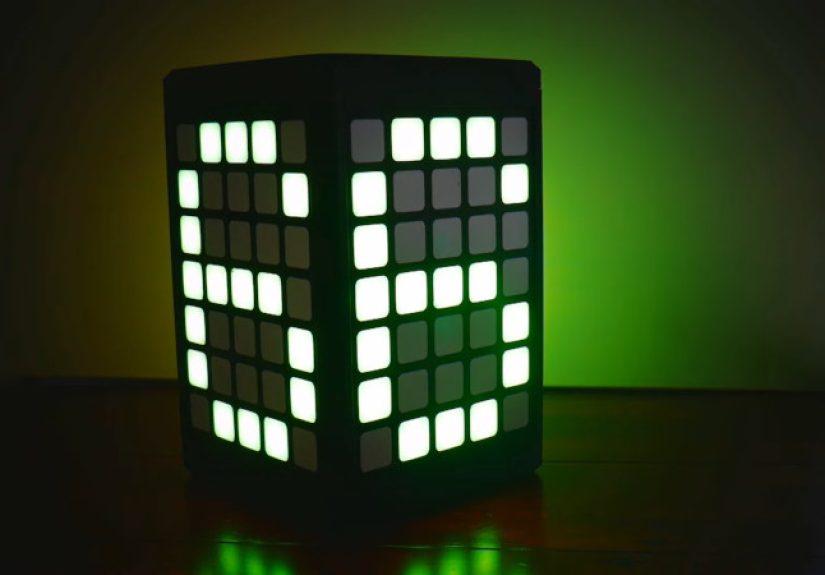
- The Device: A “Stoplight” Speaker Timer That Makes Time Visible
- How to Use the Timer Device in a Real Lightning-Talk Session
- Speaker Strategy: Staying On Time Without Sounding Rushed
- Organizer Strategy: Keeping the Whole Session On Schedule
- Picking the Right Timing Setup: Four Practical Options
- Pro Tips and Common Pitfalls (So You Don’t Learn the Hard Way)
- Conclusion: The Easiest Way to Respect Everyone’s Time
- Extra: Lightning Talk “Experience” Stories (500+ Words of Real-World Moments)
- SEO Tags
Lightning talks are the espresso shots of public speaking: small, powerful, and best consumed before anyone starts
reading their entire dissertation aloud. They’re designed to keep ideas crisp, audiences awake, and schedules from
turning into a tragic “we’ll just skip lunch” situation.
And yet… lightning talks have a natural predator: the human tendency to say, “I’ll be quick,” and then immediately
invent seven more minutes of context. If you’ve ever hosted a lightning session, you already know the math:
five-minute talks + “just one more thing” = one-hour delay and a room full of people quietly bargaining with the
universe.
The fix isn’t shouting “TIME!” like a game-show buzzer (tempting, though). The fix is a simple, highly visible
speaker-timing devicethe kind that uses a countdown plus unmistakable red/yellow/green signalsso
speakers can self-correct in real time and organizers can keep the entire program moving without awkward mic-wrestling.
Why Lightning Talks Run Long (Even When Everyone Means Well)
Most overruns aren’t caused by bad intentions. They’re caused by predictable “speaker physics.” Here are the usual
culprits:
1) Time dilation is real (on stage)
The same two minutes that crawl during a dentist appointment can vanish instantly when you’re presenting something
you care about. Speakers glance up, see “00:48,” and react the way humans always react to surprise numbers: denial,
bargaining, and “I can still land this plane.”
2) Slides breed optimism
A deck with 18 slides looks “short.” A deck with 18 slides plus your speaking pace looks like a Netflix limited series.
Lightning talk formats like Ignite and PechaKucha get around this by forcing auto-advance, but many lightning sessions
are loosermeaning the speaker controls the clicker, and the clicker controls the universe.
3) The “quick example” trap
A quick example is never quick. A quick example is a doorway into story time. And story time, while delightful, is how
a three-minute talk becomes a seven-minute talk with bonus lore and an unplanned Q&A.
4) Transitions quietly steal minutes
Plugging in a laptop, finding the right window, “Can everyone see my screen?” and the classic “Sorry, it’s on the other
desktop” can each take 30–60 seconds. Multiply by 10 speakers and congratulations: you’ve built a time sink with free
coffee.
The Device: A “Stoplight” Speaker Timer That Makes Time Visible
When people say “speaker timer device,” they usually mean a purpose-built setup with two parts:
- A timer display (countdown or count-up) that’s easy to read from a few feet away.
-
A red/yellow/green signal light (often a bar or stoplight-style lamp) that communicates status instantly:
green = you’re good, yellow = wrap it up, red = please land this thing.
The beauty is that it works with the way humans actually process information. When you’re speaking, your brain has
limited bandwidth. Reading a tiny clock is effort. Seeing a big green light turn yellow is effortless. It’s not just
timekeepingit’s cognitive kindness.
What a good lightning-talk timer device typically includes
- Preset programs (e.g., 3:00, 4:00, 5:00, 6:40) so you’re not fumbling with buttons mid-event.
- Clear visual thresholds (e.g., green until 1:00 remaining, yellow at 1:00, red at 0:00).
- Remote control so a timekeeper or stage manager can start/stop/reset without sprinting to the podium.
- Stage visibility: the speaker can see the signal without turning around or breaking flow.
- Optional audience signal (useful when you want the room to feel the cadence of the session).
Think of it as a friendly referee. It doesn’t tackle anyone. It just makes the rules obvious enough that most people
follow them.
How to Use the Timer Device in a Real Lightning-Talk Session
The goal is to keep things strict enough to stay on schedule, but not so strict that speakers feel like they’re being
chased by a swarm of bees. Here’s a practical setup that works for most meetups, conferences, and internal company demos.
Step 1: Pick your lightning format (and announce it clearly)
“Lightning talk” can mean many things, so define the container. Examples:
- 3 minutes (super-snappy updates)
- 5 minutes (classic lightning pacing)
- 6:40 (PechaKucha-style rhythm)
- 5 minutes with auto-advancing slides (Ignite-style energy)
Step 2: Set thresholds that encourage a clean ending
A simple rule of thumb:
- Green: from start until 60 seconds remaining
- Yellow: last 60 seconds (wrap-up mode)
- Red: time is up (final sentence only)
For 3-minute talks, make yellow the last 30 seconds. For 5-minute talks, the last 60 seconds is usually perfect.
The point isn’t punishmentit’s giving speakers a predictable runway.
Step 3: Place the signal where speakers naturally look
Put the light/timer slightly below eye level, near the back of the room or just off-centersomewhere speakers can glance
without turning their whole body. If the device is on the floor behind the lectern, you’ve basically built a timekeeping
system for ankles.
Step 4: Assign a timekeeper who is calm, consistent, and mildly unstoppable
The best timekeepers are friendly but firm. They start the timer the same way every time. They don’t negotiate with
speakers. They don’t “forget to start it” because the opening was charming. They are the metronome of justice.
Speaker Strategy: Staying On Time Without Sounding Rushed
The timer device helps in the moment, but speakers can do a lot to prevent “panic yellow” in the first place.
Here’s what actually works when your whole talk is shorter than most people’s lunch order.
Use a three-beat structure (because your brain likes patterns)
- Beat 1 (0:00–1:00): The hook + what this is about + why we should care.
- Beat 2 (1:00–4:00): The core idea, usually 2–3 points max, with one concrete example.
- Beat 3 (last minute): The takeaway + what to do next (or what you want the audience to remember).
If you have more than three major ideas, you don’t have a lightning talkyou have a conference workshop that’s wearing
a lightning-talk costume.
Rehearse with the same constraints you’ll face live
If you’re using auto-advance slides (Ignite/PechaKucha style), rehearse with auto-advance turned on. If you’re using
a countdown timer device, rehearse with a countdown. Don’t practice in “infinite time” and then act surprised when
time behaves like time.
Lean on presenter tools, but don’t let them become a crutch
Presenter views in common slide software can show speaker notes and help you stay oriented, and many presenters use
built-in rehearsal features to dial in pacing. These tools are excellentuntil they become the only way you can stay
on track.
The timer device is better for lightning talks because it’s external, visible, and doesn’t depend on your laptop
behaving like a cooperative teammate.
Use “time anchors” instead of memorizing a full script
Memorizing every sentence often makes speakers fragile: miss one line and everything collapses. Instead, set anchors:
- “By the time it turns yellow, I’m on my finalJSg: I’m on my final example.”
- “If it turns red, I skip to the takeaway slide immediately.”
- “I never start a brand-new story after yellow.”
Anchors turn timing into a decision tree, not a stress test.
Organizer Strategy: Keeping the Whole Session On Schedule
The timer device helps individual speakersbut organizers make lightning talks truly run on time by designing the
session like a system.
Build a simple run of show (yes, even for a casual meetup)
A run of show can be a spreadsheet or a one-page doc, but it should include:
- Speaker order and talk titles
- Exact talk length
- Transition time between speakers (even 30 seconds is worth writing down)
- Who starts/resets the timer
- What happens at red (hard stop? fade out music? gentle cut?)
This isn’t about turning your meetup into Broadway. It’s about making the schedule real enough to follow.
Standardize the handoff
Every transition should feel the same:
- Host announces speaker.
- Speaker reaches the stage.
- Timekeeper confirms “Ready?”
- Timer starts on the first spoken word (not during applause, not while the laptop wakes up).
- Speaker finishes; host returns; timer resets.
Predictable rhythm reduces transition chaos and keeps the room’s energy high.
Decide your “red-light policy” before you need it
If you wait until someone is 90 seconds over to decide whether you’ll cut them off, you’ve already lost.
Pick a policy and state it up front. Options:
- Soft stop: Red means “finish your sentence, then end.”
- Hard stop: Red means the mic is muted (dramatic, but effective).
- Slide blackout: Red triggers a screen fade or “Thank you!” slide.
Most communities do best with a soft stop plus a host who’s willing to step in kindly when needed.
Picking the Right Timing Setup: Four Practical Options
Not every event needs the same gear. Here are the common setups, from simplest to “conference-mode.”
Option 1: The stoplight timer device (best for live rooms)
Best for: In-person events, conference breakouts, multi-speaker sessions, rooms where presenters won’t
reliably watch a laptop clock.
Why it works: It’s visible, universal, and doesn’t require speakers to install anything.
Option 2: A dedicated on-screen stage timer (great for hybrid)
Best for: Virtual or hybrid events with a tech host controlling the flow.
Why it works: You can show a full-screen countdown on a confidence monitor or a private stream, and
control it remotely.
Option 3: Presenter-view timers inside slide software (great for solo speakers)
Best for: A single presenter or a small internal meeting where everyone uses the same setup.
Why it works: Notes + slide previews + a sense of pacing in one place.
Option 4: Vibration alerts on a presenter remote (quiet, personal nudges)
Best for: Speakers who hate looking at clocks and want a discreet “wrap it up” reminder.
Why it works: It’s private and doesn’t distract the audience.
Pro Tips and Common Pitfalls (So You Don’t Learn the Hard Way)
Make timing accessible
Color is fast, but not everyone perceives color the same way. Pair color with another cue:
a numeric countdown, a change in brightness, or a gentle sound cue for the speaker only.
Don’t place the device where speakers must “choose” between the audience and the timer
If speakers have to turn their back to check time, they won’t check time. Then they’ll run long. Then everyone will
pretend it’s fine. Then the schedule will crumble. Place it where a quick glance works.
Build a “yellow plan” into every talk
Encourage speakers to pre-decide what gets cut when yellow hits. The best lightning talks are not the ones that cram
everything inthey’re the ones that finish cleanly.
Protect transitions like they’re part of the program (because they are)
A lightning session is a chain. If each link adds 30 seconds of chaos, the chain becomes a lasso and someone eventually
gets emotionally yeeted.
Conclusion: The Easiest Way to Respect Everyone’s Time
Lightning talks work because they respect the audience: tight ideas, high energy, no meandering detours into “here’s our
company history since 1997.” But that respect only holds if the schedule holds.
A dedicated stoplight-style timer device makes time visible in the least awkward way possible. Speakers get real-time
feedback without breaking flow. Organizers get a session that starts and ends when it’s supposed to. And the audience
gets the best gift an event can offer: momentum.
If you want lightning talks to feel like lightningnot like a slow-moving weather systemmake timing impossible to
ignore. Put time where everyone can see it. Then let great ideas do what they do best: arrive fast and leave people
wanting more.
Extra: Lightning Talk “Experience” Stories (500+ Words of Real-World Moments)
Lightning talks are where schedules go to either become legends… or become cautionary tales told in hushed tones near
the snack table. Over time, a few recurring “experience patterns” show up at almost every eventwhether it’s a tech
meetup, an internal demo day, or a research mini-symposium.
The Overconfident Opener
The first speaker steps up and says, “Don’t worry, I’ll be quick.” The crowd relaxes. Somewhere, an organizer smiles,
hopeful. Then the speaker opens with a thoughtful backstory: how they discovered the problem, what inspired them, the
origin story of their laptop sticker collection, and a brief cameo by a college roommate who “really shaped my thinking.”
Two minutes disappear. The timer flips to yellow. The speaker sees it, nods, and continues as if yellow means
“congratulations, you’re doing amazing.”
This is where the device helpsbecause it doesn’t just show time. It shows urgency. A clear yellow signal is a
turning point that prompts a useful question: “What’s the one thing I want people to remember?” Great speakers use
yellow as a cue to shift from setup to takeaway. The talk ends cleanly, and the audience actually claps because the
ending happened on purpose.
The Slide Clicker Mystery
Another classic experience: the clicker stops working. Someone replaces the batteries. Someone else suggests pointing
it “more at the screen.” The speaker starts manually tapping arrow keys like they’re playing a rhythm game.
Meanwhile, the session time drifts into the ocean.
A visible timing device reduces the chaos because it separates two things that often get tangled: “Can I advance slides?”
and “Am I still on time?” Even if the slides misbehave, time still behaves. The speaker can simplify on the spot:
fewer points, shorter example, and a crisp landing before the red light becomes a public service announcement.
The Unplanned Q&A Ambush
A speaker finishes “right on time,” and someone asks a question. The speaker answers. Another question appears. The host
hesitates (because cutting off questions feels rude). Suddenly you’re running a bonus panel discussion called
“Lightning Talk: Extended Director’s Cut.”
In sessions that stay on schedule, organizers treat Q&A as a separate box on the run-of-show timeline. If there’s
no Q&A block, questions go to the hallway, a chat channel, or a “find me after” moment. The timer device supports
this culture by making boundaries visible. When the red light hits, it’s not personalit’s policy.
The Surprise Wizard (When It All Works)
And then there’s the best kind of experience: the speaker who rehearsed, trimmed their talk, and uses the timer like a
dance partner. Green means breathe. Yellow means simplify and deliver the punchline. Red never arrives because the talk
ends at “00:07” with a clean final sentence that feels like a mic drop (without actual mic droppingplease don’t).
Those speakers make lightning talks addictive. The room stays energized. The schedule stays intact. And the organizer
gets to do the rarest event-host flex of all: ending on time.