Table of Contents >> Show >> Hide
- What Makes a “Million Dollar” Pound Cake Different?
- Ingredient Blueprint for a Buttery, Tender Crumb
- Million Dollar Pound Cake Recipe (Step-by-Step)
- Flavor Variations That Still Respect the Classic
- Troubleshooting: Why Pound Cakes Fail (and How to Fix Yours)
- Storage, Make-Ahead, and Food Safety
- Frequently Asked Questions
- Real-Kitchen Experience: of Lessons from Repeated Bakes
- Conclusion
Some cakes are flashy. Some cakes are trendy. And then there is pound cakethe confident, classic, butter-forward queen that does not need glitter to impress anyone.
If you are here for a true Million Dollar Pound Cake recipe, you are in the right kitchen. This guide gives you a deeply tested, old-school method with modern troubleshooting so your cake comes out rich, tender, and sliceable (not dry, not gummy, not mysterious).
The best part? You do not need complicated ingredients. You need patience, good mixing technique, and a little baker’s attitude: “I will not rush the butter.”
By the end of this article, you will have:
- A reliable recipe with exact steps and timing cues
- Practical tips for texture, rise, and flavor
- Serving ideas for holidays, brunches, and “just because it’s Tuesday” moments
- A long-form real-kitchen experience section so you can avoid common mistakes before they happen
What Makes a “Million Dollar” Pound Cake Different?
The name usually points to flavor and texture, not fancy ingredients. A classic Million Dollar version uses a simple pantry lineuplots of butter, sugar, eggs, flour, milk, and extractsthen relies on proper creaming and gentle mixing for structure.
Unlike many layer cakes, this style often has no baking powder or baking soda in the base formula. Air from creaming does the heavy lifting.
Translation: this cake is “million dollar” because the crumb feels luxurious, the crust is deeply golden, and the flavor gets even better on day two.
It is dense in a good wayvelvety, not heavy; sturdy, not dry.
Ingredient Blueprint for a Buttery, Tender Crumb
Core Ingredients
- Butter (1 pound / 4 sticks): the heart of pound cake flavor and texture
- Granulated sugar (3 cups): sweetness + structure during creaming
- Large eggs (6): richness, stability, and natural lift
- All-purpose flour (4 cups): body and crumb
- Milk (3/4 cup): moisture and batter balance
- Vanilla extract (2 tsp): warm, classic aroma
- Almond extract (1 tsp): signature “bakery” note
- Optional salt (1/2 tsp if using unsalted butter): flavor contrast
Why Room Temperature Matters (Yes, It Really Does)
Room-temperature butter and eggs help form a stable emulsion and trap air during creaming. Cold ingredients can cause curdling and a tighter crumb.
Think of this as setting your batter up for success before the mixer even starts.
Best Pan and Oven Setup
A 10-inch tube pan is traditional and gives great structure for this batter volume. Grease every corner and flour well. Place the pan on the center rack so heat circulates evenly.
If your oven runs hot, use 300°F and bake longer; if it runs cooler and steady, 325°F often works beautifully. (More on timing below.)
Million Dollar Pound Cake Recipe (Step-by-Step)
Yield and Timing
- Yield: 10–16 servings (depending on slice size)
- Active time: about 30 minutes
- Bake time: about 80–100 minutes
- Total time: roughly 2 to 2 1/2 hours including cooling
Ingredients
- 1 pound (4 sticks) butter, softened
- 3 cups granulated sugar
- 6 large eggs, room temperature
- 4 cups all-purpose flour, plus extra for pan
- 3/4 cup whole milk, room temperature
- 2 teaspoons vanilla extract
- 1 teaspoon almond extract
- 1/2 teaspoon fine salt (optional, especially if using unsalted butter)
Instructions
-
Prep the pan and oven.
Heat oven to 300°F to 325°F. Grease a 10-inch tube pan thoroughly and flour lightly.
Tap out extra flour. -
Cream the butter.
Beat butter on medium speed until creamy and lighter in color, about 2 minutes. -
Add sugar gradually.
Beat until pale and fluffy, 2–5 minutes. Do not rush this stage; this is where lift begins. -
Add eggs one at a time.
Mix on low to medium-low, incorporating each egg fully before adding the next. -
Add flavoring.
Mix in vanilla, almond extract, and optional salt. -
Alternate flour and milk.
Add flour and milk in portions, beginning and ending with flour. Mix on low just until blended after each addition. -
Final fold.
Scrape bowl and gently fold once or twice with a spatula to remove hidden flour pockets. -
Bake.
Transfer batter to pan, smooth top, and bake until golden and a long skewer comes out clean:- At 300°F: often around 95–105 minutes
- At 325°F: often around 80–90 minutes
-
Cool correctly.
Cool in pan 10–15 minutes, then unmold to a rack and cool completely before slicing.
Optional Glaze (Simple, Not Too Sweet)
- 1 cup powdered sugar
- 1 1/2 to 2 tablespoons milk or cream
- 1/4 teaspoon vanilla or almond extract
Whisk and drizzle over a fully cooled cake. If your cake is warm, the glaze melts and disappears faster than your willpower near dessert time.
Flavor Variations That Still Respect the Classic
1) Lemon-Vanilla Million Dollar Pound Cake
Add 1 tablespoon lemon zest and swap almond extract for lemon extract (or use half-and-half). Great with berries and lightly sweetened whipped cream.
2) Almond-Citrus Celebration Version
Keep the almond extract and add orange zest. Finish with a thin orange glaze. This version shines at holidays and brunch tables.
3) Vanilla Bean + Salted Butter Route
Use salted butter and real vanilla bean paste for a richer, bakery-style profile. Keep extra salt minimal.
4) Serve-It-Your-Way Pairings
- Fresh strawberries + whipped cream
- Warm berry compote + Greek yogurt
- Toasted slices + vanilla ice cream
- Coffee glaze + chopped pecans
Troubleshooting: Why Pound Cakes Fail (and How to Fix Yours)
Problem: Dense or gummy streaks
Usually caused by overmixing after flour is added, or batter that collapsed after overworking.
Fix: mix gently once flour enters the bowl; low speed, short intervals, and final hand fold.
Problem: Dry cake
Often from too much flour (packed measuring cup) or overbaking.
Fix: spoon-and-level flour, check doneness early, and avoid automatic “extra 15 minutes just in case.”
Problem: Cake sticks to pan
Usually incomplete greasing/flouring or removing too late.
Fix: grease every seam, flour thoroughly, then cool 10–15 minutes before release.
Problem: Batter looks curdled
Common when eggs are cold or added too fast.
Fix: use room-temp eggs and add one at a time, fully combining each.
Problem: Cracked top
In most pound cakes, a top crack is normaland often a sign you built good structure through creaming.
Storage, Make-Ahead, and Food Safety
This cake is an excellent make-ahead dessert because flavor settles and improves as it rests.
- Room temperature: store airtight up to 3 days
- Freezer: wrap tightly and freeze up to 3 months for best quality
- For longer hold: freezing at 0°F keeps food safe; quality changes over time, not safety
Because this recipe uses multiple eggs, follow clean handling basics: wash hands, bowls, tools, and counters after contact with raw eggs.
If you are baking for vulnerable guests (young kids, older adults, immunocompromised family), strict kitchen hygiene is non-negotiable.
Frequently Asked Questions
Do I need baking powder for Million Dollar Pound Cake?
Usually no. Traditional versions rely on creamed butter, sugar, and eggs for lift.
Should I bake at 300°F or 325°F?
Both can work. 300°F gives a slower, old-fashioned bake; 325°F shortens time.
Choose based on your oven behavior and pan color.
Can I make it a day ahead?
Absolutely. Many bakers prefer day-two slices because flavor and crumb settle nicely overnight.
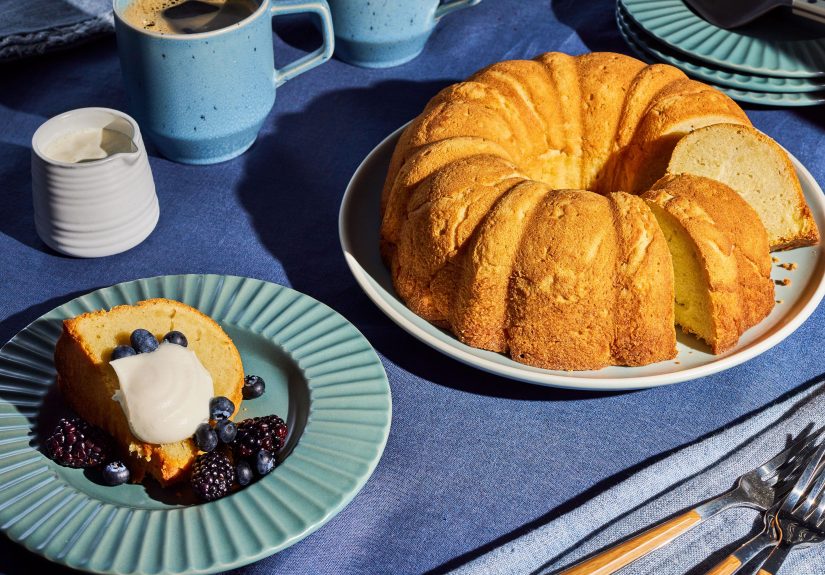
Can I use a Bundt pan?
Yes, if capacity is similar. Watch bake time closely because decorative pans can brown edges faster.
Real-Kitchen Experience: of Lessons from Repeated Bakes
After many rounds of testing this Million Dollar Pound Cake recipe, I can confidently say the biggest ingredient is patience.
My first bake looked pretty from the outside, but the center was tighter than expected. Why? I treated creaming like a quick pit stop.
Butter and sugar need time to go pale and fluffy. Once I gave that stage a full 4–5 minutes, everything changed: better rise, finer crumb, and that classic tender density people actually want in a pound cake.
Batch two taught me an egg lesson. I grabbed eggs straight from the fridge, added them too quickly, and watched the batter look slightly broken.
The cake still baked, but the texture was uneven. Since then, I let eggs sit out and add them one by one, mixing each until the yolk disappears.
It sounds basic, but this alone removed 80% of my texture inconsistency.
Batch three was my “flour humility” moment. I packed flour directly from the bag into measuring cups and ended up with a drier crumb.
Once I switched to spoon-and-level, the cake returned to soft, buttery balance.
Pound cake is not difficult, but it is precise. Small measuring habits create big texture differences.
On timing, I tested both 300°F and 325°F in different ovens. My older oven, which runs a little hot, produced the best crust and interior at 300°F.
A newer, more stable oven did great at 325°F in roughly 85 minutes.
I now tell friends: follow the clock loosely, follow the cake closely.
Color, aroma, and a clean skewer matter more than blind loyalty to one minute mark.
Cooling was another game-changer. I used to slice too soon because the kitchen smelled like buttered heaven and self-control left the room.
Warm cake tastes good, sure, but structure keeps setting as it cools. Slicing early made a few loaves look underbaked even when they were done.
Waiting gave me cleaner slices and a more elegant crumb.
It is the hardest easy tip in baking.
For serving, I tried everything from heavy icing to plain slices.
The clear winner for crowds was simple: fresh berries, lightly sweetened whipped cream, and optional warm jam on the side.
The cake stayed the star, and guests could customize each slice.
For holiday tables, I used a thin almond-vanilla glaze plus orange zest, which looked impressive without turning the cake sugar-heavy.
Storage tests were surprisingly fun. Wrapped well, this cake held beautifully at room temp for a few days.
Frozen slices also worked great for portion control: I wrapped slices individually, then thawed at room temperature before serving.
A quick warm-up in a low oven made day-three slices taste freshly baked.
The biggest takeaway from these experiences: this recipe rewards calm baking.
If you respect temperature, mixing order, and cooling time, this cake becomes dependable enough for birthdays, church potlucks, office celebrations, and random Wednesday cravings.
If a bake goes wrong, do not quitadjust one variable and try again.
Pound cake is one of the most forgiving teachers in baking, and once you learn its rhythm, you will keep this recipe for life.
Conclusion
A true Million Dollar Pound Cake recipe is not about luxury ingredientsit is about technique, timing, and restraint.
Cream thoroughly, mix gently, bake patiently, and cool completely.
Do that, and you get a buttery Southern classic with a fine crumb, golden crust, and flavor that earns repeat requests.
In other words: one humble cake, absolutely premium results.