Table of Contents >> Show >> Hide
- The Search That Turned Into a Mission
- Meet the Mom Who Said, “Fine. I’ll Make the Doll.”
- Why a Doll With Hearing Aids Can Be a Big Deal
- Big Brands NoticedAnd the Toy Aisle Started to Change
- What “Inclusive Dolls” Should Actually Mean
- How Parents Can Encourage Inclusive Play at Home
- Inclusive Dolls, Inclusive World: The Bigger Why
- Real-World Experiences That Prove This Isn’t “Just a Doll” (Extra)
- Conclusion
Walk into a toy aisle and you’ll notice a strange, unspoken rule: dolls can have a thousand outfits, forty-seven careers,
and hair that obeys no known laws of physics… but somehow they all hear perfectly. Meanwhile, real kids are out here rocking
hearing aids, cochlear implants, feeding tubes, glasses, braces, scars, birthmarks, and a whole constellation of “this is me”
details that make them, well, them.
That gap between real life and toy life is what pushed one mom to do something delightfully bold:
if the market wouldn’t make dolls with hearing aids for her deaf daughter, she’d make them herself.
The result wasn’t just a single custom dollit sparked a broader conversation about disability representation in toys,
inclusive play, and why a tiny plastic hearing aid can carry the emotional weight of a superhero cape.
The Search That Turned Into a Mission
The origin story starts the way many parenting epics do: with a simple request and an internet rabbit hole.
A mom wanted a doll with hearing aidsnothing fancy, no LED screens, no built-in Wi-Fi, just a toy that looked like her child.
She searched. She scrolled. She sighed. And she found… basically nothing.
That “nothing” hit harder than it sounds. For a lot of families, it isn’t about the doll itself.
It’s the message hiding in the absence: you’re the exception, not the expectation.
When kids never see their assistive devices reflected in everyday play, it can quietly teach them that their reality
is something to tuck away.
Hearing loss is commonso why is representation rare?
In the United States, thousands of babies are identified with permanent hearing loss each year through newborn screening,
and the prevalence data shows it’s not some ultra-rare edge case. Many deaf and hard-of-hearing kids use hearing aids,
cochlear implants, or both as part of life from a very young age.
And yet, for years, mainstream toy shelves acted like hearing technology simply wasn’t a thing.
Dolls came with handbags and puppies, but not the devices real kids wear to school, sports, and birthday parties.
That mismatch made the absence feel personalbecause for a child, play is personal.
Meet the Mom Who Said, “Fine. I’ll Make the Doll.”
The mom at the center of this story is Clare Tawell, who started by creating a doll for her daughter Matilda (nicknamed Tilly),
who was born deaf and wore hearing aids early in life. She couldn’t find a doll that matched her child’s hearing aids,
so she modified one herself. Then other families asked. Word spread. What began as one personalized project grew into
a small, hands-on operation making inclusive dolls with hearing aids and other medical features.
The dining-room-table “factory”
One of the most charming (and quietly heroic) details is how low-tech the operation started:
not a massive warehouse, not a sleek assembly linemore like a determined parent, a table,
and the kind of focus usually reserved for assembling furniture with instructions written in hieroglyphics.
Families could request specific details: behind-the-ear hearing aids, cochlear implants, colors that match real devices,
and sometimes extra features like glasses or facial differences. The point wasn’t perfection for perfection’s sake;
it was recognition. The doll didn’t just “have hearing aids.” It had your hearing aids.
Inclusive dolls are more than hearing aids
Once you start noticing what kids don’t see in toys, you can’t unsee it.
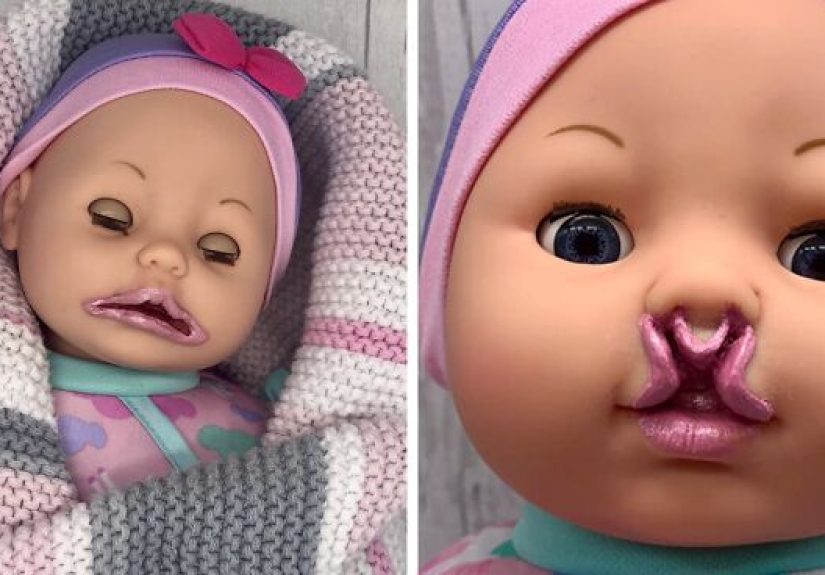
Parents began asking for dolls with feeding tubes, cleft lip features, Down syndrome representation,
scars, ports, insulin pumps, and other medically necessary equipment.
The request list basically read like real lifebecause that’s the whole point.
Why a Doll With Hearing Aids Can Be a Big Deal
Adults sometimes underestimate how deeply kids absorb “normal.” Children learn identity through repetition:
what they see in books, shows, classrooms, andyeson the toy shelf.
When a doll mirrors a child’s assistive device, it can normalize it in a way that lectures never will.
Representation for the child… and for everyone else
Inclusive toys aren’t only for kids with disabilities. They also shape how other kids understand difference.
When hearing aids show up in play, they stop being “that thing” and become “a thing,” period.
A friend playing with a hearing-aid doll is practicing empathy without being told,
“Today’s lesson is Empathy 101, please take out your notebooks.”
It reduces the “spotlight effect”
Many deaf and hard-of-hearing kids experience moments where their devices become the focus:
curious questions, stares, or the dreaded “What’s that on your ear?” in a tone that suggests it might be a tiny alien.
A doll with hearing aids can flip the script. Suddenly, the device is familiar, even cool.
It’s not a medical accessoryit’s part of the character.
Big Brands NoticedAnd the Toy Aisle Started to Change
Grassroots makers can spark a movement, but big companies can scale it.
Over the last few years, mainstream brands have begun releasing dolls that include hearing technology
and disability-inclusive featuresan overdue but meaningful shift.
Barbie’s behind-the-ear hearing aids
Barbie’s Fashionistas line introduced a doll with visible behind-the-ear hearing aids,
developed with input from an educational audiologist and hearing loss advocate.
This matters for two reasons: accuracy (no weird “ear headphones” masquerading as hearing aids)
and normalization (kids can buy it at major retailers instead of needing a special order).
American Girl’s hearing loss representation
American Girl also broke ground with a “Girl of the Year” character who has hearing loss and a hearing aid.
It was a notable step because it didn’t treat the hearing aid as a random accessoryit was part of the character’s story,
integrated into her identity rather than pasted on like an afterthought.
The rise of custom makers
At the same time, custom doll creators in the U.S. have been expanding representation in other directions:
diverse skin tones, natural hairstyles, and personalized accessories like glassesor even hearing aidson request.
Custom makers fill gaps mainstream lines still miss: precise skin matches, unique medical setups,
and the tiny “that’s exactly my kid” details.
What “Inclusive Dolls” Should Actually Mean
Slapping a device on a doll is a start, but inclusive design works best when it’s thoughtful.
Here’s what high-quality disability-inclusive dolls tend to get right.
1) Accuracy without turning the doll into a medical chart
Kids don’t want a toy that feels like a clinic visit. They want a character.
A hearing aid should look like a real hearing aid, fit like one, and be positioned correctly
but the doll should still be playful, stylish, and fun.
2) Options, not “the one disability doll”
Representation shouldn’t feel like a single checkbox.
One hearing-aid doll in a sea of “standard” dolls sends a subtle message:
you’re included, but only in the corner.
A better approach is varietydifferent skin tones, hairstyles, outfits, and hearing technology styles.
3) Inclusive packaging and storytelling
Stories matter. When a hearing aid is treated as normal in the character’s narrative,
it teaches kids that deafness and hearing loss aren’t plot twiststhey’re part of everyday life.
Some brands have started doing this well, weaving disability representation into the character’s identity
without making it the only interesting thing about them.
How Parents Can Encourage Inclusive Play at Home
Even if you don’t have the perfect doll available locally, you can still build inclusive play habits.
The goal isn’t to create a museum exhibit of representation; it’s to make diversity feel normal in daily play.
Mix dolls that “match” and dolls that don’t
If your child uses hearing aids, getting a doll with hearing aids can be powerful.
But it’s also helpful to include dolls with other differenceswheelchairs, vitiligo, prosthetics, varied body types
so the message becomes: everyone belongs, not just “people like me.”
Use language that normalizes devices
Instead of “special” or “different” in a hush-hush tone, try simple language:
“Those help her hear,” or “That helps him communicate.” Kids follow your emotional lead.
If you treat hearing technology as routine, they will too.
Let kids be the experts
Many deaf and hard-of-hearing kids know the names of their devices, their colors, how they work,
and what they need (or don’t need) from adults.
In play, let them decide how the doll uses the hearing aids, when they come off, and what’s “true” for that character.
Inclusive Dolls, Inclusive World: The Bigger Why
The most interesting thing about this mom’s story is not that she made a dollcreative parents do that all the time.
It’s that the doll exposed a gap the rest of us had learned to ignore.
When a child can’t find themselves in toys, it’s not a niche problem. It’s a design problem.
And design problems have solutions: listening to families, consulting experts,
and treating disability-inclusive toys as standardnot seasonal.
The toy aisle doesn’t have to be a fantasyland where everyone has perfect hearing and unbreakable limbs.
It can be a tiny preview of a world where everyone belongs.
Real-World Experiences That Prove This Isn’t “Just a Doll” (Extra)
Let’s talk about what actually happens when inclusive dolls show up in real homes and classrooms,
because this is where the story stops being a heartwarming headline and starts behaving like a practical tool.
The most consistent theme across reported parent and teacher experiences is simple: the room changes.
1) The “my doll matches me” moment
Parents often describe a very specific shift the first time their child sees a doll with hearing aids:
the child’s face relaxes. There’s recognition before there’s language.
It’s not always a big speech. Sometimes it’s just a kid holding the doll closer,
turning it around, checking the ears, and smiling like they’ve discovered a secret level in a video game.
In one widely shared example reported by local news, a New York-area mom customized dolls
with cochlear implants for her daughter. The daughter connected with the doll because it finally mirrored what she wore.
What stood out wasn’t only the child’s reactionit was what happened when friends came over.
The friends played with the doll naturally, and the implants became part of the story instead of “the thing to ask about.”
That’s social inclusion, delivered via playtime.
2) Classroom inclusion on a budget
Not every school has the budget to buy specialty toysand honestly, sometimes the fastest solution is a teacher with
craft supplies and the audacity to say, “I can fix this in ten minutes.”
A California teacher for Deaf and Hard of Hearing students made headlines after she painted hearing devices
onto baby dolls using puffy paint in bright, sparkly colors. Her point was both practical and deeply human:
her students never saw toys that resembled their hearing aids or cochlear implants, so she made it happen.
The impact, according to her, was immediatekids lit up.
Teachers spend a lot of time trying to build confidence through lessons.
This was confidence through normalization: hearing technology wasn’t a lecture topic,
it was just another thing a baby doll could have, like a bottle or a blanket.
3) When big brands join in, access expands
For families, custom dolls can be deeply meaningfulbut availability matters.
When a child can walk into a major store or scroll a mainstream retailer and find a Barbie with behind-the-ear hearing aids,
it sends a different kind of message: “You’re not a special order. You’re part of the default world.”
That’s why the mainstream releases have been celebrated so loudly.
Parents have also described the difference between DIY modifications (like adding paint “hearing aids” to a doll)
and buying a doll that comes that way out of the box. DIY can be wonderful,
but the store-bought version carries social weight: it’s public validation.
It tells kids, “This exists because people thought of you.”
4) Custom makers fill the “my kid is specific” gap
Even with progress, mainstream dolls can’t represent every combination of skin tone, hairstyle,
and device style. That’s where custom doll makers shine.
Some U.S. creators offer personalized dolls with a wide range of skin tones and the option to add accessories like
glasses or hearing aids on request. When families send photos and ask makers to match details closely,
they aren’t being pickythey’re asking for recognition.
Put all of these experiences together and you get the real takeaway:
inclusive dolls aren’t a trend. They’re a social tool that helps kids rehearse belonging.
They support identity for deaf and hard-of-hearing children, and they teach peers to treat assistive devices
as ordinary parts of everyday life. That’s not “nice.” That’s foundational.
Conclusion
A mom couldn’t find a doll with hearing aids for her deaf daughter, so she made one.
That single act did something bigger than solve a shopping problem: it highlighted a design blind spot
and pushed the toy world toward a more realistic, more welcoming version of “normal.”
Today, inclusive dolls with hearing aids exist in more placesfrom handmade custom creators to major brands.
But the real win isn’t the product. It’s the message kids absorb while they play:
you’re not an exception to be edited out. You’re part of the story.