Table of Contents >> Show >> Hide
- What Is a Shepherd’s Hut (and Why It Works So Well in France)?
- Where to Find the Most Bucolic Hut Vibes in France
- How a Tiny Hut Feels Luxurious (Without Needing a Ballroom)
- How to Do Hut Life the French Countryside Way
- A Sample Two-Day Shepherd’s Hut Itinerary
- Practical Checklist: What to Pack for a Bucolic Hut Stay
- FAQ: Quick Answers Before You Book
- Experiences: of Bucolic Shepherd’s Hut Moments
- Conclusion: Small Space, Big France
Picture this: you’re in the French countryside, and your “hotel” is a tiny wooden hut on wheels tucked between wildflowers and a politely judgmental oak tree.
Inside, everything is smallbut in the charming way, like a croissant that somehow tastes bigger than your whole breakfast back home.
Welcome to the bucolic shepherd’s hut in France: part tiny house, part glamping, part “I swear I don’t need Wi-Fi to be happy” experiment.
A shepherd’s hut stay is a love letter to slow travel. You don’t go to a hut to multitask. You go to listen to wind in the hedgerows, watch clouds do their little interpretive dance,
and learn the noble art of cooking something simple while pretending you’re in a movie montage. This guide breaks down what a shepherd’s hut is, why France is an ideal setting,
how these pint-size spaces deliver big comfort, and how to make your stay feel effortlessly Frenchwithout accidentally acting like the main character in a tourist cautionary tale.
What Is a Shepherd’s Hut (and Why It Works So Well in France)?
Traditionally, a shepherd’s hut was a small mobile shelter used in rural landscapescompact, sturdy, and built to handle weather while providing a warm place to rest.
Today’s “shepherd’s hut” has evolved into a cozy micro-cabin, usually with signature features like a curved roof, smart built-ins, and a layout that’s basically a masterclass in
“everything has a job.” In France, you’ll often see the idea blended with local traditions and languagethink “cabane de berger” (shepherd’s cabin) or rustic huts inspired by
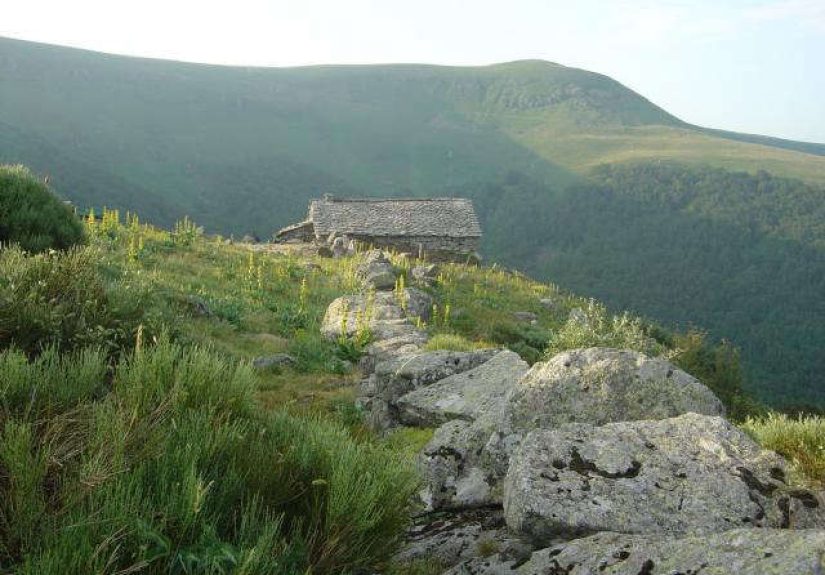
stone bergerie outbuildings found in pastoral regions.
The result is a countryside getaway that feels both timeless and practical. You’re not roughing it (unless you count opening a jar of jam without assistance).
You’re just living smalleron purposeand discovering that a well-designed 150–250 square feet can feel like a tiny palace when the view is a lavender horizon or a rolling vineyard.
Where to Find the Most Bucolic Hut Vibes in France
France is basically a highlight reel of rural landscapes, so your “best” region depends on the mood you’re chasing: lavender-dreamy, forest-quiet, mountain-crisp, or river-valley slow.
Here are a few hut-friendly backdrops that consistently deliver the pastoral magic.
Provence and the Lavender Calendar
If your vision board includes purple fields and sunshine that behaves like it’s being paid per sparkle, Provence is the classic choice.
Aim for smaller villages and countryside pockets rather than the busiest postcard hotspots. For lavender scenery, timing matters:
flowers typically show from mid-summer into late summer, and exact peaks vary by location and weather. Shoulder seasons (late spring or early fall) can still feel gloriousjust with fewer crowds
and a slightly higher chance you’ll need a sweater at night (which, honestly, makes the hut cozier).
Dordogne, Burgundy, and the “Do Less, Enjoy More” Zones
For storybook villages, markets, gentle river landscapes, and long lunches that somehow become an entire afternoon, look at inland regions like Dordogne and Burgundy.
These are places where you can spend a morning wandering a market, an afternoon walking quiet lanes, and an evening making a simple hut dinner that tastes suspiciously gourmet
(the secret ingredient is “you’re on vacation”).
Auvergne, the Cévennes, and Other Under-the-Radar Nature Escapes
Prefer your bucolic with a side of dramatic scenery and fewer people? Central and southern interior areaslike Auvergne’s volcanic landscapes or the Cévennes’ rugged hillsoffer big nature energy.
A shepherd’s hut here often feels like a private basecamp: hikes, stargazing, crisp mornings, and that quiet that makes you whisper even when you’re alone.
How a Tiny Hut Feels Luxurious (Without Needing a Ballroom)
The magic isn’t square footage. It’s design. A good shepherd’s hut is basically a Swiss Army knife disguised as an adorable cabin.
The layout is intentional, the storage is sneaky, and the vibe is “cozy,” not “cramped.”
The Exterior: Rustic, Practical, and Photogenic
Most huts lean into natural materialswood cladding, simple trim, and a roof designed to shed rain efficiently. Colors tend to be muted: deep greens, soft grays,
warm wood tones, or off-whiteshades that blend into fields and forests instead of shouting, “Look at me! I’m a hut!” (Even though it is extremely cute and deserves attention.)
Many properties place huts beneath trees, near meadows, or at the edge of farmlandspots chosen for shade, privacy, and views.
The Interior: Built-Ins, Beadboard, and the Art of “Everything Has a Place”
Inside, shepherd’s huts often rely on built-in seating, fold-down tables, under-bench storage, and compact kitchens.
You might see cottage-style wall paneling (like beadboard or wainscoting) that adds texture without visual clutter.
Beds are commonly fixed doubles, daybeds that convert, or clever Murphy-style setups. The best designs feel calm because they avoid “stuff” and focus on function:
hooks instead of bulky wardrobes, open shelving instead of heavy cabinets, and baskets that make clutter look like decor (which is basically sorcery).
Want a French-country touch without turning the hut into a themed restaurant? Keep it simple:
linen or cotton bedding, natural wood, a few vintage-inspired pieces, and soft patterns that feel collected rather than matchy-matchy.
It’s less “farmhouse explosion,” more “I found this charming pitcher and now my water tastes like a vacation.”
Warmth and Airflow: The Two Things That Make a Hut Feel Like Home
Comfort in a small space comes down to heat and ventilation. Many huts use a compact stove or efficient heater to warm the whole interior quickly,
which is why evenings can feel especially snug. Good airflow matters tooespecially with cooking, showers, and the general fact that humans are basically walking humidity machines.
Practical hut builds often emphasize moisture control and ventilation strategies so the space stays fresh, not foggy.
Off-Grid, But Make It Comfortable
Lots of bucolic huts lean “lightly off-grid.” That can mean solar lighting, a small water supply system, and a bathroom setup that’s eco-minded.
Translation: you might have a charming sink inside, a shower in a separate little structure, and a toilet solution designed for rural practicality.
This isn’t a problemit’s part of the experienceso long as you know what you’re booking and pack accordingly.
The best advice? Read the amenity list like you’re studying for a final exam titled “Will I Be Cold and Confused?”
Check for: heat source, bedding provided, electricity outlets, indoor vs. outdoor bathroom, cooking equipment, potable water, and what’s available on-site versus “bring your own.”
A hut can be delightfully simple and still feel easywhen expectations match reality.
How to Do Hut Life the French Countryside Way
Staying in a shepherd’s hut isn’t just about where you sleepit’s about how you spend your day. The countryside rhythm is gentle:
mornings feel unhurried, afternoons stretch out, and evenings become a cozy ritual instead of a race to the next activity.
Start With the Market (It’s Basically the Local Social Network)
Rural France loves a market day. It’s where you grab seasonal produce, bread, cheese, fruit, and picnic suppliesand also where you practice small courtesies that go a long way.
A simple greeting at the stall matters. Many vendors prefer to select produce for you rather than having customers squeeze everything like they’re testing stress balls.
Bring a reusable bag, arrive curious, and you’ll walk out with food and stories.
Make a Hut-Friendly “No-Cook” Feast
You don’t need a full kitchen to eat well. Try a simple spread that’s easy in a tiny space:
fresh bread, soft butter, jam or honey, ripe fruit, a few local cheeses, roasted nuts, and olives. Add sparkling water or a local soda, and you’ve got a dinner that feels fancy
even if you ate it on a tiny table the size of a cutting board. (That’s not a complaint. That’s ambiance.)
Walk Like You Mean It (But Not Like You’re Training for the Olympics)
One of the most charming things about rural France is how walkable it feelslanes, trails, and countryside paths that invite wandering.
If you’re near marked hiking routes, you can choose anything from a short scenic loop to longer trails that stitch together villages and viewpoints.
The key is to build your day around enjoyment, not mileage. This is a hut stay, not a spreadsheet.
A Sample Two-Day Shepherd’s Hut Itinerary
Day 1: Arrival, Market Wandering, and a Cozy First Night
- Late afternoon: Arrive, unpack, and do a quick “where is everything?” tour of the hut (especially the lights and the heat).
- Early evening: Visit a nearby market or village shop for bread, fruit, and simple supplies.
- Dinner: Keep it easy: a hut picnic inside or outside, depending on weather and bugs’ opinions.
- Night: Step outside for stargazing, then retreat indoors for a book, a warm drink, and the sound of the countryside doing absolutely nothing (beautifully).
Day 2: Slow Morning, Short Adventure, and a “We Should Do This More Often” Afternoon
- Morning: Coffee or tea, a simple breakfast, and a quiet sit with the door openbonus points if a breeze carries the smell of fields or pine.
- Midday: Take a short walk or drive to a scenic viewpoint, a small village, or a nature spot.
- Afternoon: Return for a nap (yes, schedule it) and a late lunch. If there’s a farm stand nearby, this is your moment.
- Evening: Light the stove/heater if needed, cook something basic, and enjoy the kind of calm you can’t download.
Practical Checklist: What to Pack for a Bucolic Hut Stay
Comfort Items (Small Space Approved)
- Warm layers for evenings (even summer can cool off fast in rural areas)
- Slip-on shoes for quick trips outside
- A headlamp or small flashlight (tiny paths + nighttime = instant adventure)
- Portable charger (some huts have limited outlets)
- Earplugs if you’re sensitive (nature can be loudowls did not get the memo)
Food and Kitchen Helpers
- A small knife and reusable picnic cutlery (if the hut kitchen is minimalist)
- A reusable bag for market shopping
- Snacks that don’t require cooking (fruit, nuts, crackers)
- A refillable water bottle
Outdoor and Nature Basics
- Bug spray or a citronella option (depending on season)
- Sunscreen and a hat for open-field regions
- A light rain layer (because weather loves plot twists)
FAQ: Quick Answers Before You Book
Is a shepherd’s hut comfortable year-round?
It depends on insulation, heating, and location. Many huts are designed for three-season comfort, and some are winter-ready with proper heat and weatherproofing.
Always check the listing for details about heating, bedding, and what “cozy” means in that specific hut.
Do huts usually have bathrooms inside?
Some do, many don’t. You might find an indoor sink and an outdoor shower/toilet setup nearby. This is common in glamping-style stays.
If you want a full indoor bathroom, filter for it specifically and confirm before booking.
Will I be bored?
Only if you think “doing nothing” is a problem. Hut boredom is often just your brain powering down in the best way.
Bring a book, a journal, a camera, or a playlistthen let the countryside handle the rest.
Experiences: of Bucolic Shepherd’s Hut Moments
You arrive in the late afternoon, when the light is golden and everything in the countryside looks like it’s been gently edited by a very tasteful photographer.
The road narrows into a lane, the lane becomes a gravel track, and suddenly the hut appearssmall, wooden, and perfectly placed as if the landscape itself requested it.
You step out of the car and the first thing you notice is the quiet. Not “nothingness” quiet, but “softly alive” quiet: a breeze in leaves, a distant bird, your own footsteps
sounding louder than expected because city noise has trained you to forget you even make sounds.
Inside, it’s a miniature world. The bed is neatly made, there’s a tiny table, a few hooks, and a shelf that somehow makes the space feel organized even before you put anything away.
You learn the hut’s personality quickly. The door sticks a little. The window opens with a satisfying click. The kettle is small but determined.
You laugh when you realize you can stand in the middle and reach almost everything without taking a step. Convenience? Yes. Also: mildly suspicious.
Before dinner, you walk to the edge of the field. The air smells greener than you’re used tolike plants are showing off.
If you’re in lavender country, there’s a faint herbal sweetness that makes you understand why people romanticize this place.
If you’re in a forested region, it’s pine and damp earth. Either way, it’s the kind of scent that makes you inhale on purpose, like you’re collecting it.
You return with pink cheeks and that pleasant tiredness that comes from being outside without looking at a clock every three minutes.
Dinner is beautifully simple. You tear bread, slice fruit, arrange a small spread, and suddenly you’re plating like a food stylisteven though you’re basically making a picnic.
The hut doesn’t let you overcomplicate things. There’s no room for twelve side dishes and a dramatic garnish.
You eat slowly, partly because you’re savoring it, partly because you’re trying not to drop crumbs into a corner you’ll never be able to reach without a tiny vacuum and a therapist.
Night falls, and the hut becomes a lantern. If there’s a stove or heater, the warmth gathers quickly and stays close, like the space is hugging you back.
You step outside againjust onceto look at the sky. Stars show up in numbers that feel unfair, as if the universe is flexing because it knows you don’t get this view at home.
You go back in, slide under the covers, and listen to the countryside settle. The hut creaks softly. Rain might tap the roof like polite applause.
In the morning, light spills in early, and you wake up with the strange, lovely feeling that time has slowed downnot because you did more, but because you finally stopped trying to.
Conclusion: Small Space, Big France
A bucolic shepherd’s hut in France isn’t about giving things upit’s about trading noise for calm, clutter for clarity, and “more” for “enough.”
With the right region, a smart little hut, and a countryside mindset, you’ll find the luxury isn’t the square footage. It’s the quiet.
It’s market mornings, soft evenings, and the surprising joy of realizing you can be completely content with a warm bed, a simple meal, and a view that doesn’t need a filter.