Table of Contents >> Show >> Hide
- What changed with the new CDC recommendation?
- What exactly is CAPVAXIVE, and how is it different?
- Who should get the new pneumonia vaccine?
- Who may not need another pneumonia shot right now?
- Should you choose PCV21 over PCV20?
- What does the vaccine protect against?
- What side effects should you expect?
- So, should you get it?
- What this looks like in real life: common experiences around the new pneumonia vaccine
- Bottom line
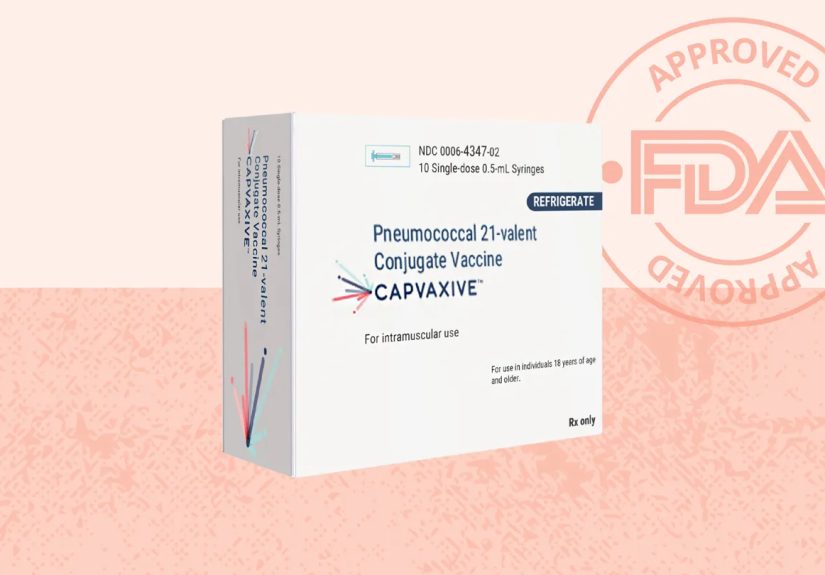
There are few things in adult life less glamorous than realizing you are now old enough to have opinions about fiber supplements, orthopedic shoes, and vaccine schedules. And yet, here we are. The latest item on that decidedly unglamorous-but-very-useful list is the new pneumonia vaccine, CAPVAXIVE, also known as PCV21. It got the green light from the FDA in 2024 and then picked up a CDC recommendation, which is the public health version of being handed the good parking spot.
So, should you get it? In many cases, yes. But not because a shiny new vaccine showed up and everyone must sprint to the pharmacy like it is concert merch. The real answer depends on your age, your health conditions, and what pneumococcal vaccines you have already had. That last part matters more than most people think, because with pneumonia vaccines, the question is often not just “Am I eligible?” but “Am I already done?”
This is where the updated CDC guidance actually helps. It is simpler than the old maze of age cutoffs and risk-based rules, but there are still a few fine-print details worth knowing before you roll up your sleeve.
What changed with the new CDC recommendation?
The biggest headline is this: the CDC now recommends pneumococcal vaccination for all adults age 50 and older if they have not previously received a pneumococcal conjugate vaccine or if their vaccine history is unknown. That is a major shift from the older routine recommendation, which started at age 65 for otherwise healthy adults.
Why the change? Because pneumococcal disease is not some rare villain hiding in a cave. It causes serious infections such as pneumonia, bloodstream infections, and meningitis, and the burden in adults ages 50 to 64 is not trivial. Public health officials wanted a simpler, earlier recommendation that could protect more people before risk climbs even higher.
The “new vaccine” making noise in the headlines is CAPVAXIVE (PCV21), a 21-valent pneumococcal conjugate vaccine designed for adults. It is now one of the CDC-approved options for adults who need pneumococcal vaccination.
What exactly is CAPVAXIVE, and how is it different?
CAPVAXIVE is a pneumococcal conjugate vaccine. In plain English, it trains your immune system to recognize specific strains of Streptococcus pneumoniae, the bacteria behind pneumococcal disease. The number in its name, 21, means it targets 21 serotypes of the bacteria.
That matters because pneumococcal disease is not caused by one single strain. It is more like a chaotic cast of bacterial cousins, and the vaccine’s job is to cover the ones most likely to cause serious adult disease. CAPVAXIVE includes eight serotypes not found in previously recommended pneumococcal vaccines, which is one reason experts paid attention when it arrived. At the same time, it does not include every serotype found in other options, so this is not a comic-book sequel where the new hero automatically replaces everyone else.
In the adult vaccine lineup, there are now three main conjugate options people hear about:
PCV15
This protects against 15 serotypes, but if you get PCV15, you usually also need a later dose of PPSV23 to complete the series.
PCV20
This protects against 20 serotypes and is a one-and-done option for most adults.
PCV21 (CAPVAXIVE)
This protects against 21 serotypes and is also a one-and-done option for most adults who need it.
For most readers, the practical takeaway is simple: PCV20 and PCV21 generally complete the adult pneumococcal vaccine series in one visit, while PCV15 usually requires a follow-up PPSV23 dose.
Who should get the new pneumonia vaccine?
This is the part most people actually care about, because vaccine acronyms are only fun if you enjoy alphabet soup with a side of billing codes.
Adults age 50 and older
If you are 50 or older and have never had a pneumococcal conjugate vaccine, or you are not sure whether you did, CDC guidance says you should receive one. Your options are:
- PCV20
- PCV21 (CAPVAXIVE)
- PCV15, followed later by PPSV23
For many adults, that means the easiest path is a single dose of PCV20 or PCV21. Done, bandage on arm, mildly dramatic “I’m being responsible now” selfie optional.
Adults ages 19 to 49 with certain risk factors
You do not need to be 50 to qualify. Adults ages 19 through 49 may also need a pneumococcal vaccine if they have certain medical conditions or risk factors. These include some chronic heart, liver, kidney, or lung conditions, diabetes, asthma, cigarette smoking, alcoholism, immunocompromising conditions, cochlear implants, or cerebrospinal fluid leaks.
That means a perfectly healthy 32-year-old probably does not need to run out for a pneumonia shot tomorrow. But a 32-year-old with asthma, diabetes, or an immunocompromising condition may absolutely be in the recommended group.
Who may not need another pneumonia shot right now?
This is where many people get confused, especially if they remember getting “a pneumonia vaccine” years ago but cannot remember which one. If you have already received PCV20 or PCV21, the CDC says no additional pneumococcal vaccination is generally recommended. In other words, you may already be finished.
If you received PCV15, that may not be the end of the story. You usually still need PPSV23 later to complete the schedule.
If you only had PPSV23 in the past, you may now need a conjugate vaccine such as PCV20 or PCV21. If you only had PCV13, you may also need a newer vaccine to complete protection under current recommendations.
There is also one more wrinkle for some older adults. If you are 65 or older and already had both PCV13 and PPSV23 at the appropriate times, you may have the option to get PCV20 or PCV21 later based on shared clinical decision-making. That means it is not automatically required, but it can be reasonable after a discussion with your clinician or pharmacist.
Translation: new vaccine headlines do not automatically mean everyone needs another shot. Your personal vaccine history still matters.
Should you choose PCV21 over PCV20?
This is the question that can make a simple pharmacy visit feel like you accidentally wandered into a graduate seminar. The honest answer is that both PCV20 and PCV21 are legitimate CDC-backed options for adults who need pneumococcal vaccination.
CAPVAXIVE was developed with adult disease patterns in mind and includes several additional serotypes that matter in adult infections. That is a real advantage. On the other hand, vaccine choice can depend on your medical history, your provider’s preference, local availability, and details about serotype coverage. So for most people, the decision is less about hunting for the “winner” and more about making sure you get an appropriate recommended vaccine at all.
If your clinic or pharmacy offers PCV21 and you are eligible, it is a reasonable option. If they offer PCV20 and not PCV21, that is also a solid option. The bigger mistake is not choosing the “wrong” one of those two. The bigger mistake is needing vaccination and putting it off indefinitely because the vaccine names sound like Wi-Fi passwords.
What does the vaccine protect against?
The pneumococcal vaccine helps protect against pneumococcal disease, which includes bacterial pneumonia, bloodstream infections, and meningitis caused by Streptococcus pneumoniae. That protection matters, especially in older adults and in people with chronic conditions.
But here is one important reality check: this is not a magic shield against every kind of pneumonia. Pneumonia can also be caused by viruses, fungi, and other bacteria. So if someone tells you they got “the pneumonia shot” and still later developed pneumonia from another cause, that does not mean the vaccine failed. It means pneumonia is a broader category than one bacterium.
Think of this vaccine as targeted protection against a major, dangerous bacterial cause of serious illness, not a force field against every cough in civilization.
What side effects should you expect?
The most common side effects are refreshingly boring: pain, redness, or swelling where the shot goes in, plus tiredness, headache, muscle aches, and sometimes fever. These reactions are usually mild and short-lived, often lasting less than a few days.
Serious allergic reactions are rare, but as with any vaccine, they can happen. If you have had a severe allergic reaction to a prior dose or to a vaccine ingredient, that is something to discuss with your clinician before vaccination.
For most adults, the more realistic scenario is not a dramatic medical event. It is feeling a bit crummy that evening, deciding the couch is your personality now, and being fine again by the next day or two.
So, should you get it?
Here is the practical answer.
You should strongly consider getting the new pneumonia vaccine if:
- You are 50 or older and have never had a pneumococcal conjugate vaccine.
- You are 19 to 49 and have a qualifying health condition or risk factor.
- You had only an older pneumococcal vaccine and have not completed the newer recommended schedule.
- Your vaccine history is unclear and your clinician or pharmacist determines you are due.
You may not need it right now if:
- You already received PCV20 or PCV21.
- You completed the recommended series and your clinician confirms you are up to date.
- You are younger than 50 and do not have a risk-based indication.
If you want the shortest useful version, it is this: if you are 50 or older and have not had a conjugate pneumococcal vaccine, yes, this is worth doing. If you already had one of the newer one-dose options, you may already be set. If your vaccine history is fuzzy, ask a pharmacist or clinician to check your records instead of relying on your memory from the same era when you also forgot three passwords and where you parked.
What this looks like in real life: common experiences around the new pneumonia vaccine
One reason the updated recommendation matters is that it matches the way people actually move through the healthcare system. Real life is messy. People switch doctors, move states, lose access to old records, and vaguely remember getting “some vaccine” around the same time they got a flu shot, a COVID booster, and a lecture about cholesterol. The new age-50 recommendation cuts through some of that mess.
A common experience goes like this: someone turns 50, books a routine physical, and expects the usual conversation about blood pressure, sleep, and exercise. Instead, their clinician says, “You’re due for a pneumococcal vaccine.” The patient looks startled, because in their mind pneumonia shots are for grandparents and people who own at least one emergency flashlight. But once they hear that the CDC lowered the recommended age and that the vaccine protects against serious bacterial infections, the recommendation suddenly feels less random and more like preventive care doing its job.
Another familiar scenario happens in pharmacies. A person comes in for a shingles shot or flu vaccine, and the pharmacist checks the immunization registry. Surprise: they are eligible for a pneumococcal vaccine too. This is often the moment when the question changes from “Do I want another needle today?” to “Wait, am I behind?” In many cases, the person had never been offered the vaccine before because the old rules were more fragmented. The updated guidance makes that conversation faster and easier.
There is also the high-risk adult experience, which tends to be less straightforward. Maybe someone is 42 and has asthma, diabetes, or chronic kidney disease. They do not necessarily think of themselves as a candidate for a pneumonia vaccine, because they are not older and they do not “feel sick enough.” But risk-based recommendations are built exactly for situations like that. Many adults are surprised to learn that smoking, chronic lung disease, diabetes, and immunocompromising conditions can move them into the recommended group long before age 50.
Then there is the vaccine-history puzzle. A lot of adults know they got a pneumonia shot years ago, but they do not know whether it was PCV13, PPSV23, or something else. This is incredibly common. It is also why a quick chart review can save time and confusion. Some people discover they are already fully vaccinated. Others learn they had only an older shot and now qualify for a newer conjugate vaccine. That is not a failure. It is simply what happens when recommendations evolve as science improves.
Caregivers also see this issue up close. Adult children taking a parent to appointments often assume Mom or Dad is fully covered because “they had that years ago.” Sometimes yes. Sometimes not. Shared decision-making becomes important, especially for older adults who had older vaccine combinations and may now have the option of an additional PCV20 or PCV21 dose. These are not always dramatic conversations, but they are meaningful ones, because preventing one hospitalization can make the entire discussion worth it.
The biggest real-world lesson is simple: the best vaccine schedule is the one that gets checked, understood, and completed. The new recommendation makes that easier. It gives more adults a clearer answer, earlier protection, and fewer opportunities for pneumococcal disease to show up uninvited.
Bottom line
The new pneumonia vaccine did not get CDC support just to make adult healthcare more alphabet-heavy. It got the nod because pneumococcal disease remains serious, the newer vaccines offer broader targeted protection, and starting routine vaccination at age 50 makes public health sense.
If you are 50 or older and have not had a pneumococcal conjugate vaccine, getting vaccinated is a smart move. If you are younger but have certain health risks, the answer may also be yes. If you already received PCV20 or PCV21, you may already be finished. And if your vaccine record looks like ancient scrolls written in pharmacy shorthand, this is a good time to ask your clinician or pharmacist to sort it out.
Because in the grand hierarchy of adult responsibilities, preventing a serious bacterial infection ranks well above pretending you will “remember to deal with it later.”