Table of Contents >> Show >> Hide
- Why nose hair matters more than people think
- Best nose hair removal methods
- What to avoid when removing nose hair
- How to trim nose hair safely
- Signs you should stop grooming and get medical advice
- Common myths about nose hair removal
- Best routine for most people
- Real-life experiences with nose hair removal
- Final thoughts
Let’s be honest: nose hair becomes everybody’s business the second a rogue strand catches the light at the exact wrong angle. One minute you are feeling polished and put together, and the next minute a bathroom mirror says, “Actually, we need to talk.” The good news is that nose hair removal does not have to become a dramatic event starring tweezers, regret, and watery eyes.
The better news? Your nose hair is not random. It is there for a reason. Those little hairs help trap dust, debris, and other particles before they travel deeper into your airways. In other words, your nose hair is less “beauty emergency” and more “tiny unpaid security team.” So the goal is not to remove every single strand like you are clear-cutting a national forest. The goal is to tidy what is visible, keep the inside of the nose comfortable, and avoid methods that can irritate delicate tissue.
If you want the short version before we dive in: trimming visible nose hair is generally the best option, while plucking and waxing are the methods most experts want you to think twice about. Now let’s get into the details without making this feel like a lecture from your bathroom mirror.
Why nose hair matters more than people think
Nose hair has a practical job. It works with mucus inside the nose to catch larger particles from the air you breathe, including dust, pollen, and grime. That filtering role is one reason experts usually recommend grooming, not complete removal. If you take too much hair out, especially deep inside the nostril, you are not just changing how things look. You may also be reducing part of your nose’s natural defense system.
There is also the issue of skin. The inside of the nose is delicate, moist, and full of bacteria that normally live there without causing trouble. When you yank hair out from the root or damage the lining of the nostril, you can create tiny openings that make irritation, ingrown hairs, and infection more likely. So yes, nose grooming is cosmetic. But technique matters.
Best nose hair removal methods
1. Rounded-tip scissors
If you want a classic, low-tech method, rounded-tip scissors are a strong choice. They are simple, inexpensive, and effective for trimming the obvious hairs that peek past the nostril. The key phrase here is visible hairs. You are not trying to explore the nasal cave system. You are just snipping what sticks out.
Good lighting helps. A magnifying mirror helps even more. Wash your hands, clean the scissors, and trim slowly. This method works especially well for people who only have a few noticeable hairs and do not want to buy another gadget that ends up living forever in the bathroom drawer beside mystery charger cables.
2. Electric nose hair trimmers
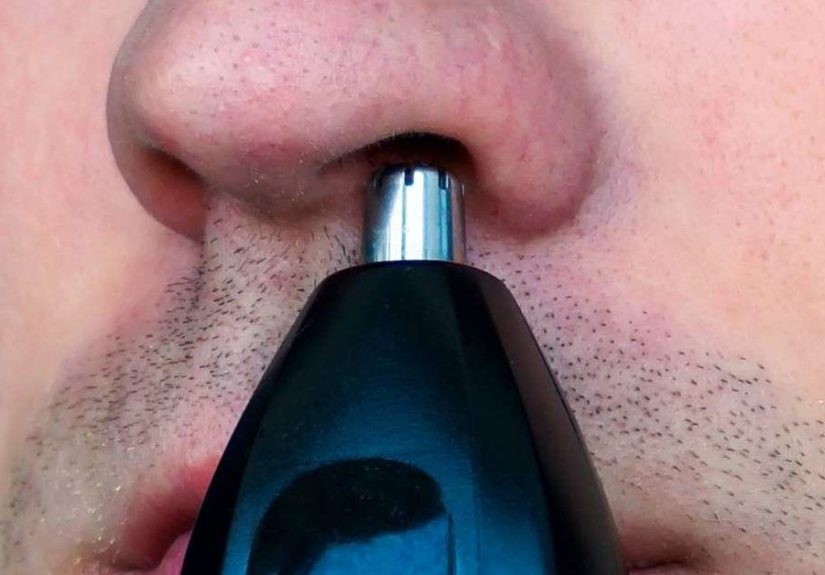
For many people, an electric nose hair trimmer is the easiest all-around option. These tools are designed to shorten hair without pulling it out at the root. Many also include rounded heads or protective guards to reduce the chance of cuts. That makes them practical for regular maintenance, especially if your nose hair grows quickly or tends to get noticeable every couple of weeks.
A good trimmer should feel comfortable, not aggressive. It should trim without tugging, and it should be easy to clean. You do not need the fanciest model on earth with enough accessories to groom a small zoo. You just need a reputable trimmer that is gentle, easy to sanitize, and made specifically for nose hair.
3. Professional consultation for persistent cosmetic concerns
If you are bothered by hair growth at the outer edge of the nostril or you feel like trimming never solves the problem for long, it may be worth asking a dermatologist, facial plastic surgeon, or ENT specialist for guidance. For some people, especially those dealing with very coarse growth or repeated irritation, professional advice can help them choose the least irritating option.
That does not mean everyone needs a procedure. Most people do just fine with trimming. But if you are considering anything more permanent or more aggressive, the inside of the nose is not the place for casual experimentation.
What to avoid when removing nose hair
1. Plucking with tweezers
This is the big one. Plucking feels satisfying for about half a second, right before your eyes water and your body questions every life choice that brought you there. More importantly, plucking removes the hair from the root and can leave a tiny wound behind. That can increase the risk of ingrown hairs, folliculitis, and nasal vestibulitis, which is an infection or inflammation near the entrance of the nostril.
Not every tweezing session turns into a medical issue, of course. But this is one of those cases where the risk is hard to justify when safer options exist. If your plan involves gripping a single hair like it owes you money, it is probably not the best plan.
2. Waxing inside the nose
Nose waxing may look quick, but “quick” is not the same thing as “smart.” Waxing can remove several hairs at once, which sounds efficient until you remember that the inside of the nose is lined with sensitive tissue. Pulling wax from that area can irritate the lining, create tiny breaks in the skin, and increase the chance of pain, inflammation, or infection.
Waxing also tends to remove more than just the hair you actually wanted gone. Instead of tidying visible strands, it can leave the nostril stripped down more than necessary. For a body part that already knows how to do an important job, that is not ideal.
3. Hair removal creams
Hair removal creams and depilatories are a bad match for the inside of the nose. The nasal lining is delicate, and chemical products made to dissolve hair can be irritating in places that are far less sensitive than your nostrils. Add the possibility of fumes in a tight space, and this becomes a “hard pass” for most sensible humans.
Even if a product seems harmless on other parts of the body, the inside of the nose is not standard skin. It is a mucosal area, which means it deserves extra caution. Save the cream for appropriate zones and keep it far away from your nostrils.
4. Regular razors and random DIY hacks
If a method sounds like something invented at 1:00 a.m. after watching three grooming videos and one bad life-coach reel, skip it. Traditional razors, sharp pointed scissors, and random household tools do not belong inside the nose. Neither do trendy “hacks” that promise a perfectly smooth nostril. A perfectly smooth nostril is not the goal. A comfortable, neat, non-infected nostril is the goal.
How to trim nose hair safely
- Wash your hands first. This is not glamorous advice, but it is good advice.
- Use clean tools. Wipe scissors or trimmer heads before and after use.
- Stand in bright light. Your nose hair should not be approached like a surprise obstacle course.
- Trim only visible hairs. If the hair is deep inside the nostril, leave it alone.
- Go slowly. Fast grooming is how people end up making eye contact with a tissue and some regret.
- Do not share tools. Your nose trimmer should be personal, like a toothbrush or opinions about pineapple on pizza.
- Clean the device after each use. A dirty grooming tool defeats the entire purpose of “self-care.”
Signs you should stop grooming and get medical advice
Sometimes the issue is not cosmetic hair but irritated skin or infection. Stop trimming and talk to a healthcare professional if you notice any of the following:
- painful swelling inside the nostril
- redness that is getting worse instead of better
- pimples, bumps, or crusting near the hair follicles
- bleeding that keeps coming back
- pus, drainage, or a foul smell
- fever or significant tenderness
People with diabetes, weakened immune systems, or a tendency toward skin infections should be especially careful. Even small cuts or irritation can become more of a problem if your body has a harder time healing or fighting infection.
Common myths about nose hair removal
Myth: If you trim nose hair, it grows back thicker
Nope. Trimming changes the shape of the hair tip, not the follicle. Hair may feel stubbly as it grows back, but trimming does not cause the follicle to produce thicker hair.
Myth: Removing all nose hair is cleaner
Also no. Nose hair is part of your body’s normal filtration system. Removing every bit of it does not make you cleaner. It mostly makes your nose less equipped to do its job.
Myth: If waxing is sold as a product, it must be safe for everyone
Availability is not the same as universal wisdom. Plenty of products exist because someone somewhere is willing to buy them. That does not automatically make them the best option for delicate tissue inside the nose.
Best routine for most people
For the average person, the sweet spot is simple: check visible hairs every one to four weeks, trim only what sticks out, and keep the tool clean. That is it. You do not need a ten-step nose hair ritual. You do not need a luxury approach. You need consistency, patience, and the emotional strength to avoid tweezers when a single rebellious strand appears under bright sunlight.
If you are often on camera, work in client-facing settings, or just prefer a neater look, an electric trimmer may be the easiest choice. If you only notice a few long hairs now and then, rounded-tip scissors may be perfectly enough. Either way, the safest grooming strategy is maintenance, not overcorrection.
Real-life experiences with nose hair removal
One of the most common experiences people describe is realizing they never cared about nose hair until one day they absolutely could not unsee it. Usually it happens in brutal overhead lighting, in a car mirror, or during a video call where the camera somehow decides the inside of your nostril deserves an HD close-up. That moment tends to send people straight into “fix this immediately” mode, which is exactly when bad decisions like tweezing or waxing become tempting.
People who switch from plucking to trimming often say the biggest difference is not just less pain, but less drama overall. Instead of watery eyes, sneezing, and that sharp sting that makes you question your instincts, trimming feels boring in the best possible way. It is quick, controlled, and usually ends without irritation. In grooming, boring is underrated. Boring means you did not injure yourself while trying to look polished for brunch.
Another common experience is discovering that nose hair maintenance is easier when people stop aiming for perfection. A lot of frustration comes from trying to remove every last hair, which usually leads to over-trimming or poking around too deep inside the nose. Once people switch to the idea of trimming only the visible hairs, the whole process becomes more manageable. You still look tidier, but you are not turning your nostrils into a construction zone.
Some people with sensitive skin report that even gentle trimming can leave the area feeling a little dry or irritated if they do it too often. In those cases, spacing out sessions and using a clean, high-quality trimmer makes a noticeable difference. The pattern is pretty consistent: the rougher the tool or the more aggressive the grooming, the more likely people are to feel discomfort later. The smoother and cleaner the routine, the less likely the nose is to protest.
People who have tried waxing often describe the same arc: curiosity, confidence, immediate regret, and then a very sincere promise never to do that again. Even when the result looks neat for a while, the process itself can be harsh, and many say the discomfort just is not worth it. Others report tenderness or bumps afterward, which is hardly the glowing beauty review anyone wants.
There are also plenty of people who simply decide not to care much unless the hair is clearly visible. Honestly, that may be the healthiest attitude of all. Nose hair is normal. Everyone has it. The social panic around it is usually bigger than the actual problem. A quick trim once in a while is enough for most people to feel neat without becoming overly focused on something that, in everyday life, most people are not analyzing nearly as closely as you think.
In practical terms, the best experience tends to come from a routine that feels easy to repeat. A clean trimmer stored where you can actually find it beats an elaborate grooming plan every time. Good lighting helps. A mirror helps. A steady hand helps. But perhaps the most important thing is mindset: treat nose hair removal like light maintenance, not a battle. Once people do that, it usually stops being a dreaded task and becomes just another quick part of staying groomed.
Final thoughts
Nose hair removal is one of those grooming topics that sounds silly until you are dealing with it yourself. But the answer is refreshingly simple. Nose hair serves a purpose, so do not try to erase it completely. If you want a cleaner look, trim visible hairs with rounded-tip scissors or an electric trimmer, keep your tools clean, and avoid aggressive methods that can irritate or injure the inside of the nose.
In other words, respect the nose hair, tidy the outliers, and leave the dramatic removals to reality TV where they belong.